Understanding Aging-in-Place Remodeling
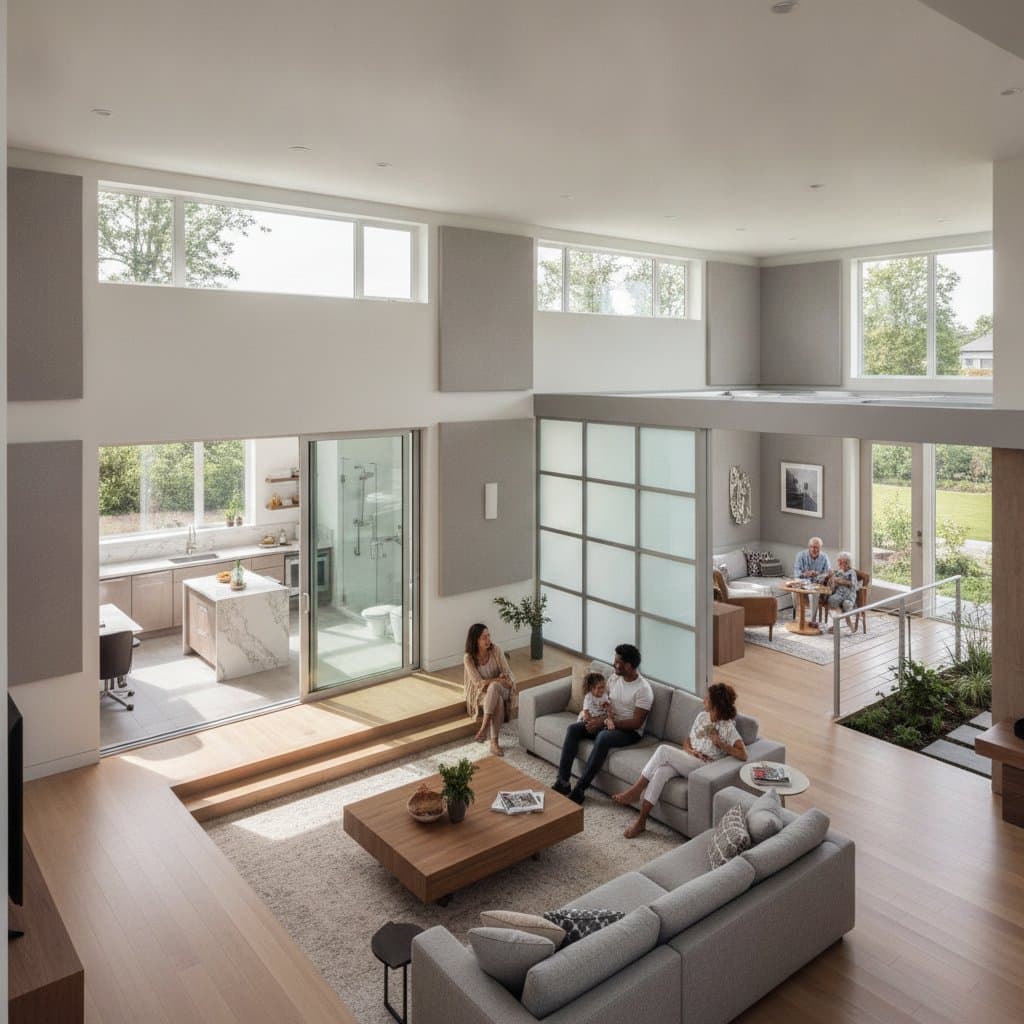
Aging-in-place remodeling allows individuals to remain in their homes as they age by incorporating modifications that promote safety and accessibility. These updates address mobility challenges, reduce fall risks, and support daily living without the need for relocation. In 2025, such projects gain prominence due to an expanding senior population and advancements in adaptive design.
Homeowners benefit from personalized solutions that blend functionality with aesthetics. Professional assessments identify specific needs, ensuring modifications align with individual lifestyles. This approach not only enhances comfort but also preserves familiarity and emotional well-being.
Key Factors Driving 2025 Costs
Several elements influence the total expense of aging-in-place remodeling in 2025. Material selections, labor rates, and project scope play central roles in determining the final price. Regional variations, such as higher costs in urban areas, further impact budgets.
Inflation and supply chain dynamics contribute to price fluctuations. For instance, sustainable materials like low-VOC paints and eco-friendly flooring add to upfront costs but offer long-term savings through durability. Labor from certified aging-in-place specialists commands premium rates due to their expertise in universal design principles.
Home size and existing structure condition also affect estimates. Older homes may require structural reinforcements, elevating expenses. Conversely, newer constructions often accommodate modifications with minimal disruption.
Cost Breakdown by Project Scale
Entry-level projects, priced between $10,000 and $20,000, focus on essential safety features. These include installing grab bars in bathrooms, adding non-slip flooring, and upgrading lighting for better visibility. Such initiatives provide immediate risk reduction without extensive overhauls.
Mid-range remodels, ranging from $20,000 to $50,000, expand to comprehensive accessibility. Examples encompass widening doorways for wheelchair passage and installing lever-style handles throughout the home. These upgrades facilitate smoother navigation and support semi-independent living.
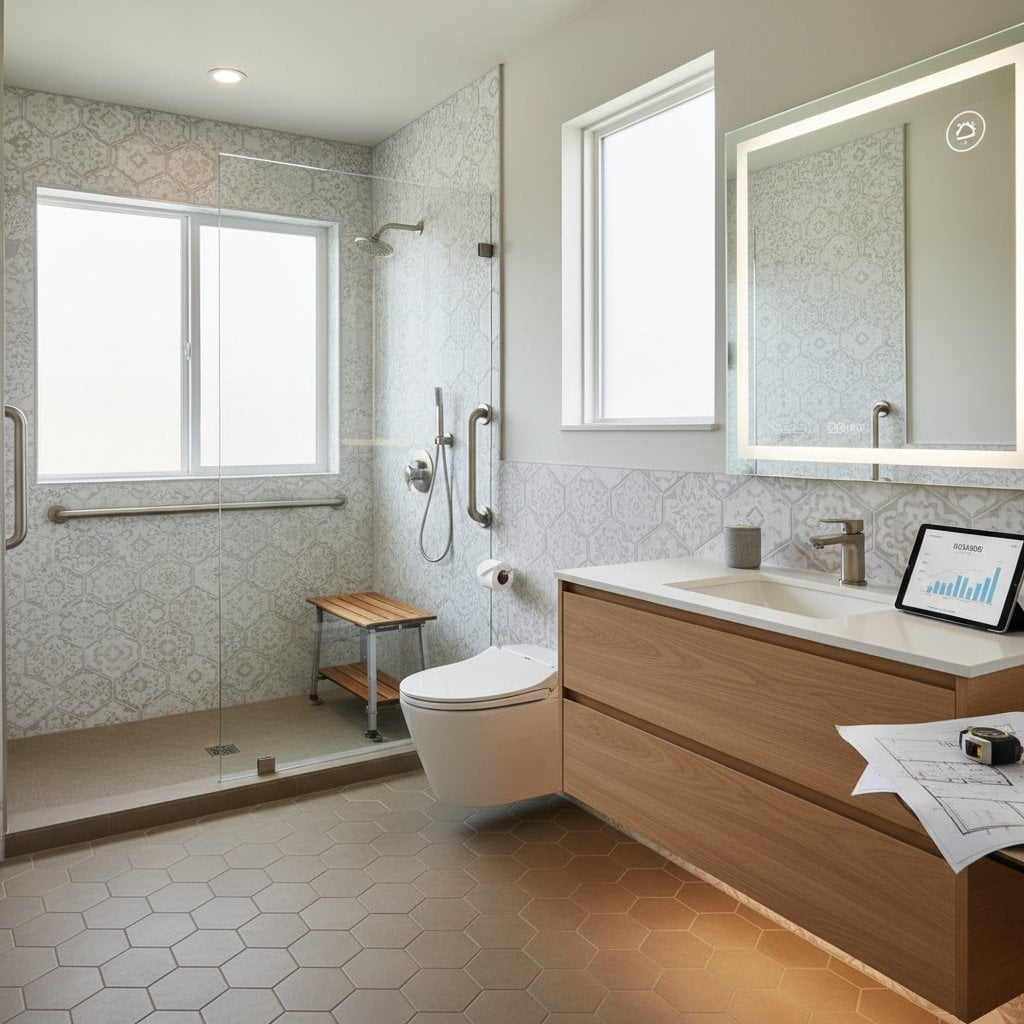
High-end transformations, costing $50,000 to $100,000, integrate advanced technologies and full-room conversions. Walk-in showers with bench seating, automated lighting systems, and elevator installations fall into this category. Luxury elements, such as custom cabinetry with adjustable heights, elevate both utility and home appeal.
The national average hovers around $40,000, reflecting a balanced mix of modifications. Budget allocation typically dedicates 40 percent to labor, 30 percent to materials, and the remainder to permits and contingencies.
Essential Upgrades and Their Price Ranges
Bathroom Modifications
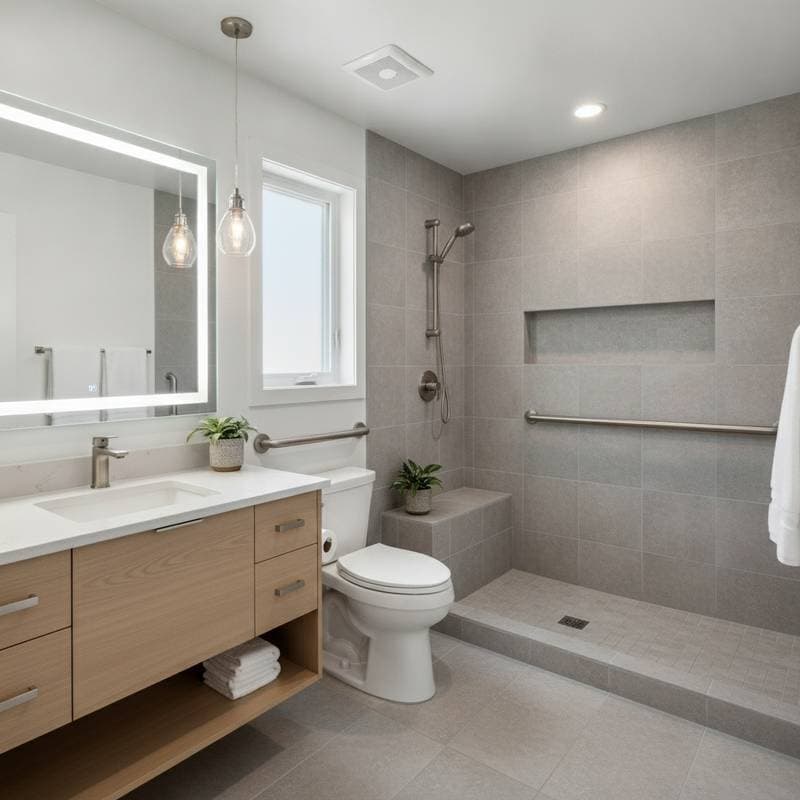
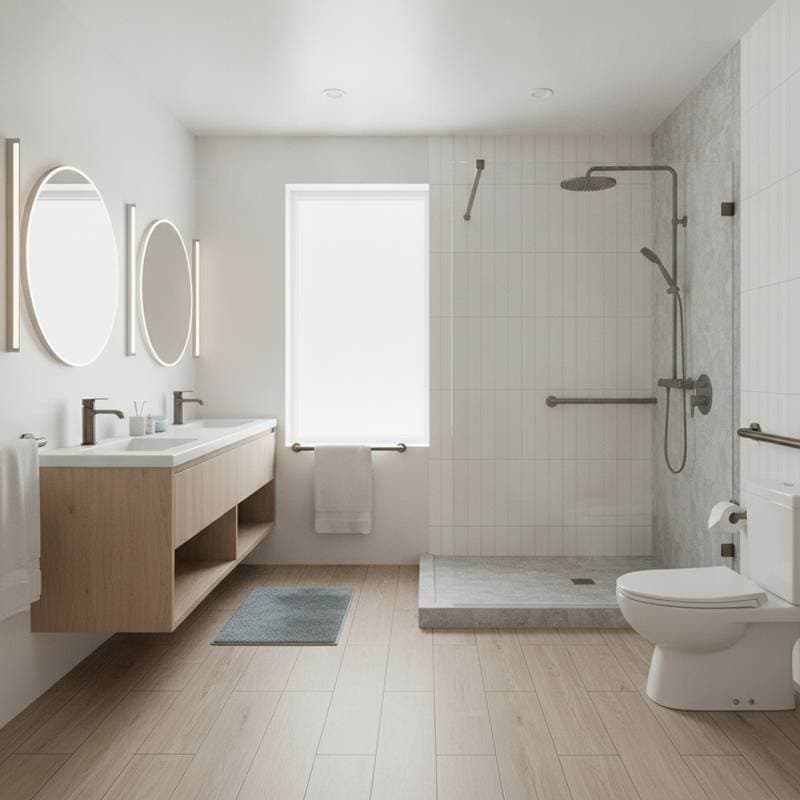
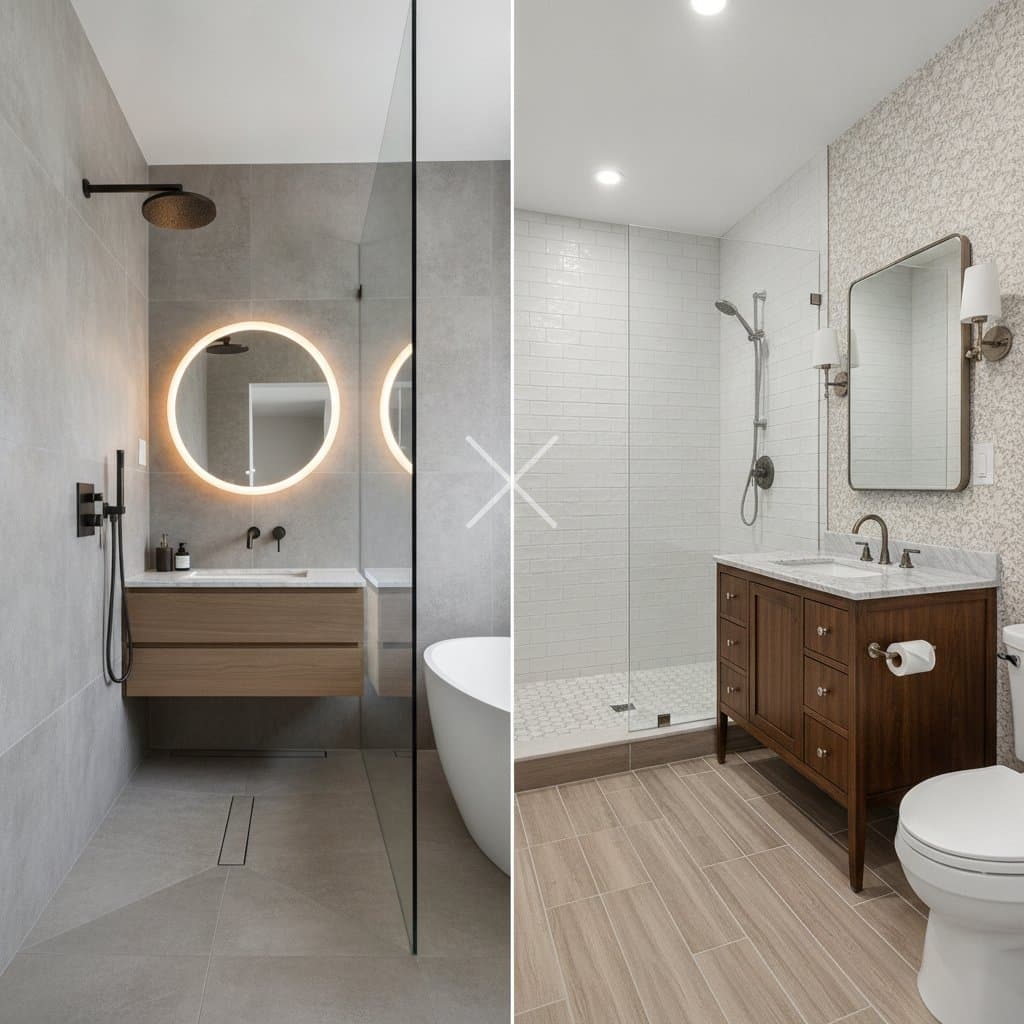
Bathrooms represent high-risk areas for falls, making them a priority for remodeling. Converting a standard tub to a curbless shower costs $5,000 to $15,000, including waterproofing and drainage adjustments. Adding fold-down benches and handheld showerheads enhances usability for limited mobility.
Grab bars and raised toilets, priced at $500 to $2,000 per installation, provide sturdy support. Anti-scald valves and lever faucets, at $200 to $800, prevent injuries from hot water and ease operation for arthritic hands.
Kitchen Adaptations
Kitchens require adjustments for safe meal preparation. Lowering countertops to 34 inches and installing pull-out shelves ranges from $8,000 to $25,000. These changes accommodate seated cooking and reduce strain during use.
Touchless faucets and induction cooktops, costing $1,000 to $5,000, minimize physical effort. Wall-mounted pot fillers and lazy Susans in cabinets, at $300 to $1,500, streamline access to essentials.
Smart Home Integrations
Technology plays a pivotal role in modern aging-in-place designs. Voice-activated lighting and thermostats cost $2,000 to $8,000, allowing control without physical movement. Motion-sensor systems for doors and automated shades enhance convenience.
Fall detection sensors and emergency alert devices, priced at $500 to $3,000, connect to monitoring services for rapid response. Integration with whole-home hubs ensures seamless operation across devices.
Structural and Exterior Enhancements
Ramps and entryway modifications, from $3,000 to $20,000, eliminate steps for ground-level access. Widening hallways to 36 inches and removing carpeting for smooth flooring supports mobility aids.
Elevators or stairlifts, at $15,000 to $50,000, serve multi-story homes. Exterior lighting and handrails, costing $1,000 to $5,000, improve nighttime safety.
Planning Your Remodel for Efficiency
Start with a professional evaluation to map out needs and priorities. Certified aging-in-place specialists (CAPS) offer insights tailored to your home's layout. Develop a phased plan to distribute costs over time, beginning with high-impact areas like bathrooms.
Obtain multiple quotes from licensed contractors to compare value. Verify credentials through organizations like the National Association of Home Builders. Factor in energy-efficient upgrades, such as LED lighting, to qualify for potential rebates.
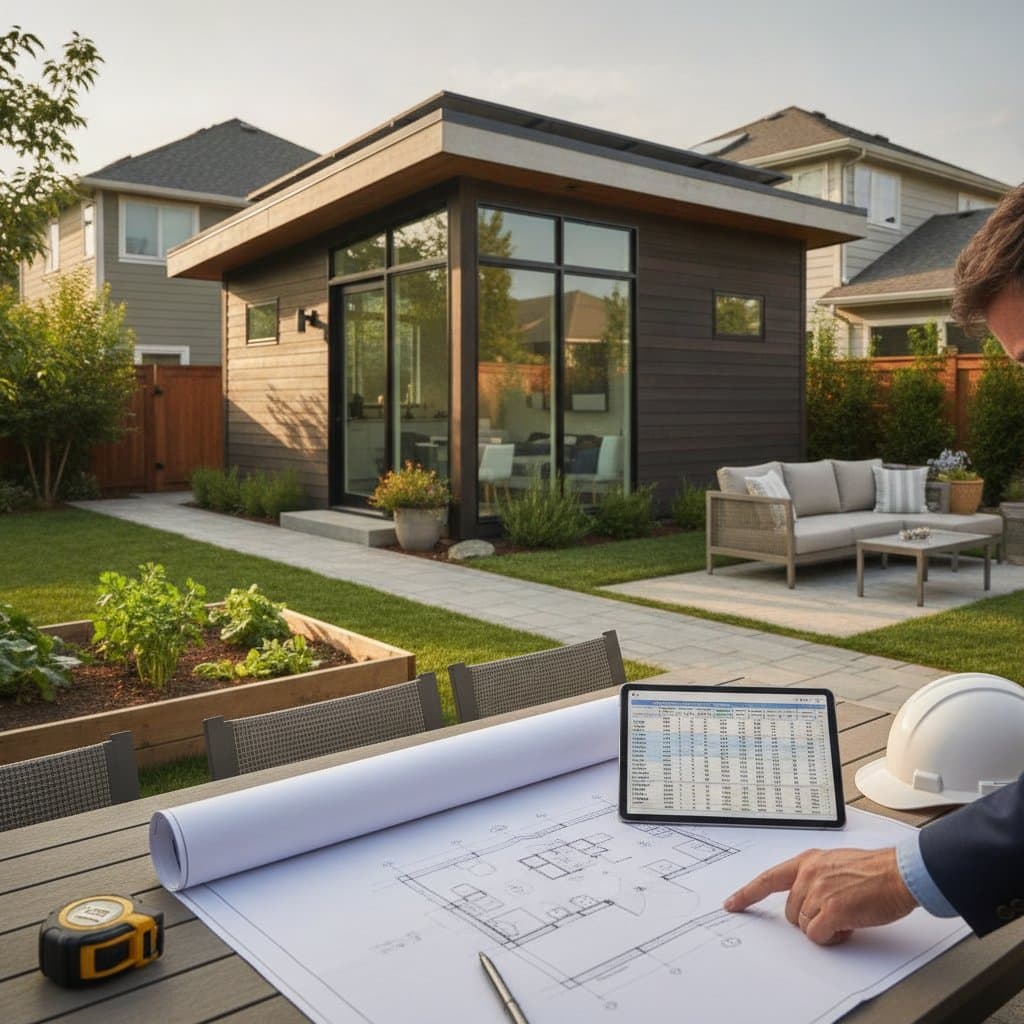
Budget for unforeseen issues, allocating 10 to 15 percent as a contingency. Track expenses with detailed spreadsheets to maintain financial control. Regular consultations with designers ensure the project evolves with your preferences.
Maximizing Long-Term Value and Independence
Investing in aging-in-place remodeling yields returns beyond immediate comfort. Enhanced safety features lower medical expenses associated with falls, which average $30,000 per incident. Accessibility improvements support prolonged home occupancy, delaying costly assisted living transitions.
Property values increase by 5 to 10 percent with thoughtful modifications, appealing to future buyers seeking universal design. Sustainable choices reduce utility bills, providing ongoing savings. Overall, these upgrades foster dignity and autonomy, aligning with personal goals for later life.
Collaborate with experts to customize solutions that evolve with needs. This proactive strategy transforms challenges into opportunities for enriched living. Your home becomes a enduring sanctuary of security and ease.