
Understanding ADU Costs in 2026: A Comprehensive Breakdown
Essential Overview
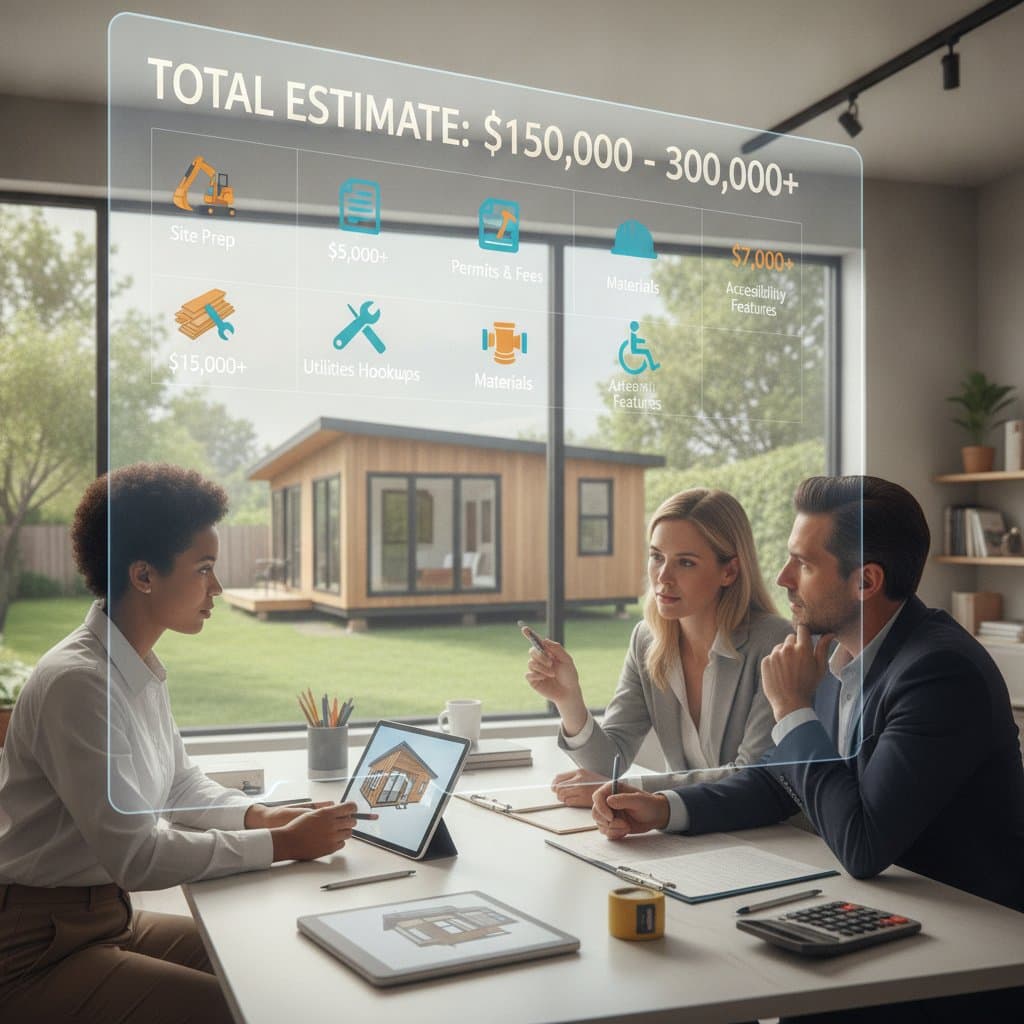
Constructing an accessory dwelling unit represents a significant investment that provides additional living space, potential rental income, or accommodations for extended family. Homeowners typically face expenses ranging from $150,000 to $350,000, influenced by factors such as unit size, material quality, and site-specific challenges. Projects generally span four to eight months from initial design through to occupancy, demand advanced expertise, and necessitate involvement from licensed professionals. Financial risks fall into the moderate to high category, primarily stemming from evolving design requirements and stringent building code adherence.
Detailed Cost Components
1. Site Evaluation and Design Phase
Engage a qualified designer or architect to develop plans compliant with local regulations. Initial site surveys, including soil testing and topographic assessments, incur costs of $1,000 to $5,000. Detailed design drawings, structural engineering, and integration of utility layouts contribute an additional $5,000 to $15,000, scaling with project intricacy and unit dimensions.
Verify that plans encompass precise foundation specifications, robust structural framing details, and clearly mapped utility routes to avoid costly revisions later.
2. Permitting and Associated Fees
Securing building permits, paying impact fees, and covering utility connection charges accumulate between $5,000 and $20,000. Certain municipalities offer reductions for compact or detached ADUs, particularly those promoting affordable housing. Research local policies thoroughly prior to plan submission to identify potential savings.
Confirm the presence of all necessary endorsements and approvals on the permit documentation before commencing any site work.
3. Site Preparation and Foundation Work
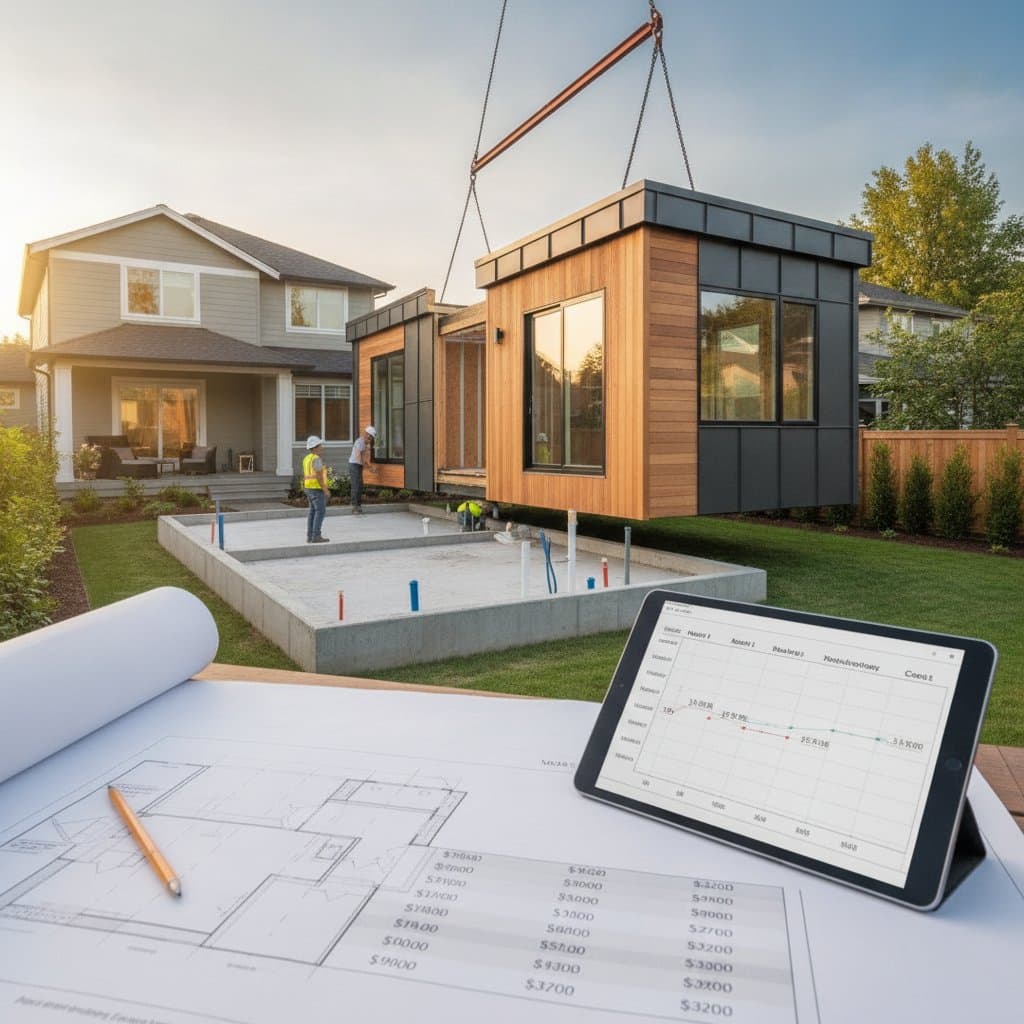
Activities such as clearing vegetation, grading the terrain, and installing a concrete slab or elevated foundation range from $20,000 to $50,000, varying with soil composition, terrain slope, and access constraints. Excavation for plumbing lines and drainage systems extends labor duration and expenses.
Note that inadequate grading risks persistent drainage problems. Professionals should assess and adjust the slope, ensuring proper soil compaction prior to concrete placement.
Ensure the completed foundation achieves levelness within one-quarter inch across the full area to support structural integrity.
4. Framing and Exterior Enclosure
Erecting the frame, installing roofing, and applying exterior finishes account for $40,000 to $80,000. Opting for durable options like fiber cement siding or metal roofing increases upfront costs yet provides superior longevity and reduced maintenance.
Standardized framing techniques accelerate progress, but custom elements may extend timelines. Select materials that align with the primary residence's aesthetic for cohesive property appeal.
Inspect that walls maintain squareness, with the roof fully sheathed and sealed against weather elements before advancing to interior phases.
5. Plumbing, Electrical, and HVAC Systems
Mandatory licensed trades handle all utility installations, with combined costs of $25,000 to $60,000. Expenses escalate based on the distance to the main house utilities and decisions regarding independent metering for water or electricity.
Separate metering facilitates rental viability but requires additional infrastructure. Integrate energy-efficient components, such as low-flow fixtures and LED lighting, to qualify for rebates.
Avoid any alterations to the primary electrical service without certified oversight. Schedule and pass rough-in inspections for all systems prior to enclosing walls.
6. Interior Finishing Elements
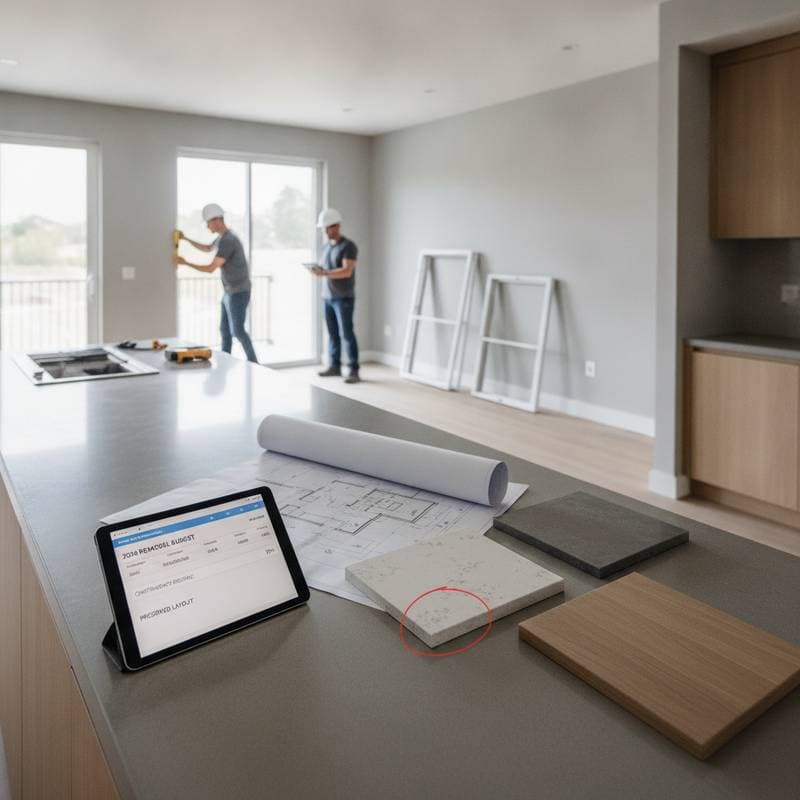
Installing drywall, selecting flooring, outfitting cabinets, applying paint, and adding trim totals $25,000 to $60,000. Premium features like bespoke cabinetry or intricate tile work in bathrooms elevate prices, while mid-tier selections deliver reliable performance without excess expenditure.
Prioritize moisture-resistant materials in kitchens and baths to prevent long-term issues. Coordinate finishes to create a welcoming, functional space that complements the home's style.
Examine that all surfaces appear smooth, fixtures remain firmly attached, and electrical outlets along with switches operate without fault.
7. Landscaping and Exterior Enhancements
Developing access paths, patios, and outdoor lighting adds $5,000 to $15,000. Economical choices include permeable gravel driveways and drought-tolerant native plants, which minimize watering needs and upkeep.
Integrate lighting for safety and ambiance, focusing on solar-powered options where feasible. These elements enhance curb appeal and usability without straining the budget.
Addressing Common Challenges
Projects occasionally encounter hurdles that demand prompt attention:
- Fine cracks in freshly poured concrete arise during curing; address them with flexible sealants to prevent water ingress.
- Reduced water pressure in distant lines may necessitate a booster pump installation for consistent flow.
- Window condensation signals insufficient insulation or ventilation; enhance seals and add exhaust fans as required.
Regular inspections during construction mitigate these issues, ensuring a smooth completion.
Engaging Professional Expertise
Seek a licensed contractor immediately upon detecting:
- Signs of structural shifting or moisture penetration in foundations.
- Frequent electrical circuit interruptions indicating overloads.
- Unusual odors from sewer or gas lines suggesting leaks.
- Intentions to incorporate a second level or extend utility capacities beyond standard scopes.
General contractors typically add 10 to 20 percent of the overall construction budget for oversight and coordination. Verify credentials, including active licensing and comprehensive insurance coverage, through state registries before commitment.
Strategies for Effective ADU Development
Limit the footprint to under 800 square feet to reduce material demands and streamline permitting processes. Employ straightforward roof designs and conventional window dimensions to expedite fabrication and installation.
Request a granular line-item bid from your builder, accompanied by a phased timeline outlining key deliverables. Allocate a 10 percent contingency fund to accommodate unforeseen site conditions or material price fluctuations.
Investigate available rebates for energy-efficient features, such as high-SEER HVAC units or ENERGY STAR appliances, through utility providers and local programs.
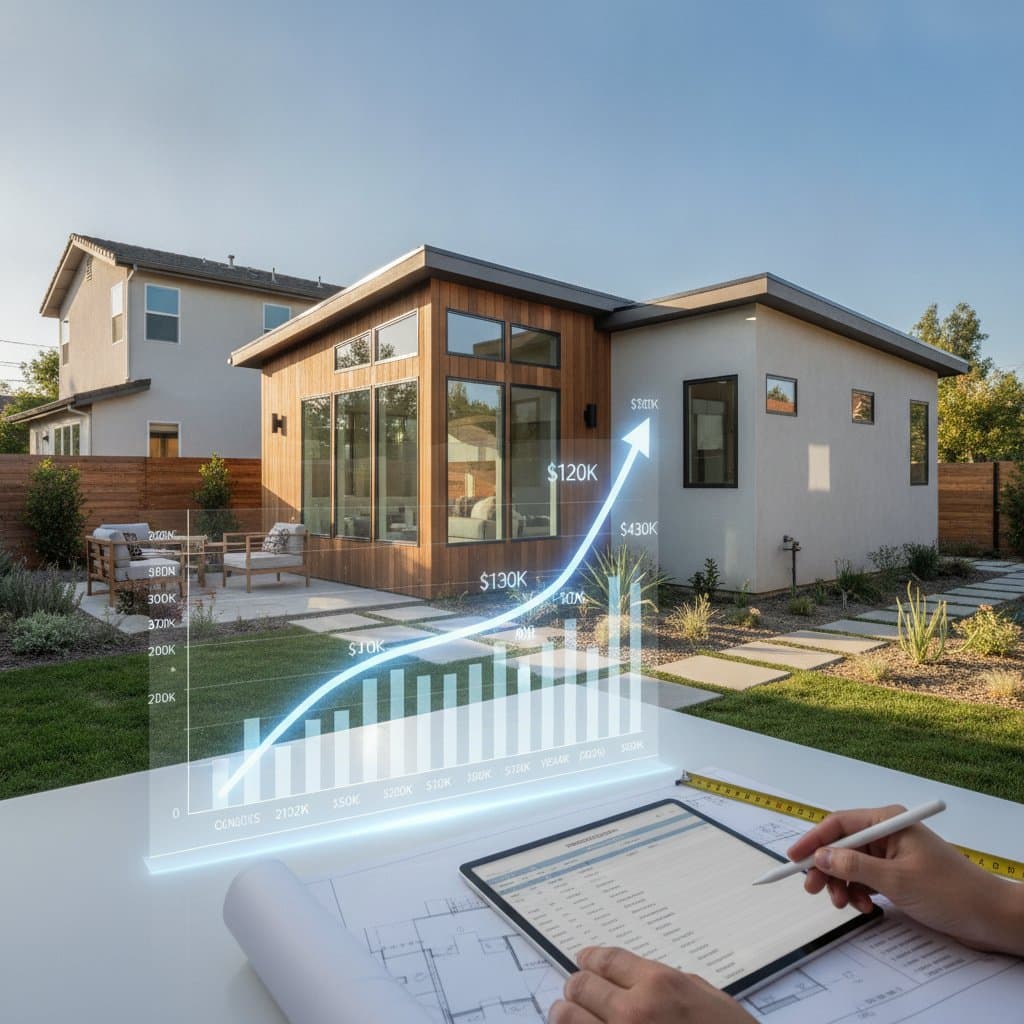
Constructing an ADU demands meticulous preparation and steadfast oversight, yet informed budgeting paired with expert collaboration yields a versatile addition that elevates living options, generates income potential, and boosts long-term property equity.