The Real 2026 Costs for Granny Pods and ADUs
Quick Cost Summary
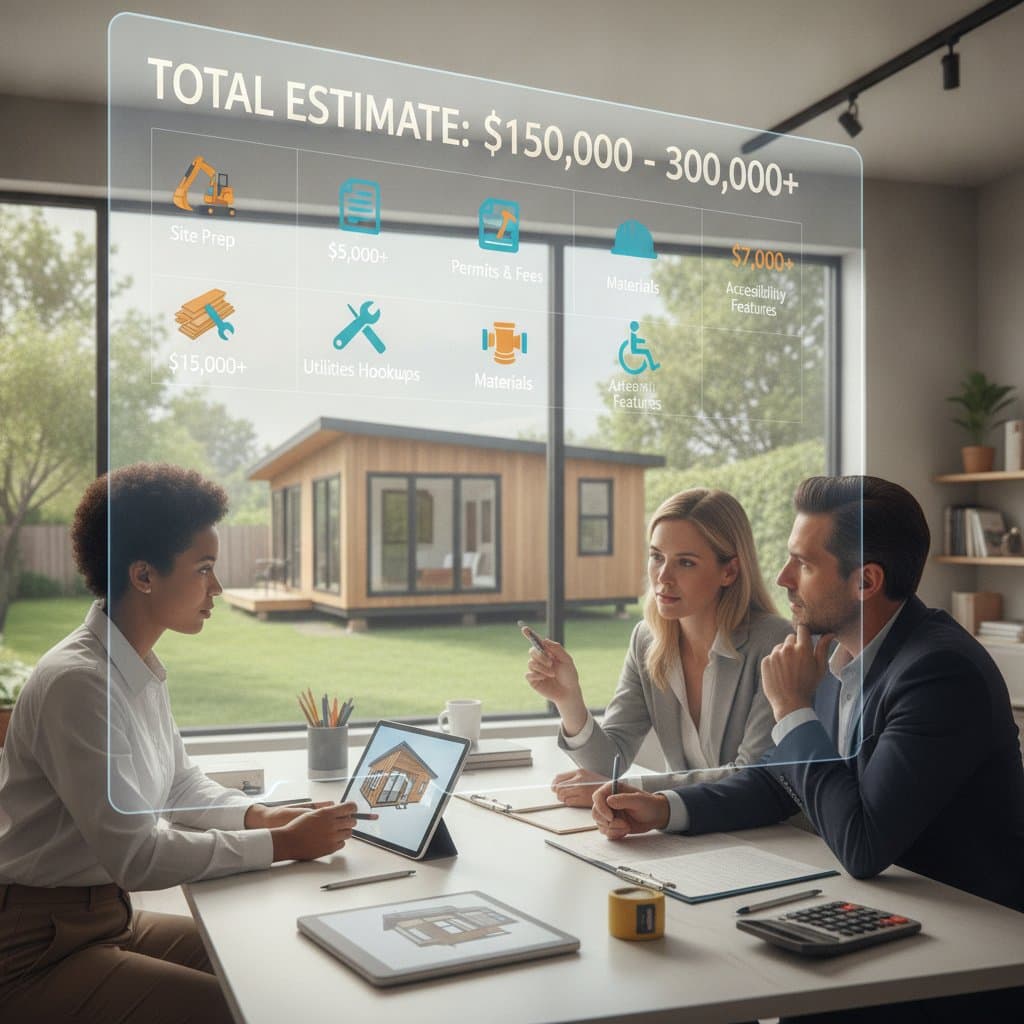
Building a granny pod or accessory dwelling unit (ADU) requires an investment between $110,000 and $320,000 for most homeowners. The average cost reaches approximately $210,000 for a detached backyard unit that features standard finishes and utilities. Smaller attached units or garage conversions begin near $75,000, whereas high-end custom detached ADUs with complete kitchens and luxury finishes surpass $400,000.
Key factors that drive expenses include size, foundation type, utility connections, site preparation, and material selections. Labor constitutes about half of the total project cost. Location and permitting introduce additional variations.
Highlights and Key Insights
- Average cost per square foot falls between $250 and $650, based on structure type and finish quality.
- Detached ADUs incur higher expenses than attached or converted units due to the need for independent foundations and utility connections.
- Prefabricated granny pods reduce construction time, yet site customizations often influence the final price.
- Permitting, design, and impact fees contribute $8,000 to $25,000, varying by local regulations.
- Utility connections represent a frequently overlooked expense, particularly for detached units distant from the primary residence.
Cost by Size or Type
Costs for granny pods or ADUs depend primarily on size and construction method. Homeowners should anticipate the following average ranges.
Detached ADUs
Detached units function as independent structures with dedicated foundations and utilities.
- Size: 400 to 1,000 square feet
- Typical cost: $150,000 to $320,000
- Cost per square foot: $300 to $650
Such units typically incorporate full kitchens, bathrooms, and separate HVAC systems. They provide maximum privacy, although permitting and infrastructure expenses increase accordingly.
Attached ADUs
Attached ADUs connect to the main home by sharing at least one wall.
- Size: 300 to 800 square feet
- Typical cost: $100,000 to $250,000
- Cost per square foot: $250 to $500
These designs leverage existing plumbing and electrical infrastructure, which reduces utility expenses. They suit smaller lots more effectively than detached options.
Garage Conversions or Basement ADUs
Transforming existing spaces offers the most economical approach.
- Size: 250 to 700 square feet
- Typical cost: $75,000 to $180,000
- Cost per square foot: $200 to $400
Expenses hinge on structural alterations, waterproofing, and code compliance. Conversions eliminate foundation and framing costs but demand substantial investments in insulation and ventilation.
Prefabricated Granny Pods
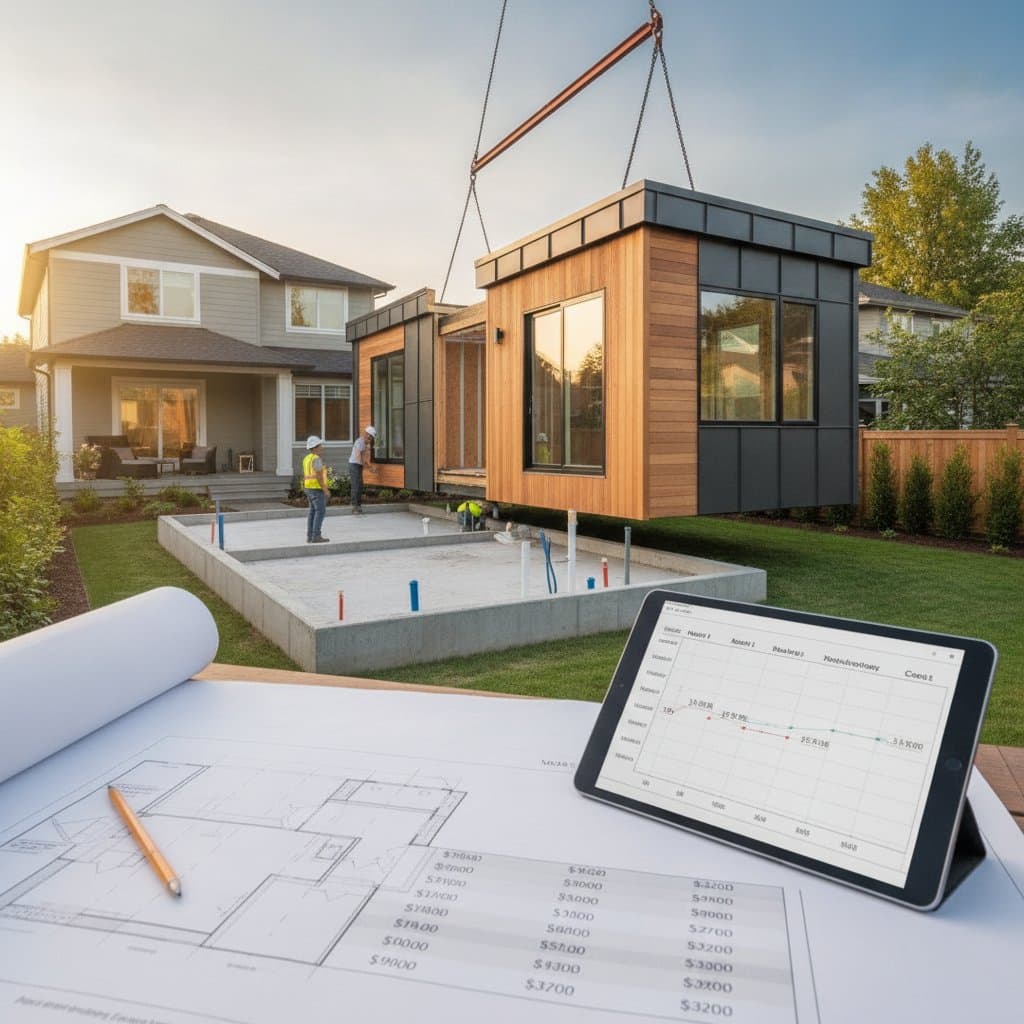
Prefabricated ADUs arrive from factories and undergo on-site assembly.
- Size: 300 to 600 square feet
- Typical cost: $120,000 to $250,000
- Cost per square foot: $275 to $500
Although promoted for affordability, shipping, site preparation, and foundation requirements can elevate overall expenditures. These units perform best on flat terrain with straightforward access for delivery.
Contractor Costs and Professional Options
Labor and contractor fees comprise 45 to 60 percent of the total budget. Engaging a licensed general contractor ranges from $60,000 to $170,000, scaled to project dimensions. This fee covers coordination of trades, inspections, and timelines.
An owner-builder strategy, where the homeowner subcontracts individual trades, cuts general contractor overhead. However, it demands oversight of permits, inspections, and insurance. For complex projects involving foundations, electrical, or plumbing, professional involvement ensures adherence to codes and minimizes rework risks.
Additional Cost Factors
Secondary elements significantly shape the overall expense. Addressing them early establishes accurate projections.
Permits and Design Fees
Requirements differ across jurisdictions.
- Permits and impact fees: $8,000 to $25,000
- Architectural and engineering design: $4,000 to $15,000
Certain regions supply pre-approved plans that lower design costs. Others mandate bespoke drawings and engineering assessments.
Site Preparation
Tasks such as grading, tree removal, and utility trenching range from $5,000 to $40,000, influenced by site conditions. Challenging terrain like slopes or rocky soil may necessitate retaining walls or stabilization measures.
Utility Connections
Linking water, sewer, gas, and electricity for detached units costs $10,000 to $30,000. Expenses vary with distance from main lines and potential upgrades to support increased demand.
Material Choices
Selections for finishes and materials exert substantial influence. Basic options like vinyl siding and laminate flooring control costs, while premium choices such as wood siding, tile, or quartz elevate per-square-foot rates. Midrange materials deliver enduring performance and visual appeal.
Accessibility Features
Granny pods frequently incorporate adaptations for older residents, including wide doorways, ramp access, and support rails. These additions cost $5,000 to $15,000 yet enhance safety and usability over time.
Strategies to Reduce Expenses
Strategic decisions help control costs for granny pods or ADUs.
- Convert existing structures like garages or basements to bypass foundation expenses.
- Opt for straightforward designs, such as rectangular layouts with simple roofs, to simplify construction.
- Select midrange materials that prioritize longevity and low maintenance.
- Position plumbing elements closely to shorten pipe runs and connection fees.
- Serve as project manager by directing subcontractors, assuming familiarity with building codes.
- Explore municipal incentives, including fee waivers or expedited approvals for compliant ADUs.
Return on Investment
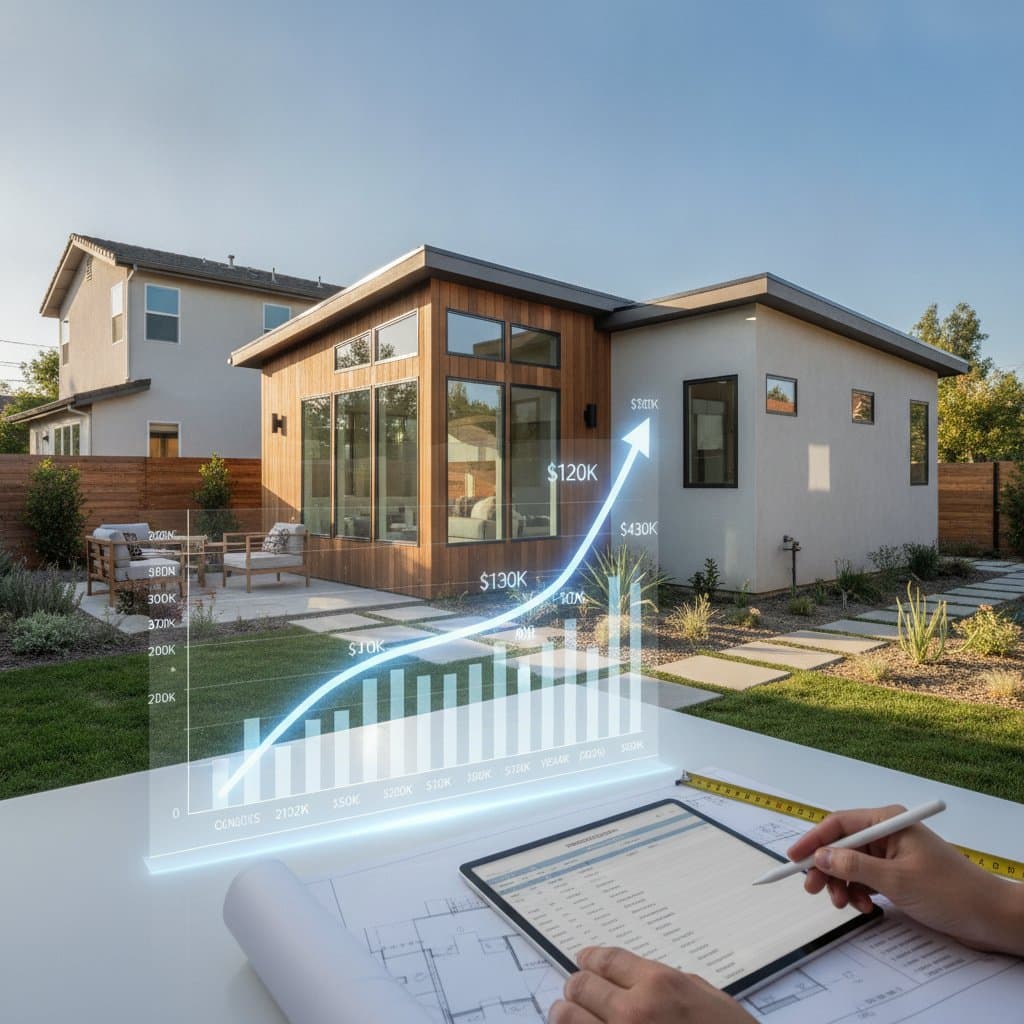
A thoughtfully constructed granny pod or ADU generates solid returns via rental revenue or enhanced property worth. Rental yields often recover 50 to 80 percent of costs, contingent on market rates and tax implications.
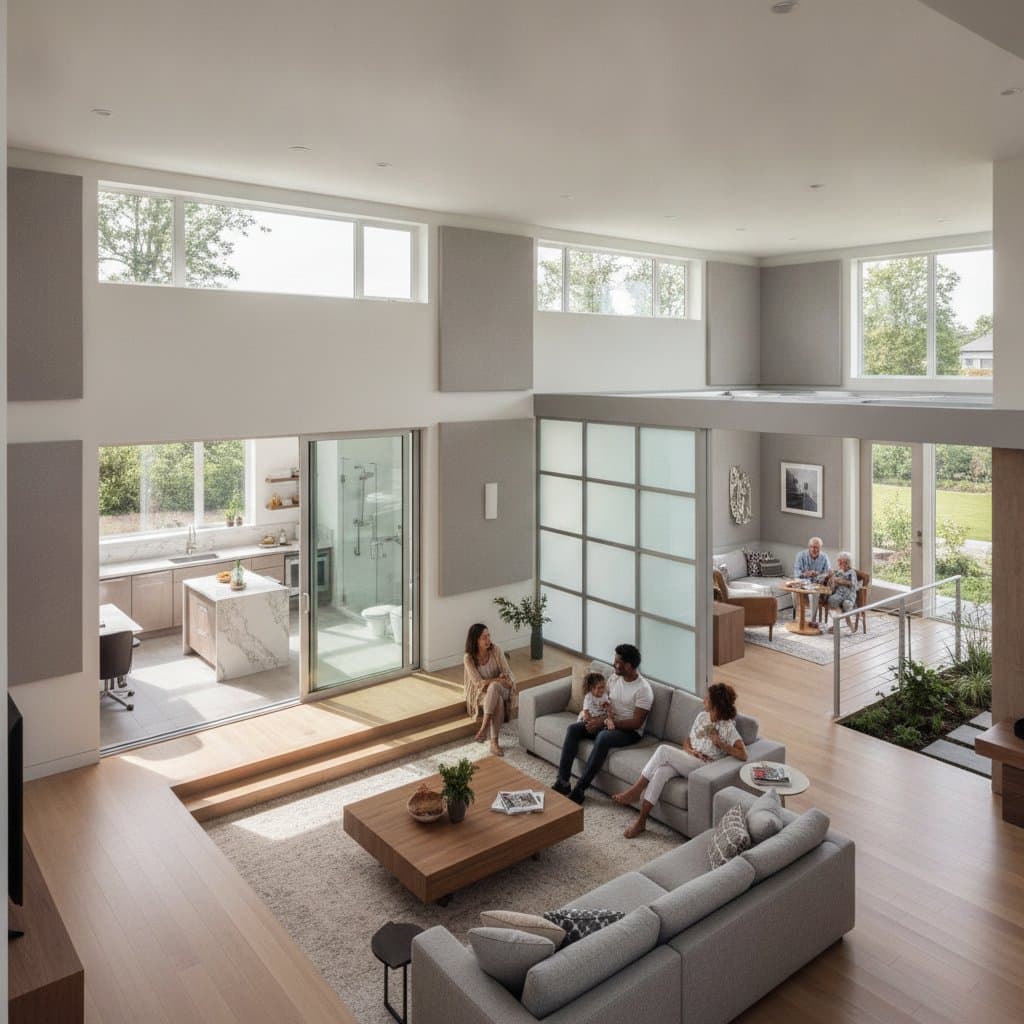
Beyond finances, these units foster adaptability for multigenerational households, accommodating elderly relatives, grown children, or visitors with preserved independence. They also adapt to uses like home offices or permitted short-term rentals.
Quality builds with features such as separate entrances and equipped kitchens boost resale appeal. Unpermitted or substandard work diminishes value, underscoring the importance of regulatory compliance.
Cost Methodology
These figures derive from national averages compiled through contractor bids, industry surveys, and documented homeowner experiences. Per-square-foot estimates encompass materials, labor, and standard regional modifiers for midrange specifications. Variations arise from local economies, design intricacies, and site difficulties. Obtain several bids and verify permitting to align with area-specific figures.
FAQs
How much does a granny pod cost to build?
Most granny pods range from $110,000 to $320,000, influenced by dimensions, site, and selections.
Can you build an ADU yourself?
Homeowners may oversee portions or subcontract trades, but certified experts must execute electrical and plumbing tasks.
What is the cheapest type of ADU?
Garage conversions prove most affordable, commencing around $75,000 for structurally sound spaces.
Do prefab granny pods save money?
They accelerate timelines but seldom reduce costs outright, as site preparations and installations offset gains.
Do granny pods increase home value?
Legal, high-quality ADUs elevate property assessments and unlock rental prospects.
Are permits required for ADUs?
Virtually all areas mandate permits, often with impact fees; verification precedes any work.
How long does construction take?
Projects span four to nine months from planning to occupancy, based on scope and approvals.
Can ADUs be rented out?
Rental is permissible under zoning rules, supporting steady or seasonal income.
Protecting Your ADU Investment
Routine upkeep safeguards the structure and averts major repairs. Conduct yearly checks on roofing, exterior, and foundation integrity. Ensure proper drainage by clearing gutters regularly to mitigate water issues.
For rental use, allocate funds for inter-tenant maintenance and document expenses for tax benefits. Retain records of approvals, guarantees, and evaluations to bolster future sales. These measures sustain the ADU's role in providing enduring flexibility, security, and revenue.