Natural Materials for Biophilic Home Wellness
Home design that prioritizes health, tranquility, and nature starts with the surrounding materials. These elements shape aesthetics while affecting emotions, breathing, and daily life. This guide details how to incorporate wood, stone, clay, and similar organic options to build a biophilic environment that boosts wellness and comfort.
Biophilic Design Fundamentals
Biophilic design links indoor areas to the natural world. It employs materials, textures, patterns, and light inspired by outdoor settings. The aim involves integration rather than imitation, making spaces feel vibrant and harmonious.
Contact with a wooden surface, observation of sunlight on stone, or the sound of nearby water triggers physiological responses. Such interactions reduce stress, sharpen concentration, and anchor routines. Natural materials amplify these effects by stimulating multiple senses simultaneously.
Natural Materials and Their Wellness Impact
Natural materials affect indoor air quality, temperature control, and emotional states. In contrast to synthetic options, they typically include fewer chemicals and develop patina over time rather than deteriorating rapidly.
Certain materials manage moisture by absorbing and releasing it, which stabilizes humidity. Materials like wool or untreated wood offer sound-absorbing qualities that minimize echoes and dampen noise. These attributes foster a more serene atmosphere.
The following sections highlight essential natural materials for biophilic design and wellness, including practical applications.
1. Wood: Warmth and Versatility
Benefits:
Wood evokes the forest and provides organic warmth. Its grains and knots offer visual interest, while the material breathes to regulate humidity and filter air naturally.
Applications:
- Floors and wall paneling
- Ceiling beams or furniture
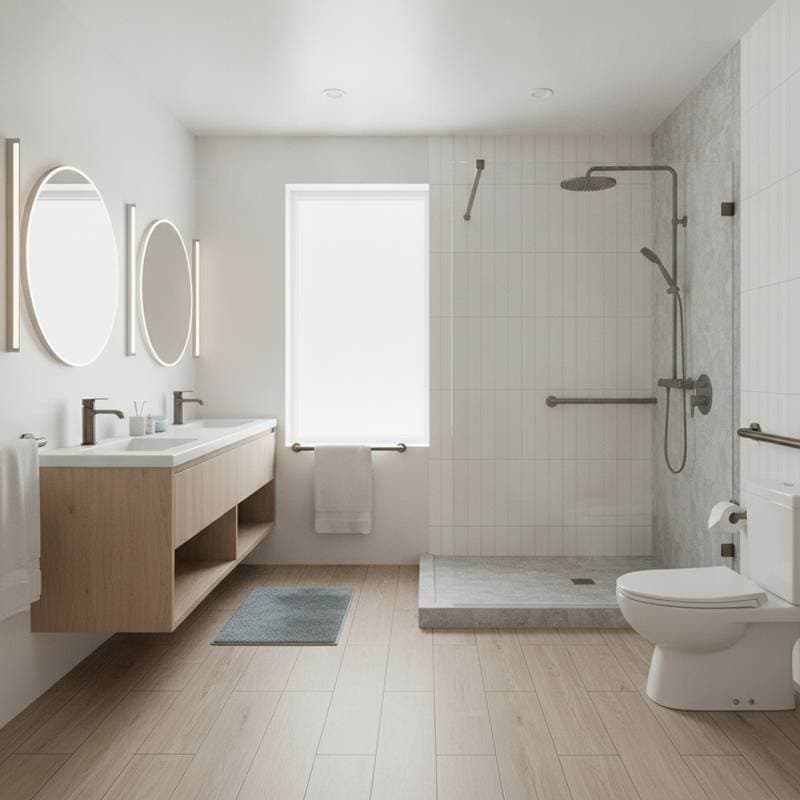
- Cabinetry in kitchens and bathrooms
Pairing Ideas:
Pair light oak with neutral tones for brightness. Dark walnut works with earthy greens and metals. Combine reclaimed wood with stone for texture contrast.
Inspiration:
Wooden accent walls in living rooms create cozy nooks. In bedrooms, built-in wooden shelves display plants, enhancing air purification and visual flow.
2. Stone: Durability and Grounding
Benefits:
Stone links interiors to the earth directly. Its density provides stability and contrasts with softer elements like fabrics and wood. Unique veining imparts artistic variation.
Applications:
- Fireplace surrounds and hearths
- Exterior cladding and entryways
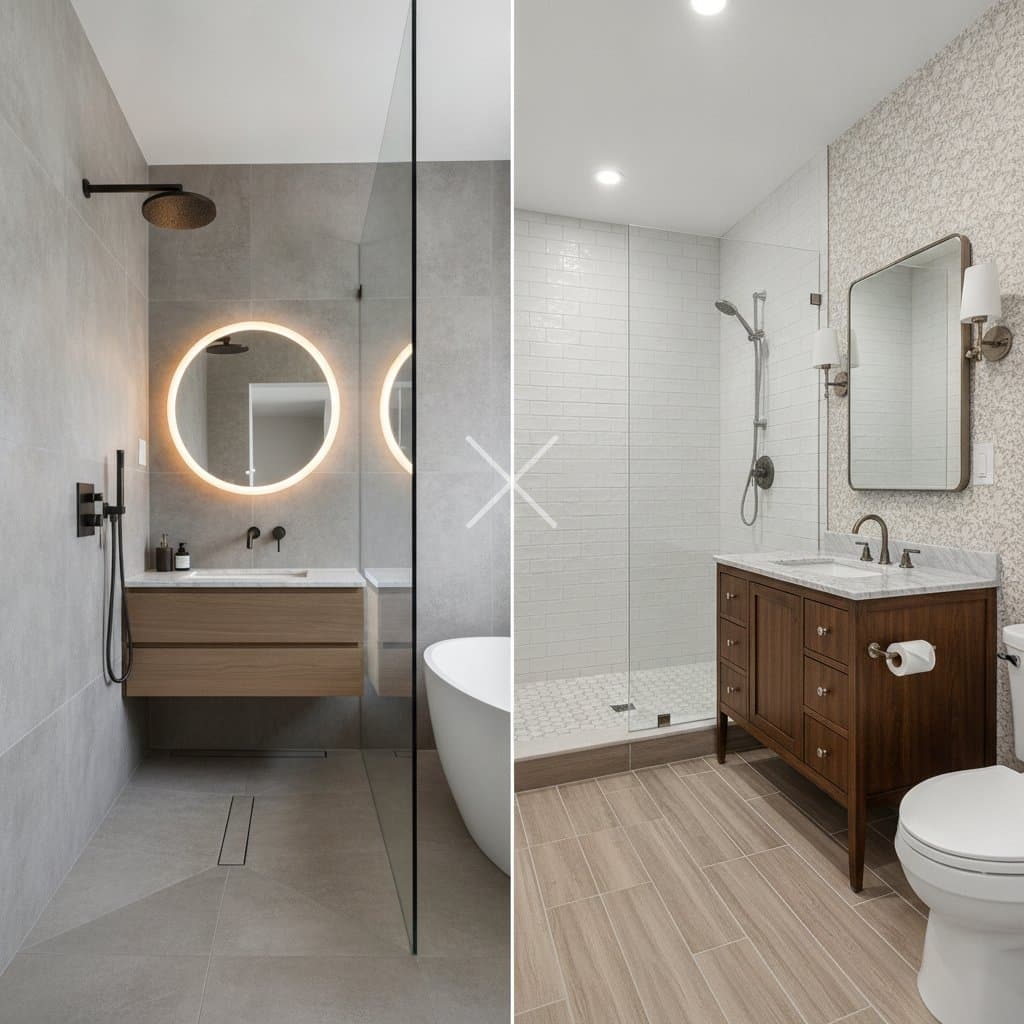
- Kitchen counters or bathroom walls
Pairing Ideas:
Balance cool slate or soapstone with light wood cabinets. Pair limestone or travertine with warm brass or bronze. Soften rough exterior stone with adjacent plants or wood trim.
Inspiration:
A stone wall behind a bathtub forms a spa retreat. In living spaces, a stone column delineates areas without barriers. Local stone walkways ease indoor-outdoor transitions.
3. Clay: Breathability and Texture
Benefits:
Clay promotes air quality through natural porosity, absorbing excess moisture and pollutants. Its earthy tones and subtle textures add depth without overwhelming spaces.
**Applications:**n
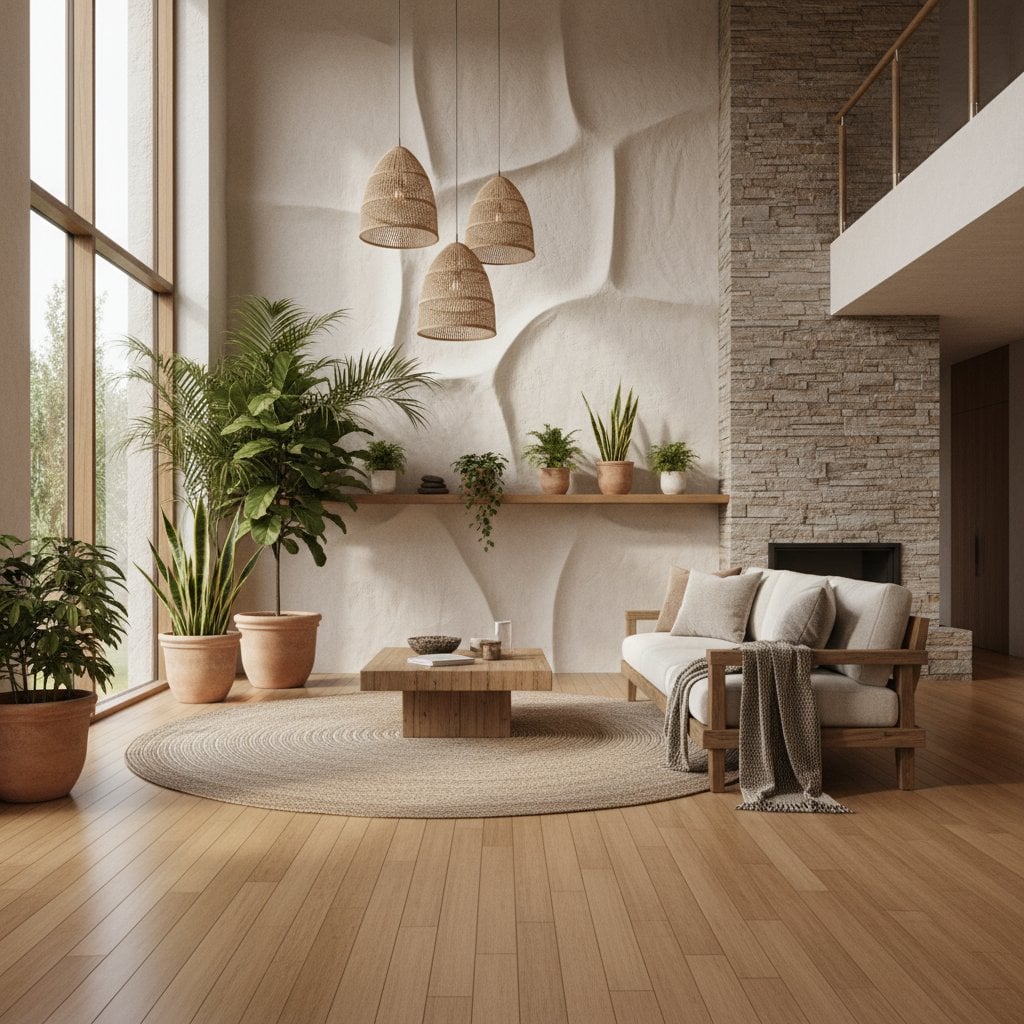
- Plaster walls and finishes
- Tile flooring or backsplashes
- Pottery accents or planters
**Pairing Ideas:**n
Use terracotta clay with woven textiles for rustic charm. Whitewashed clay pairs with bamboo for modern simplicity. Integrate with greenery to highlight organic forms.
Inspiration:
Clay plaster in hallways softens light and acoustics. In dining areas, clay tiles underfoot provide a tactile, grounding surface that complements wooden tables.
4. Bamboo: Sustainability and Strength
Benefits:
Bamboo renews rapidly, offering an eco-friendly choice. Its linear grain delivers a contemporary aesthetic with inherent warmth. The material withstands wear in busy zones.
Applications:
- Flooring and stair treads
- Cabinet doors or wall panels
- Shades or furniture pieces
Pairing Ideas:
Natural bamboo tones suit white walls and plants for serenity. Dark-stained versions fit minimalist setups with black accents. Layer with jute rugs for cohesion.
Inspiration:
Bamboo ceilings in coastal homes evoke lightness. Sliding bamboo screens in sunrooms dissolve boundaries between inside and outside.
5. Plants: Vitality and Purification
Benefits:
Plants actively clean air by removing toxins and adding oxygen. Their foliage introduces movement and color, mimicking outdoor ecosystems.
Applications:
- Hanging planters or shelves
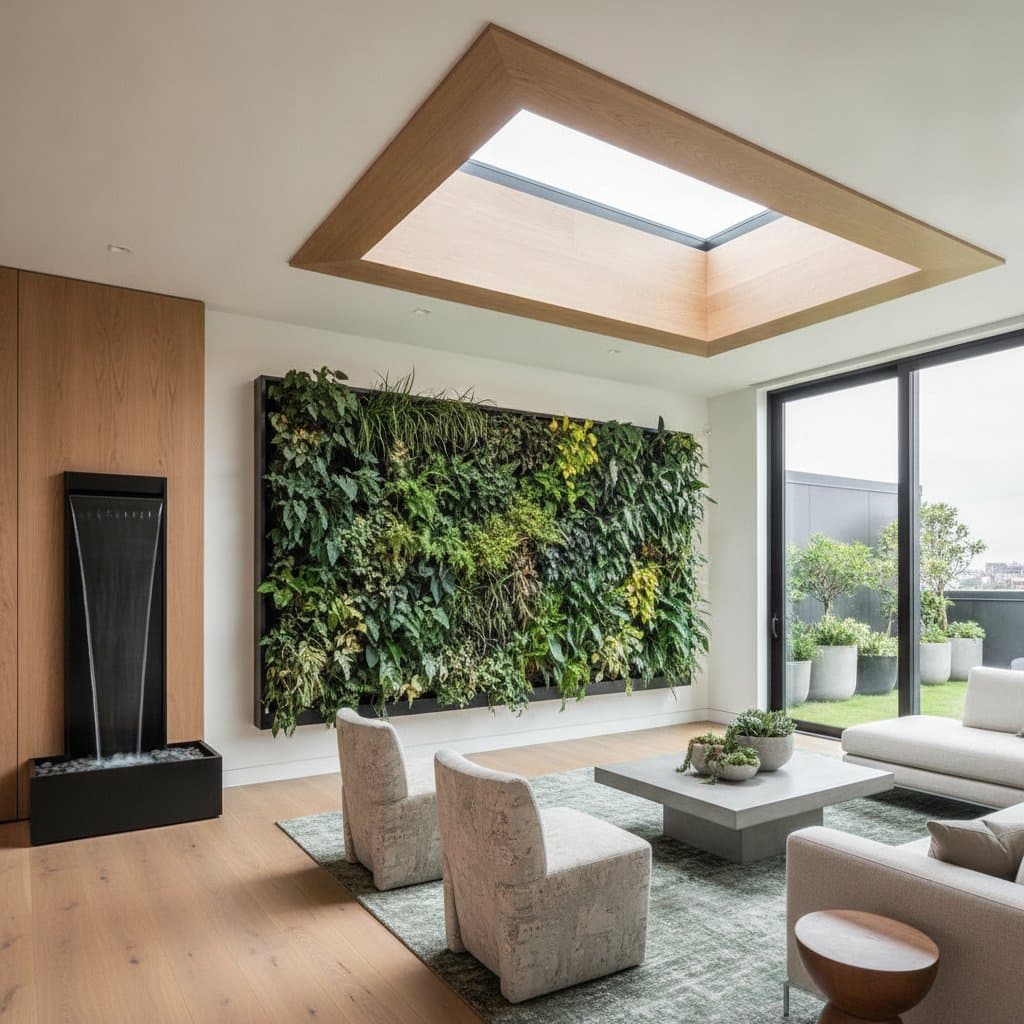
- Vertical gardens on walls
- Potted arrangements in corners
Pairing Ideas:
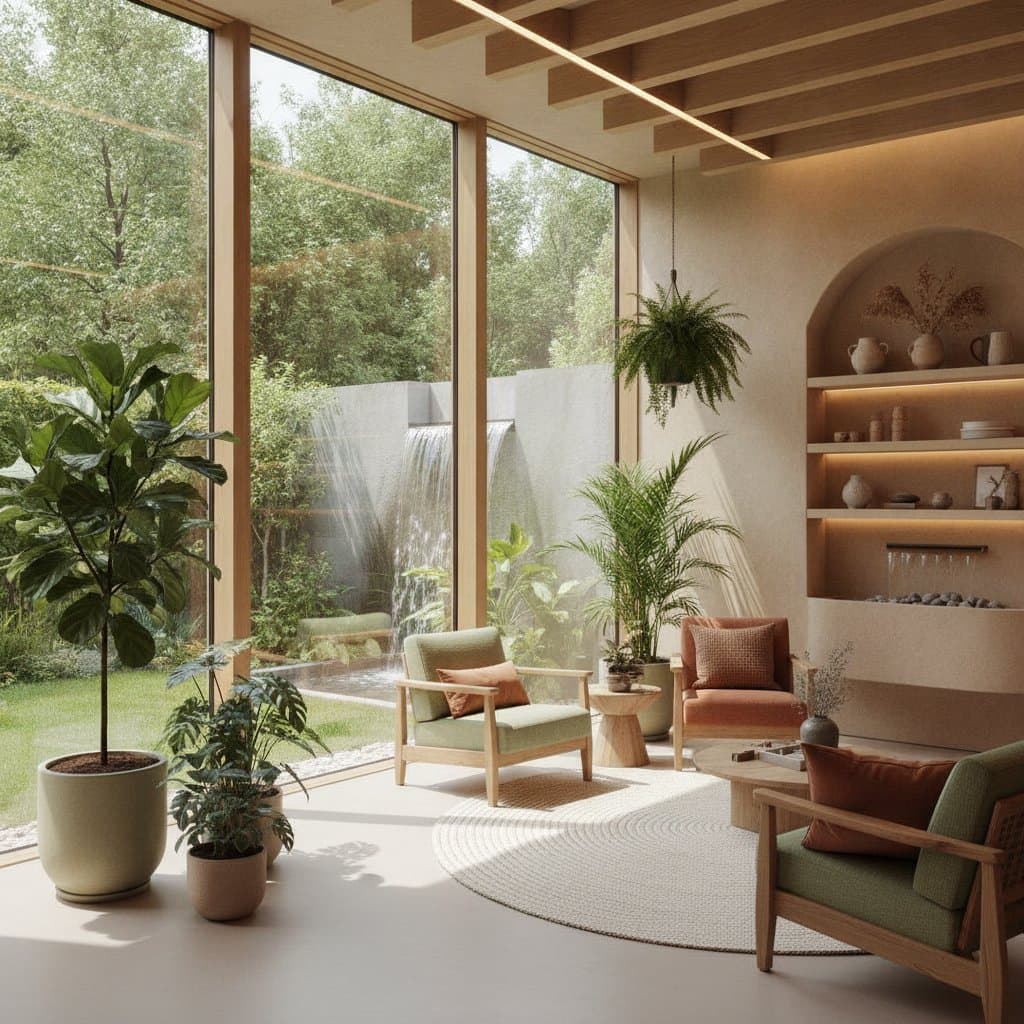
Group low-light ferns with wooden stands. Pair succulents with stone vessels for contrast. Use trailing ivy near windows to frame views.
Inspiration:
A plant wall in entryways welcomes with freshness. In offices, desk plants like snake plants improve focus and air circulation.
6. Water Features: Serenity and Flow
Benefits:
Water's sound and shimmer affect mood and attention. Compact features replicate natural water sources, infusing rhythm into static areas.
Applications:
- Fountains by entrances
- Wall-mounted indoor displays
- Visible reflecting pools
Pairing Ideas:
Pair with stone basins or metal for definition. Surround with plants to amplify nature. Manage interior moisture with ventilation.
Inspiration:
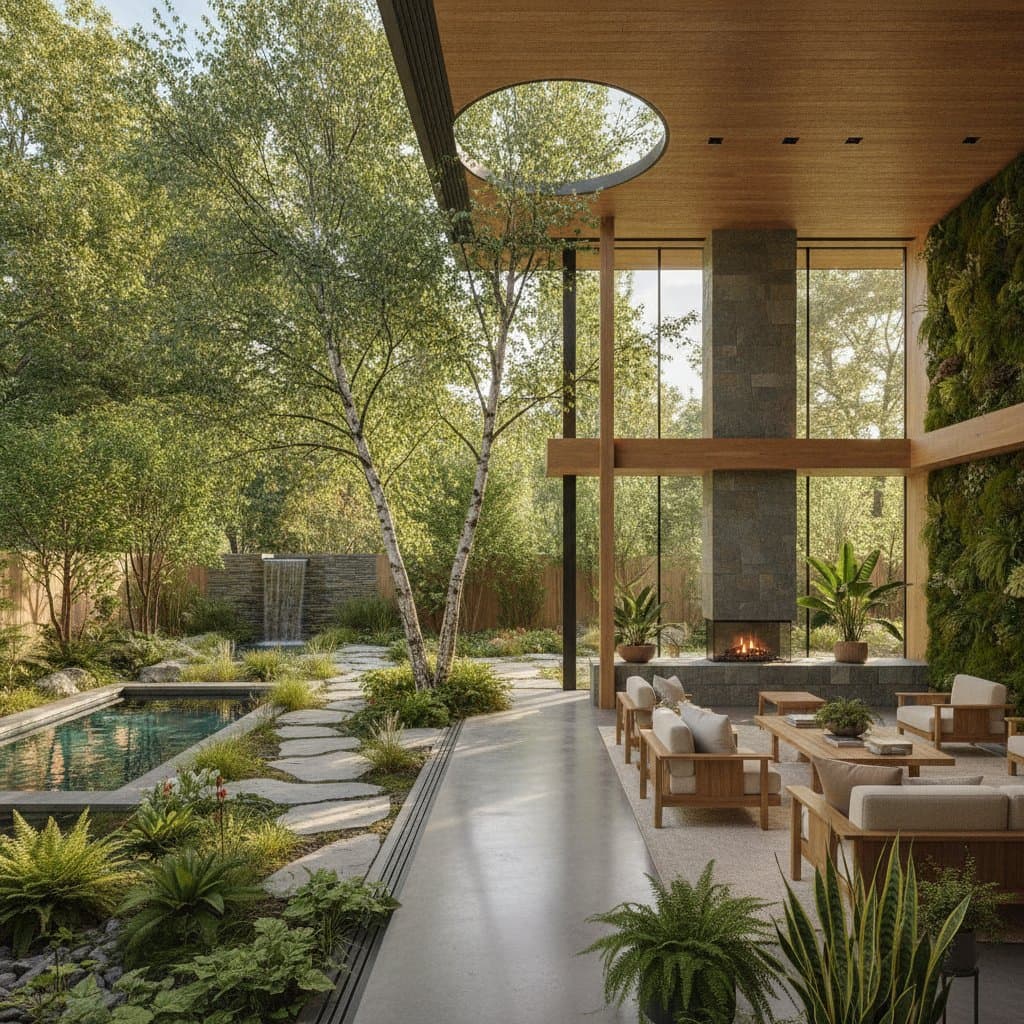
A planted courtyard fountain eases public-to-private shifts. A hallway water wall offers soothing motion and noise masking.
7. Fabrics: Softness and Acoustics
Benefits:
Natural fabrics like wool and linen absorb sound and regulate temperature. They introduce tactile comfort and prevent static buildup.
Applications:
- Upholstery and curtains
- Rugs and throws
- Wall hangings
Pairing Ideas:
Wool rugs ground wooden floors. Linen drapes soften stone walls. Mix patterns with solid neutrals for balance.
Inspiration:
Layer wool blankets in reading nooks for coziness. Sheer linen panels diffuse light in bedrooms, promoting restful sleep.
8. Natural Light: Illumination and Rhythm
Benefits:
Light shapes texture, hue, and ambiance. Natural exposure aligns with biological clocks, aiding sleep and mood stability.
Applications:
- Expansive windows or skylights
- Clerestory openings
- Patio-connecting glass doors
Pairing Ideas:
Matte surfaces diffuse light gently. Light oak floors with white walls maximize glow. Sheer fabrics temper direct sun.
Inspiration:
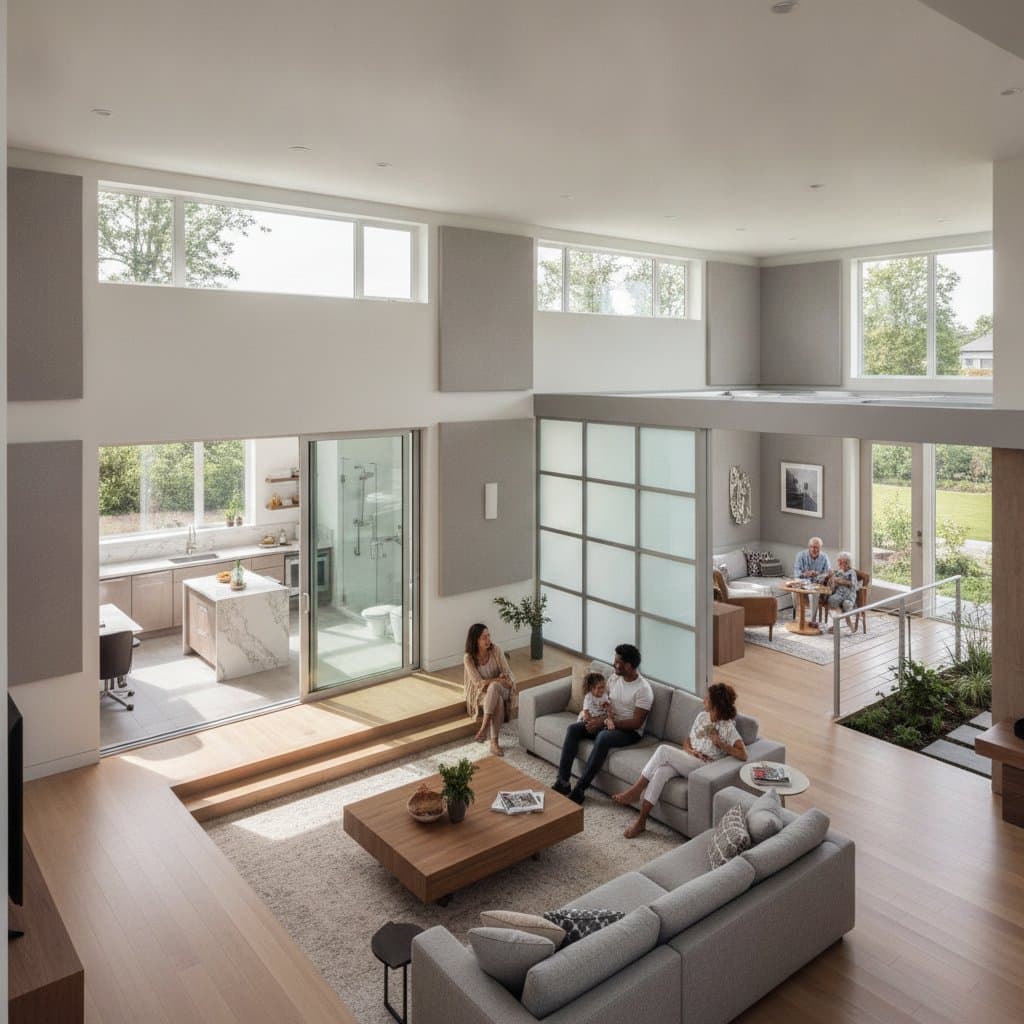
Aligned windows in open plans guide views outward. Light through wooden slats creates shifting patterns tied to daily cycles.
Incorporating Materials in Renovations
Treat materials as integrated components during renovations, focusing on both form and utility. Select placements where they yield maximum impact.
- Entrances: Stone flooring ensures longevity; wood details ease outdoor transitions.
- Living Rooms: Wood ceilings, fabric seating, and plants vary sensations.
- Kitchens: Stone surfaces with bamboo storage blend cleanliness and nature.
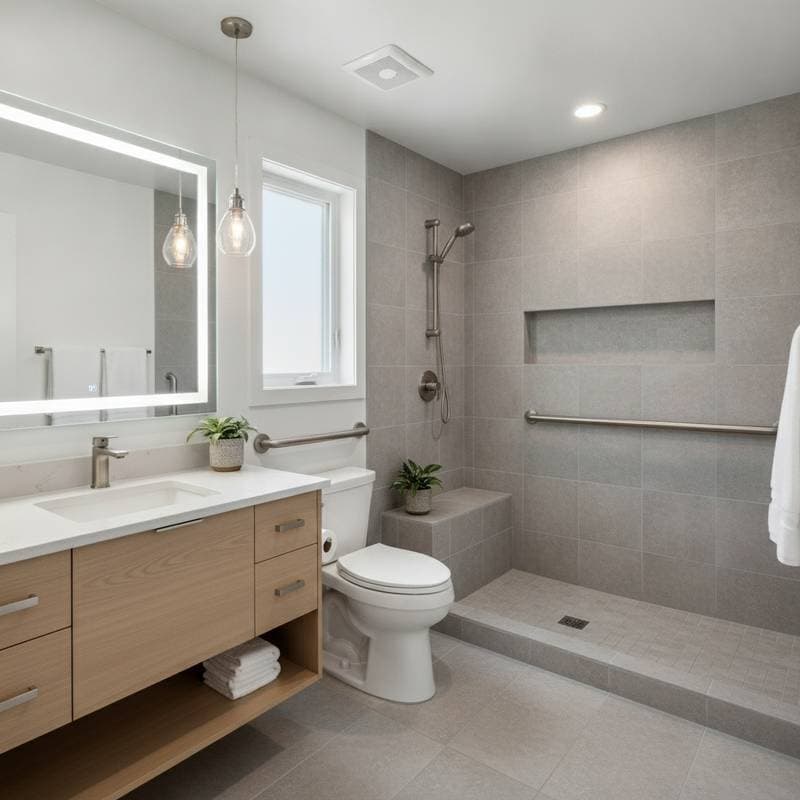
- Bathrooms: Clay walls and stone tiles manage humidity effectively.
- Bedrooms: Wool flooring, cotton linens, and gentle light cultivate peace.
Prioritize lighting, airflow, and layout alongside materials. Align views to landscapes and select colors that mirror surroundings for stronger environmental bonds.
Sustaining Biophilic Spaces
With materials installed, daily life gains nuanced enhancements. Sunlight traces plaster textures; wood aromas strengthen post-rain.
Maintain alignment through these practices:
- Preserve breathable surfaces, avoiding moisture-trapping synthetics.
- Rotate plant displays with seasons.
- Opt for natural fibers in updates over plastics.
- Embrace patina for authentic character.
Such routines align homes with natural rhythms, preserving tranquility.
Evolving with Natural Materials
Lifestyle shifts find support in adaptable materials. Refinish wood, reseal stone, or refresh fabrics as needed. Their durability promotes sustainability by minimizing replacements.
For updates, layer additions like clay walls over existing wood floors or wool rugs for added warmth. Each layer deepens nature's presence without discord.
Implementing Biophilic Changes
Build a biophilic home through deliberate steps. Assess responses to current light, touch, and sound. Target synthetic swaps or sensory enhancements.
Collaborate with experts versed in construction and material dynamics. They guide on insulation, moisture, and protective finishes that safeguard health and aesthetics.
These decisions yield enduring wellness benefits. A natural material-focused home transcends shelter, becoming a nurturing space for equilibrium, awareness, and rejuvenation.