Understanding Prefab ADUs and Their Cost Advantages Over Traditional Builds
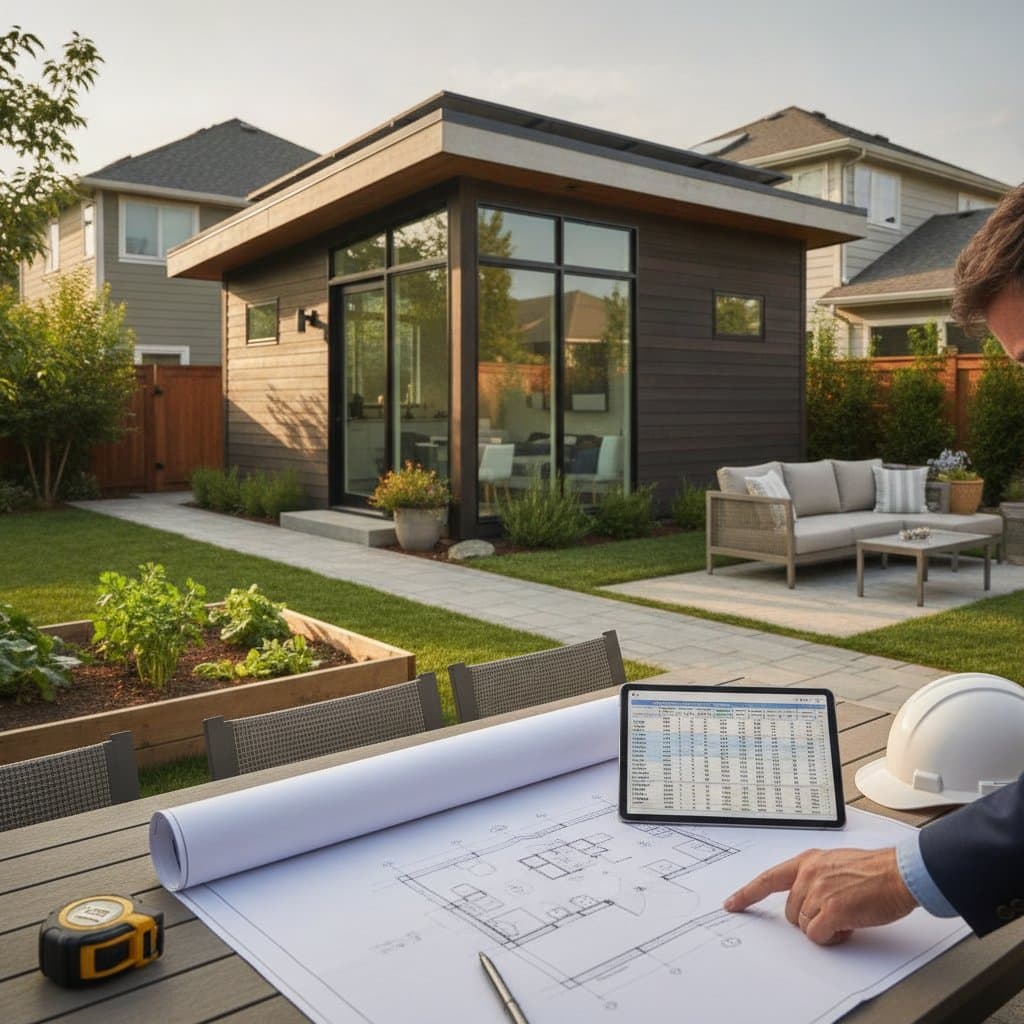
Prefab accessory dwelling units represent a modern solution for expanding living space on residential properties. These units, often installed in backyards or side yards, function as studios, guest houses, or rental spaces. Unlike traditional construction, which involves on-site assembly of materials, prefab ADUs arrive as pre-assembled modules from factories, minimizing labor and material waste.
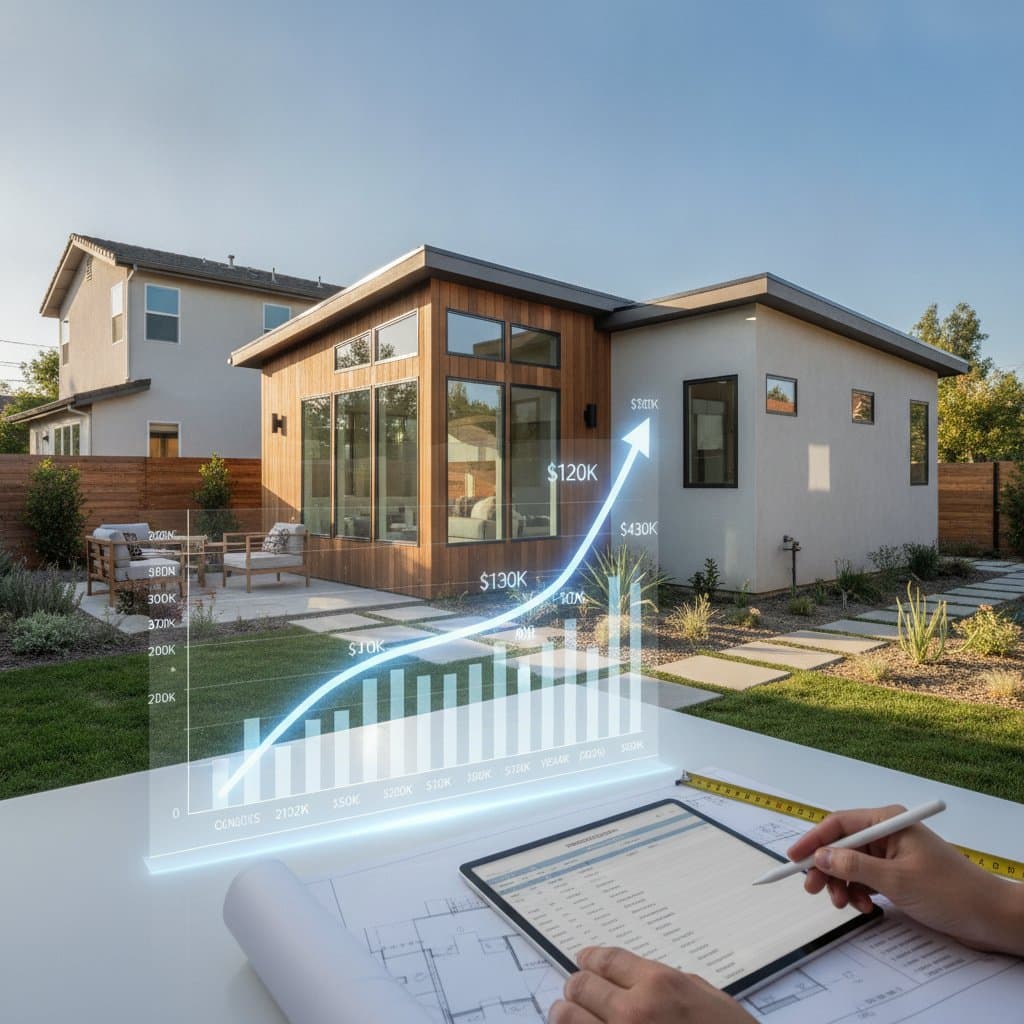
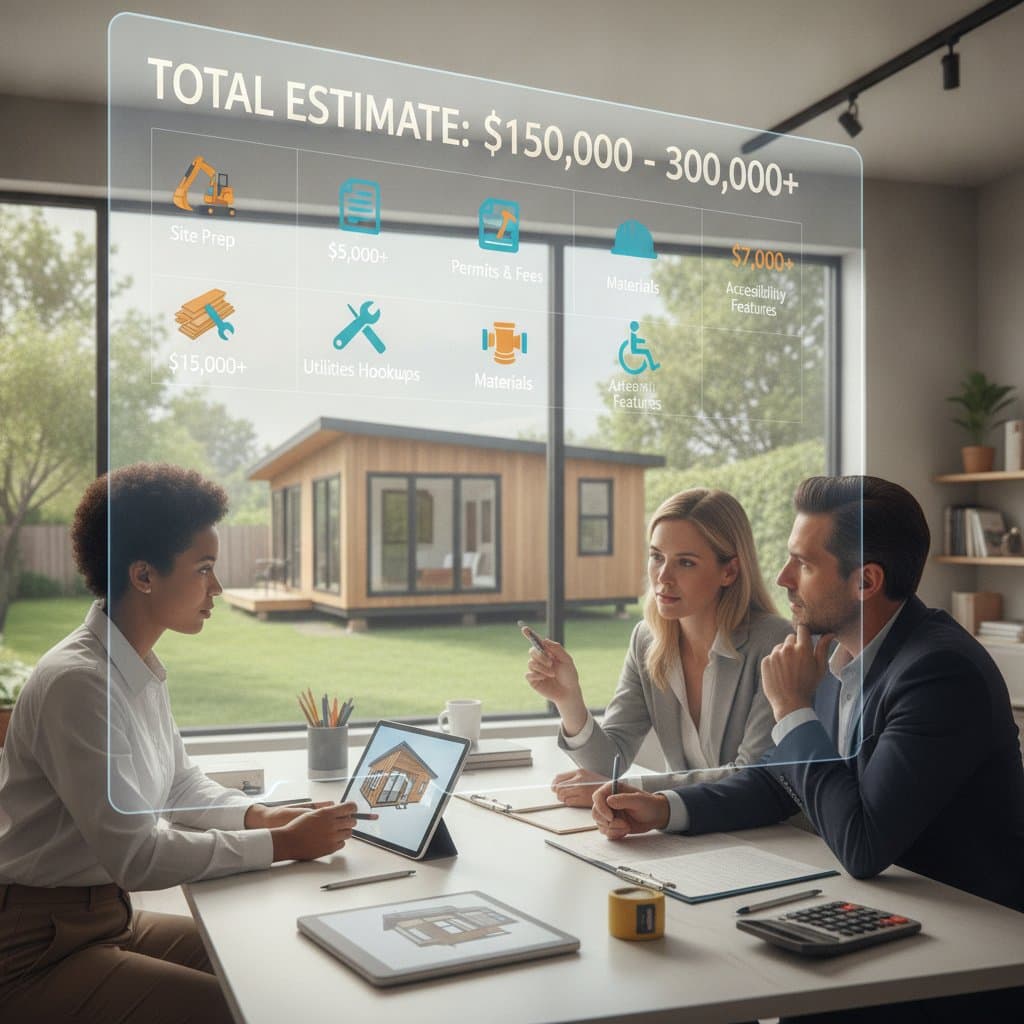
The primary appeal lies in substantial cost savings. Traditional ADU builds typically range from $150,000 to $300,000, depending on size and location, due to extended labor hours and weather delays. In contrast, prefab options often cost between $75,000 and $150,000 for similar square footage, achieving reductions of nearly 50 percent through streamlined manufacturing and quicker installation.
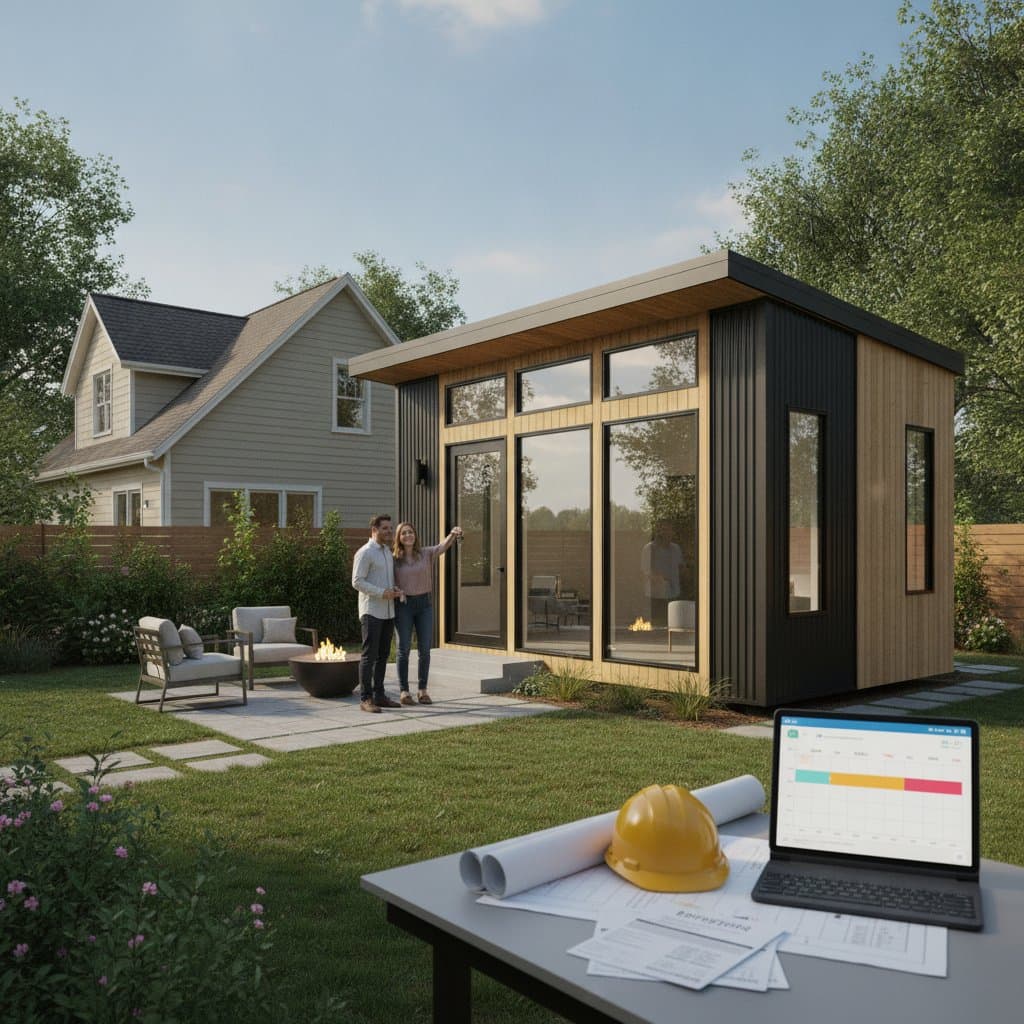
Timelines further enhance the value. A traditional project may span six to twelve months, while prefab ADUs complete in four to eight weeks from order to occupancy. This efficiency allows homeowners to realize benefits sooner, such as rental income or family accommodations, without prolonged disruption.
Key Differences from Traditional Construction
Prefab ADUs utilize factory-controlled environments to ensure precision and quality. Components like walls, roofs, and interiors assemble under optimal conditions, reducing errors that plague on-site work. Materials arrive ready for integration, which cuts down on transportation and storage needs.
Traditional builds rely on sequential tradespeople, leading to coordination challenges and potential rework. Prefab methods integrate systems like plumbing and electrical during manufacturing, simplifying final connections. This approach not only lowers costs but also improves energy efficiency through standardized insulation and sealing techniques.
Homeowners benefit from customizable designs without custom pricing premiums. Many manufacturers offer modular options in sizes from 200 to 800 square feet, with features like kitchens or bathrooms included. Selecting a prefab unit aligns with zoning laws in many areas, where ADUs support housing density goals.
Cost Breakdown and Timeline Expectations
Initial costs for prefab ADUs include the unit price, foundation, utilities, and permits. A basic 400-square-foot unit starts at $80,000, excluding site work. Foundations add $10,000 to $20,000, while utility extensions range from $5,000 to $15,000 based on distance from the main home.
Permitting fees vary by locality but average $2,000 to $5,000. Total project costs rarely exceed $150,000, compared to traditional equivalents that often surpass $200,000. Financing options, such as home equity loans, apply similarly, with prefab's lower price easing approval.
Construction timelines break into phases: planning and permitting take two to four weeks, manufacturing one to three months, and on-site installation one to two weeks. Delays occur from supply chain issues or weather, but factory production remains unaffected. Homeowners should factor in a buffer for inspections, which ensure code compliance.
DIY Opportunities Versus Professional Requirements
Tasks Suitable for DIY
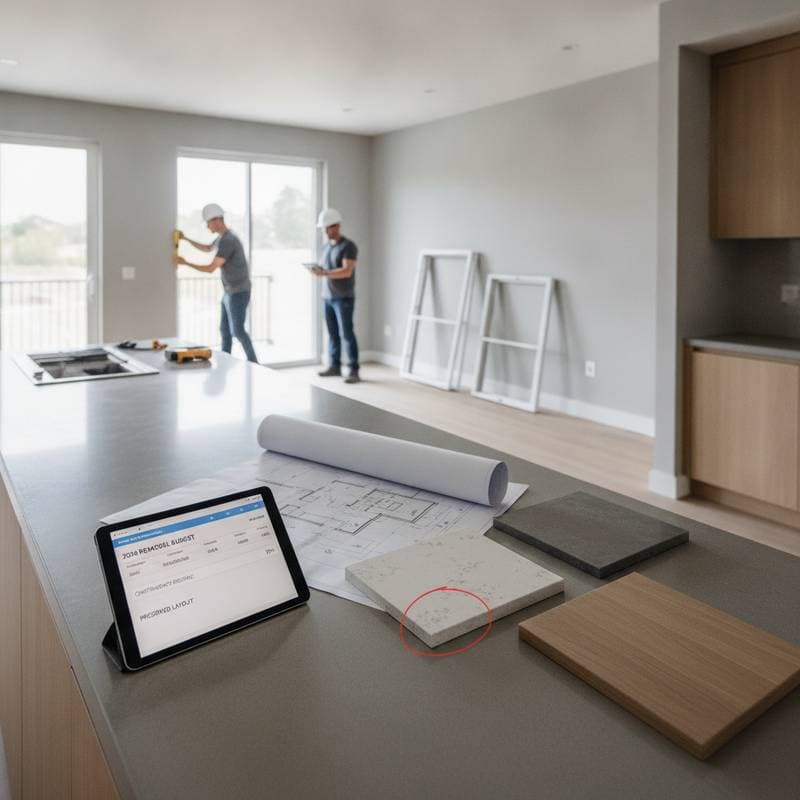
Certain aspects of prefab ADU projects suit experienced homeowners. Site preparation involves clearing vegetation, leveling the ground, and marking utility paths, which requires basic tools like shovels and levels. This phase prevents future issues like uneven settling.
Simple foundation work, such as pouring a concrete slab, becomes feasible with prior construction knowledge. Interior finishes, including painting walls, installing laminate flooring, and adding trim, allow personalization after the unit placement. These efforts reduce overall expenses by 10 to 20 percent, equaling $8,000 to $30,000 in savings.
DIY participants must consult local codes to avoid violations. Resources like manufacturer guides provide step-by-step instructions, emphasizing safety and measurements. Completing these tasks builds confidence and fosters a sense of ownership in the project.
Essential Professional Involvement
Complex elements demand licensed experts to maintain safety and legality. Electrical connections to the primary residence or grid require certified electricians to handle wiring, panels, and grounding. Plumbing integrations, including water lines and drainage, follow strict health standards.
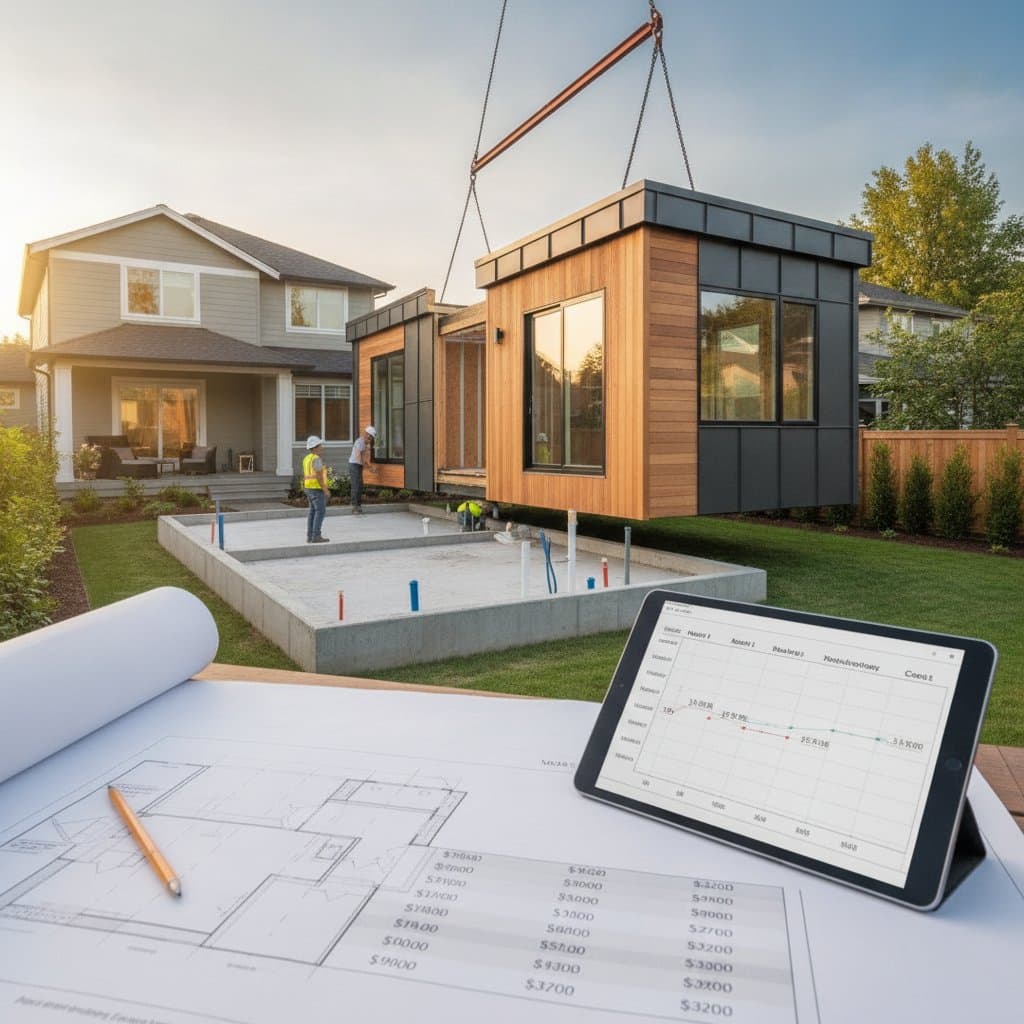
Structural tasks, such as craning the prefab module onto the foundation, involve heavy equipment operators. Professionals secure permits and oversee inspections, providing engineered plans that satisfy building officials. Engaging a contractor adds $20,000 to $50,000, yet guarantees warranties and insurance protection.
Select contractors through verified credentials. State licensing ensures adherence to regulations, while bonding covers potential damages. This investment prevents costly errors, such as improper load-bearing setups that could compromise the structure.
Safety Protocols During Installation
Safety forms the foundation of any prefab ADU project. Before electrical work, shut off power at the main breaker to eliminate shock risks. Verify disconnections with a voltage tester.
Heavy prefab components pose lifting hazards, even for smaller sections weighing hundreds of pounds. Employ mechanical aids like cranes or hoists, and coordinate with trained crews. Personal protective equipment, including gloves, safety glasses, and steel-toed boots, protects against injuries from sharp edges or falling debris.
During crane operations, establish a clear perimeter to exclude unauthorized individuals. Post-installation, test ground-fault circuit interrupter outlets and install smoke and carbon monoxide detectors. These measures comply with codes and safeguard occupants from the outset.
Installation Process: From Site Prep to Final Setup
Begin with thorough site assessment. Survey the property for setbacks, slopes, and utility access to determine the ideal location. Obtain soil tests if the ground shows instability, informing foundation choices.
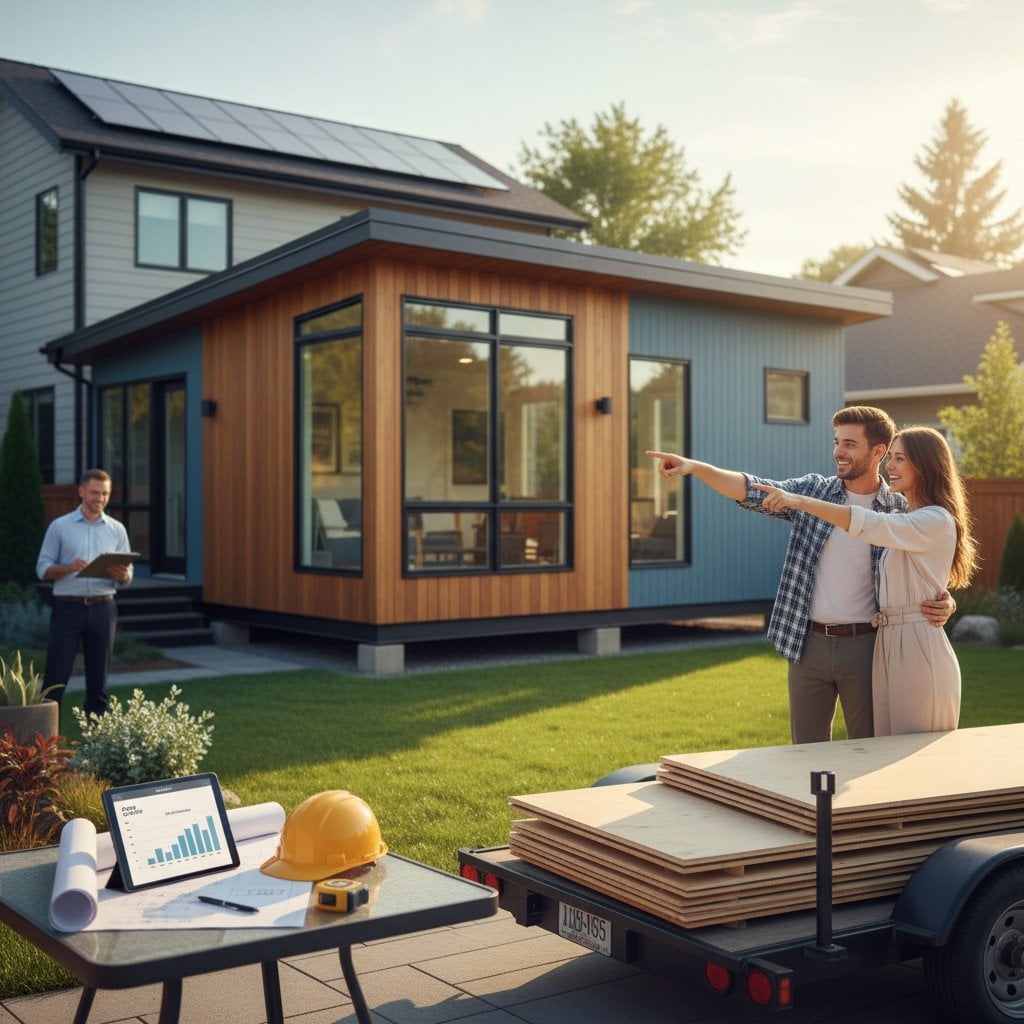
Prepare the foundation next, opting for piers in uneven terrain or slabs for flat areas. Professionals pour and cure concrete, ensuring level surfaces. Once ready, the delivery truck arrives with the module, positioned by crane within hours.
Connect utilities swiftly: electricians wire power, plumbers link pipes, and specialists handle HVAC if included. Interior setup follows, with DIY touches added last. Schedule inspections at key stages to confirm progress and avoid rework.
Post-Installation Cleanup and Site Restoration
After placement, address debris systematically. Clear excess soil, concrete remnants, and packing materials to maintain a tidy workspace. Separate recyclables like metal framing and wood panels for environmental responsibility.
Transport non-recyclable waste to approved facilities, documenting volumes if local rules require it. Restore the surrounding landscape with grading to direct water flow and planting to stabilize soil. These steps prevent erosion and enhance curb appeal.
Final walkthroughs identify any adjustments, such as sealing gaps or aligning doors. Proper cleanup extends the site's usability and prepares for occupancy.
Ongoing Maintenance and When to Seek Help
Regular upkeep preserves the prefab ADU's value. Inspect foundations annually for cracks exceeding a quarter-inch, which signal settling issues. Monitor electrical systems for flickering lights or warm outlets indicating faults.
Address plumbing promptly: drips or low pressure suggest leaks beneath the slab. After storms, check for shifts in the structure due to soil movement. These proactive checks, performed seasonally, avert major repairs.
Call professionals for significant problems. Foundation fixes cost $5,000 to $15,000, electrical diagnostics $500 to $2,000, and plumbing resolutions $1,000 to $4,000. Use a contractor checklist: confirm licenses, insurance, warranties, references, and detailed bids.
Strategies for a Successful Prefab ADU Project
Strategic planning optimizes outcomes. Map utility paths early to minimize excavation expenses, potentially saving $5,000 in trenching. Partner with manufacturers offering permitting support to streamline approvals.
Secure permits before ordering to avoid storage fees for undeliverable units. Prioritize energy-efficient elements, such as double-pane windows and high-R-value insulation, reducing utility bills by 20 to 30 percent annually. Maintain organized records of all documentation for future reference or resale.
A thoughtfully executed prefab ADU delivers enduring benefits. It expands living options affordably, complies with regulations, and withstands time through diligent care. Homeowners gain versatile space that enhances property value and lifestyle flexibility for years ahead.