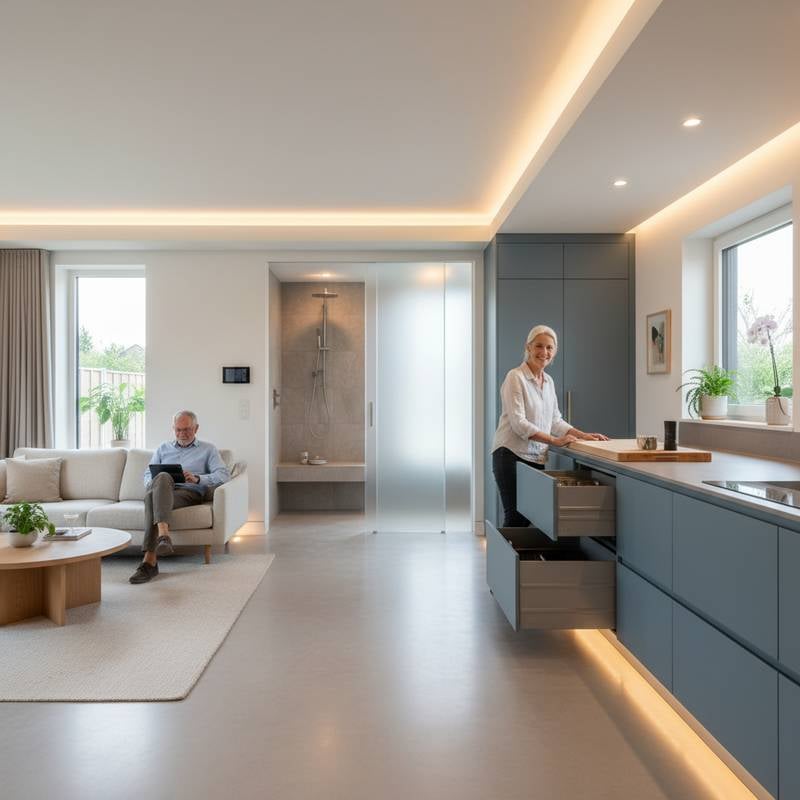
2025 Costs: Making Your Home Age-Proof with Universal Design
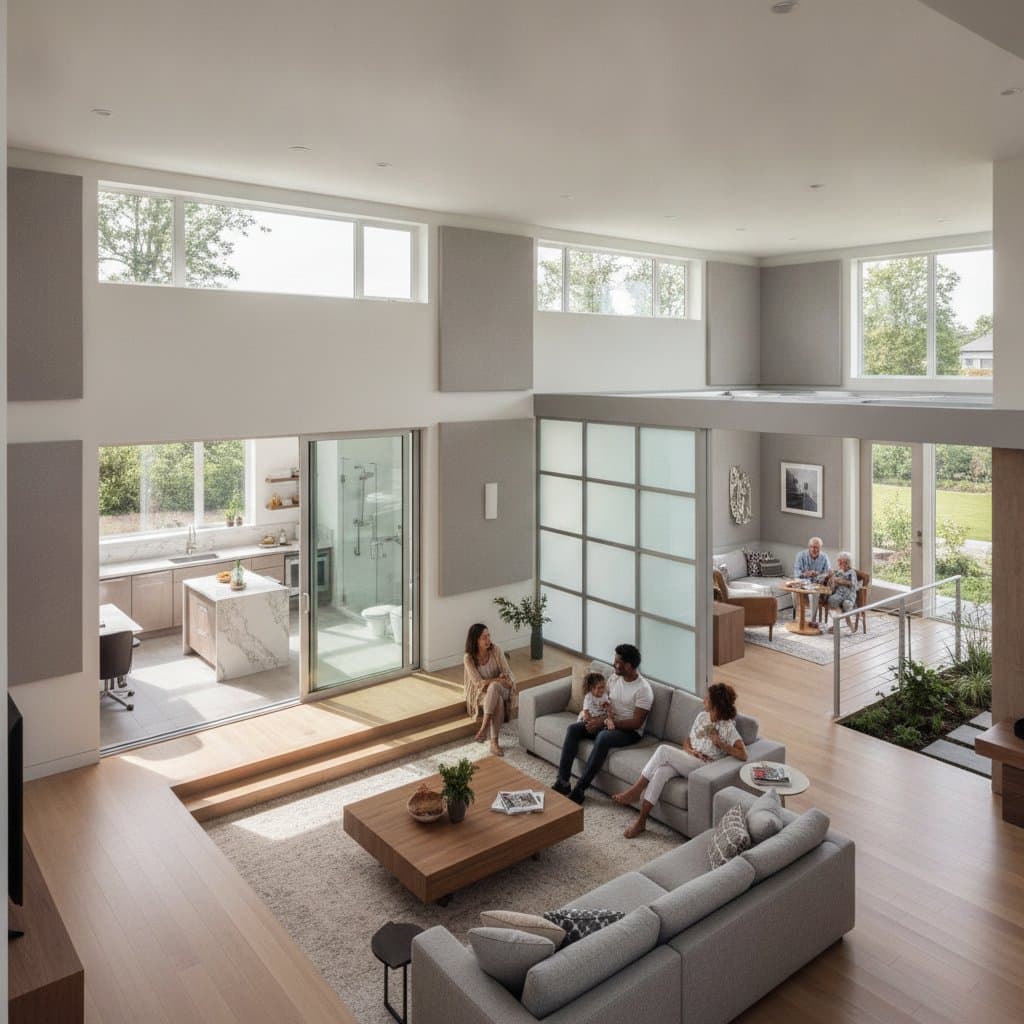
Aging in place ranks as a primary objective for numerous homeowners seeking sustained comfort and independence amid evolving needs. Universal design facilitates this goal through principles centered on accessibility, safety, and usability for individuals across all ages and abilities. Whether pursuing modest updates or comprehensive renovations, a clear grasp of associated costs enables effective budgeting and informed design choices.
Quick Cost Summary
Universal design renovations generally range from $9,000 to $90,000, influenced by project scale and targeted areas. The average expenditure for a moderate whole-home enhancement, encompassing accessible bathrooms, expanded doorways, and enhanced lighting, totals approximately $45,000.
Key factors driving expenses include:
- Scope of work: Incorporating ramps, altering bathrooms, or broadening hallways elevates both labor and material outlays.
- Materials: Options such as non-slip flooring, grab bars, and lever handles vary in expense according to quality and manufacturer.
- Labor: Contractors versed in accessibility regulations command premium rates, yet they yield superior durability.
- Features: Elements like walk-in tubs, stair lifts, or automated lighting systems amplify totals while advancing safety and autonomy.
Highlights and Key Insights
- Bathroom alterations represent the highest expense category, yet they prove indispensable for accessibility.
- Kitchen modifications emphasize reachability, efficient workflows, and hazard prevention over aesthetic appeal.
- Comprehensive home overhauls demand greater initial investment but avert potential relocation expenditures.
- Adaptations including broader doorways and lever handles enhance marketability upon resale.
- Eligibility for grants and tax credits exists in select regions to alleviate financial burdens.
Cost by Room or Project Type
Expenses for universal design fluctuate significantly by area. Certain rooms necessitate structural modifications, whereas others benefit from straightforward fixture swaps.
Bathroom Remodeling Costs
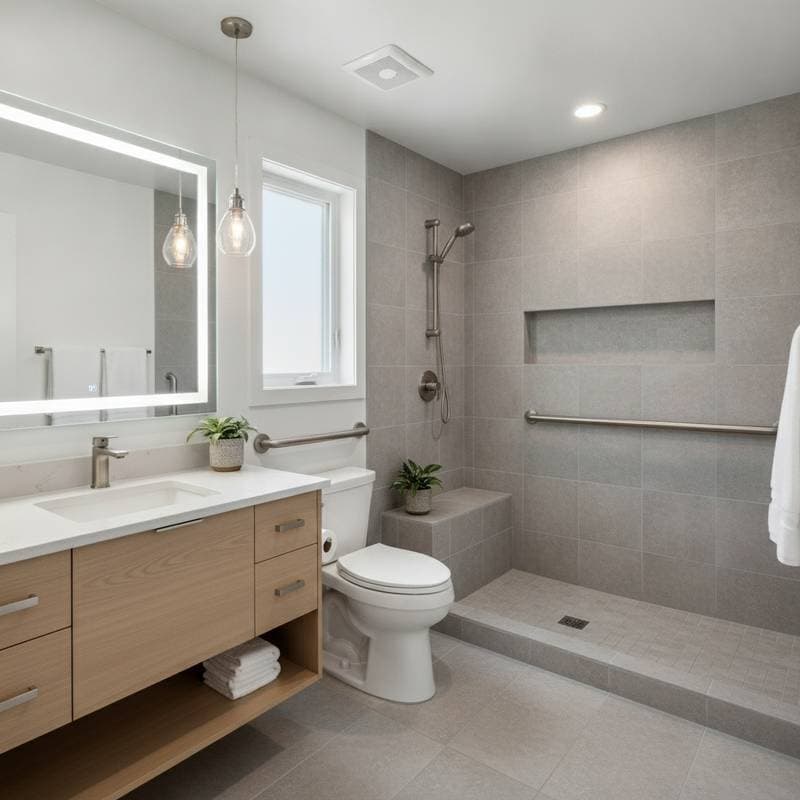
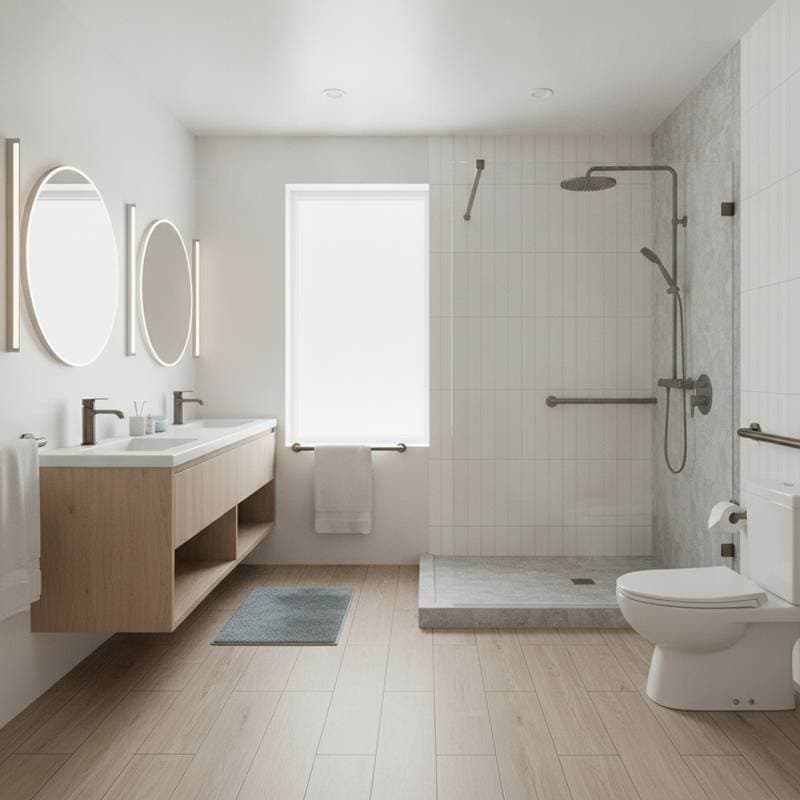
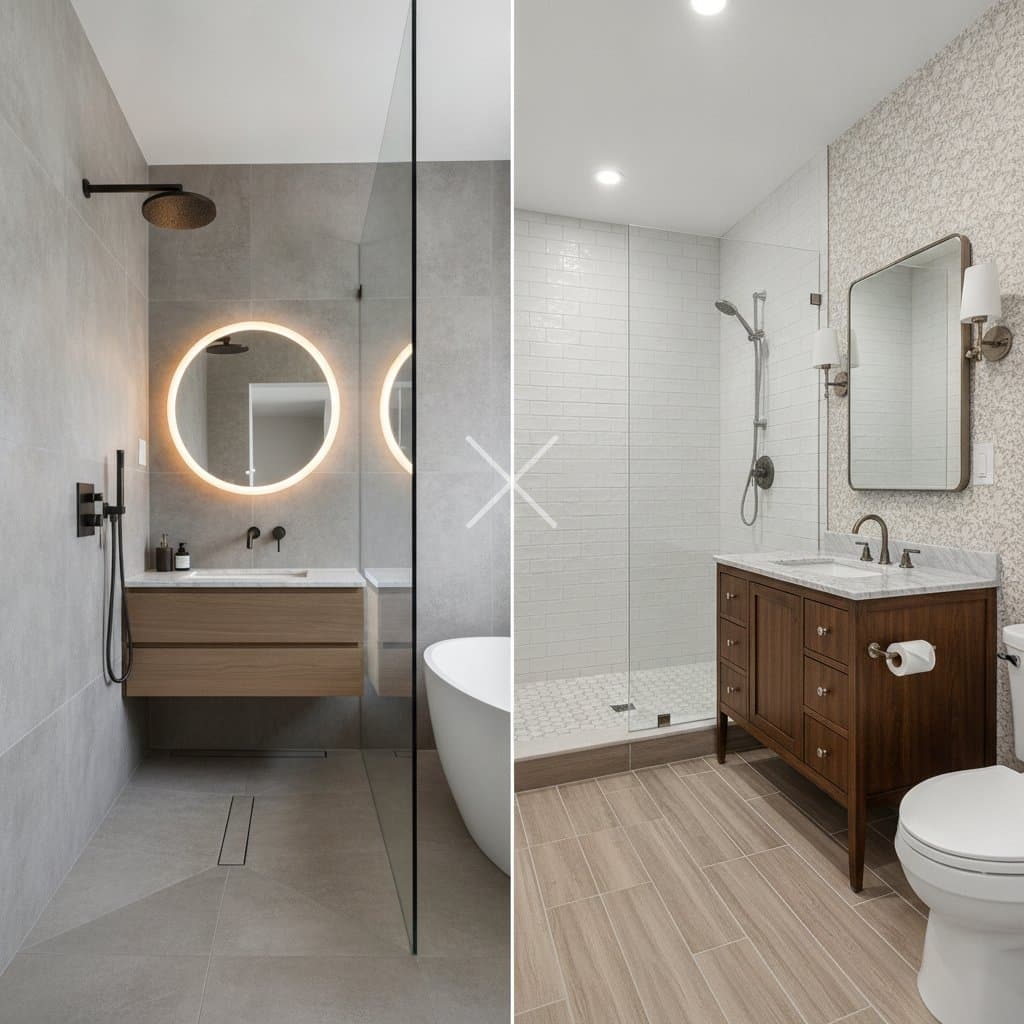
Bathrooms demand priority attention for safety and ease of use. Budget $12,000 to $35,000 based on dimensions and intricacy.
Standard enhancements encompass:
- Curbless shower: $4,000 to $10,000
- Walk-in tub: $5,000 to $15,000
- Grab bars: $150 to $500 per unit
- Comfort-height toilet: $500 to $1,200
- Slip-resistant flooring: $1,200 to $3,000
- Door widening: $800 to $2,500
Substantial portions of the budget allocate to tiling, plumbing adjustments, and moisture barriers. Such improvements mitigate fall hazards and represent prudent investments in well-being.
Kitchen Remodeling Costs
Universal design kitchen overhauls average $20,000 to $60,000. Targeted fixture replacements without layout changes can commence at $8,000.
Primary expense contributors involve:
- Lowered or adjustable-height countertops: $3,000 to $8,000
- Pull-out shelves and drawers: $300 to $800 per cabinet
- Side-opening wall ovens: $2,000 to $4,000
- Lever or touchless faucets: $200 to $800
- Non-slip flooring: $2,000 to $4,000
These adaptations simplify meal preparation and maintenance for those with reduced mobility or grip strength. They simultaneously elevate usability for all occupants, irrespective of age.
Whole-Home Accessibility Remodel
Comprehensive aging-in-place renovations span $45,000 to $90,000, contingent on property dimensions and existing state.
Frequent inclusions comprise:
- Wider doorways and hallways
- Zero-step entryways
- Enhanced lighting and visual contrast
- Accessible switches and outlets
- Reinforced walls prepared for grab bar additions
- Stair lifts or residential elevators
Properties featuring multiple levels or confined passages often entail broader interventions, thereby inflating costs. Integrating universal principles during initial construction proves more economical than retrofitting established structures.
Contractor Costs and Labor Rates
Engaging specialists in universal design standards guarantees adherence to safety and accessibility objectives. Labor constitutes 40 to 60 percent of overall expenses.
Standard hourly rates include:
- General contractor: $75 to $150
- Electrician: $80 to $130
- Plumber: $85 to $150
- Carpenter: $60 to $100
Initiatives involving structural alterations or plumbing shifts incur higher fees owing to specialized skills. Verify that contractors possess knowledge of accessibility protocols and regional building regulations.
Additional Cost Factors
Beyond core materials and labor, various elements shape the ultimate budget.
Permits and Inspections
Permits range from $500 to $2,000, varying by project nature. Modifications to electrical, plumbing, or structural components typically necessitate distinct approvals. Neglecting proper permits risks project halts or penalties.
Design Complexity
Bespoke cabinetry, embedded lighting arrays, or integrated accessibility tech escalate expenditures. Opting for modular or prefabricated components streamlines designs and curbs costs.
Material Quality
Basic finishes offer affordability, while premium selections endure longer. Slip-resistant porcelain tiles, for instance, outperform vinyl in moisture-prone zones over extended periods.
Technology Integration
Smart home integrations, such as voice-controlled lighting, automated shades, or sensor-based faucets, enhance ease but add $2,000 to $10,000 according to automation extent.
Ways to Save on Universal Design Remodeling
Achieve an age-friendly residence without excessive outlay through meticulous planning and focused enhancements. These strategies preserve safety and usability while trimming expenses.
Effective cost-reduction approaches:
- Prioritize essential zones initially. Target bathrooms, entrances, and circulation paths for maximum accessibility gains.
- Select enduring materials. Robust choices minimize ongoing repair and substitution needs.
- Incorporate versatile upgrades. Items like lever handles, handheld showerheads, and adaptable lighting serve broad audiences while fulfilling accessibility roles.
- Anticipate evolving requirements. Fortifying bathroom walls presently avoids pricier future disruptions for grab bar installations.
- Pursue grants or tax incentives. Regional initiatives occasionally subsidize accessibility enhancements.
- Collaborate with seasoned contractors. Experts in universal design prevent errors and superfluous elements that inflate budgets.
Return on Investment (ROI)
Universal design projects prioritize safety and comfort, yet they frequently yield monetary benefits. Properties equipped with accessibility elements attract diverse buyers, including seniors and households addressing mobility challenges.
Estimated ROI figures:
- Bathroom remodel: 55 to 65 percent
- Kitchen remodel: 50 to 60 percent
- Whole-home accessibility update: 45 to 55 percent
Realized returns hinge on material selection, execution quality, and regional demand. Beyond financial gains, the capacity to dwell securely in one's home delivers enduring value.
DIY vs Hiring a Pro
Certain universal design tasks suit capable homeowners, whereas others demand professional intervention.
Suitable for DIY:
- Securing grab bars with adequate anchors
- Swapping knobs for lever door handles
- Applying non-slip treatments or mats
- Fitting adjustable showerheads
These endeavors lower costs while bolstering safety.
Professional necessities:
- Expanding doorways or hallways
- Implementing curbless showers or walk-in tubs
- Revising electrical configurations
- Erecting ramps or lifts
Such undertakings involve permits, structural tweaks, and technical proficiency. Professionals uphold standards and facilitate inspections.
Illustrative cost variance: A DIY grab bar setup requires roughly $100 in supplies. Professional services average $300 to $500, ensuring optimal positioning and stability.
Cost Methodology
Data derives from national remodeling surveys, contractor estimates, and supplier pricing for mid-tier products. Local discrepancies affect rates, but these ranges offer a solid planning foundation. Labor figures presume certified experts with accessibility specialization.
FAQs
How much does it cost to make a home fully accessible?
A complete accessibility overhaul averages $45,000 to $90,000, scaled to home size and incorporated features.
Is it cheaper to remodel or move to an accessible home?
Renovation often proves more economical for existing owners requiring selective modifications.
What are the most important universal design features?
Zero-step entries, expanded doorways, lever handles, non-slip surfaces, and strategic lighting yield the broadest advantages.
Does universal design reduce resale value?
On the contrary, these elements broaden appeal and distinguish properties in competitive markets.
Can I add universal design features gradually?
Indeed, phased implementation allows alignment with financial capacity and priorities.
Do I need a special contractor for universal design?
Legal mandates do not apply, but accessibility-savvy professionals ensure compliance and efficacy.
How long does a universal design remodel take?
Modest efforts conclude in weeks; extensive renovations span months, factoring in scope and approvals.
Are there financing options for accessibility remodeling?
Affirmative. Home equity loans, grants, and community aging-in-place initiatives provide support.
Maintaining Your Investment
Post-renovation, diligent maintenance safeguards enhancements and sustains safety. Inspect grab bars, railings, and flooring periodically for deterioration. Preserve adequate illumination by timely bulb replacements to avert mishaps. Ensure seamless floor levels and unobstructed pathways. Reassess layouts biennially to accommodate shifting needs, refining fixtures or arrangements for ongoing ease.
Homes adapt alongside residents. Committing to universal design fosters a secure, navigable space that upholds independence over time. Strategic planning with precise cost foresight renders renovations feasible, economical, and enriching.