Designing Homes for Lifelong Comfort: Universal Design Principles
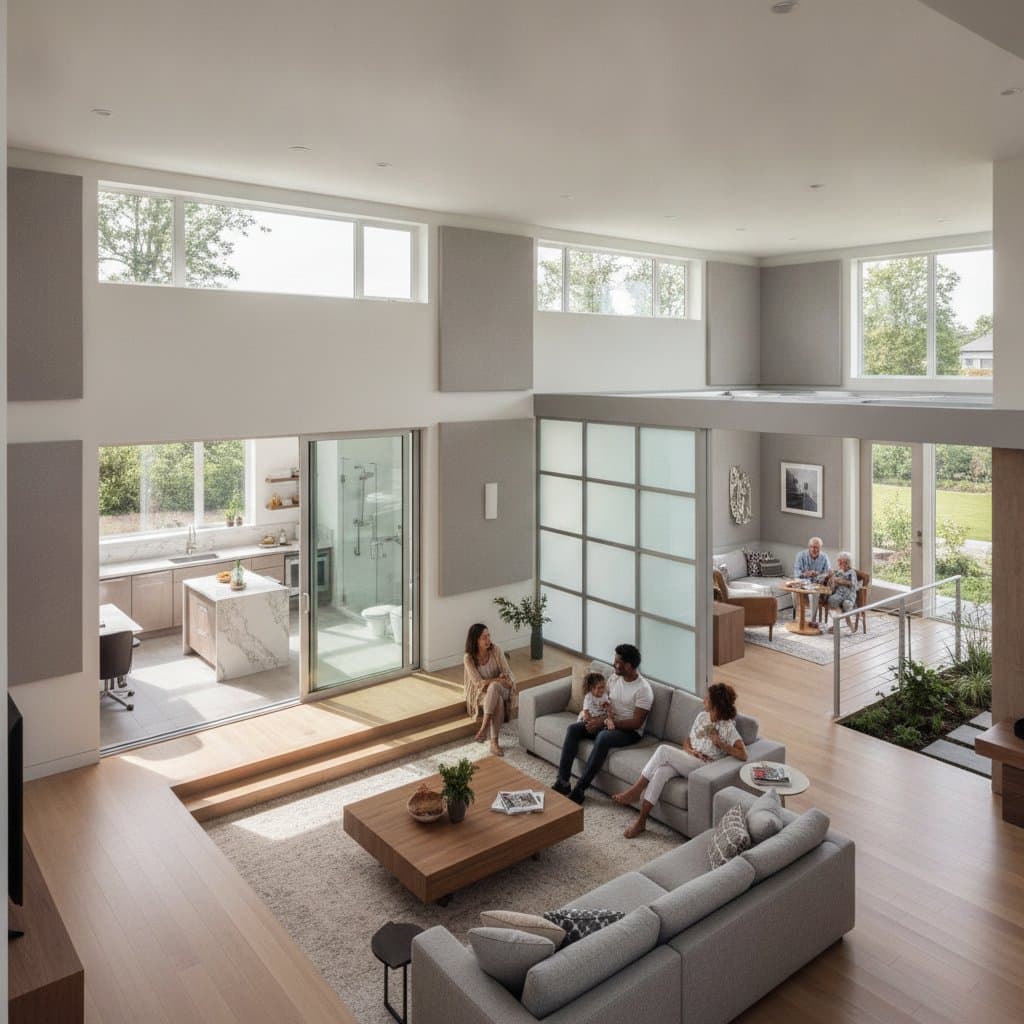
A residence that adjusts to evolving requirements provides security and ease for the long haul. Universal design achieves this by developing environments that prove accessible, secure, and visually appealing for individuals across all ages and capabilities. Individuals who intend to remain in their present dwelling for an extended period or who seek to anticipate upcoming necessities find universal design essential for sustaining autonomy and well-being.
This comprehensive guide defines universal design, highlights essential elements that simplify home navigation, and outlines remodeling strategies for aging in place. Readers gain practical guidance and informed investment choices to implement these concepts effectively.
Core Advantages of Universal Design
Universal design delivers multiple benefits that extend beyond immediate use.
- Enhanced Safety: Features such as non-slip flooring, automatic lighting sensors, and rounded countertop edges minimize fall hazards, enhance sightlines in hallways, and eliminate strained postures during routine tasks.
- Promoted Independence: Elements like touchless faucets, pull-out cabinet organizers, and voice-activated controls enable occupants to handle cooking, bathing, and mobility without external help.
- Improved Comfort: Adjustable-height counters, natural light optimization through larger windows, and climate-controlled zones accommodate diverse family members, from young children to seniors.
- Increased Property Value: Thoughtful modifications appeal to a broad buyer pool, with data from remodeling associations indicating returns of 60 to 70 percent on investment, influenced by regional markets and material selections.
These advantages transform a standard house into a versatile sanctuary, supporting active lifestyles while preparing for potential health shifts.
Strategic Approaches to Cost-Effective Implementation and Returns
Investments in universal design yield returns via heightened protection, lowered healthcare expenses, and elevated market desirability. Homeowners maximize efficiency through targeted planning.
To optimize expenses:
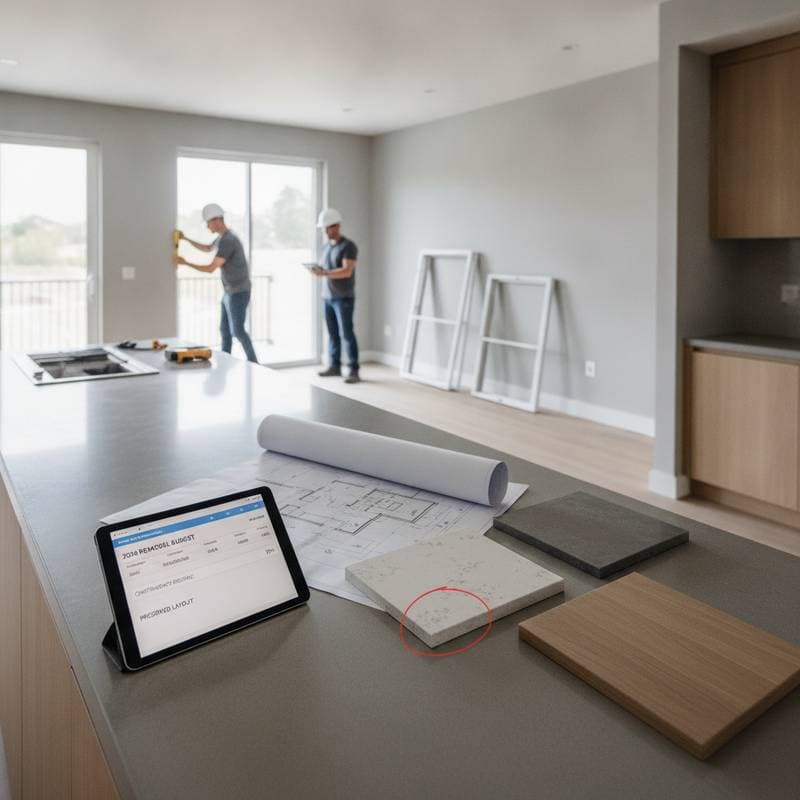
- Integrate Upgrades with Existing Projects: Pair accessibility enhancements, such as installing reinforced walls for future grab bars, with comprehensive kitchen or bathroom overhauls to consolidate labor and material costs.
- Leverage Financial Incentives: Investigate federal or state programs, including tax deductions under the Americans with Disabilities Act provisions, or local grants for energy-efficient accessibility features like LED lighting.
- Prioritize Resilient Materials: Opt for vinyl plank flooring that resists moisture, single-lever faucets with ergonomic grips, and dimmable fixtures that endure daily wear, thereby cutting replacement needs over time.
- Emphasize Adaptable Solutions: Incorporate versatile components, including height-adjustable vanities or fold-down seating in showers, allowing customization without major structural alterations as circumstances evolve.
Research from housing economists reveals that integrated accessibility remodels recoup approximately 60 percent of expenses upon sale, particularly when features harmonize with the home's overall aesthetic rather than appearing as afterthoughts.
Essential Features for Everyday Accessibility
Implementing universal design involves selecting elements that address common challenges in high-traffic areas. Entryways benefit from zero-threshold doors and motion-activated exterior lights to ease arrivals, especially in low visibility. Kitchens gain functionality with side-opening ovens, pull-out pantry shelves, and under-cabinet task lighting that reduces eye strain during meal preparation.
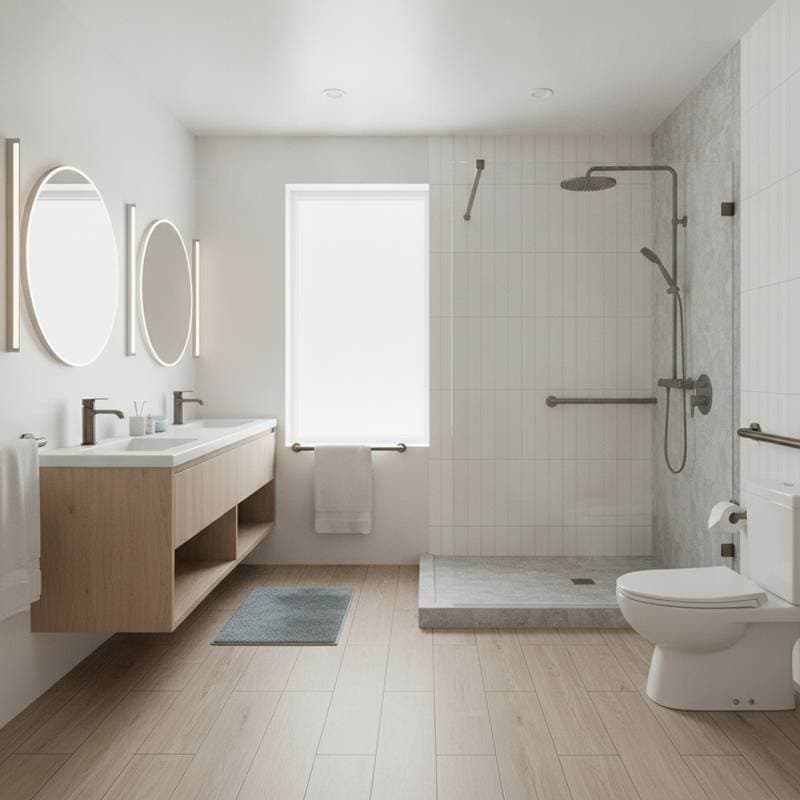
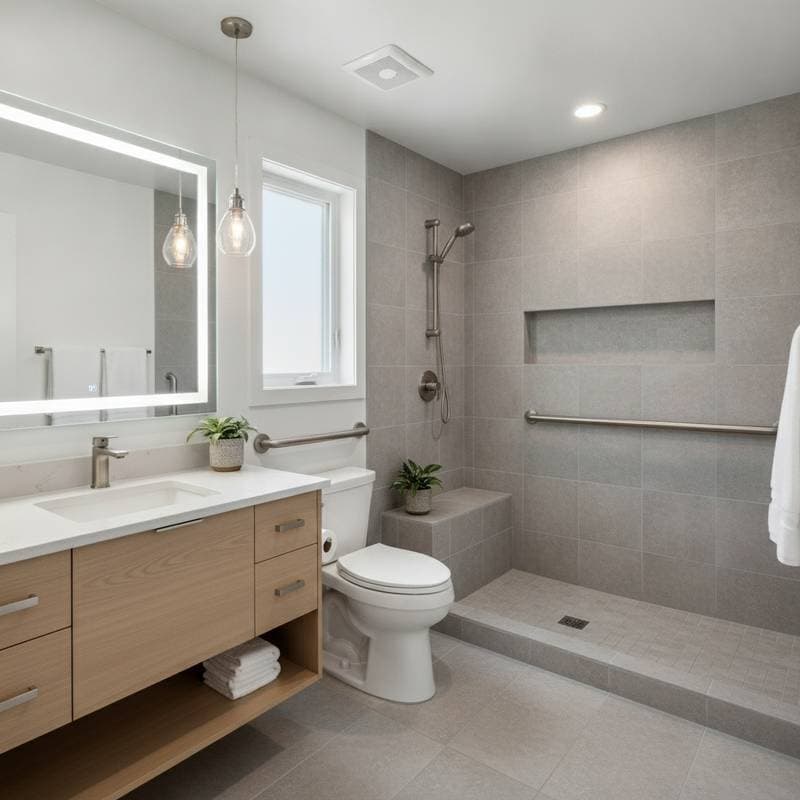
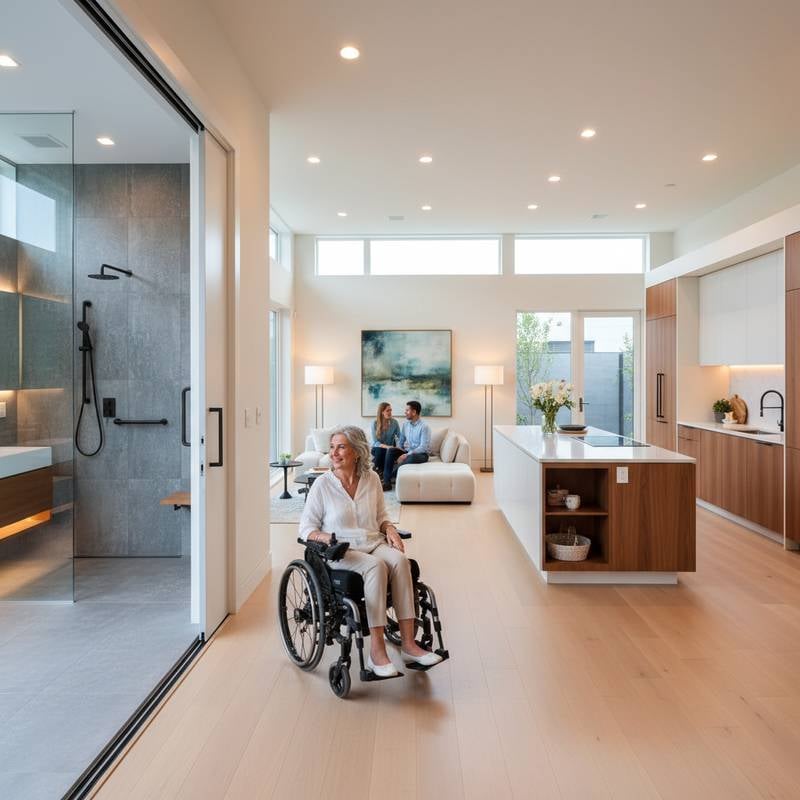
Bathrooms represent a priority zone, where curbless walk-in showers with built-in benches and handheld showerheads facilitate safe bathing. Hallways and bedrooms incorporate wider clearances, at least 36 inches, for wheelchair navigation, alongside closet systems with lower rods and lighted switches at reachable heights. These targeted additions ensure seamless movement throughout the home.
Frequently Asked Questions on Universal Design and Long-Term Living
What distinguishes universal design from accessible design?
Universal design anticipates needs for all users proactively, embedding inclusivity into the original layout. Accessible design, by contrast, retrofits spaces to address particular disabilities after construction.
Do universal design elements compromise modern aesthetics?
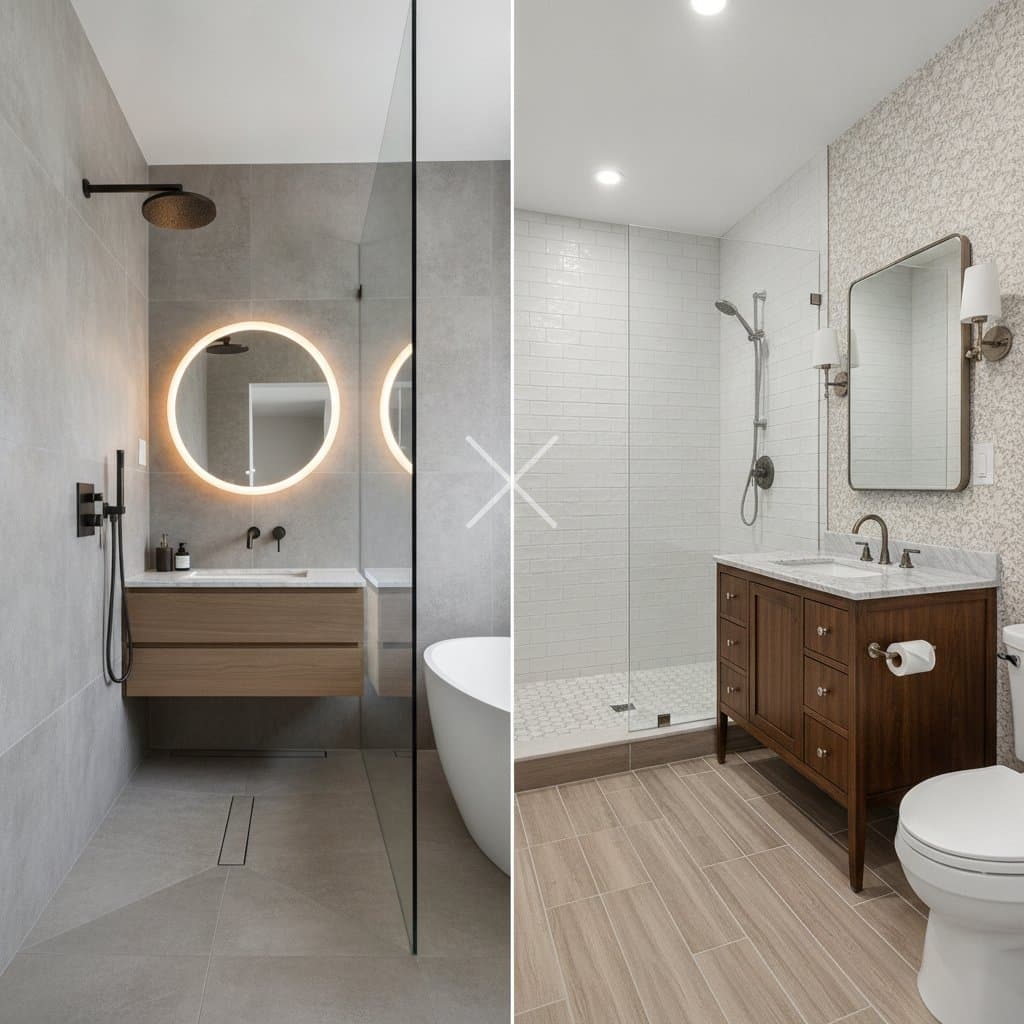
Quite the opposite. Contemporary implementations prioritize elegance, with options like frameless glass shower enclosures or sleek, wall-mounted grab bars in brushed nickel that complement minimalist or traditional decors.
Must grab bars feature a metallic appearance?
Options abound beyond plain metal. Designers offer concealed installations, wooden textures, or multifunctional designs that double as robe hooks, ensuring they align with personal style preferences.
Is retrofitting an older home feasible for universal design?
Absolutely. Begin with high-impact zones: widen doorways by removing trim, upgrade to lever-style hardware, and install lever faucets. Progressive enhancements allow budgeting over time without disrupting occupancy.
What is the durability of universal design modifications?
Premium installations withstand years of use, often exceeding 20 to 30 years with proper care. Routine inspections of seals, hinges, and electrical components preserve performance and safety.
Sustaining Accessibility Through Ongoing Care
A universal design renovation extends far beyond initial safety measures. It represents a commitment to enduring well-being, self-reliance, and elevated living standards. Homeowners should periodically evaluate spaces, introducing refinements like smart thermostats for effortless temperature control or pathway rugs with edge guards to prevent trips.
Collaborate with certified contractors experienced in inclusive building practices to execute these visions. Each decision, from selecting motion-sensor faucets to designing open-concept layouts, contributes to practicality and worth. Ultimately, the home becomes a resilient haven, equipped to embrace every phase of life with grace and efficiency.