The Luxury Trends Redefining Custom Homes in 2025
Luxury home design evolves toward comfort, sustainability, and personalization. Custom homes transcend mere size or surface finishes. They embody thoughtful architecture that aligns with modern lifestyles through precise execution. Homeowners seek spaces that integrate advanced functionality with enduring livability. Builders respond by incorporating refined materials, intelligent systems, and adaptable layouts that support daily routines while prioritizing wellness and environmental responsibility.
This guide examines the prominent luxury design trends influencing custom homes today. It details how each trend influences design decisions, budgets, and practical use. Readers gain insights to approach their next project with informed perspective.
Smart Technology With Subtle Integration
Luxury homeowners desire intelligent systems without overt disruption. Optimal designs conceal technology within sleek profiles and user-friendly interfaces. This approach enhances wellness by fostering serene environments that reduce visual and cognitive clutter.
Whole-Home Automation
Unified systems control lighting, climate, shading, and security via a single interface. Touch panels or smartphone applications eliminate traditional switch arrays. Builders collaborate with technology specialists from the initial design stage. This ensures concealed wiring, audio components, and sensors maintain aesthetic purity. Sustainable energy management features, such as automated shading to optimize natural light, further support eco-conscious living.
Lighting That Adapts to You
Circadian lighting systems modulate intensity and hue to mimic natural daylight cycles. Brighter, cooler tones in the morning enhance focus and energy levels. Softer, warmer shades in the evening encourage rest and emotional balance. Such illumination promotes healthy sleep rhythms and overall well-being. Integration with sustainable LED sources minimizes energy consumption while delivering precise control.
Invisible Audio and Visual Systems
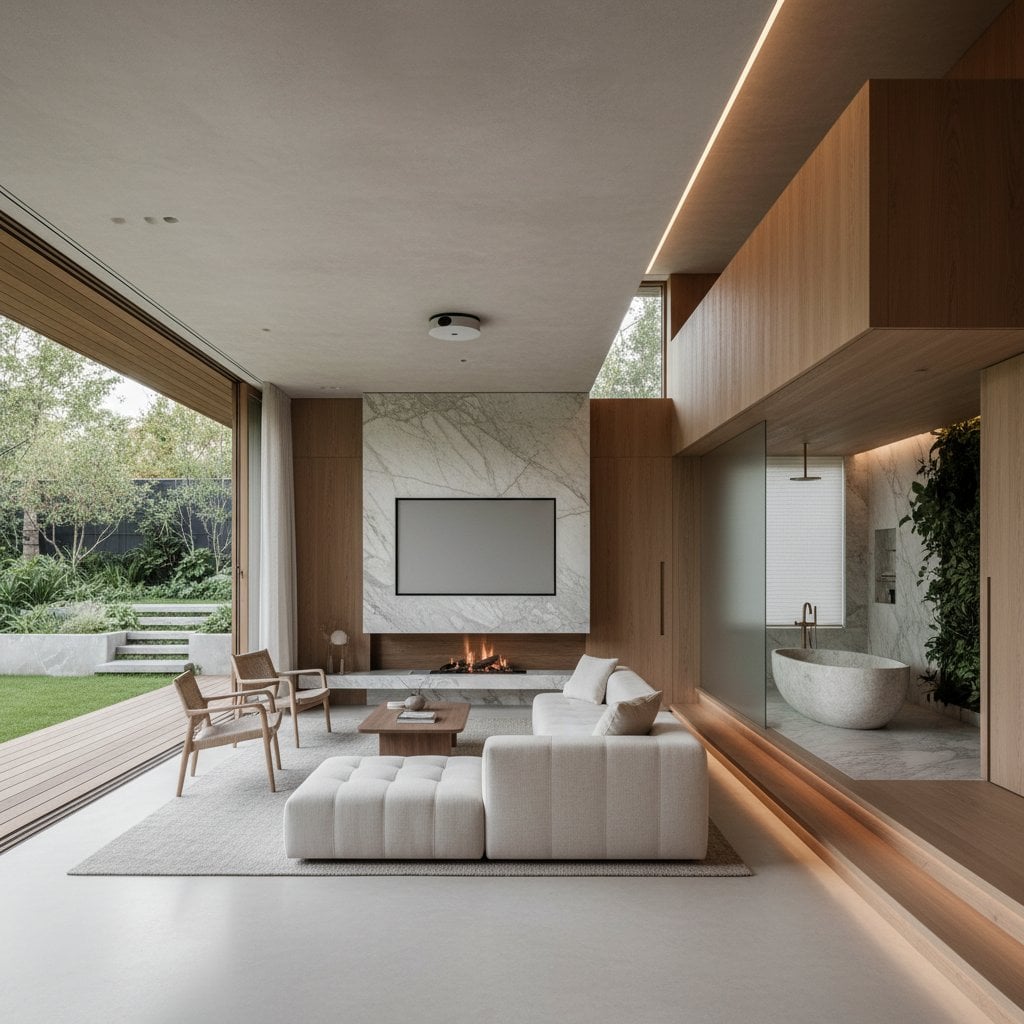
Ceiling- or wall-embedded speakers preserve architectural lines. Motorized mechanisms conceal televisions within cabinetry or above sightlines. These solutions uphold tranquil atmospheres essential for mental health. Entertainment remains readily available, supporting relaxation without compromising design integrity. Low-energy components align with sustainability goals by reducing operational demands.
Kitchens Designed for Culinary and Social Life
The kitchen anchors the home as a multifunctional space. Contemporary luxury versions facilitate both meal preparation and social interaction. Designs emphasize wellness through ergonomic layouts and sustainable material selections that promote healthy cooking habits.
Dual Work Zones
Architects delineate primary and secondary zones for distinct purposes. The main area handles routine tasks, while auxiliary spaces manage larger gatherings or intensive prep. Often termed "dirty kitchens," these include dedicated sinks, dishwashers, and cooling units. Separation maintains cleanliness during events. Use of recycled or low-VOC materials in these zones supports indoor air quality and environmental stewardship.
Statement Surfaces
Premium natural stones like quartzite and marble define countertops and backsplashes. Waterfall edges and book-matched veining create seamless visual flow. Engineered alternatives replicate stone aesthetics with enhanced durability and reduced upkeep. These surfaces resist stains and heat, ideal for active lifestyles. Sourcing from sustainable quarries ensures ethical production aligned with eco-friendly principles.
Integrated Appliances
Panel-ready units blend refrigerators and dishwashers into cabinetry for uninterrupted lines. Induction surfaces paired with downdraft ventilation clear workspaces efficiently. Intelligent ovens calibrate settings based on recipe inputs for precise results. Energy-efficient models lower utility costs and carbon footprints. Wellness benefits arise from streamlined operations that encourage nutritious meal creation without frustration.
Flexible Spaces and Adaptable Layouts
Contemporary luxury residences accommodate evolving family dynamics. Versatile rooms and modular elements enable reconfiguration without extensive alterations. This adaptability fosters wellness by providing spaces that evolve with personal health and lifestyle needs.
Convertible Guest Suites
Accommodations serve multiple roles, such as offices, viewing areas, or creative studios. Retractable beds and tailored storage facilitate swift changes. Acoustic treatments guarantee seclusion for occupants and guests alike. Sustainable modular components, like reusable partitions, minimize waste during adaptations.
Pocket Offices
Compact workstations nest in niches or behind gliding panels. Equipped with focused illumination, electrical access, and organization, they delineate professional boundaries. This setup preserves leisure zones while accommodating hybrid work. Ergonomic designs with natural ventilation elements enhance productivity and reduce stress.
Multi-Generational Living
Dedicated suites feature compact galleys and independent access for relatives. Sound barriers, fire-rated divisions, and universal design elements ensure safety and ease. These configurations promote familial bonds while respecting autonomy. Incorporation of passive solar features and energy-efficient insulation bolsters sustainability across generations.
Personalized Luxury Through Custom Craftsmanship
True luxury manifests in bespoke elements that capture individual essence. Custom homes showcase artisanal touches that elevate everyday experiences. Wellness integrates through tactile, biophilic details that nurture sensory harmony.
Built-In Furniture
Seamless shelving, benches, and storage streamline interiors and limit movable items. Craftsmen align veneers across joinery, portals, and surfaces for unified appeal. This method optimizes space flow and reduces dust accumulation, benefiting respiratory health. Use of reclaimed woods advances sustainable practices.
Artisan Finishes
Skilled applications of textured plasters, intricate tile assemblies, and unique luminaires infuse personality. These require expert labor and extended timelines yet yield unparalleled distinction. Natural, non-toxic finishes support indoor wellness by avoiding chemical off-gassing.
Curated Design Consistency
Specialists oversee comprehensive palettes encompassing floors, moldings, and fixtures. Fluid transitions between areas create cohesive narratives. This orchestration amplifies perceived spaciousness and tranquility. Eco-sourced elements throughout reinforce long-term environmental commitment.
Wellness and Sustainability in Material Choices
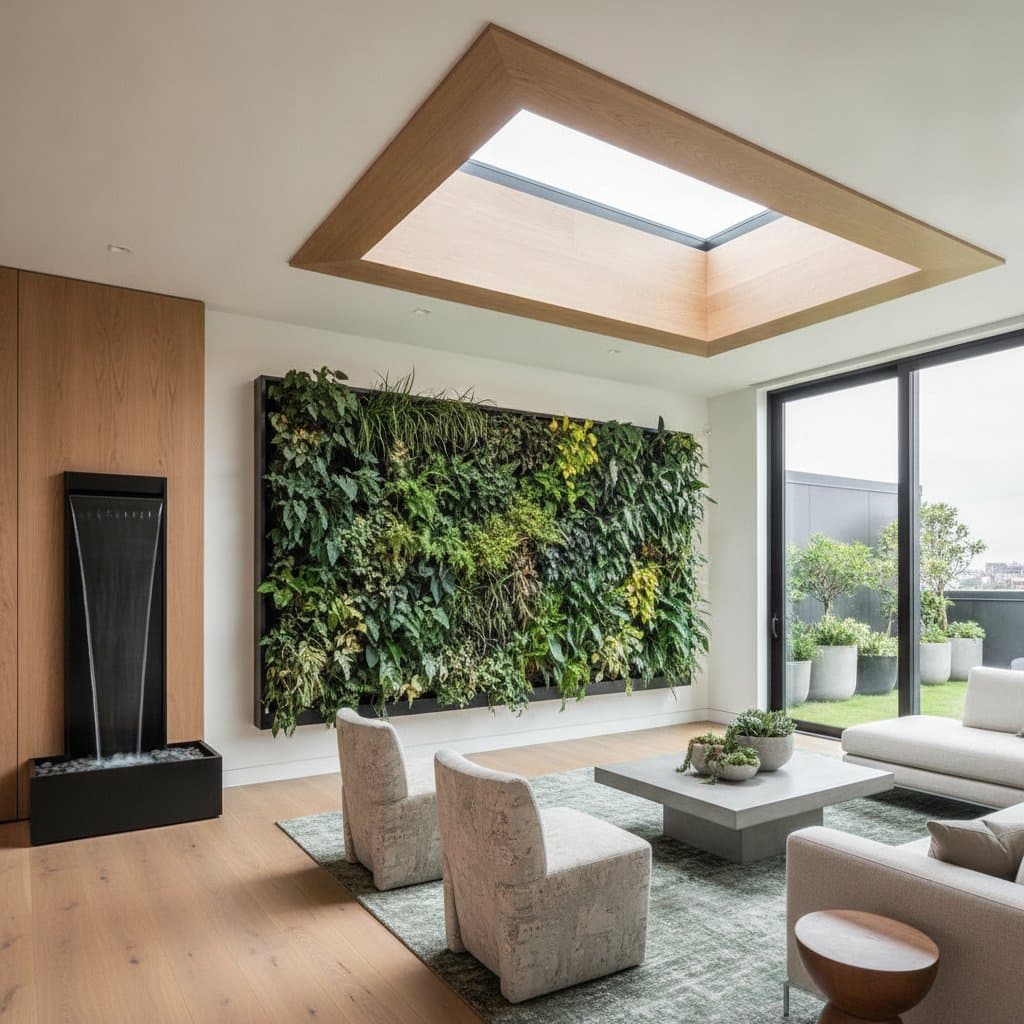
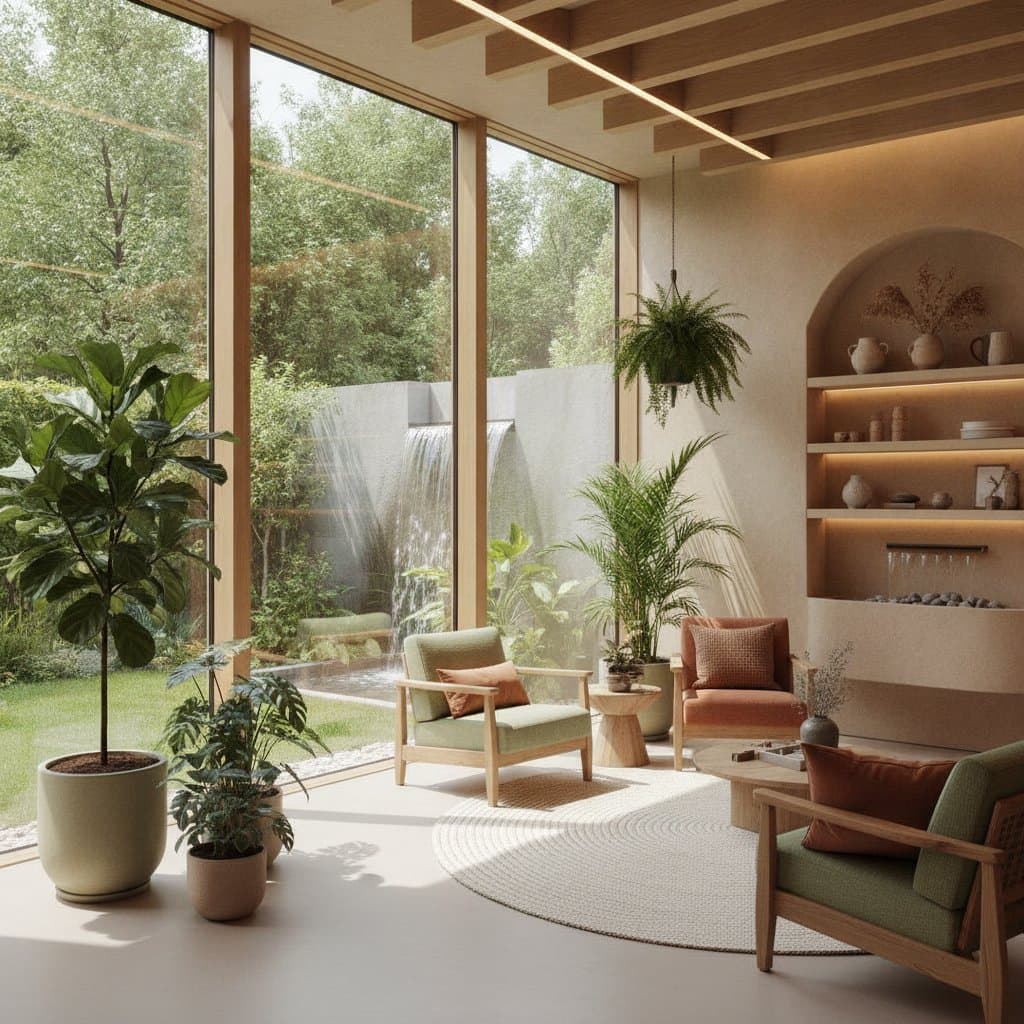
Emerging trends spotlight biophilic design and green innovations. Indoor plants, living walls, and ample glazing connect interiors to nature, boosting mental health. Low-impact materials like bamboo flooring and recycled metals reduce ecological footprints. Water-efficient fixtures and greywater systems conserve resources. These choices ensure homes contribute positively to occupant well-being and planetary health.
Building on These Trends
Luxury custom homes advance toward mindful elegance. They harmonize wellness, sustainability, and artistry to enrich daily existence without extravagance. Every selection, from illumination to substrates, enhances usability and resilience.
Homeowners embarking on construction or updates should seek equilibrium. Allocate resources to functional enhancements and efficient infrastructures. Select enduring substances that mature attractively. Partner with architects and contractors adept in fusing innovation with artisanal skill.
Pro Tips for Success
- Engage builders and designers from inception to align technologies, aesthetics, and finances.
- Emphasize concealed infrastructures like ventilation, barriers, and cabling for sustained ease.
- Design adaptable areas that mirror life stage shifts.
- Maintain detailed logs of selections, guarantees, and care protocols.
Maintaining Your Investment
Regular upkeep sustains luxury home performance. Conduct annual reviews of roofs, climate controls, and outer layers. Refresh filters, verify detectors, and protect stone or timber as required. Address dampness, thermal inconsistencies, or scents promptly with qualified professionals to prevent escalation.
Luxury design prioritizes sensory and operational excellence over ostentation. Current trends cultivate connectivity, proficiency, and perpetual refinement in custom residences.