2026's Biophilic Boom: Nature in Custom Home Builds
Bringing nature into the built environment goes beyond aesthetics. This design approach fosters wellness, comfort, and a profound sense of connection. For those planning a custom home, embracing biophilic design creates spaces that feel balanced and vibrant. This article examines how natural elements shape contemporary home construction and offers strategies to integrate them effectively.
Understanding Biophilic Design
Biophilic design rests on the principle that people flourish amid natural surroundings. Architects incorporate natural materials, patterns, and light into structures to evoke the outdoors without direct imitation. The result enhances daily life by lowering stress levels, sharpening concentration, and boosting overall comfort.
Three core principles underpin this method:
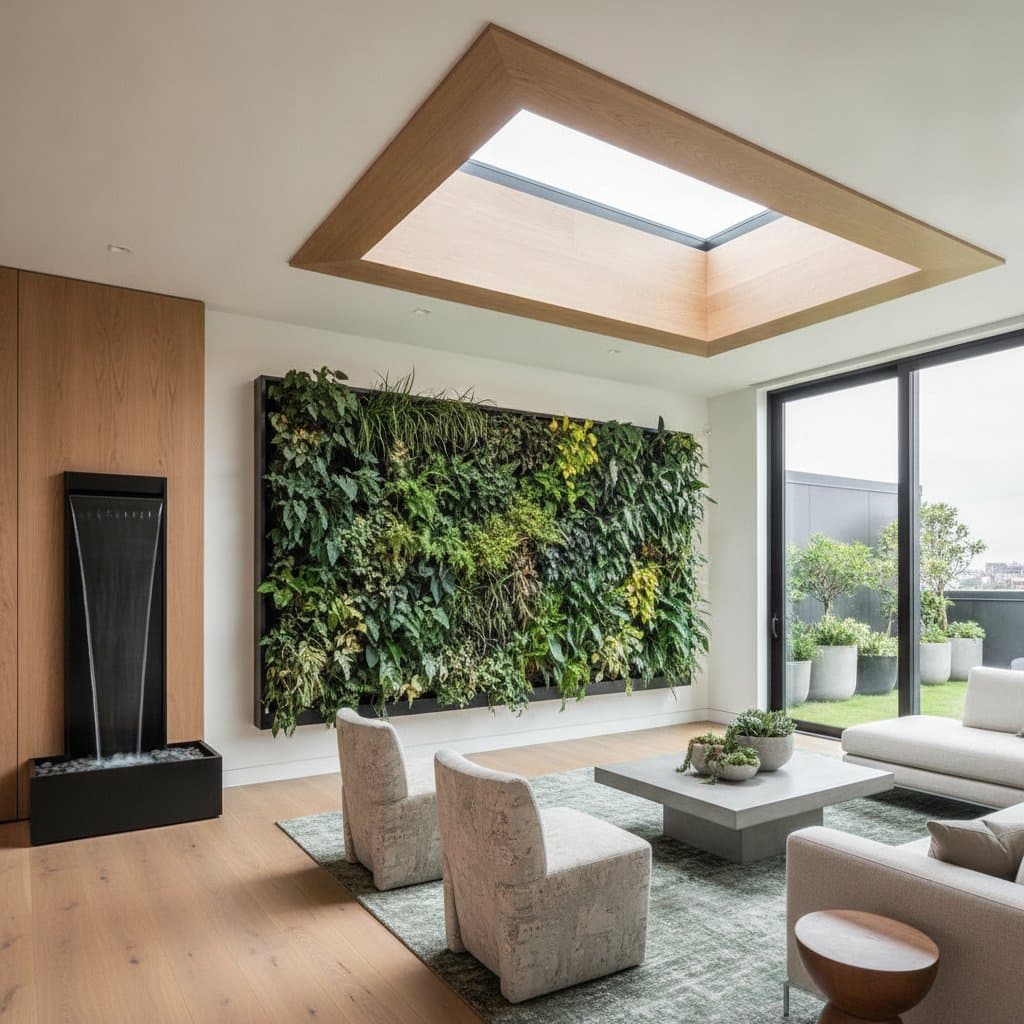
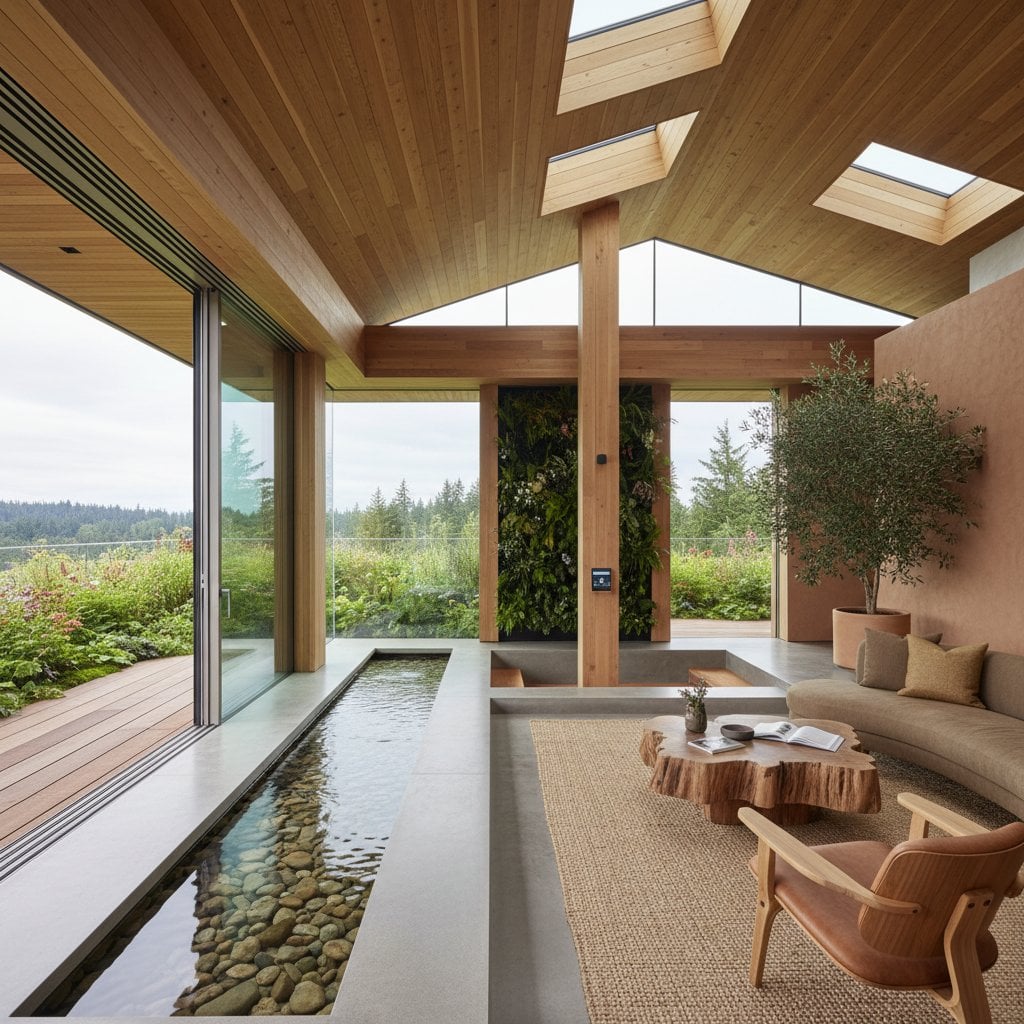
- Direct nature introduces tangible features such as indoor plants, flowing water elements, and abundant sunlight.
- Indirect nature employs materials, hues, and textures inspired by the natural world, like stone accents or leaf-like motifs.
- Spatial nature emphasizes layouts that promote openness, gentle airflow, and fluid, organic shapes.
A well-executed biophilic home weaves these elements together, blurring boundaries between indoors and outdoors for an immersive experience.
The Role of Exterior Design in Biophilic Homes
Natural Siding and Finishes
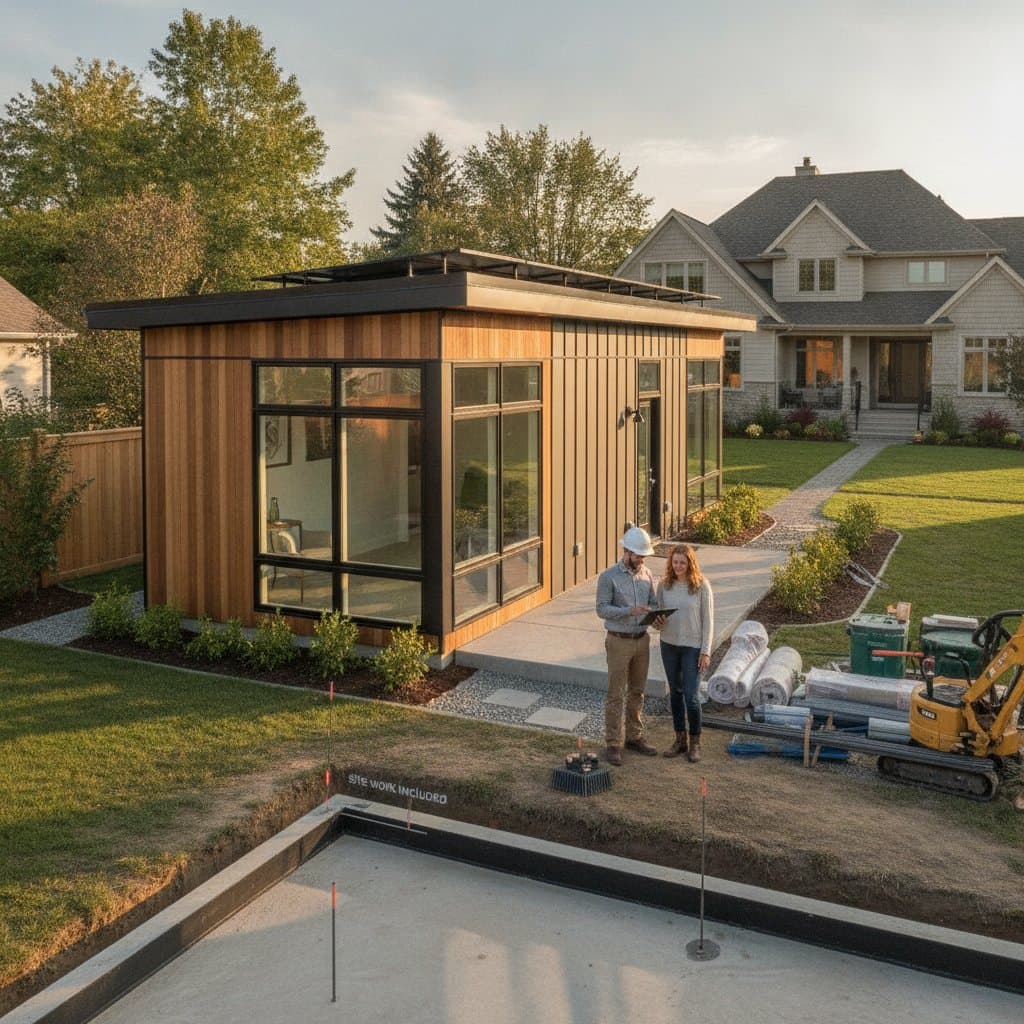
Exterior choices establish the foundation for harmony with nature. Opt for wood siding, clay bricks, or textured stucco to allow the home to integrate seamlessly with its surroundings. Select finishes that develop patina over time, enhancing enduring appeal.
Examples:
- Cedar shingles weather to a soft gray, complementing seaside terrains.
- Warm-toned bricks harmonize with surrounding native flora.
- Limewash applied to stucco diffuses light gently, providing subtle texture and depth.
Rooflines and Green Roofing
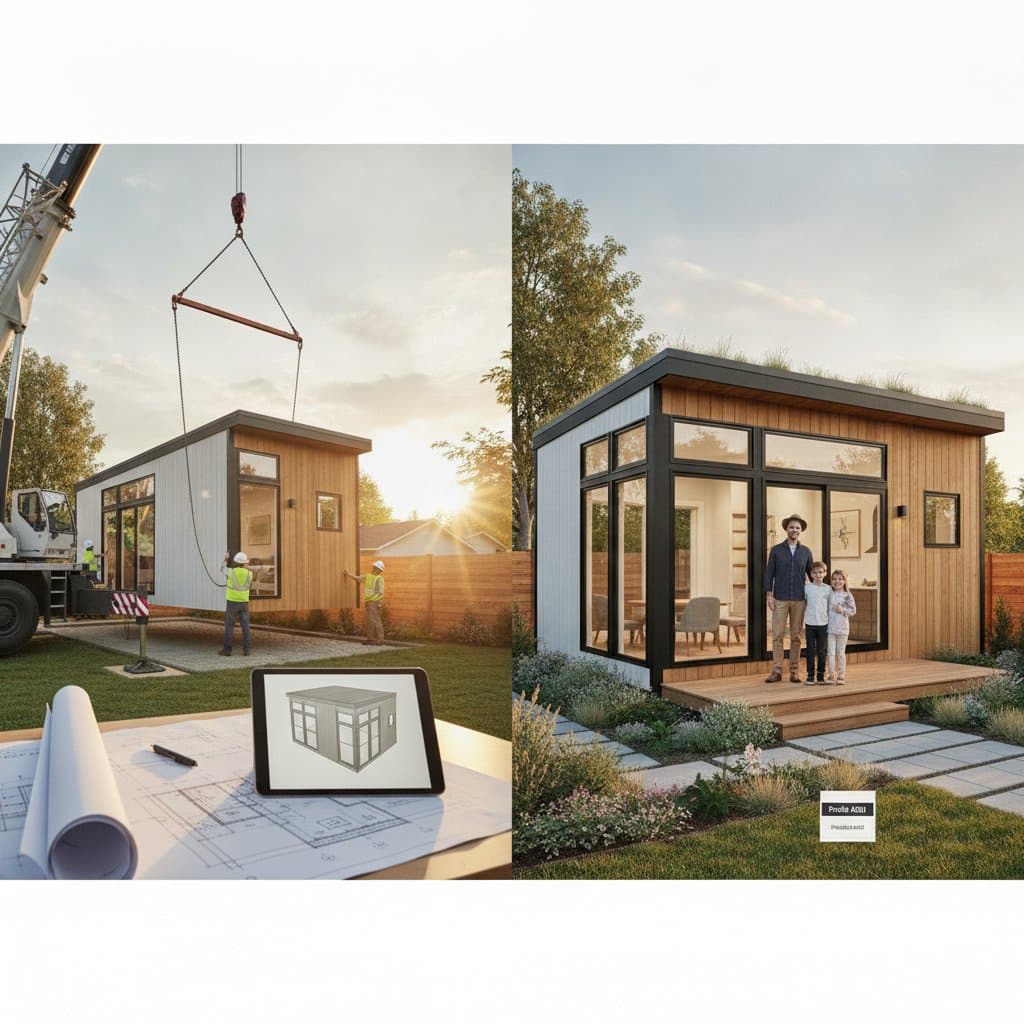
Vegetated green roofs regulate indoor temperatures, handle stormwater runoff, and add striking visual layers. Design rooflines with slopes or tiers that echo nearby topography, such as rolling hills or mature tree canopies.
Tips:
- Engage a structural engineer early to assess load-bearing needs for added soil and greenery.
- Select native, drought-resistant plants to minimize upkeep demands.
- Pair with integrated rainwater harvesting to advance ecological efficiency.
Windows and Facades That Frame Nature
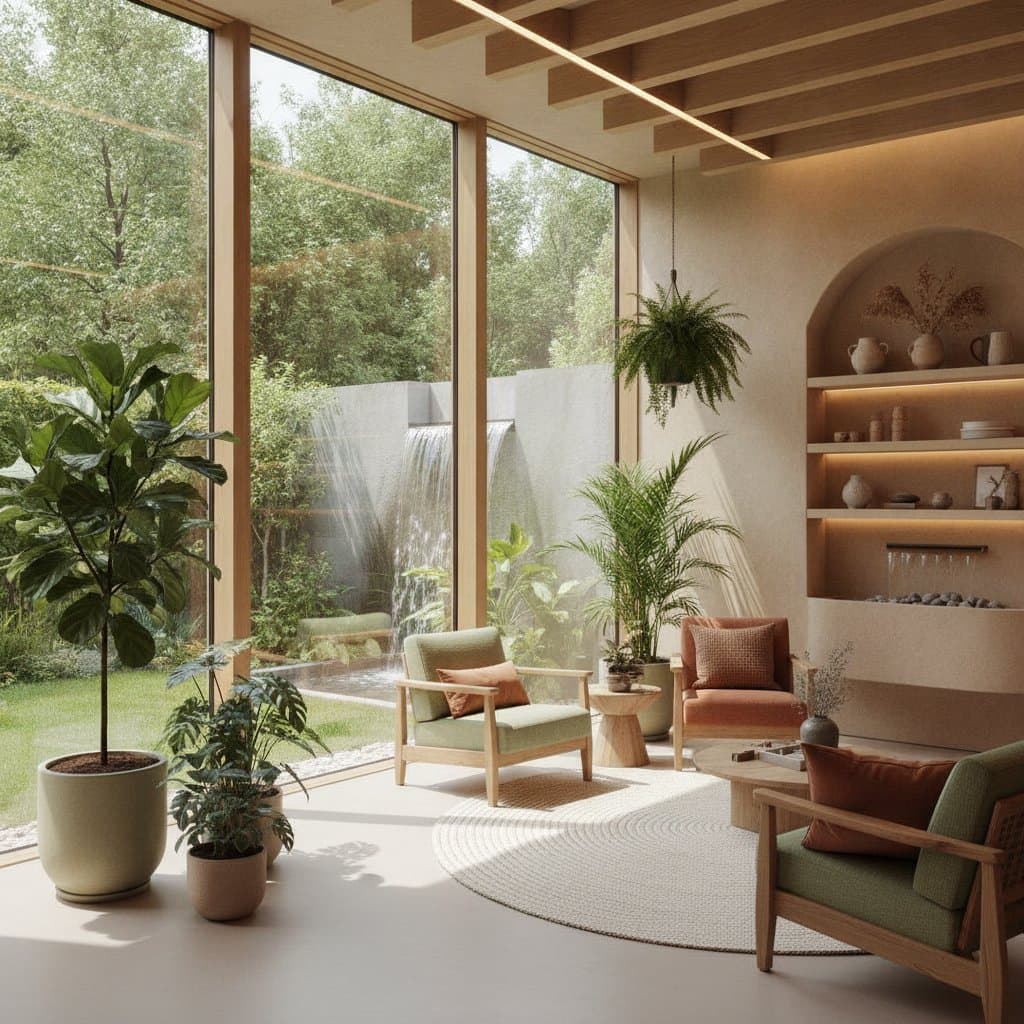
Elevate windows beyond mere functional openings by positioning them to capture scenic vistas. Direct them toward gardens, woodlands, or water bodies, turning each pane into a dynamic natural tableau.
Practical advice:
- Map window orientations during initial site analysis to align with prevailing views and light paths.
- Install slender frames that minimize obstructions and maximize sightlines.
- In high-sun regions, incorporate low-emissivity glazing to control heat while preserving clarity.
Practical Steps for Bringing Biophilia into Your Build
Start with Site Orientation
Orient the home to capture optimal daylight and panoramic views. Analyze solar trajectories and environmental factors like tree shadows or wind patterns across the site. Such strategic placement cuts energy consumption and elevates resident well-being.
Choose Materials Wisely
Source materials locally to forge a stronger tie to the locale and lower shipping impacts. Favor sustainable choices, including bamboo for resilient flooring or reclaimed timber for structural beams. These selections promote environmental stewardship without sacrificing quality.
Integrate Smart Systems Thoughtfully
Leverage technology to amplify biophilic benefits judiciously. Install automated shading for windows, occupancy-based lighting controls, and precision irrigation for landscapes. These tools sustain natural harmony while optimizing efficiency.
Plan for Long-Term Maintenance
Natural components demand tailored upkeep distinct from synthetic alternatives. Schedule annual sealing for wooden exteriors and biannual checks for green roofs to prevent issues. Incorporate these routines from the outset to safeguard the design's vitality.
Budgeting for Nature-Inspired Features
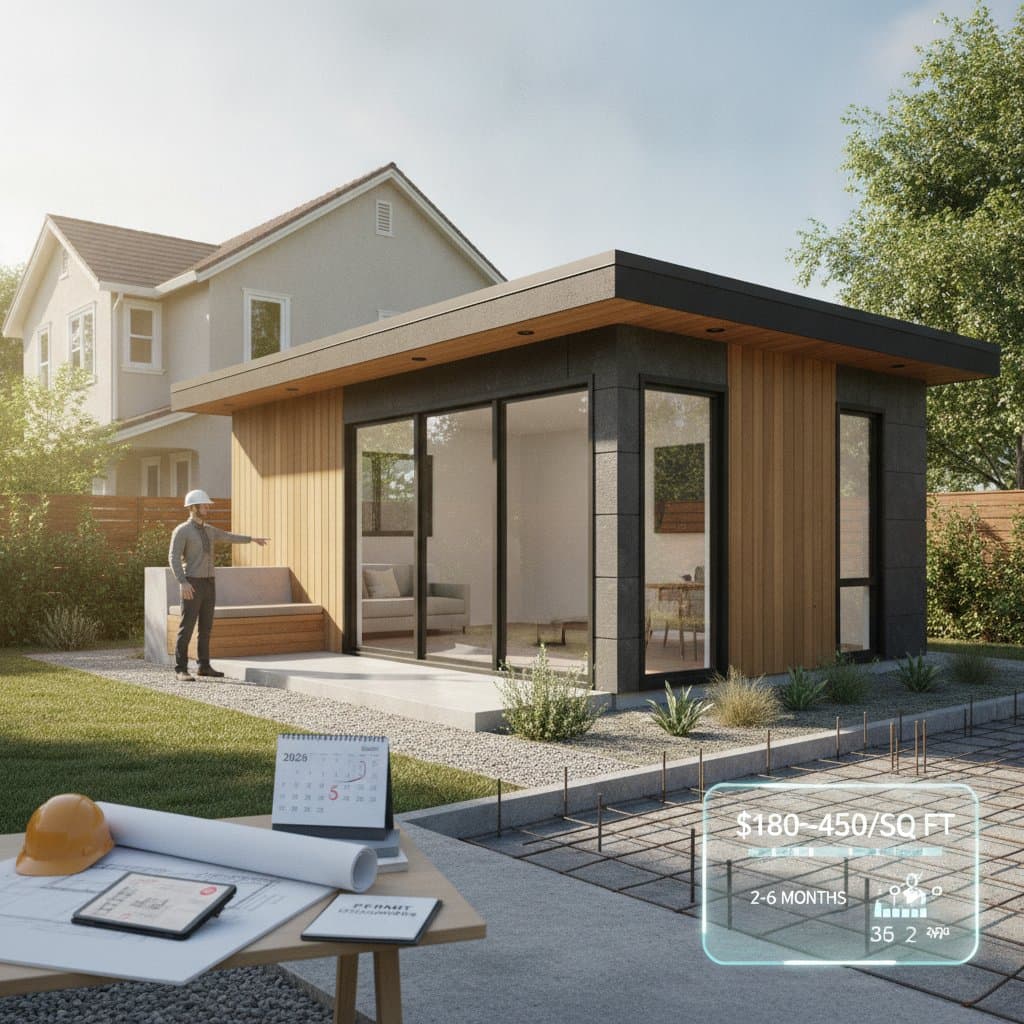
Expenses fluctuate based on project scale and material sourcing. Features like vertical gardens or extensive green roofs necessitate expert installation, often ranging from moderate to substantial investments. Simpler enhancements, such as planting borders or applying natural paints, suit hands-on efforts, provided participants possess basic skills and equipment. For complex elements involving foundations or roofing, retain certified professionals to guarantee compliance and longevity.
Living with Your Design
Biophilic homes adapt dynamically as vegetation matures, illumination shifts with seasons, and surfaces acquire character through exposure. This evolution infuses the space with authenticity and vitality.
To sustain this harmony:
- Trim foliage periodically and substitute any declining specimens promptly.
- Apply protective sealants to wooden elements at recommended intervals to ward off elemental wear.
- Update interior surfaces using permeable, low-volatile organic compound paints for health-conscious renewal.
- Reposition furnishings quarterly to align with evolving light angles and vistas.
This interactive stewardship ensures the home remains a responsive sanctuary.
Embracing Biophilic Principles for Enduring Wellness
The biophilic ethos mirrors a collective shift toward residences that heal and integrate rather than segregate. Thoughtful fusion of natural motifs with architectural precision yields environments that nurture physical and emotional health. From strategic fenestration to curated palettes, each decision shapes profound daily interactions.
As bespoke home building advances, practitioners attuned to natural rhythms pioneer resilient habitats. Regardless of setting, from coastal edges to inland enclaves, biophilic tenets empower creations that pulse with life, foster belonging, and withstand time.