ADU Costs in 2026: Maximize Your Investment Return
Building an accessory dwelling unit, or ADU, serves as one of the most effective methods to enhance property value and produce additional income. Homeowners who plan a backyard cottage, granny flat, or independent rental suite benefit from anticipating future cost trends to inform financial decisions. This guide details the elements that shape ADU construction expenses, efficient planning approaches, and methods to optimize long-term return on investment.
Understanding the Value of an ADU
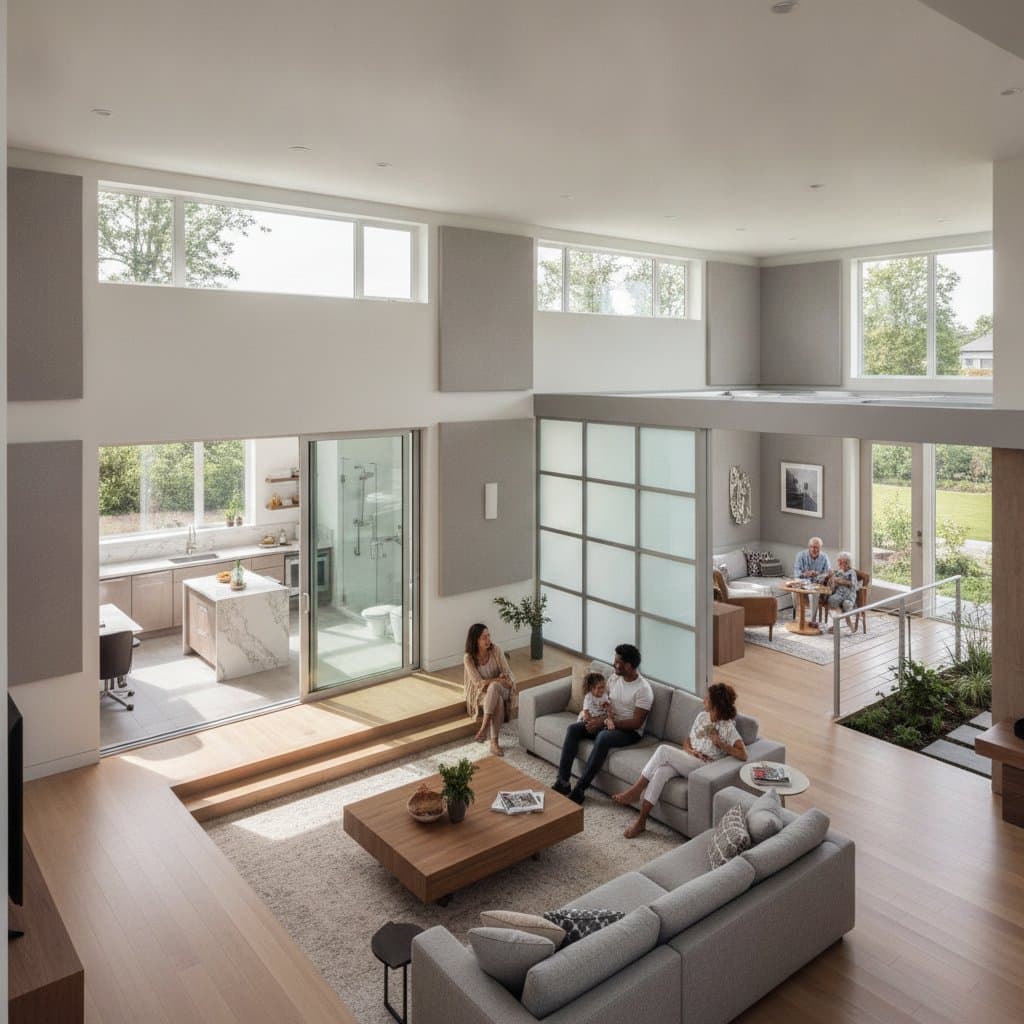
An ADU constitutes a self-contained residential unit located on the same lot as the primary home. Builders may construct it as an attached structure, a detached building, or a conversion of existing space such as a garage. Homeowners pursue ADUs to secure rental revenue, accommodate family members, or enlarge living areas, with each objective guiding specific design and cost-management choices.
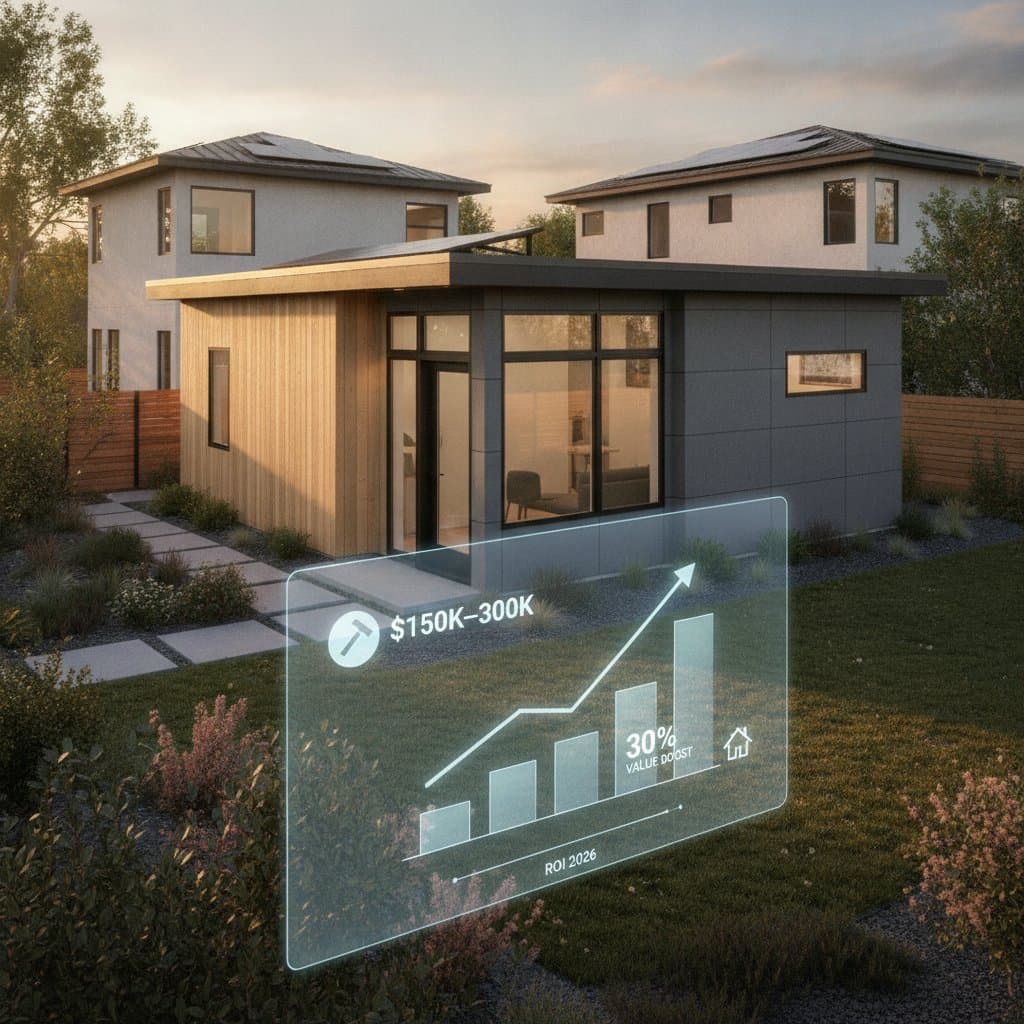
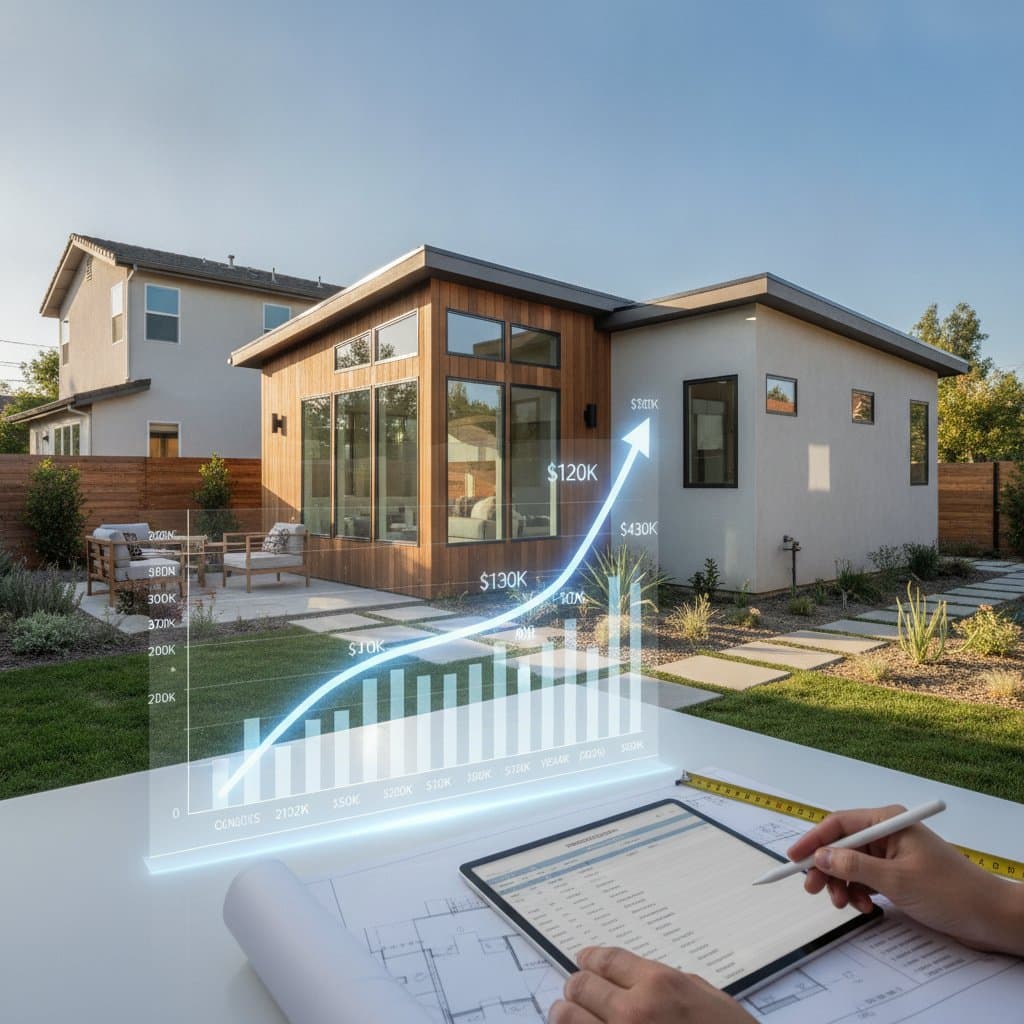
ADU investments elevate property value in numerous regions, where homes featuring legal ADUs command higher sale prices than comparable properties without them. The versatility of a secondary living space attracts purchasers seeking income opportunities or accommodations for multiple generations. As housing needs expand, thoughtfully designed ADUs establish themselves as a robust investment approach.
What Drives ADU Costs
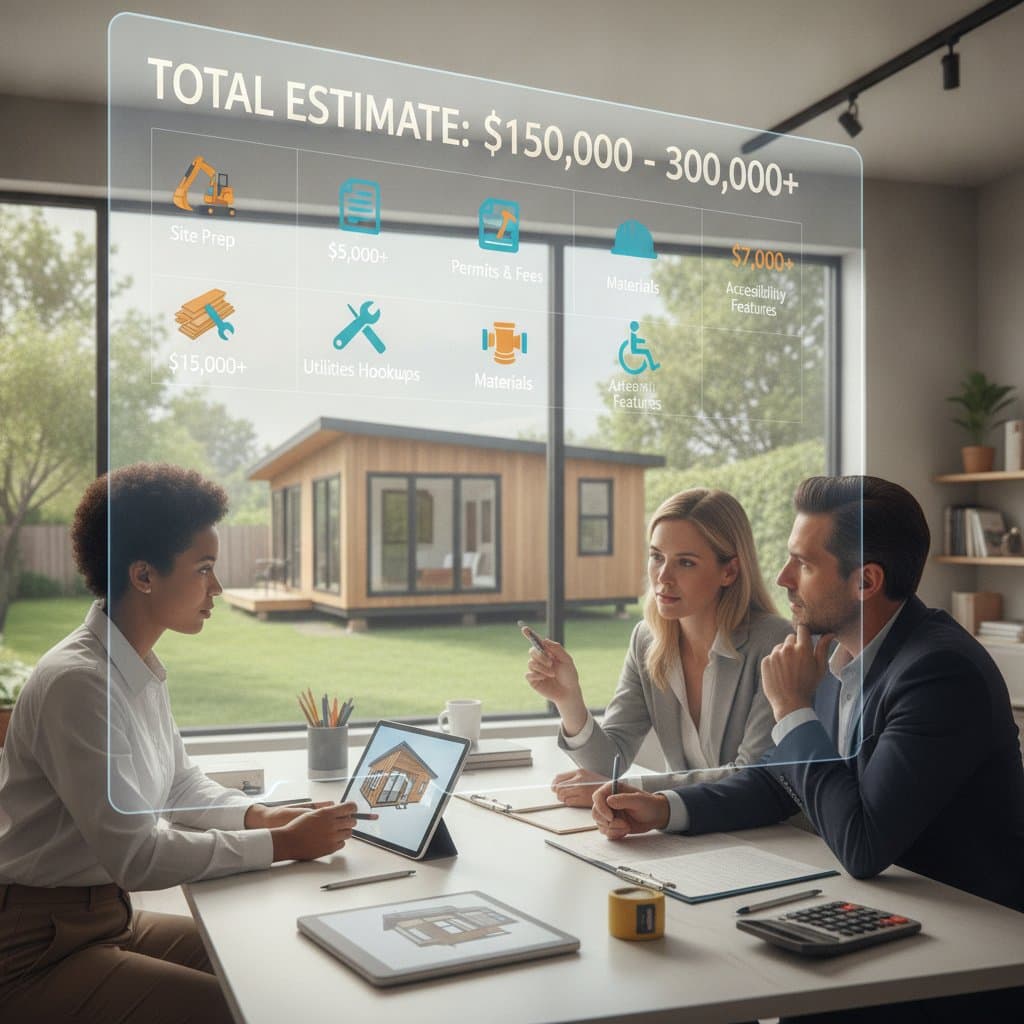
ADU construction expenses fluctuate based on site characteristics, design intricacy, material selections, and regional regulations. Homeowners who grasp these variables establish realistic budgets and sidestep unexpected expenditures.
-
Size and Layout
Square footage exerts the greatest influence on overall cost, as larger units demand more materials, labor, and infrastructure such as plumbing and electrical systems. Opt for compact configurations like studios or one-bedroom layouts to achieve affordability without sacrificing rental viability. For instance, a 500-square-foot unit often balances cost efficiency with practical utility. -
Construction Type
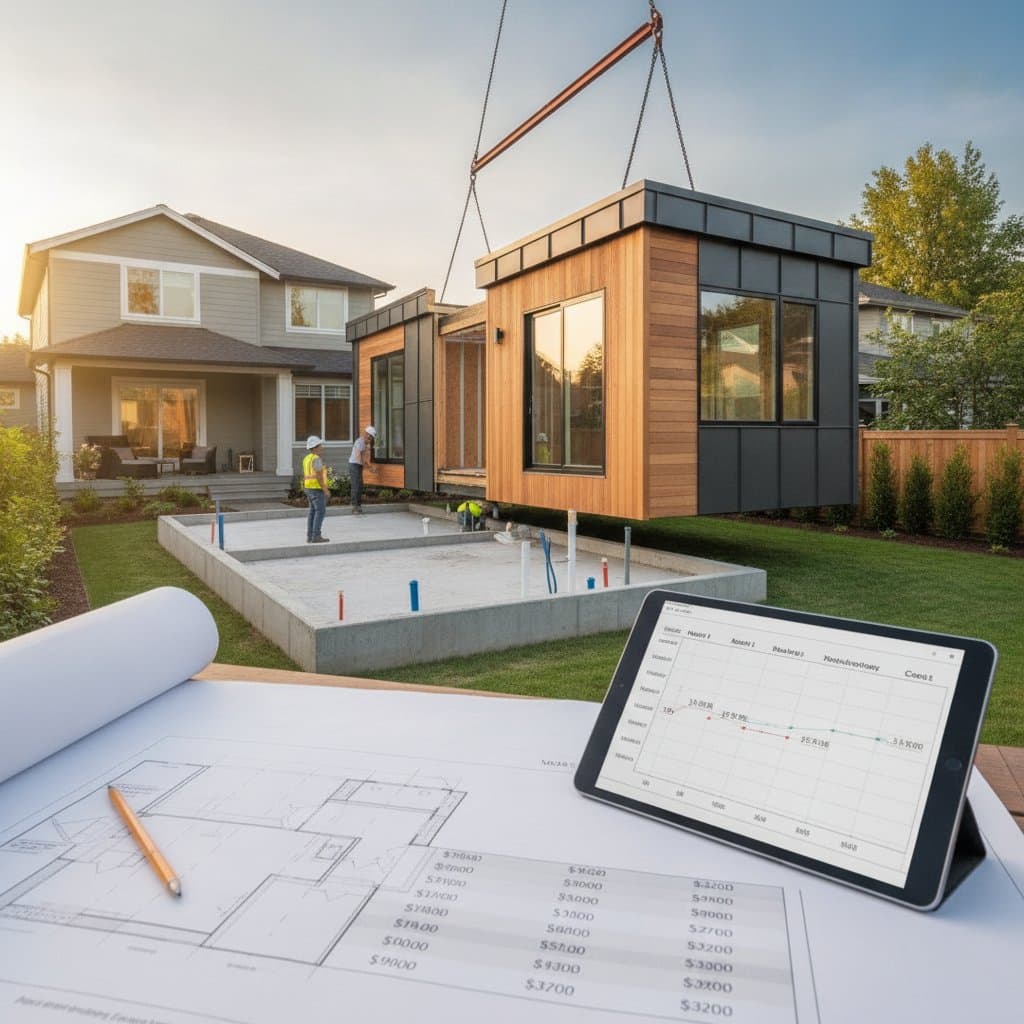
- Detached ADU: This independent structure requires construction from the foundation upward, providing seclusion and design freedom at a higher per-square-foot expense.
- Attached ADU: By sharing walls with the main residence, this option simplifies building processes and reduces costs, although it necessitates careful structural alignment.
- Garage Conversion: Among the most budget-friendly paths, this method leverages pre-existing foundations and walls, concentrating upgrades on elements like insulation, plumbing, and interior finishes.
-
Site Preparation
Tasks including grading, utility connections, and foundation installation can substantially elevate expenses. Properties with level terrain and straightforward access incur lower preparation costs than those on slopes or in restricted areas. Anticipate supplementary outlays if electrical panels or sewer systems require enhancements to meet code standards. -
Design and Finishes
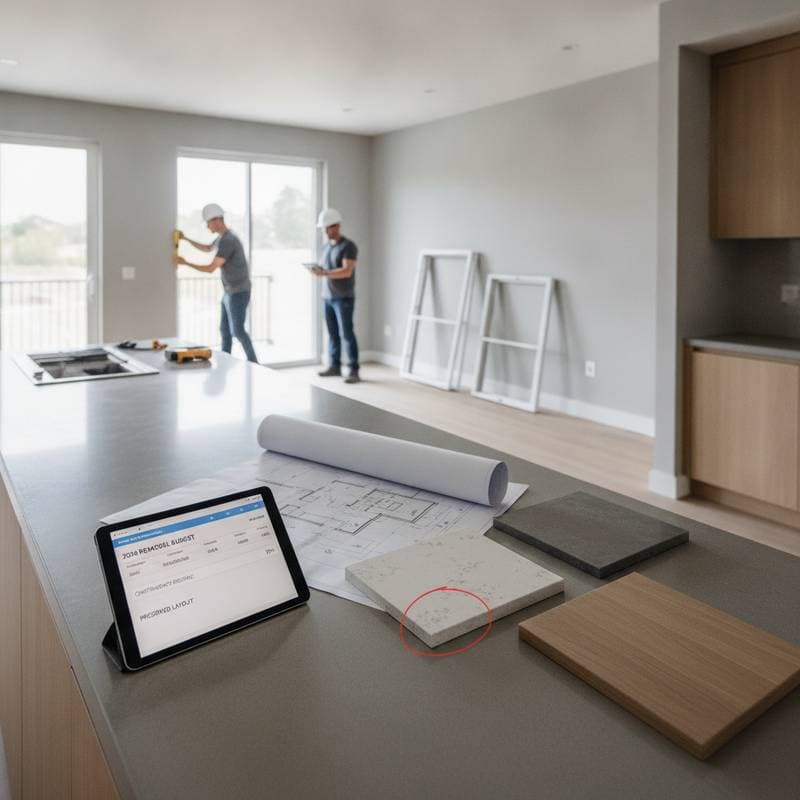
Elements such as bespoke cabinetry, intricate tile installations, and high-end fixtures improve aesthetics and functionality, yet they inflate budgets. Homeowners should weigh premium selections against everyday usability; resilient, low-maintenance options like vinyl plank flooring deliver enduring value. Prioritize features that align with intended use, such as durable countertops for rental properties. -
Permitting and Fees
Municipal authorities impose permit fees and impact charges for new builds, with amounts differing significantly across locations. Early familiarity with zoning rules and submission processes prevents project setbacks. Consult local planning departments to identify any incentives, such as fee reductions for energy-efficient designs. -
Labor and Market Conditions
Labor costs for skilled tradespeople vary with regional demand and economic factors. Peak construction periods may lead to elevated rates and extended timelines for availability. Secure commitments from contractors in advance and monitor material price fluctuations to stabilize project expenses.
Typical Cost Ranges
Projects differ widely, yet general benchmarks provide a starting point for budgeting. Garage conversions typically fall in the lower tier, particularly when the original structure remains structurally sound. Attached ADUs occupy a middle range, benefiting from shared utilities and walls.
Detached ADUs command the upper tier due to independent foundations, utility lines, and roofing systems. Even modest units can escalate in price with bespoke elements or luxury finishes; for example, adding smart home integrations might increase costs by 10 to 15 percent. Evaluate design alternatives to harmonize visual appeal, resident comfort, and financial returns.
Maximizing Your Return on Investment
ADUs generate returns through sustained value creation. Implement these strategies to enhance project outcomes.
-
Design for Flexibility
Develop layouts adaptable to various roles, including rentals, guest quarters, or workspaces. Such versatility supports resale appeal and accommodates evolving needs. A one-bedroom design with open-plan areas, for instance, suits diverse occupants while minimizing construction complexity. -
Choose Durable Materials
Select weather-resistant options for exteriors, such as fiber cement siding, metal roofing, and composite decking. These choices minimize ongoing maintenance and prolong service life, reducing long-term ownership expenses. -
Prioritize Energy Efficiency
Incorporate high-performance insulation, double-glazed windows, and energy-star-rated appliances to curb utility consumption. Consider integrating solar panels or heat pumps, which diminish operational costs and attract environmentally aware tenants. -
Optimize Space with Smart Storage
Integrate built-in shelves, multifunctional furniture, and wall-mounted solutions to expand perceived space in compact units. These additions enhance usability without necessitating larger footprints, thereby preserving budget allocations. -
Match Architectural Style
Align the ADU's roof pitch, exterior cladding, and detailing with the primary home to foster cohesive aesthetics. This consistency bolsters curb appeal and elevates overall property marketability. -
Plan for Privacy
Strategically place windows, entryways, and patios to ensure separation from the main residence. Enhanced privacy elevates livability for all parties and contributes to higher property valuations. -
Understand Rental Potential
Analyze prevailing local rental markets to forecast income streams. Calculate payback timelines by offsetting construction and upkeep expenses against projected rents; in competitive areas, recovery often occurs within three to five years.
Managing Costs During Construction
Effective cost management starts with thorough preparation and persists throughout the build phase.
Obtain bids from at least three ADU-specialized contractors, scrutinizing each for comprehensive scope coverage. Employ standard dimensions and shapes to curtail labor and material inefficiencies. Choose straightforward, pre-fabricated finishes like ready-to-install cabinetry to expedite timelines and economize.
Coordinate utility integrations at the outset with service providers to preempt disruptions. Allocate a contingency fund equivalent to 10 percent of the budget to address unforeseen issues, such as unforeseen soil conditions or regulatory revisions.
Financing Your ADU
Various funding mechanisms facilitate ADU development. Home equity loans or lines of credit enable borrowing against existing property value for construction funding.
Cash-out refinancing replaces the current mortgage with a larger loan encompassing ADU expenses. Construction loans offer temporary financing that transitions to permanent mortgages upon completion. For those with sufficient reserves, direct payments from savings eliminate interest accruals, though they impact available liquidity.
Select financing based on personal objectives, risk appetite, and project schedule. Blending options, such as partial cash contributions with loans, can optimize cash flow and payment structures.
Common Questions
How do I estimate my total ADU cost before starting?
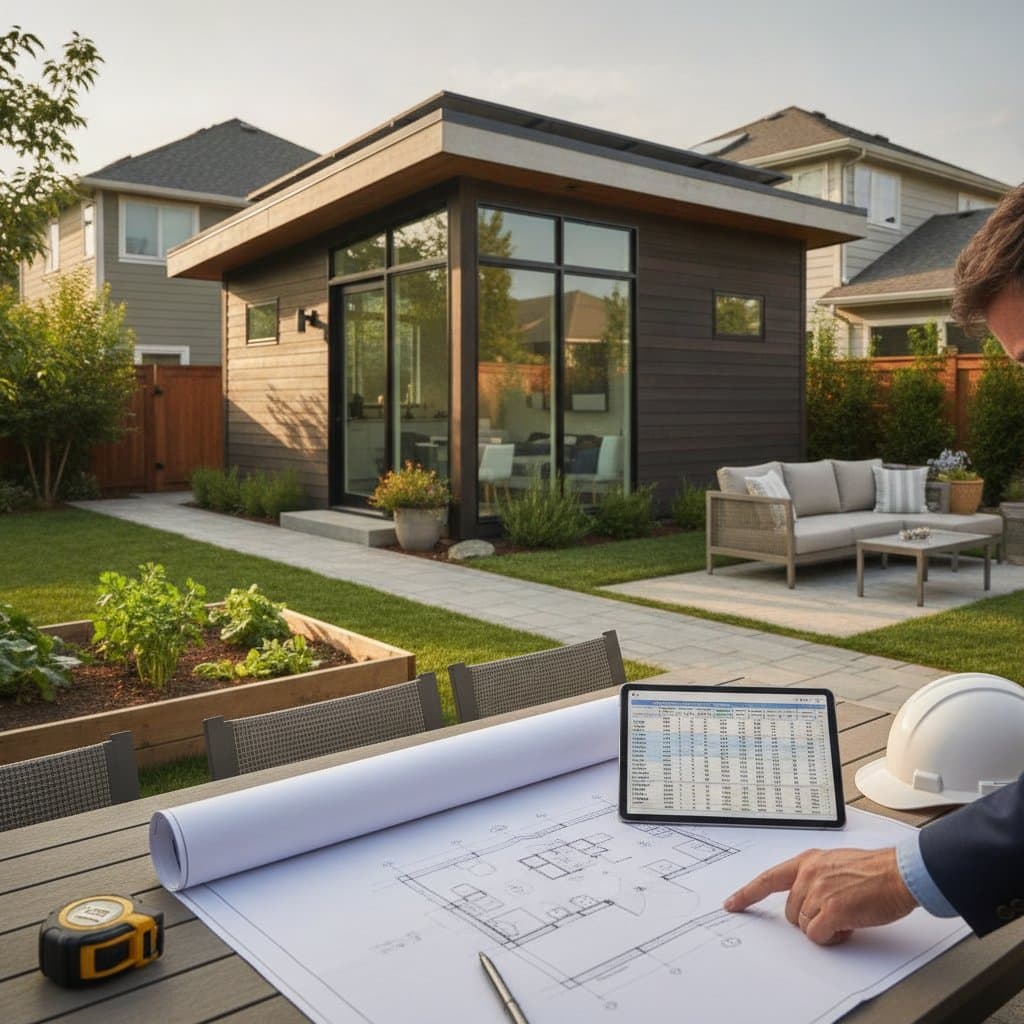
Start by multiplying desired square footage by regional per-square-foot rates, then adjust for site specifics, material grades, and design features. Engage a licensed contractor for a site-specific assessment to refine projections.
Does building an ADU increase property taxes?
Added habitable space generally prompts reassessments and tax hikes. Rental revenues or enhanced sale prices typically compensate for these increments over time.
Can I manage construction myself to save money?
Knowledgeable homeowners may serve as general contractors, but this demands substantial time, vendor oversight, and code expertise. Professional contractors guarantee adherence to standards and mitigate risks.
What is the best size for rental potential?
Configurations from 400 to 800 square feet offer optimal comfort and cost control, appealing to stable tenants while containing build expenses.
Maintaining Your Investment
Post-construction care safeguards investment returns. Conduct annual inspections of exteriors to detect deterioration, and perform routine tasks like gutter cleaning and sealant applications to avert water intrusion.
Arrange periodic servicing for heating, ventilation, and cooling systems, along with appliance maintenance, to sustain performance. Diligent upkeep curtails expenses and preserves attractiveness for occupants.
Effective rental oversight involves thorough tenant vetting, market-aligned pricing, and proactive dialogue. These practices foster reliable occupancy and revenue streams.
Securing Long-Term Benefits
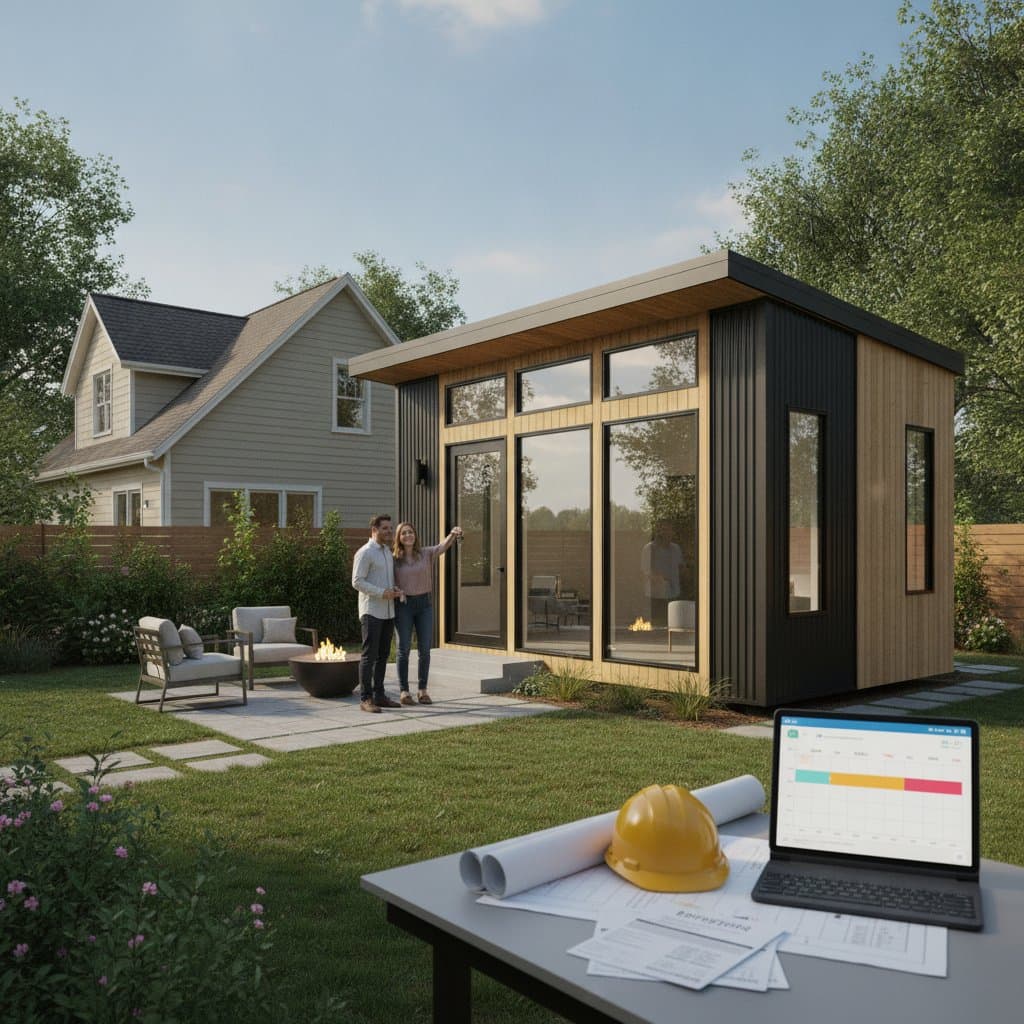
ADU projects demand strategic foresight, yet they yield enduring financial and practical advantages. Emphasize efficient designs, superior energy features, and robust builds to realize full potential. Integrate prudent economies with lasting quality to fortify property worth. Through deliberate planning, an ADU transcends mere expansion, delivering dependable income and utility for the household.