
2026 Prefab ADU Costs: Detailed Pricing and Permit Requirements
Quick Overview
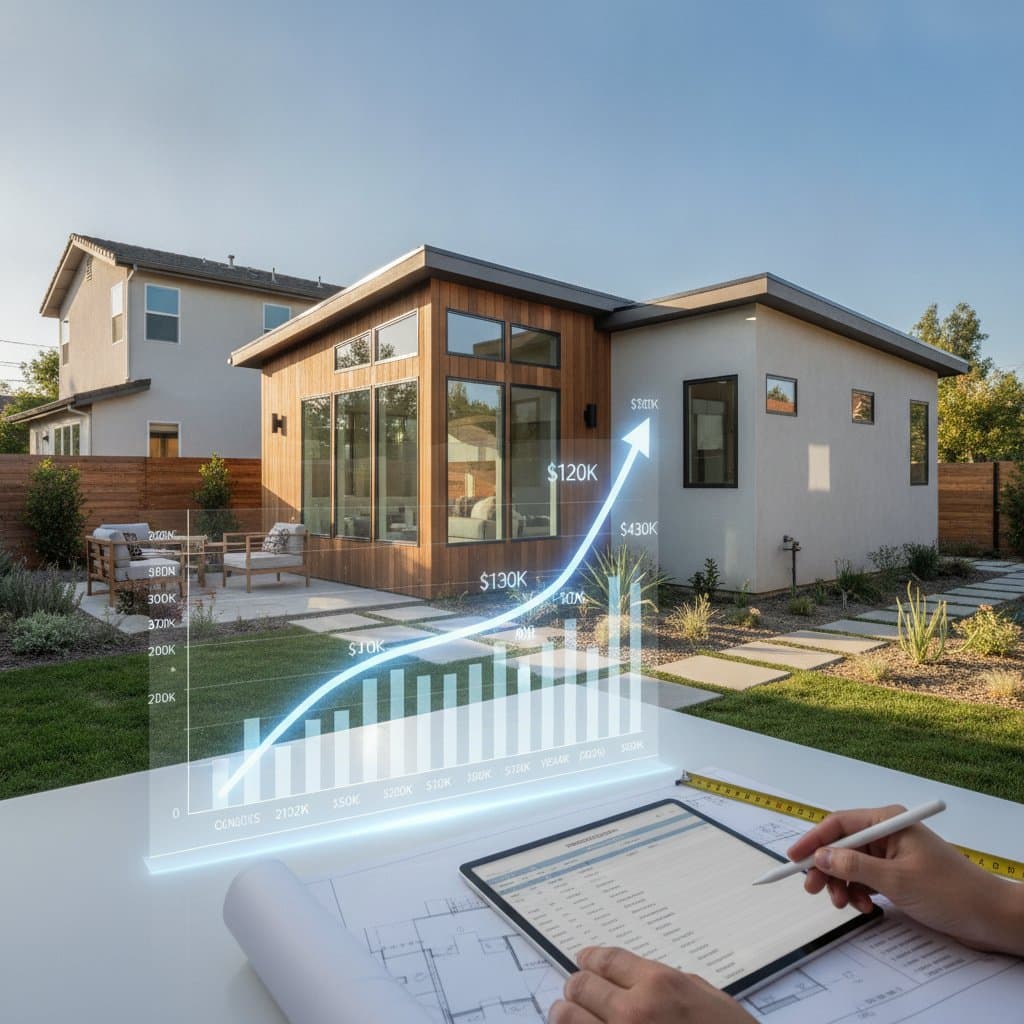
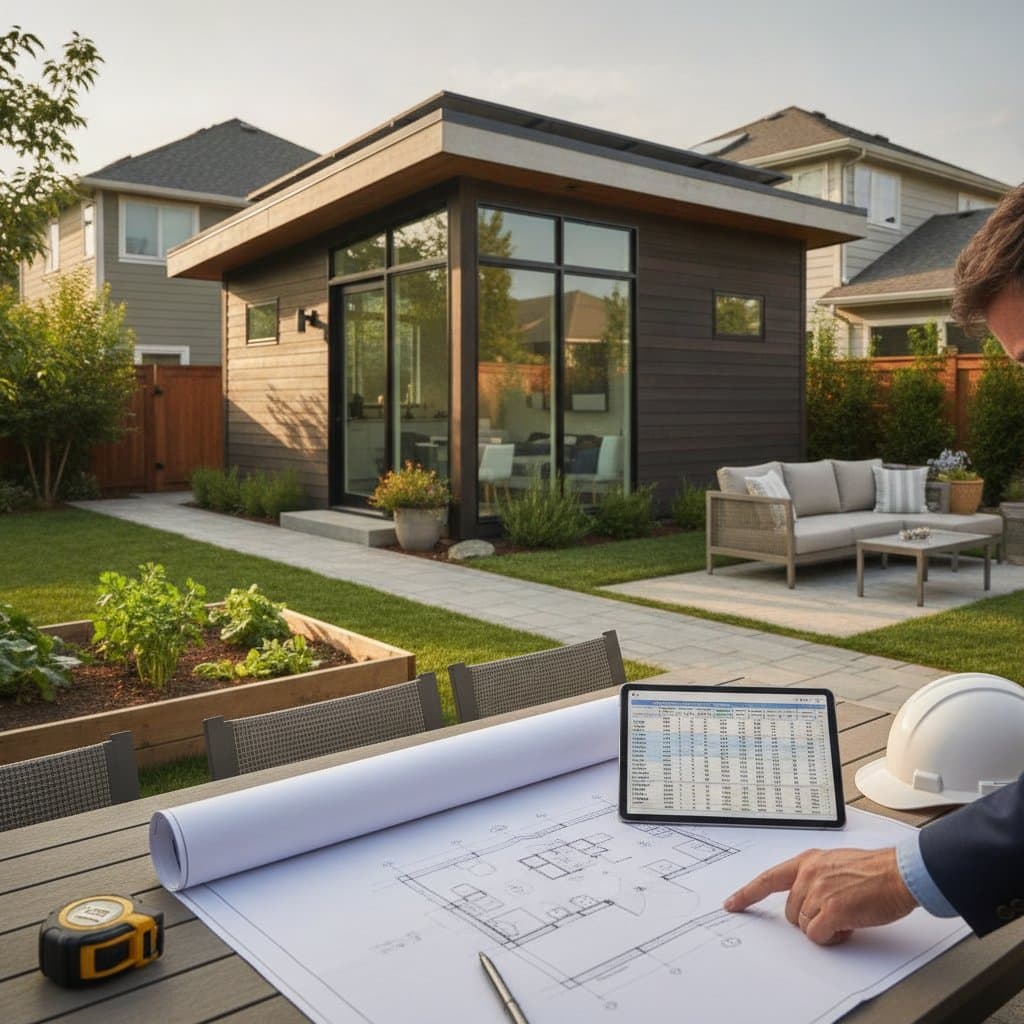
Prefab accessory dwelling units, known as ADUs, consist of compact, factory-constructed homes transported to a property for efficient assembly. These units provide homeowners with additional living areas, opportunities for rental revenue, or secluded guest accommodations. A standard prefab ADU ranges in cost from $180,000 to $320,000, encompassing permits, site preparation, and installation. Projects typically span two to six months, influenced by site specifics and regulatory approvals. Homeowners face moderate risks when engaging licensed contractors and refraining from personal involvement in structural or electrical tasks.
Step-by-Step Guide to Building a Prefab ADU
1. Verify Local Zoning and Property Eligibility
Contact your local planning department by phone or in person to determine if your property supports an ADU.
- Review minimum lot dimensions and required setbacks from property lines.
- Confirm allowable maximum dimensions and height limits for detached structures.
- Inquire if prefab designs comply with regional energy efficiency and fire safety standards.
Milestone: Obtain written confirmation or zoning approval indicating ADU permissibility.
2. Choose the Appropriate Unit Type
Prefab ADUs fall into three primary categories:
- Panelized kits: Pre-fabricated wall and roof panels assembled directly on-site.
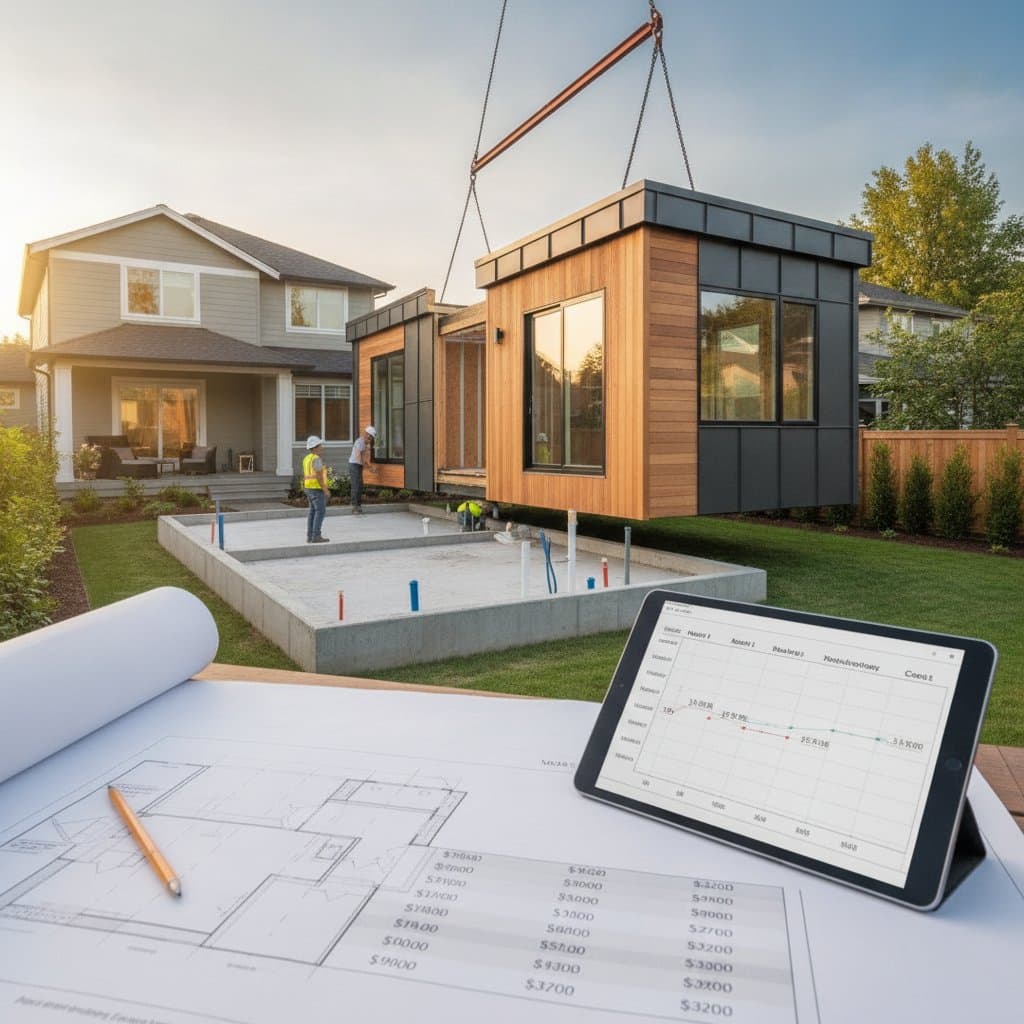
- Modular units: Complete sections constructed in a factory and positioned via crane.
- Container-based units: Repurposed steel shipping containers adapted for residential use.
Evaluate factors such as insulation ratings, structural load capacities, and included warranties.
Milestone: Select a model compatible with your site constraints and regulatory standards.
3. Conduct Site Survey and Utility Evaluation
Engage a certified surveyor to map property boundaries and assess elevation levels. Consult a civil engineer or experienced contractor to examine drainage patterns and utility availability.
- Locate the closest connections for water, sewer, and electrical services.
- Map out secure pathways for trenching to facilitate utility extensions.
Milestone: Develop a detailed site plan illustrating access routes and terrain gradients.
4. Submit Building Permit Applications
Provide the prefab manufacturer's engineering drawings, site schematics, and utility configurations to the authorities.
- Attach specifications for the foundation, energy performance documentation, and fire safety provisions.
- Cover fees associated with plan reviews and permit issuance.
Milestone: Secure an approved, officially stamped permit package from the local building department.
5. Execute Site Preparation and Foundation Work
Retain a licensed contractor to handle grading, soil compaction, and foundation pouring.
Caution: Inaccurate foundation leveling may result in drainage problems and invalidate manufacturer warranties.
- Specify concrete with a minimum strength of 3,000 pounds per square inch.
- Incorporate anchor bolts or plates according to the manufacturer's precise guidelines.
Milestone: Achieve foundation inspection approval, ensuring precise alignment with the unit's base dimensions.
6. Arrange Delivery and Utility Preparations
Align schedules between the prefab supplier and your general contractor.
- Ensure unobstructed pathways for delivery vehicles and cranes.
- Prepare stub-outs for electrical, plumbing, and sewer connections in advance.
Milestone: Verify utility readiness and confirm site accessibility with the delivery team.
7. Install and Integrate the Unit
Position the unit on the foundation using a crane or specialized truck.
- Fasten the structure with anchor plates and apply torque to manufacturer-specified levels.
- Employ licensed specialists to link plumbing, electrical, and heating, ventilation, and air conditioning systems.
Milestone: Perform tests on all connections, confirming the unit remains level without discernible separations.
8. Arrange Final Inspections
The building department will inspect structural integrity, utility installations, smoke detection systems, and emergency egress features.
Milestone: Receive the certificate of occupancy, authorizing full utilization of the ADU.
Essential Quality Assurance and Problem Resolution
Frequent Challenges
- Irregular foundation surfaces: These lead to misaligned doors or fractured interior walls. Confirm flatness prior to unit placement.
- Inadequate drainage: Water accumulation around the base promotes mold growth or ground instability. Incorporate gutter systems and diversion channels.
- Faulty electrical wiring: Indicators include intermittent lighting or circuit interruptions. Promptly schedule a licensed electrician for evaluation.
Straightforward Remedies
- Repair minor wall fissures with joint compound followed by matching paint application.
- Align cabinetry or window frames using the provided manufacturer adjustment tools.
- Renew door seals to eliminate air infiltration.
Engaging Professional Assistance
Scenarios Necessitating Expert Intervention
- Utility integrations for electrical or plumbing: Mandate services from certified electricians or plumbers.
- Alterations to structure: Wall removals or roof modifications require engineered designs.
- Foundation corrections: Select concrete specialists experienced in ADU foundations.
Standard rates for professionals: - Electricians: $80 to $130 per hour.
- Plumbers: $90 to $150 per hour.
- Excavation or foundation work: $4 to $10 per square foot.
Selecting Reliable Contractors
- Validate state-issued licenses and proof of insurance coverage.
- Request references from at least three comparable ADU installations.
- Examine the contract thoroughly, verifying inclusions for project scope, materials, and phased payments.
- Limit initial payments to no more than 10 percent or $1,000, unless mandated by regulations.
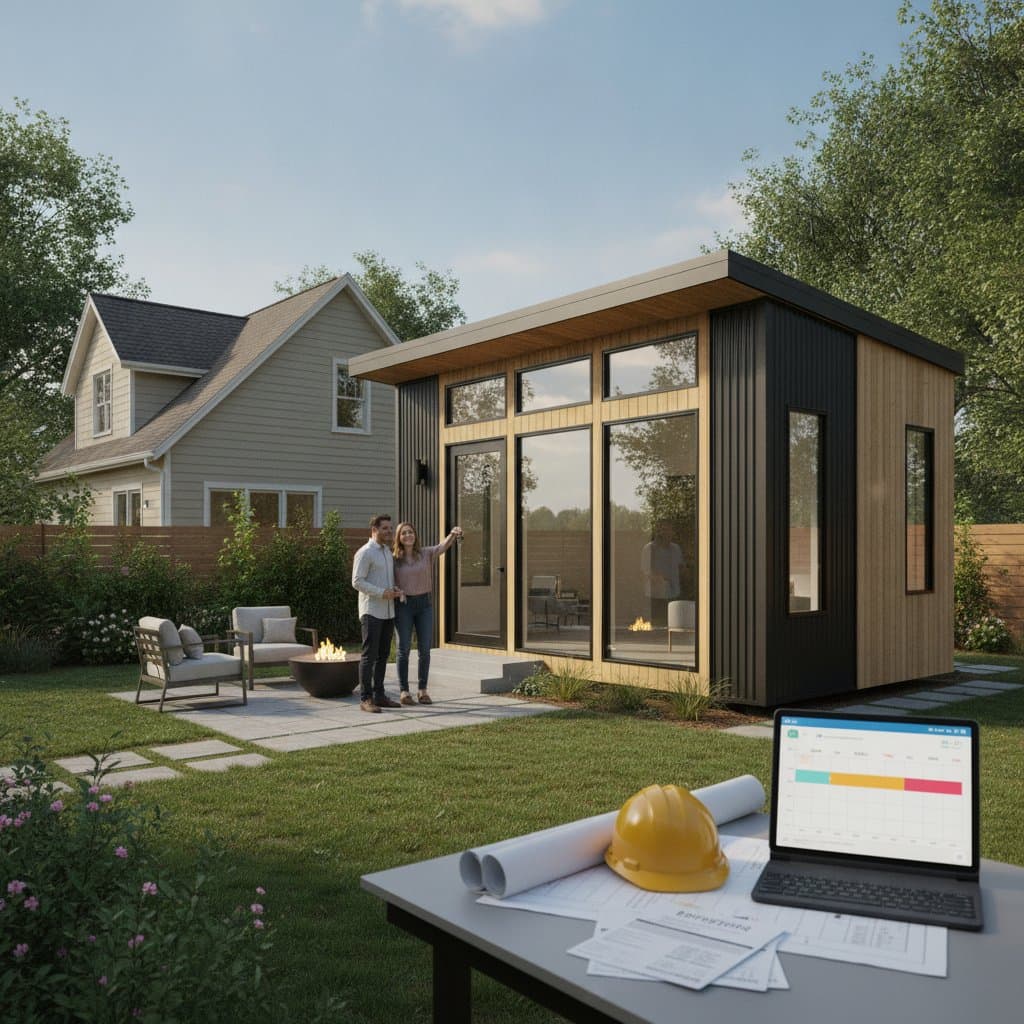
Project Timeline Summary
- Design and permitting phases: 4 to 12 weeks.
- Site and foundation preparation: 2 to 4 weeks.
- Factory fabrication: 4 to 8 weeks.
- Delivery and connections: 1 to 2 weeks.
- Inspections and occupancy: 1 week.
Factors such as inclement weather, service upgrades, or inspection delays may prolong the schedule. Incorporate explicit timelines within contractual agreements.
Expert Recommendations for Optimal Results
- Assess utilities at the outset: Evaluate existing capacity for water, sewer, and power prior to unit selection.
- Evaluate delivery pathways: Gauge gate openings and overhead spaces to accommodate transport equipment.
- Allocate a buffer budget: Set aside 10 percent of total funds for unforeseen expenses, such as soil remediation or line relocations.
- Record progress meticulously: Capture images of foundational elements and utility excavations before covering.
- Initiate inspections without delay: Postponed reviews can impede occupancy certification.
- Review warranty terms carefully: Adhere to designated maintenance protocols and restrictions on modifications.
Achieving a Successful Prefab ADU Project
Constructing a prefab ADU enhances living capacity and unlocks revenue possibilities for your property. Initiate with thorough zoning verification, secure qualified professionals, and adhere to secure assembly protocols to navigate the process effectively. This approach yields time savings over traditional custom constructions while satisfying code requirements and ensuring resident comfort. Maintain organization, retain all documentation including permits and warranties, and perform routine upkeep. Through diligent preparation and supervision, your prefab ADU becomes a robust, energy-efficient addition to your residence.
Frequently Asked Questions
What factors influence the final cost of a prefab ADU? Costs vary based on unit size, site complexity, utility extensions, and regional permit fees. Basic models start at $180,000, while larger or customized options approach $320,000.
How long does the entire process take? From planning to occupancy, expect 2 to 6 months, with potential extensions due to weather or approvals.
Do I need separate permits for utilities? Yes, electrical and plumbing connections require specific inspections and approvals alongside the main building permit.
Can prefab ADUs be financed like primary homes? Many lenders offer loans similar to home equity or construction financing; consult a mortgage specialist for options.
What maintenance is required post-installation? Regular checks on foundation stability, roof integrity, and systems like HVAC ensure longevity; follow manufacturer schedules.