Unpacking the True Costs of ADU Construction in 2026
An accessory dwelling unit (ADU) offers homeowners opportunities to enhance property value, secure rental income, and provide additional living space for family members or guests. Before embarking on the design of a backyard cottage or attached unit, property owners benefit from a clear grasp of construction expenses and strategies to optimize spending without compromising durability or aesthetics.
This detailed guide examines the primary elements that determine ADU costs, including dimensions, material selections, design intricacies, and labor requirements. It provides guidance on engaging professionals, establishing a realistic budget, and evaluating potential financial returns to support informed decision-making throughout the project.
Key Factors Influencing ADU Construction Expenses
Multiple elements shape the overall expense of an ADU build. A thorough understanding of these components enables better planning and resource allocation.
Size and Layout Considerations
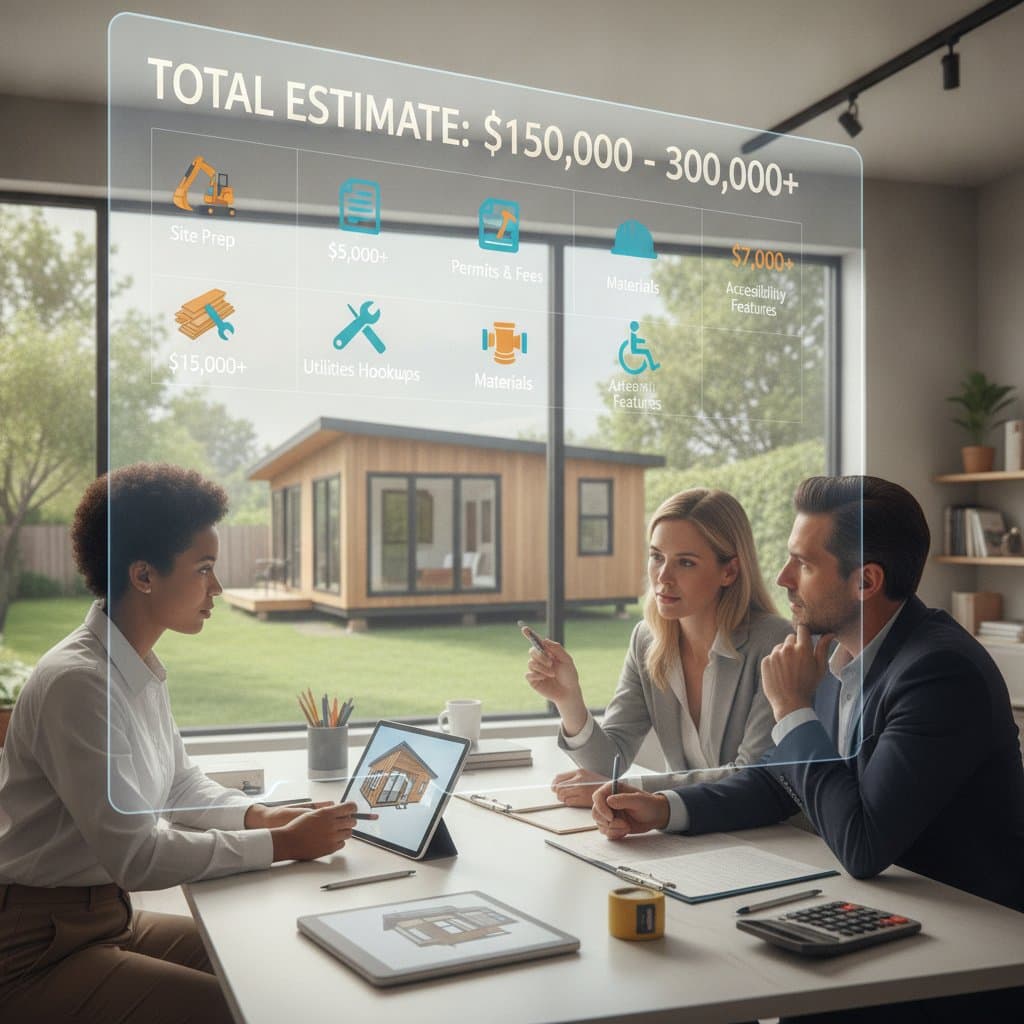
Detached ADUs typically span 400 to 1,000 square feet, with costs varying significantly based on scale. For instance, a compact 400-square-foot unit featuring a basic kitchenette and bedroom might total $180,000 to $240,000, covering essential framing, roofing, and interior partitioning. Larger configurations, such as 800-square-foot designs with separate living rooms, full bathrooms, and expansive kitchens, often exceed $300,000 and approach $350,000 when incorporating multi-room layouts.
To minimize expenses, prioritize efficient space utilization, such as open-plan designs that reduce the need for additional walls and doors. Integrating the ADU with existing property utilities, like shared water lines or electrical feeds, further trims connection fees and avoids redundant infrastructure.
Foundation and Utility Integration
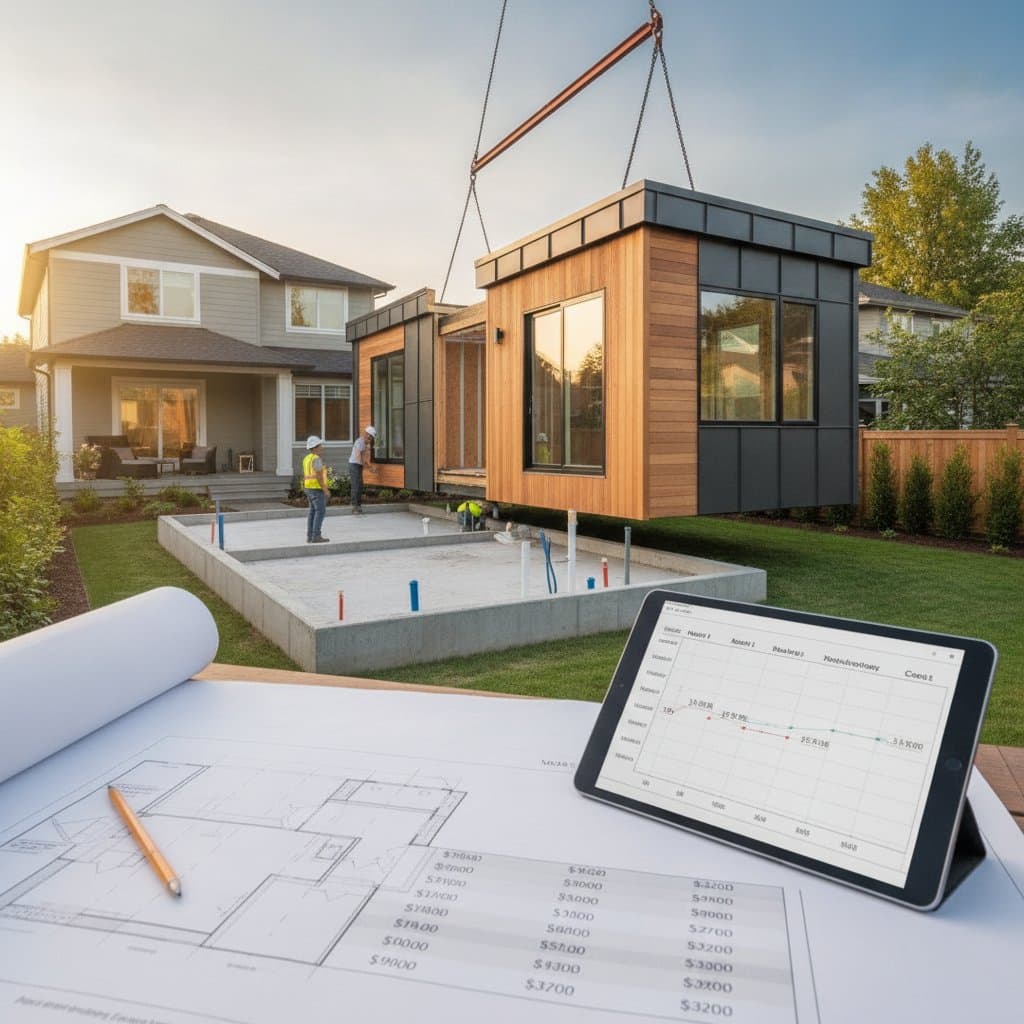
Site preparation forms a foundational expense, with foundation work ranging from $20,000 to $40,000. This cost depends on soil stability; for example, rocky terrain may necessitate specialized excavation techniques, while soft soil requires reinforced concrete slabs to prevent settling. Accessibility plays a role as well; remote or sloped lots increase equipment mobilization charges.
Utility connections contribute another $15,000 to $30,000, encompassing ties to municipal water, sewer, and power grids. Properties needing extensive trenching for underground lines or system upgrades, such as increasing electrical panel capacity from 100 to 200 amps, can elevate these figures by 50 percent. Consulting local utility providers early identifies potential rebates for energy-efficient installations, offsetting initial outlays.
Material Selections and Finish Quality
Choices in materials directly impact both budget and visual appeal. Opting for standard options like vinyl plank flooring at $3 to $5 per square foot, laminate countertops at $20 to $40 per square foot, and stock cabinetry keeps total material costs to 30 to 40 percent of the project budget. These selections deliver functional, attractive results without excessive spending.
High-end alternatives, including hardwood floors, quartz surfaces, or custom millwork, can inflate expenses by 20 to 30 percent, pushing a mid-range build toward the upper cost spectrum. Incorporating energy-efficient features, such as double-pane windows rated for low U-values or advanced insulation like spray foam, adds $5,000 to $10,000 upfront. Over time, these investments yield savings through reduced utility bills, often recouping costs within five years via lower heating and cooling demands.
Design Development and Permitting Processes
Professional design services, including architectural drafting and structural engineering reviews, typically represent 10 to 15 percent of the total budget, or $18,000 to $52,500 for projects in this range. Permitting fees vary by locality but average $2,000 to $5,000, covering plan submissions, zoning compliance checks, and environmental assessments.
Certain municipalities streamline ADU approvals through pre-approved plan libraries or fast-track programs, which can halve review times from six months to three. Engaging a local architect familiar with regional codes ensures designs align with setback requirements and height restrictions, preventing delays and rework that could add thousands in holding costs.
Weighing DIY Approaches Against Professional Services
Homeowners with relevant skills may undertake finishing tasks, such as applying interior paint in neutral tones or installing simple landscaping elements like gravel paths. These efforts can save $5,000 to $10,000 on smaller projects by leveraging personal labor.
However, core elements like foundation pouring, load-bearing framing, plumbing rough-ins, and electrical wiring demand licensed experts to meet safety standards and avoid liability issues. A general contractor coordinates subcontractors, secures material deliveries, and oversees quality control, typically adding 15 to 20 percent to the budget in fees.
Design-build firms offer an integrated solution, handling everything from initial sketches to final inspections. This approach minimizes communication gaps and timelines, ideal for complex sites where custom solutions address unique challenges like uneven grading or heritage overlays.
Calculating Return on Investment for ADUs
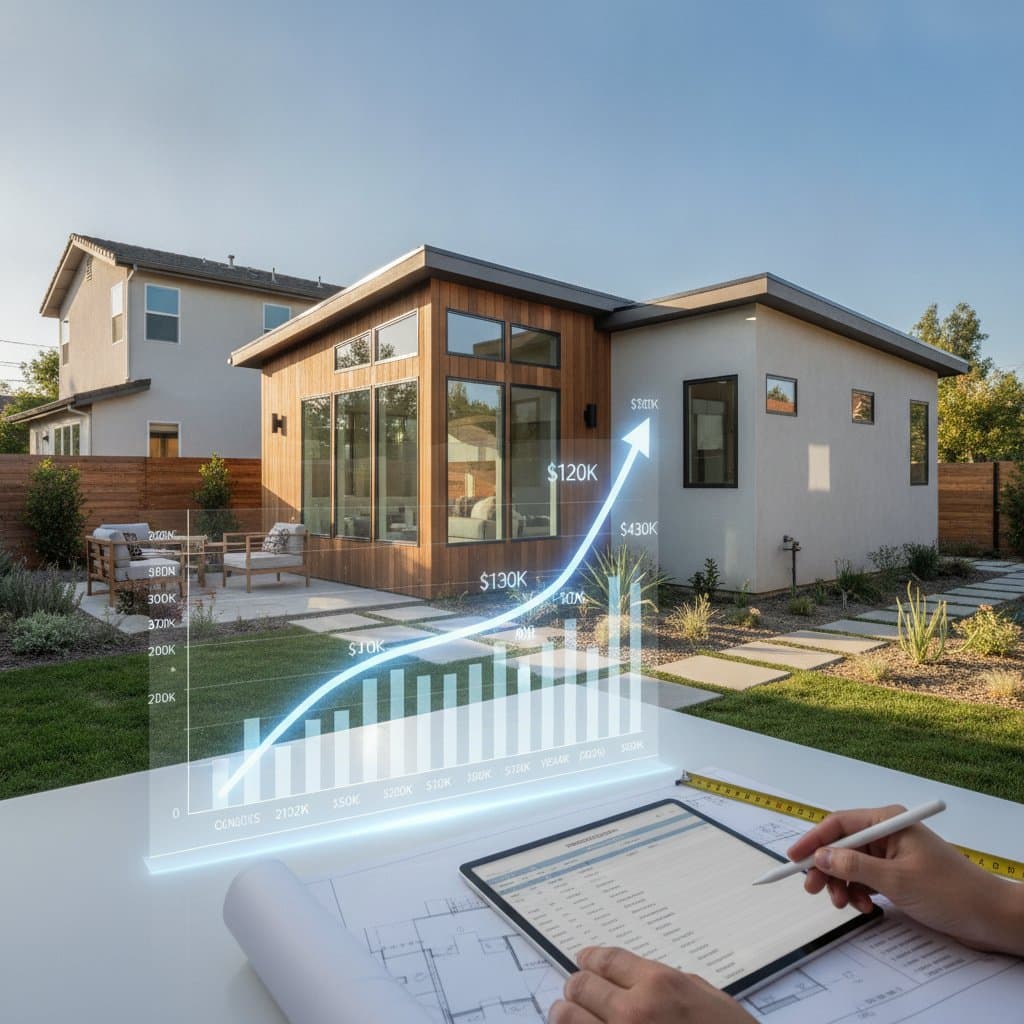
Well-executed ADUs enhance home resale values by 20 to 30 percent, particularly in urban areas with housing shortages. For a $800,000 property, this translates to an added $160,000 to $240,000 in market worth, depending on the unit's finish level and integration with the main residence.
Rental potential provides ongoing revenue, with monthly leases ranging from $1,500 to $2,500 in mid-sized cities, covering mortgage offsets within 7 to 10 years. Factors like proximity to transit hubs or schools amplify appeal, while tax incentives for secondary units in some states further improve long-term profitability.
Practical Strategies to Control ADU Expenses
- Develop a budget framework upfront. Outline fixed costs like permits alongside variable ones such as material fluctuations to create a 10 to 15 percent contingency fund.
- Select pre-approved design templates. Municipal resources often provide compliant plans for $500 to $2,000, bypassing full custom drafting fees.
- Focus on compact footprints. Units under 600 square feet require 20 to 30 percent less material and labor, ideal for single-occupancy needs.
- Incorporate mid-tier durable finishes. Materials like porcelain tile for bathrooms and fiber cement siding offer longevity at moderate prices, balancing aesthetics and upkeep.
- Leverage existing infrastructure. Tying into the primary home's utilities eliminates separate metering fees, which can exceed $10,000 in some areas.
- Schedule during off-peak seasons. Building in late fall or winter may secure lower contractor rates and faster material availability.
Indicators for Engaging Professional Expertise
Professional involvement becomes essential for projects involving new foundations, seismic retrofitting in earthquake-prone zones, or extensive utility rerouting. Verify a contractor's licensing through state boards, review at least three client references from similar ADU jobs, and confirm comprehensive insurance including workers' compensation and general liability.
Obtain bids from multiple firms using detailed scope documents that specify square footage, material grades, and timelines. An experienced ADU specialist navigates nuances like variance applications for non-standard lots or energy code compliance, streamlining inspections and reducing revision expenses.
Frequently Asked Questions on ADU Expenses
What is the typical construction timeline for an ADU?
Projects generally span four to nine months, influenced by seasonal weather, permitting durations, and design scope. Simple attached units may complete in four months, while detached builds on challenging sites extend to nine.
Are separate utility meters mandatory for ADUs?
Regulations differ; some areas permit shared metering for water and electricity to simplify billing, whereas others mandate independence for safety and revenue tracking. Review municipal guidelines and consult utilities prior to design finalization.
What financing options exist for ADU projects?
Home equity lines of credit, cash-out refinances, or specialized renovation loans provide accessible funding. Interest rates often range from 4 to 7 percent, with terms up to 20 years, making monthly payments manageable against projected rental income.
How do ongoing maintenance expenses factor in?
Annual costs average $1,000 to $2,000, covering tasks like gutter cleaning to prevent water damage, plumbing inspections for leak prevention, exterior repaints every five to seven years, and HVAC filter replacements or tune-ups biennially.
Launching Your ADU Project with Confidence
Constructing an ADU represents a strategic investment in your property's future. Begin by defining your objectives, whether for rental generation or family accommodation, then assemble a budget grounded in local cost data. Collaborate with a vetted builder to transform plans into reality, ensuring compliance and efficiency every step of the way. With diligent preparation, your ADU will deliver lasting value and versatility.