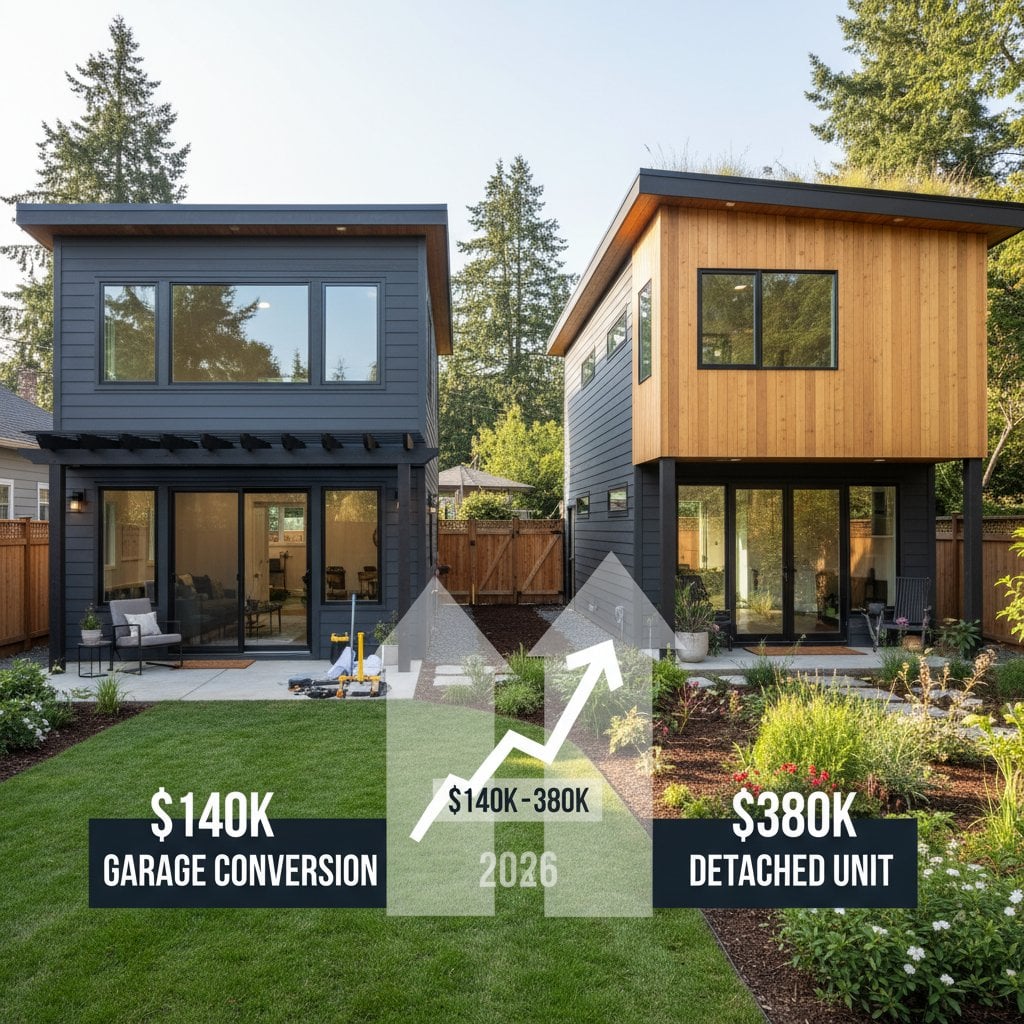
2026 ADU Costs: Essential Budgeting Guide for Accessory Dwelling Units
Accessory Dwelling Units, commonly known as ADUs or granny flats, provide homeowners with versatile options to enhance property value or generate rental income. The expenses associated with constructing an ADU fluctuate significantly based on multiple variables. This guide details anticipated costs, identifies primary influences on pricing, and offers strategies for effective financial planning.
Overview of Expected Costs
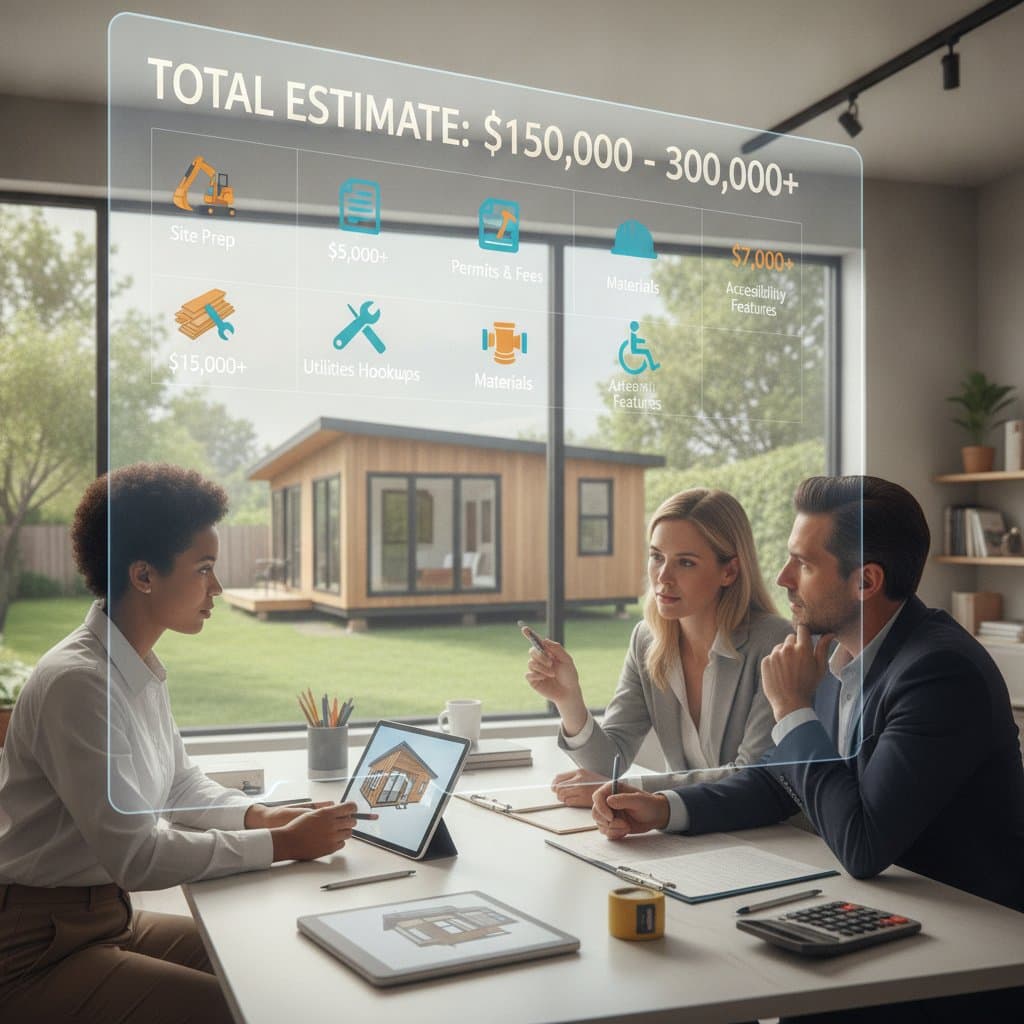
Homeowners typically invest between $140,000 and $380,000 to complete an ADU. The average expenditure approaches $250,000 for a medium-sized unit equipped with standard features. Pricing varies according to dimensions, foundation requirements, material selections, labor rates, and utility integrations. Prefabricated or modular options generally position at the lower spectrum, whereas bespoke constructions or those incorporating luxury elements extend to the higher end.
Key Influences on Expenses
- Dimensions and configuration: Expanded layouts elevate demands for framing, roofing, and interior detailing.
- Building method: Independent structures incur greater costs compared to conversions of existing garages or attached extensions.
- Site foundation and preparation: Uneven terrain or necessary utility enhancements substantially raise outlays.
- Level of interior detailing: Selections for cabinetry, surfaces, and installations can alter the total by tens of thousands of dollars.
- Workforce and planning: Regional compensation levels and design intricacy impact the overall sum.
Pricing by Dimensions and Configuration
ADU expenses correlate directly with square footage. Compact studio designs command considerably less than comprehensive two-bedroom arrangements.
| ADU Configuration | Standard Dimensions (sq. ft.) | Typical Cost Range |
|---|---|---|
| Garage Conversion | 300–600 | $80,000–$160,000 |
| Attached ADU | 400–800 | $150,000–$260,000 |
| Detached ADU | 500–1,000 | $180,000–$380,000 |
| Prefab/Modular ADU | 250–800 | $100,000–$220,000 |
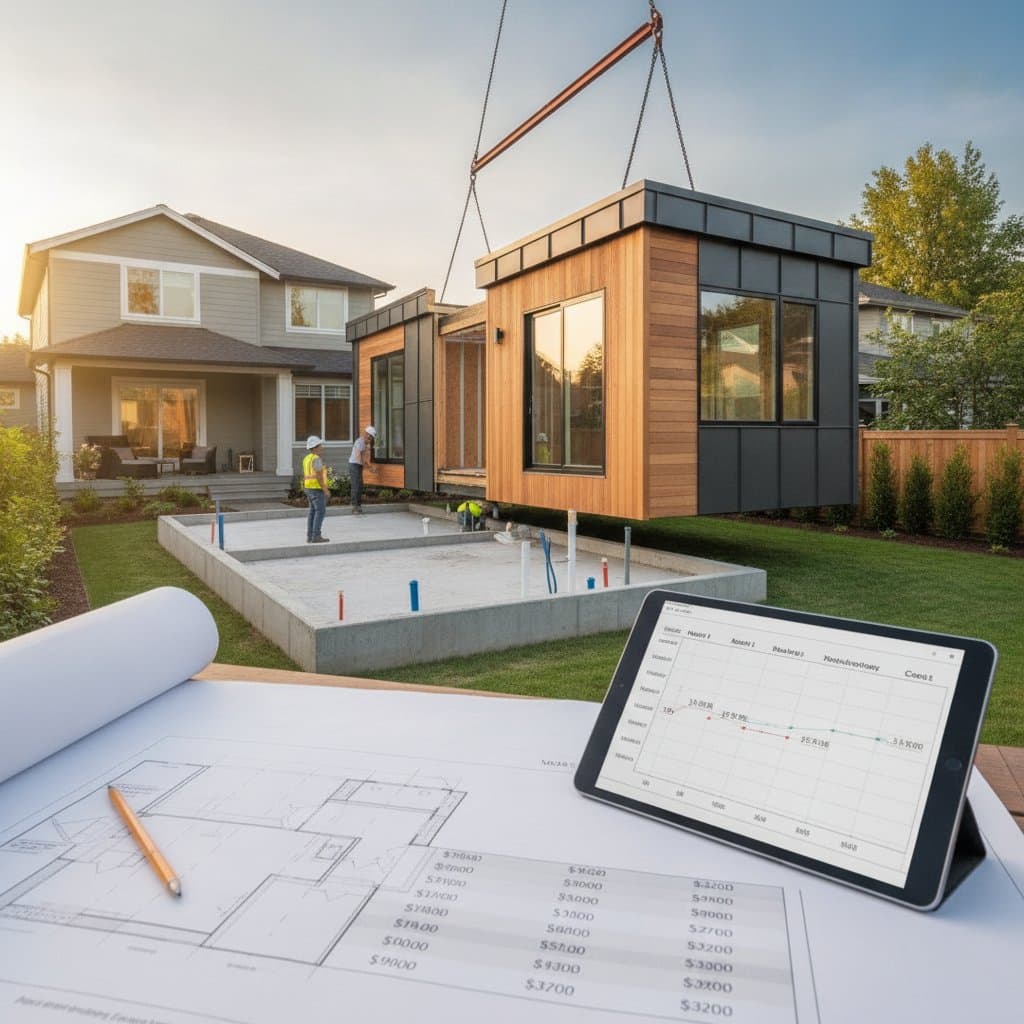
Independent ADUs represent the highest investment due to the necessity of complete foundations and standalone utility systems. Conversions of garages prove more budget-friendly, as the foundational framework exists, although reinforcements for stability or improved insulation may be required.
Breakdown of Contractor Fees and Labor
Labor constitutes 40 to 60 percent of the overall ADU budget. This encompasses foundation installation, structural framing, plumbing systems, electrical wiring, roofing applications, and finishing carpentry. General contractors generally apply a management fee of 15 to 25 percent of the project total.
Design services from architects and engineers contribute an additional $8,000 to $25,000, scaled to the project's sophistication. Permitting processes, including plan examinations and inspections, introduce further costs of $5,000 to $15,000. Municipalities and counties maintain distinct procedures and fee structures, making early verification essential to prevent unforeseen charges.
Engaging certified specialists guarantees adherence to regulations concerning energy efficiency, fire safety, and structural standards. Those pursuing do-it-yourself methods might reduce labor expenses, but errors or regulatory violations often result in expensive corrections.
Supplementary Expense Considerations
Numerous concealed or fluctuating elements affect the ADU budget outside core materials and workforce.
Site Readiness
Tasks such as clearing vegetation, leveling ground, and excavating for utilities range from $5,000 to $25,000, influenced by soil composition and site reachability. Constrained backyard locations frequently necessitate compact equipment or manual efforts, thereby elevating expenses.
Utility Integrations
Linking to primary sewer, water, and power sources may add $10,000 to $30,000. Requirements for distinct metering or enhanced electrical capacity further increase the figure.
Detailing and Installations
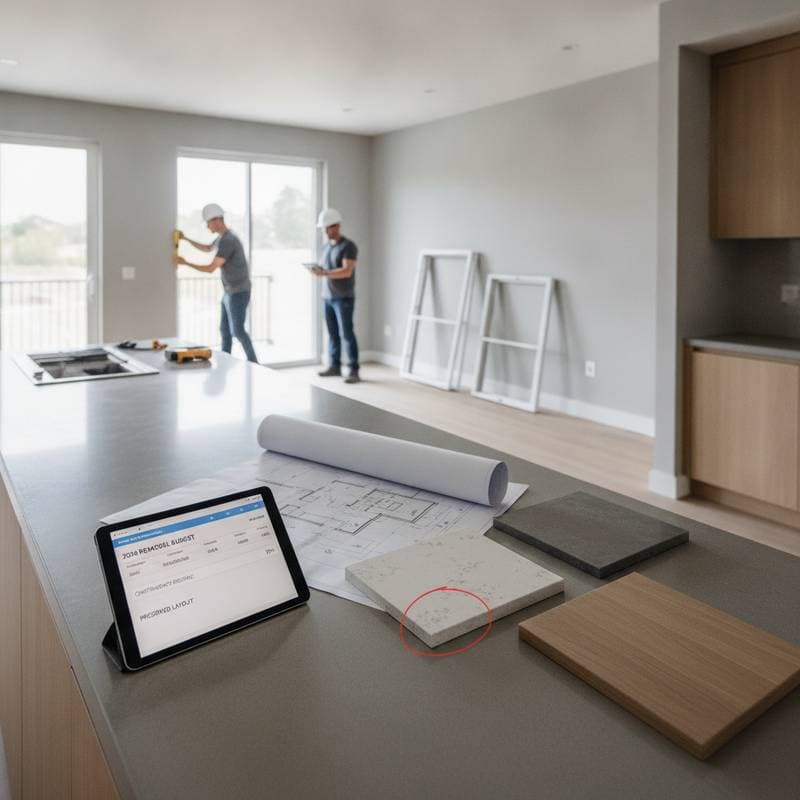
Choices in materials profoundly shift financial commitments. Fundamental options like vinyl surfaces and laminate countertops maintain lower figures, whereas selections such as ceramic tiles, quartz surfaces, or solid wood elevate totals. Enhanced kitchen or bathroom setups can augment costs by $20,000 to $50,000.
Regulatory and Administrative Fees
Local governments impose fees for infrastructure impacts or utility linkages, which differ by region. Certain areas have eliminated or lowered these charges to promote ADU development, while others retain fees amounting to several thousand dollars.
Strategies to Minimize ADU Expenses
- Select a compact layout. Diminishing overall square footage decreases both workforce and material requirements.
- Pursue straightforward architecture. Linear walls, conventional roof designs, and minimal angles shorten construction duration and reduce material waste.
- Leverage pre-existing frameworks. Adapting a garage or basement eliminates foundation and framing investments.
- Choose economical yet resilient materials. Mid-tier options deliver durability without excessive pricing.
- Engage a reliable integrated team. A unified design-build contractor streamlines coordination and curtails unanticipated modifications.
- Assess utilities in advance. Positioning the ADU proximate to current lines lessens excavation and linkage expenditures.
Strategic foresight and disciplined project scope management represent the optimal approaches to budget adherence.
Assessing Return on Investment
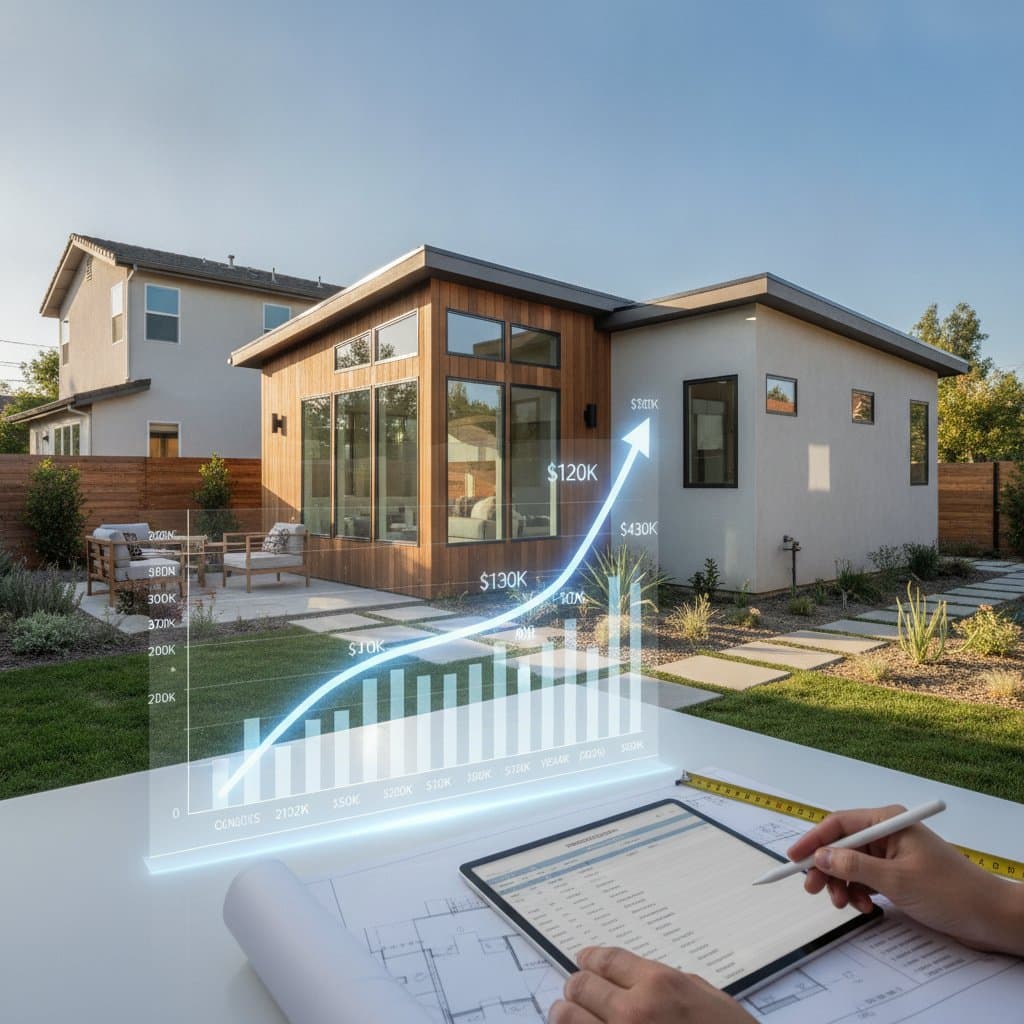
ADUs frequently yield robust financial returns through expanded habitable area and leasing opportunities. Homeowners often realize recoveries of 60 to 100 percent, considering appreciation in property worth and revenue from rentals. Regions exhibiting high demand for housing or constrained supply facilitate quicker recoupment periods.
In addition to market value enhancement, an ADU accommodates familial residences, professional workspaces, or future downsizing needs. Such utilitarian applications contribute enduring benefits surpassing immediate monetary gains.
Comparing Do-It-Yourself and Professional Approaches
Constructing an ADU independently offers potential savings, yet demands expertise in building techniques, substantial time, and subcontractor networks. Self-directed efforts can trim labor by 20 to 40 percent, although they extend timelines and heighten risks during evaluations.
Retaining a qualified general contractor secures foundational strength, regulatory conformity, and protective warranties. Elaborate designs, standalone structures, or initiatives involving novel utilities invariably necessitate expert supervision. Experienced individuals might manage select finishing tasks, such as painting or surface installation, but critical elements like plumbing or electrical work demand professional execution.
Basis for Cost Estimates
These projections derive from nationwide and localized averages drawn from contractor bids, construction databases, and analyses of finalized projects. Figures account for conventional mid-range materials, certified labor, and routine site parameters. Individual expenditures may vary with geographic position, ground conditions, accessibility, and architectural specifics.
Frequently Asked Questions
What is the expense for constructing a compact ADU?
A 400-square-foot unit typically ranges from $120,000 to $180,000, encompassing utilities and essential detailing.
Does a prefabricated ADU cost less than a customized one?
In most cases, prefabricated models lower labor and planning outlays, although transportation and site adaptation contribute to the aggregate.
Must ADUs feature independent utilities?
Not necessarily. Numerous units integrate with the primary residence's water and sewer systems, though certain locales mandate separate metering.
What duration does ADU construction require?
Projects generally span four to eight months from initial design through finalization, contingent on approvals and environmental factors.
Does an ADU elevate property taxes?
Yes, corresponding to the valuation of the new addition. The underlying land assessment remains unaltered.
Sustaining ADU Value Over Time
Following completion, routine maintenance upholds the ADU's worth and operational efficiency. Perform annual checks on drainage systems, roofing integrity, and plumbing linkages.
For rental purposes, allocate funds for periodic surface refreshes, equipment renewals, and exterior care to appeal to occupants. Document all enhancements meticulously, as these records bolster future sales pricing and possible fiscal benefits.
A thoughtfully constructed ADU delivers adaptability across years, functioning as visitor accommodations, income generation, or autonomous family quarters. Meticulous initial planning and knowledgeable budgeting pave the way for success devoid of monetary pressures.