2026 Costs for Granny Pods and ADUs: A Detailed Overview
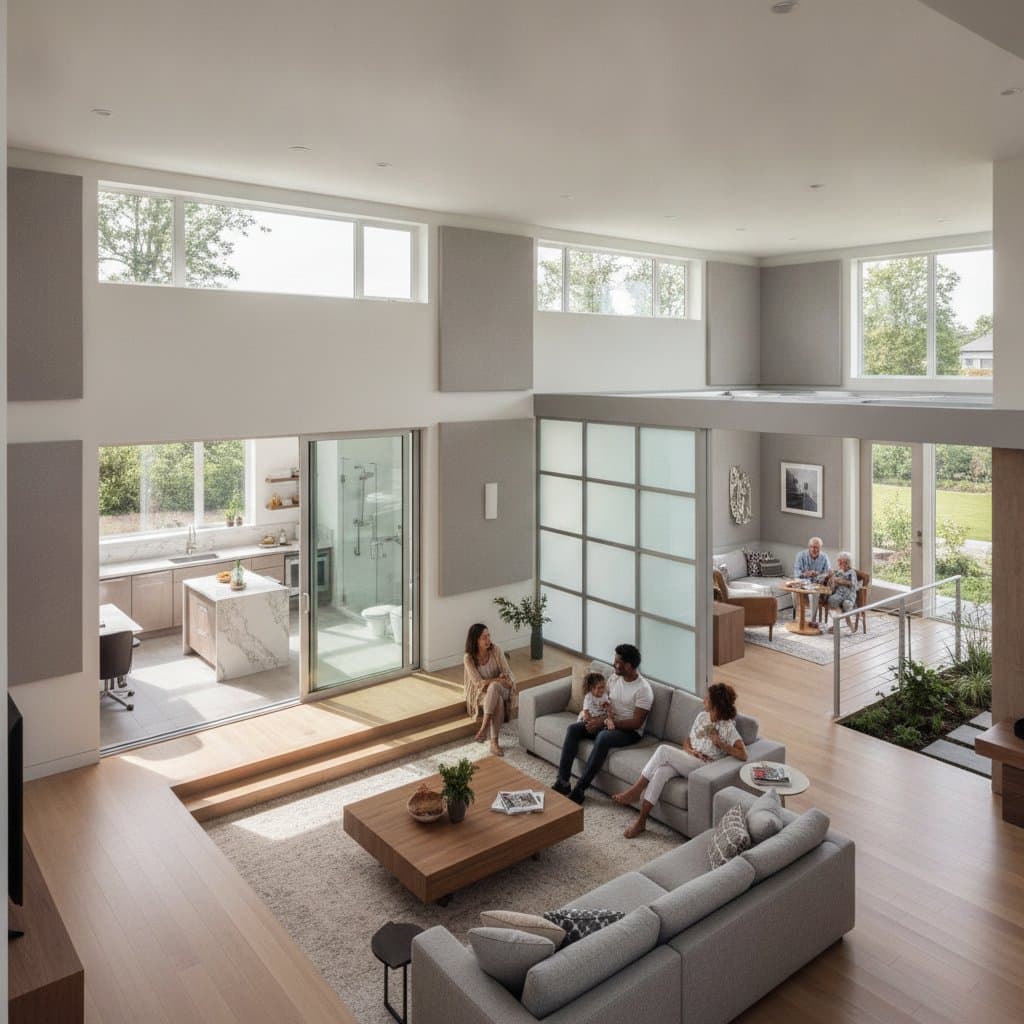
Accessory dwelling units, commonly known as ADUs or granny pods, offer a versatile solution for expanding living arrangements. These structures enable families to accommodate multigenerational households with independence, elevate property worth, and generate potential rental revenue. A thorough grasp of construction expenses equips homeowners to budget effectively and sidestep unforeseen expenditures. This resource examines projected costs, influential design elements, and essential professional input for developing a granny pod or ADU.
Guide Overview
This article addresses key aspects:
- Typical construction and material expenses
- Pricing impacts from design selections
- Circumstances warranting professional involvement
- Return on investment and cost-reduction approaches
- Upkeep and enduring factors
Comprehensive Cost Analysis
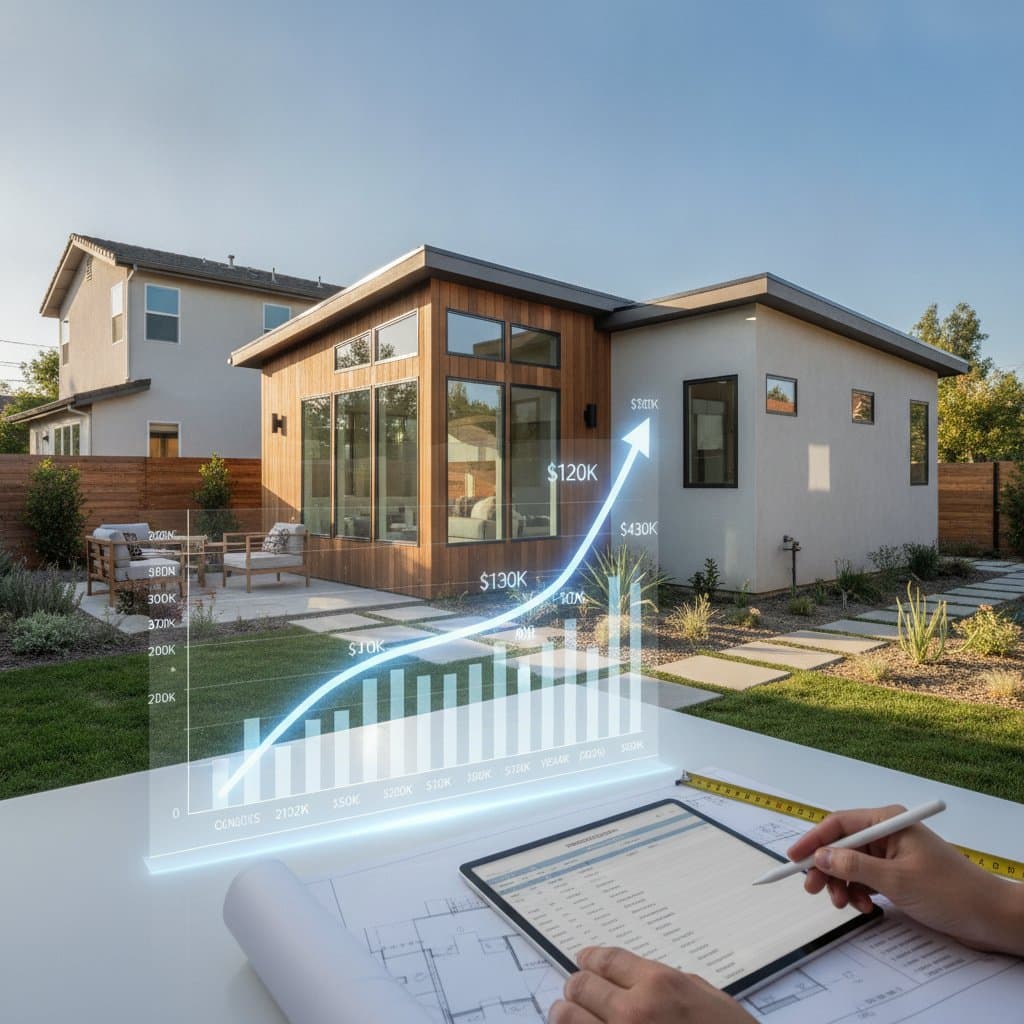
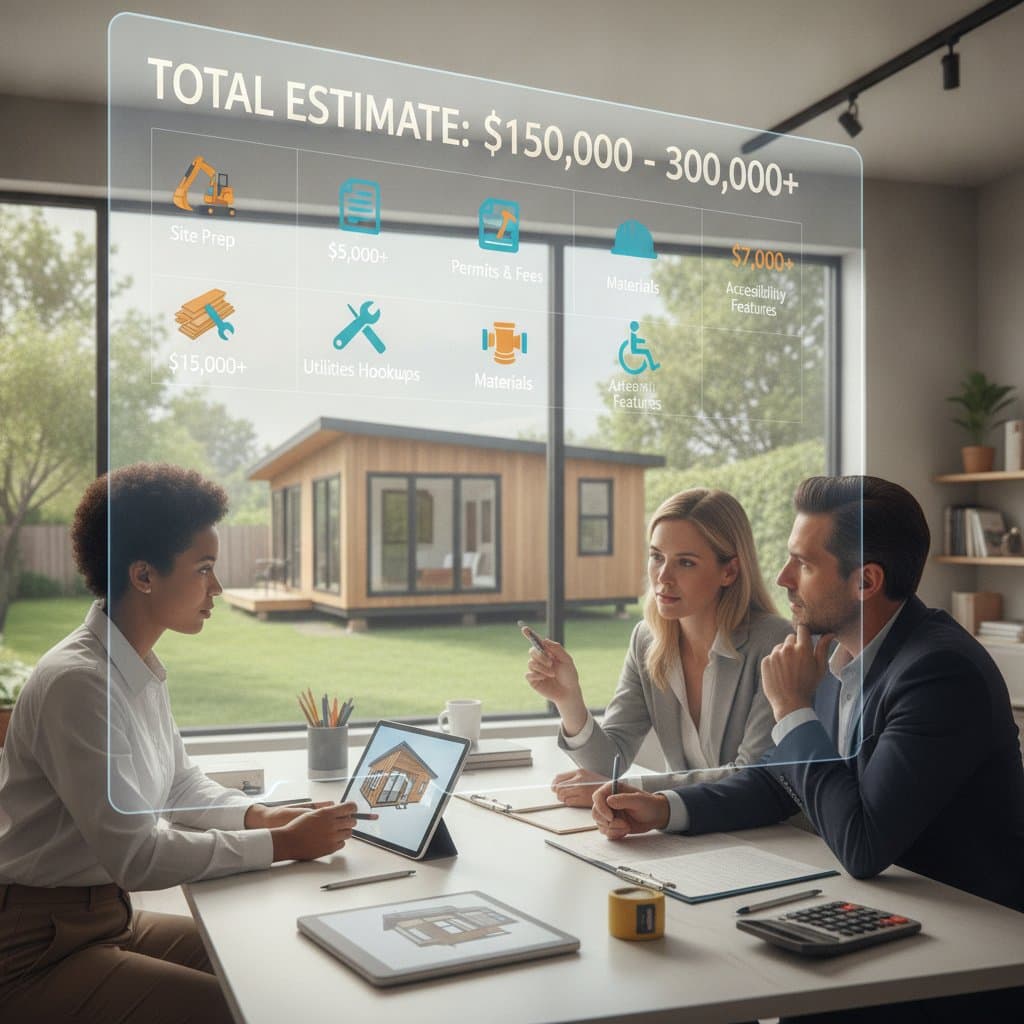
The expense to construct a granny pod or ADU generally spans $150,000 to $300,000, influenced by dimensions, materials selected, and regional factors. Compact detached versions, measuring 400 to 600 square feet, align with the lower spectrum, whereas expansive units featuring comprehensive amenities approach the higher limit.
Essential expense components encompass:
- Site preparation: $5,000 to $20,000, covering land grading, foundational setup, and utility linkages
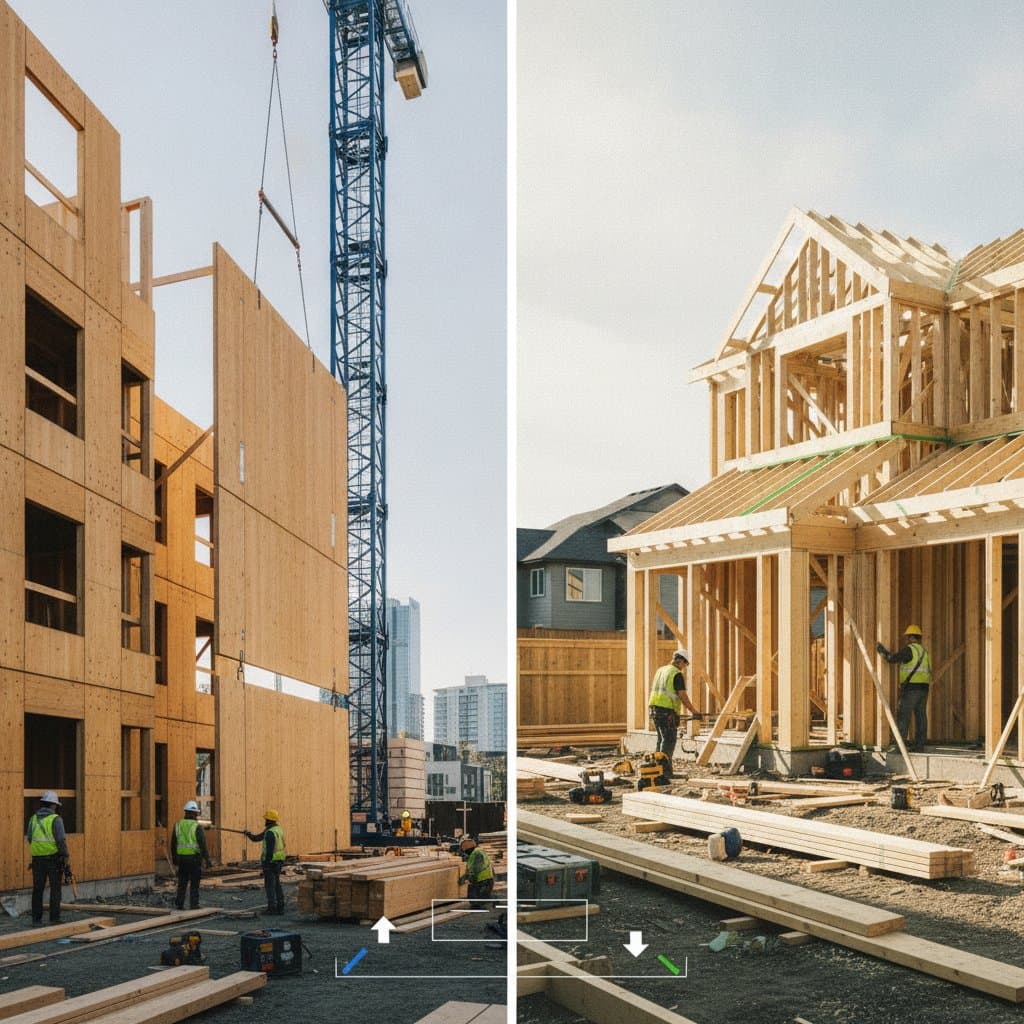
- Construction and framing: $60,000 to $120,000, varying by configuration and surface treatments
- Electrical, plumbing, and HVAC systems: $25,000 to $50,000 for integrated installations
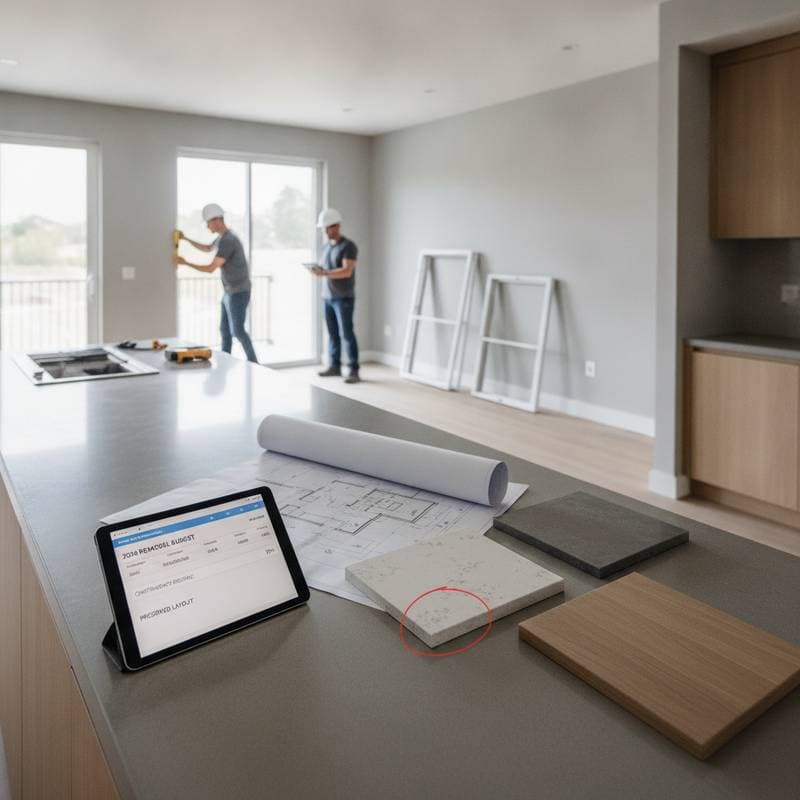
- Interior detailing: $20,000 to $60,000, based on caliber and aesthetic preferences
- Permits, architectural plans, and administrative fees: $5,000 to $15,000
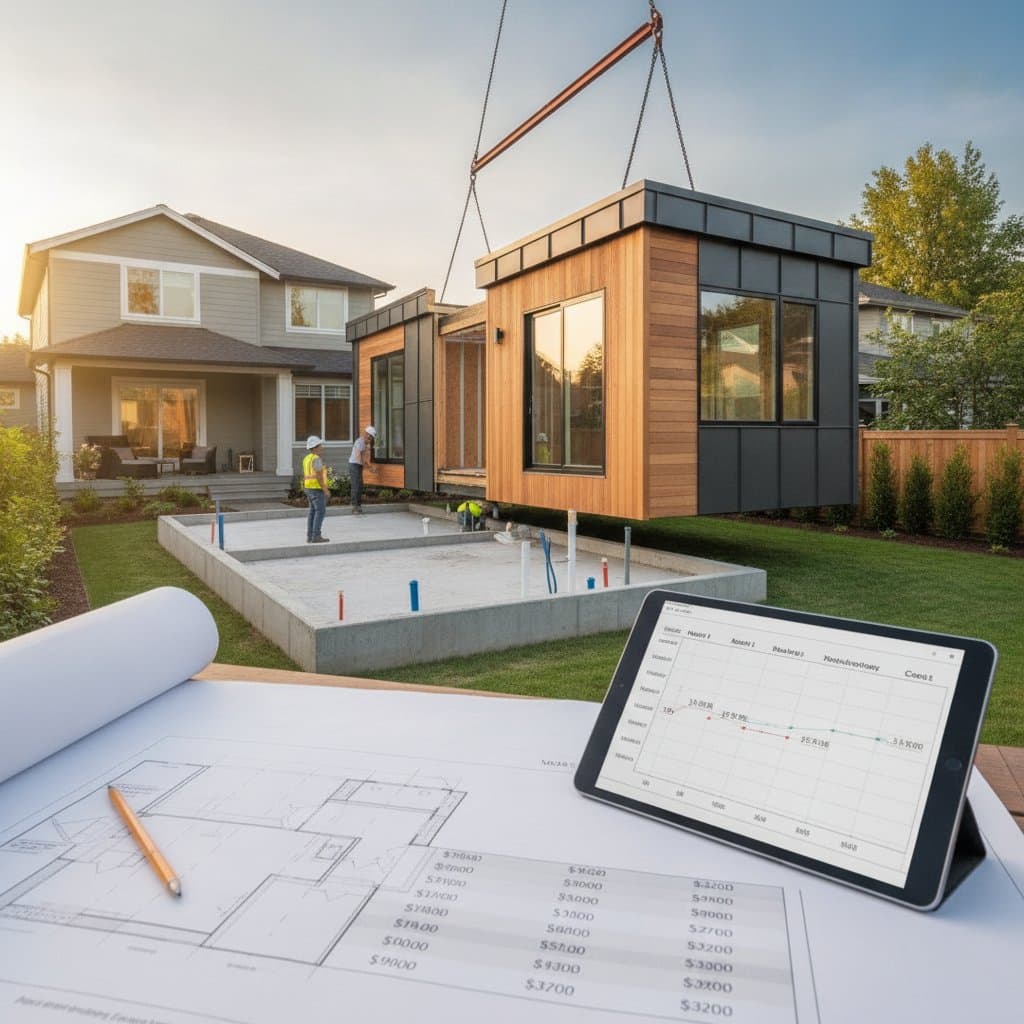
Prefabricated or modular granny pods may lower expenses by 10 to 20 percent through streamlined assembly, although bespoke modifications remain constrained.
Design and Aesthetic Decisions Impacting Expenses
Granny pods exhibit diverse architectural styles. A basic studio configuration incurs fewer costs than a complete one-bedroom setup with dedicated kitchen and bathroom facilities. Open-concept floor plans economize on structural elements and resources. Incorporating accessibility adaptations, such as entry ramps, broadened doorways, and barrier-free showers, elevates expenses yet enhances usability and security for senior occupants.
Exterior treatments significantly shape budgets. Vinyl siding provides economical initial investment, whereas fiber cement or timber alternatives deliver superior longevity and visual allure. Roofing selections prove pivotal: asphalt shingles present modest starting prices, but metal roofs endure extended periods with reduced servicing demands.
Additional features like landscaping, patios, and pathways augment the total outlay. A groomed access route or modest outdoor seating area may add $2,000 to $10,000, yet these elements facilitate routine access and bolster market appeal upon resale.
DIY Approaches Versus Professional Services
Homeowners possessing construction expertise might undertake select DIY elements, including interior coating or surface laying. Structural assembly, wiring, and piping, however, necessitate certified specialists. Faulty execution or regulatory infractions could result in substantial remedial costs down the line.
Suitable DIY activities include:
- Applying paint to walls and moldings
- Fitting laminate or vinyl surfaces
- Establishing gardens and external greenery
Professional expertise is essential for:
- Foundational and skeletal construction
- Piping and wiring integration
- Roofing assembly and thermal barriers
Engaging a credentialed contractor guarantees adherence to construction codes, safety protocols, and local ordinances. Such collaboration streamlines permitting procedures and oversight evaluations.
Projected Return on Investment and Sustained Benefits
A thoughtfully executed ADU or granny pod recoups 60 to 80 percent of its investment through heightened real estate valuation. Leasing opportunities yield recurring revenue, potentially surpassing the initial outlay over a few years. Many households deploy ADUs to house elderly relatives, grown offspring, or visitors, thereby alleviating alternative accommodation burdens.
Sustainable design amplifies worth. Premium insulation, water-conserving appliances, and energy-efficient illumination curtail operational expenses and attract prospective purchasers. Integrating photovoltaic systems fosters enduring economies, particularly in areas with elevated utility tariffs.
Strategies for Expense Optimization
- Initiate planning promptly and solicit varied quotations. Evaluating proposals reveals equitable rates and dependable service providers.
- Select moderate-tier materials. Resilient yet budget-friendly options, such as quartz-infused surfaces or synthetic timber floors, harmonize affordability with elegance.
- Streamline architectural elements. Eschew intricate roof designs or superfluous angles that inflate skeletal and workforce expenditures.
- Leverage proximate utilities. Site the granny pod near established water and electrical conduits to diminish excavation and hookup charges.
- Evaluate prefabricated alternatives. Factory-built modules accelerate timelines and benefit from volume pricing on components.
Indicators for Professional Engagement
Engage experts for any structural, utility-related, or authorization tasks. Competent contractors oversee timelines, coordinate specialists, and facilitate verifications. Seek builders holding valid licenses, possessing ADU portfolios, furnishing transparent records, and offering client endorsements.
Pose targeted inquiries prior to commitment:
- Which elements comprise the estimate?
- How does the firm address modifications?
- What assurances apply to labor and supplies?
- Who manages authorizations and assessments?
Scrutinize contractual stipulations meticulously. Transparent dialogue averts discrepancies and sustains project momentum.
Upkeep Requirements and Durability
A robustly built granny pod or ADU endures 50 years or longer under diligent maintenance. Routine protocols involve roof examinations, drain clearing, facade recoating, and climate control filter replacements. Vinyl exteriors and synthetic decking demand scant attention, contrasting with organic timber that requires periodic restoration.
Core systems, including conduits and circuits, persist for decades with intermittent reviews. Upgrading to efficient devices prolongs functionality and diminishes energy consumption.
Planning Your Build: Essential Actions
Constructing a granny pod or ADU demands precise financial forecasting and strategic foresight. Commence by appraising municipal zoning stipulations and securing a precise terrain assessment. Clarify the unit's purpose, be it familial support, hospitality, or revenue generation. Subsequently, confer with seasoned constructors for precise projections and navigation through conceptualization and approvals.
Such an addition promotes well-being, adaptability, and enduring asset appreciation. Through mastery of expense parameters and judicious choices, homeowners craft a durable enhancement attuned to domestic requirements and fiscal prudence.