Prefab ADU Costs and Timelines for 2025 and 2026
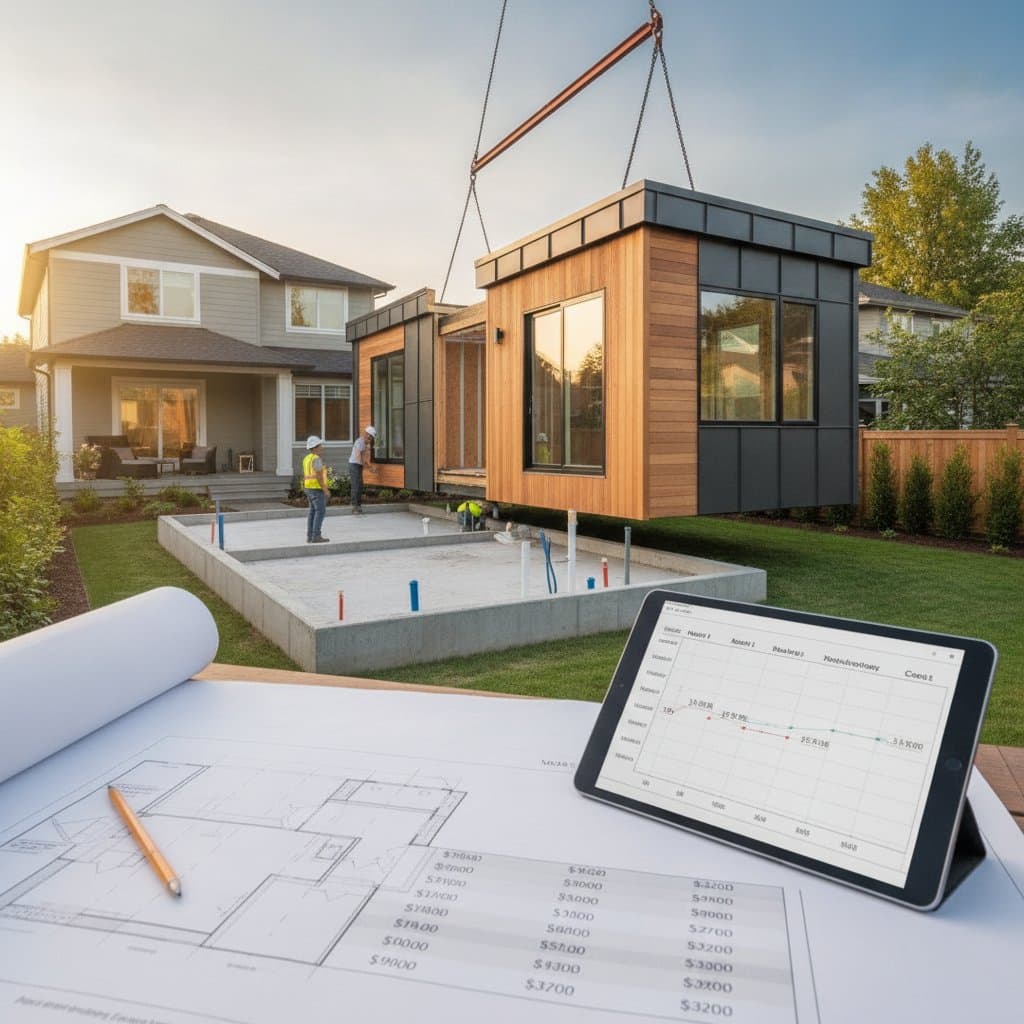
Adding a prefab accessory dwelling unit expands living space or creates rental income with greater cost control than site built options. Clear understanding of price drivers and permit durations supports accurate project planning. These units deliver consistent pricing, reduced build times, and contemporary designs that suit many properties.
Cost Overview
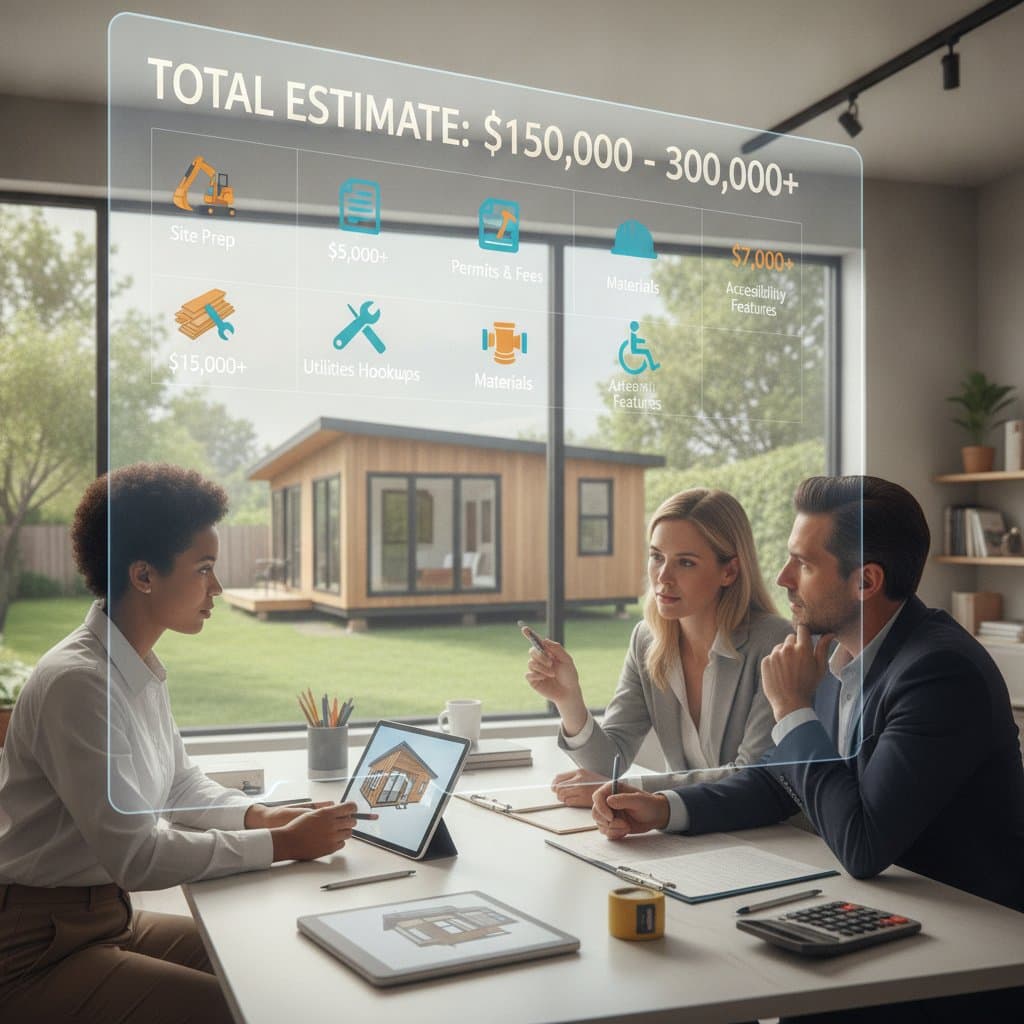
Total project costs for prefab ADUs fall between 150000 dollars and 320000 dollars. The typical installed price reaches about 230000 dollars. Studio models start near 150000 dollars while larger units with upgraded finishes and extensive site work exceed 300000 dollars.
Major price elements include unit dimensions, foundation requirements, utility extensions, permit charges, material selections, and transport logistics. Factory methods stabilize expenses compared with custom construction, yet regional rules and site specifics still shift final totals.
Key Observations
- Factory built units reduce expenses by 10 to 20 percent relative to fully custom projects.
- Most completed projects range from 300 dollars to 500 dollars per square foot once finishes and site work are included.
- Permit review spans two to six months based on local department workload.
- Funding choices include home equity lines, renovation loans, and dedicated construction products.
- On site assembly finishes in several weeks after permits and groundwork are ready.
Costs by Unit Type
Prices increase with floor area and added complexity. The table below lists complete project costs that cover delivery, installation, and standard site preparation.
| Type | Size (sq ft) | Price Range | Average Cost |
|---|---|---|---|
| Studio | 250 to 400 | 150000 to 190000 | 170000 |
| One Bedroom | 400 to 600 | 180000 to 240000 | 210000 |
| Two Bedroom | 600 to 800 | 230000 to 300000 | 265000 |
| Large or Detached | 800 to 1000+ | 280000 to 320000+ | 300000 |
Smaller units carry higher costs per square foot. Larger models spread fixed expenses such as plumbing, electrical service, and permits across more area and therefore improve overall value.
Professional Services and Labor
Contractors manage foundation construction, utility connections, and final placement. Typical labor line items are foundation and grading at 10000 to 25000 dollars, utility extensions at 8000 to 20000 dollars, installation at 5000 to 15000 dollars, and permit fees at 2000 to 10000 dollars.
Owners can handle light landscaping or interior painting after the unit arrives. All structural, electrical, and plumbing work requires licensed trades to satisfy code and maintain warranty coverage.
Site and Design Influences on Price
Sloped lots or restricted access often require cranes or special transport and raise expenses. Distant utility connections demand additional trenching that adds several thousand dollars. Rural locations may need septic or well upgrades.
Base packages allow upgrades such as premium flooring or energy efficient windows that add 10000 to 30000 dollars. Manufacturers usually include delivery inside a set radius. Longer hauls add 1000 to 5000 dollars.
Steps to Control Total Cost
- Select a standard model rather than custom changes.
- Keep the foundation layout simple and locate utilities nearby.
- Choose durable mid level finishes instead of luxury options.
- Combine permit, foundation, and installation services under one contract.
- Schedule utility work together with other site tasks.
- Review local incentive programs for fee reductions.
Permit Process Duration
Review times average two to six months. Prefabricated plans shorten structural review because calculations arrive ready for use. Site specific reviews still apply.
Site plan submission and initial checks require one to four weeks. Full application review lasts four to eight weeks. Any requested revisions add two to four weeks. After approval, foundation and utility work take three to six weeks. Installation occurs in one to two weeks once the pad is ready. Final inspection and certificate issuance close the project within one week when utilities are already approved.
Long Term Value
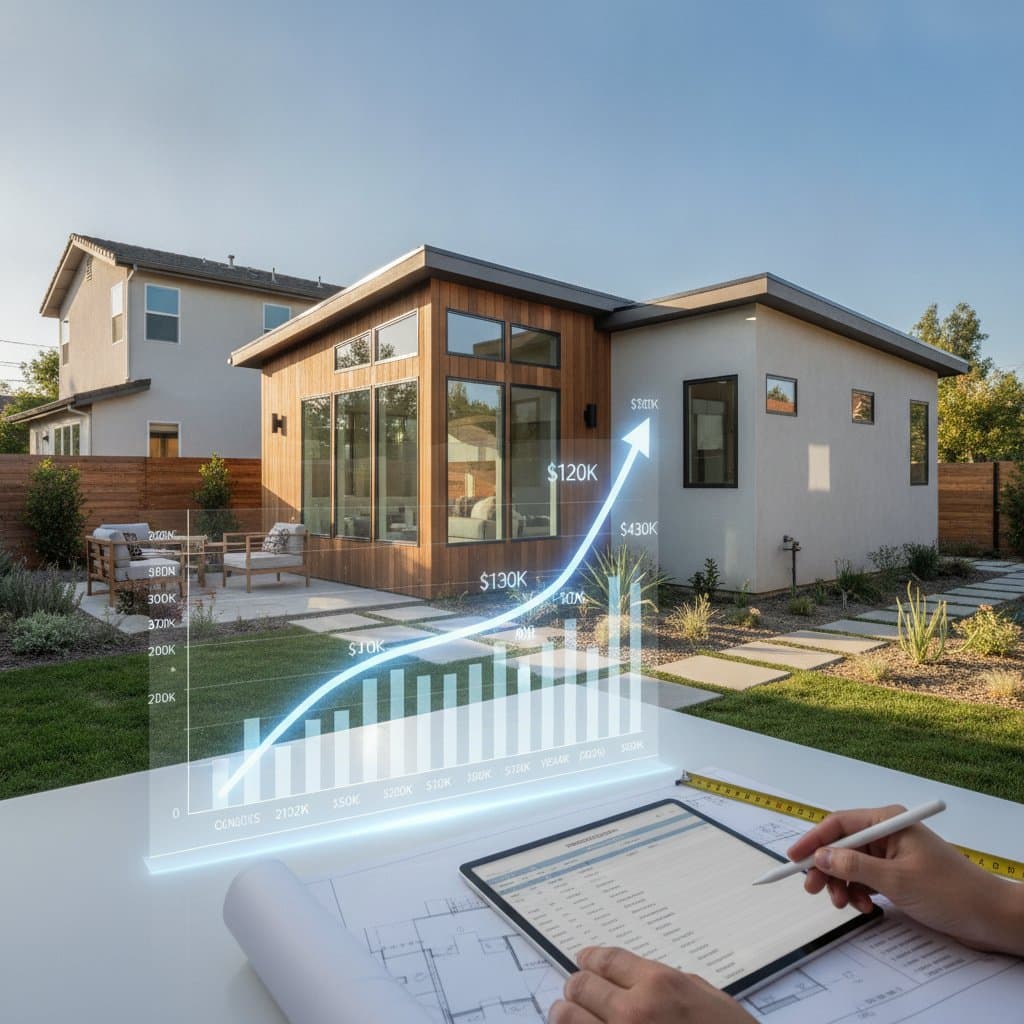
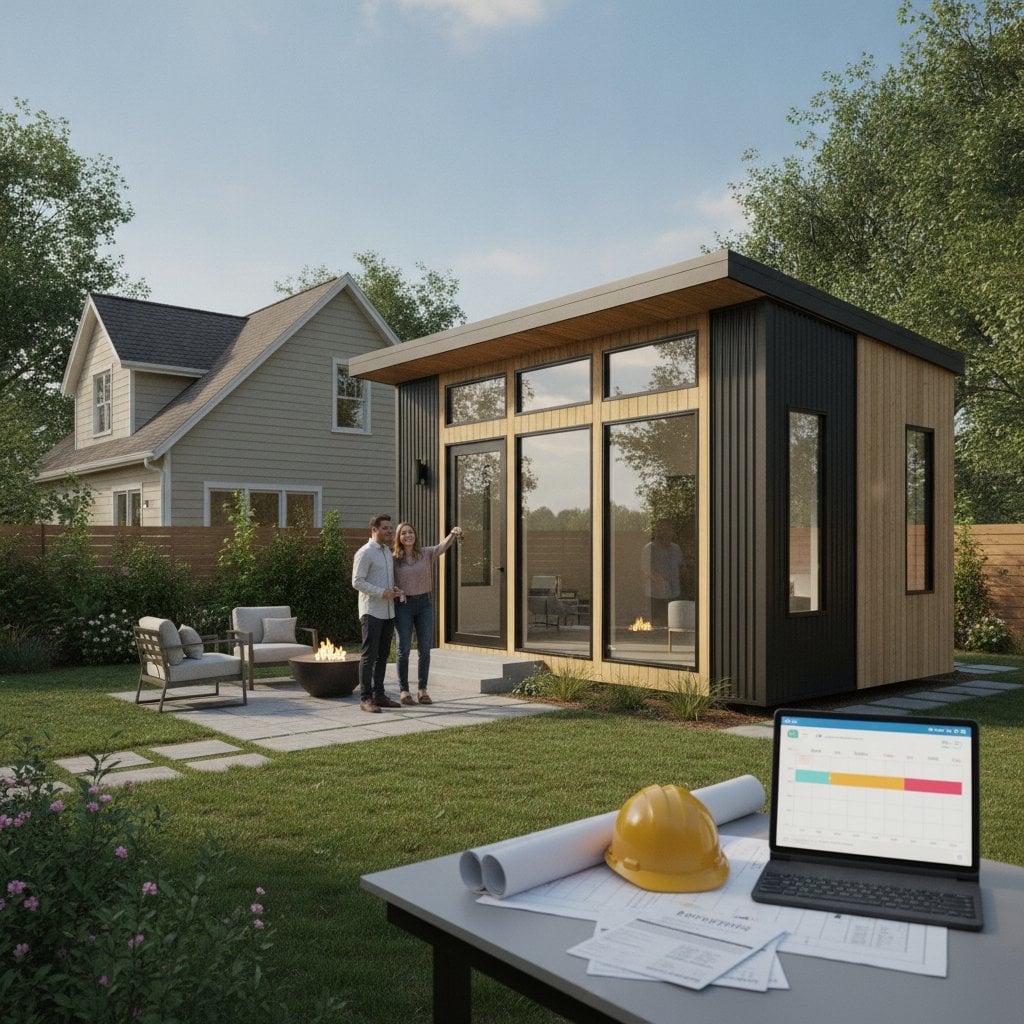
Rental income in many markets reaches 1500 to 3000 dollars per month. Properties that include a permitted unit sell for 20 to 35 percent more than similar homes without one. Owners commonly recover costs within eight to twelve years through rent. Efficient models also lower ongoing utility expenses.
Upkeep Practices
Annual inspection of window and door seals prevents moisture damage. Clear gutters and downspouts direct water away from the foundation. Prompt repair of siding or roofing issues avoids larger future expenses. Documented maintenance supports both tenant quality and resale value.
Prefab units provide a practical route to added space or income when budgets and timelines are understood in advance.