2026 Granny Flat Costs and Expected Returns
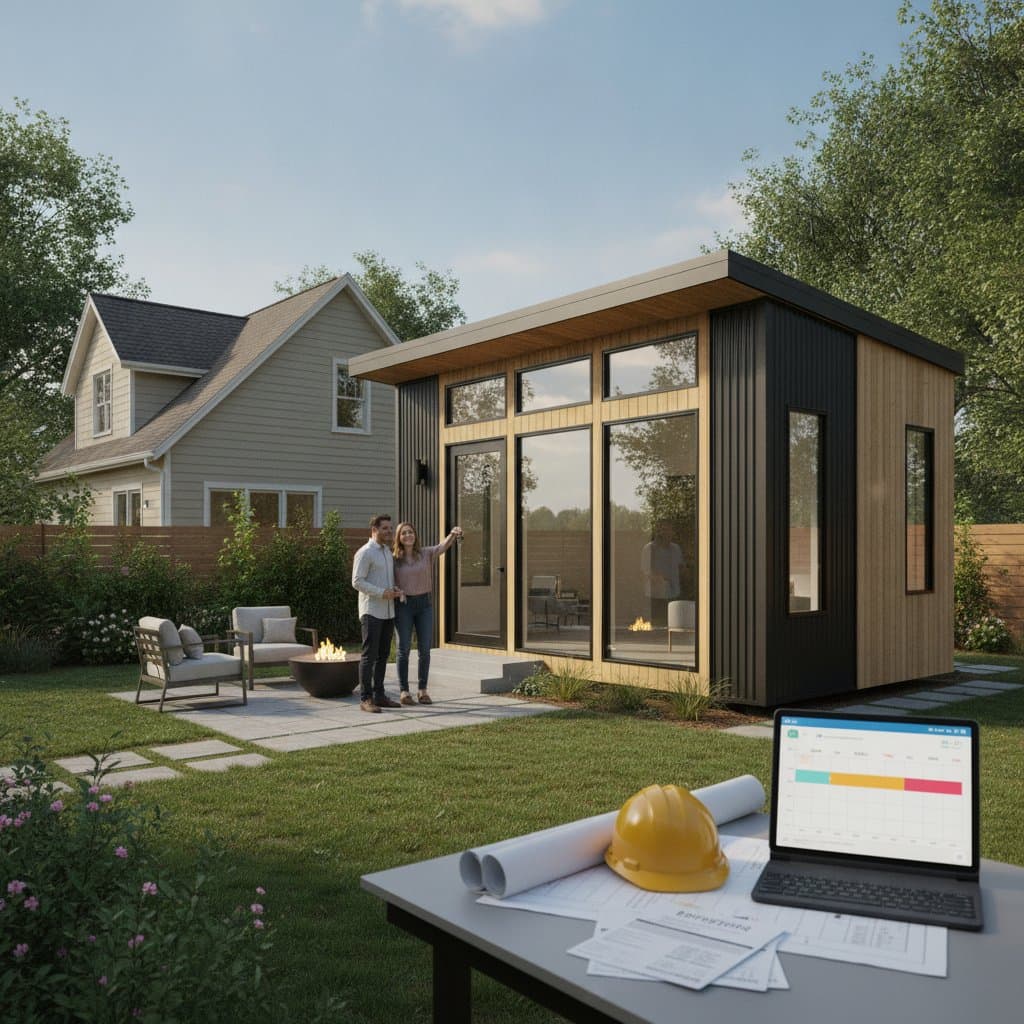
Adding a granny flat, also known as an accessory dwelling unit, increases property value while generating rental income. Homeowners view these compact units as a reliable option for additional living space or steady cash flow. Accurate cost estimates and return projections support sound decisions before construction begins.
Cost Overview
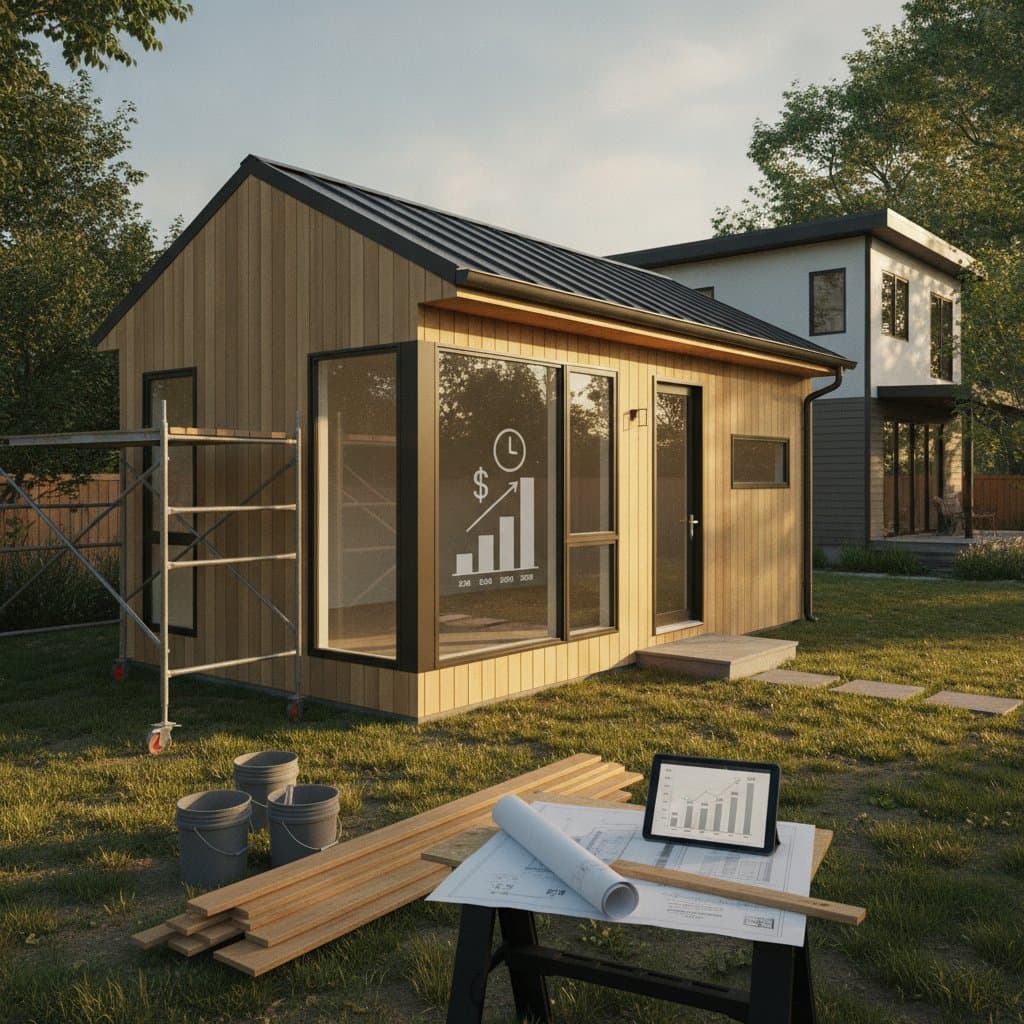
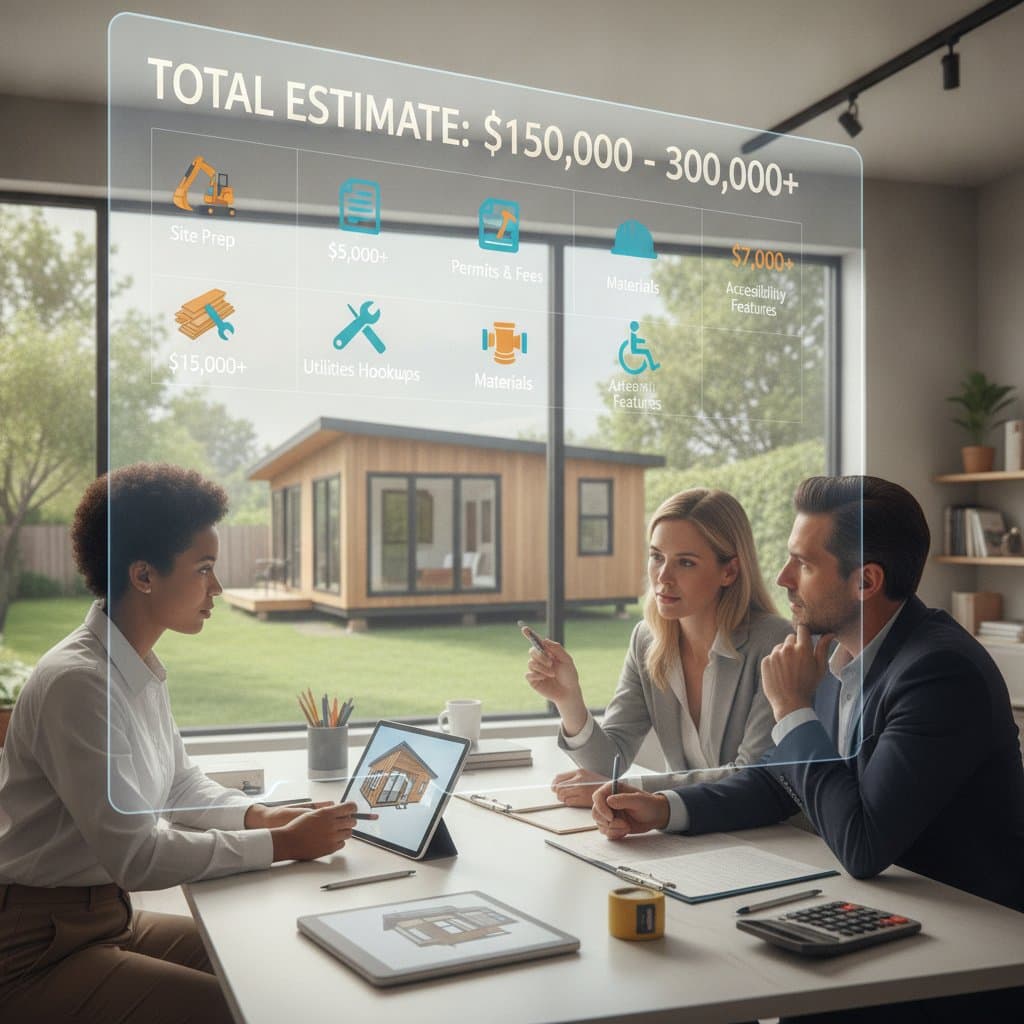
Construction expenses for a granny flat range from 150000 dollars to 350000 dollars. Most completed projects average near 225000 dollars. Final totals depend on size, configuration, material selections, and site constraints. Detached units typically exceed the cost of attached units or garage conversions.
Primary Cost Influences
- Unit size and floor plan complexity raise labor and material requirements.
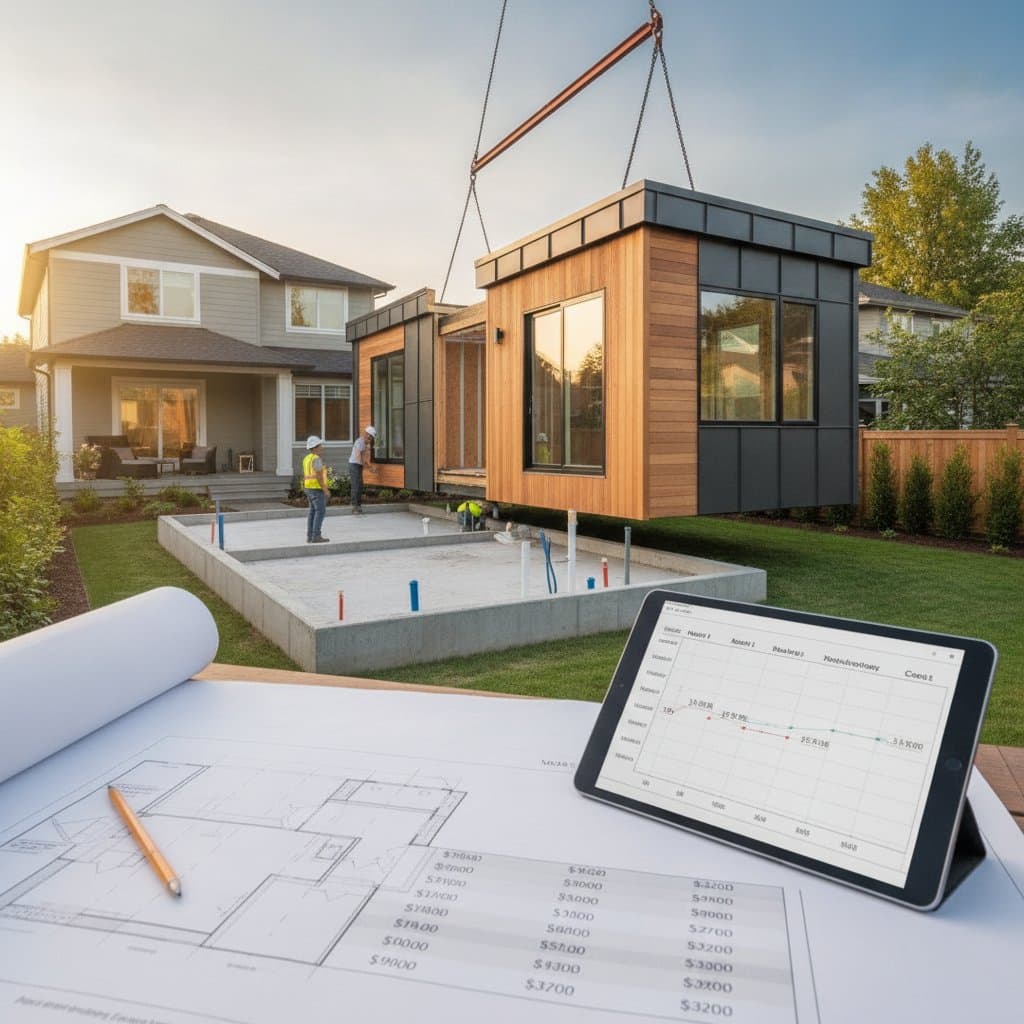
- Detached designs require separate foundations and utility runs.
- Upgraded finishes and energy efficient features increase the budget.
- New utility connections and site preparation add several thousand dollars.
- Permit and design fees vary by jurisdiction from 3000 dollars to 15000 dollars.
Key observations show that most owners recover between 60 and 100 percent of construction costs through added value or rental revenue. Detached units deliver the strongest rental performance. Projects built on existing foundations reduce overall expense. Professional design services improve both cost control and long term returns.
Cost Ranges by Type
Prices scale with square footage and structural approach. The following table presents typical ranges.
| Type | Size (sq. ft.) | Average Cost Range |
|---|---|---|
| Garage Conversion | 300 to 500 | 80000 to 150000 |
| Attached ADU | 400 to 700 | 120000 to 250000 |
| Detached ADU | 500 to 1000 | 200000 to 350000 |
Units under 400 square feet carry higher per square foot costs because kitchens, baths, and utility systems remain necessary. Detached structures involve extra excavation, trenching, and independent foundations. Full kitchens, private entrances, and outdoor patios increase totals. Studio layouts with shared utilities keep expenses lower.
Labor and Contractor Fees
Labor accounts for 40 to 60 percent of the project budget. Electricians, plumbers, and framers bill by the hour or by phase. General contractors manage schedules, permits, and code compliance. Their fees usually equal 10 to 20 percent of total cost.
Licensed contractors often secure better material pricing through established supplier relationships. They also carry insurance and coordinate inspections. Owners who hire professionals gain predictable timelines and documented workmanship.
Additional Budget Variables
Several site and design factors affect final pricing. Review each item before finalizing a budget.
Permits and Connection Fees
Permit costs, plan reviews, and utility charges differ by location. Some municipalities reduce fees for accessory dwelling units. Reserve at least 5000 dollars to 10000 dollars for administrative expenses.
Utility Extensions
Trenching for new electrical or sewer lines can add 10000 dollars to 25000 dollars. Shared connections, when permitted, lower this line item.
Site Conditions
Sloped lots or poor soil increase foundation and excavation costs. Flat, accessible yards reduce these expenses.
Material Selections
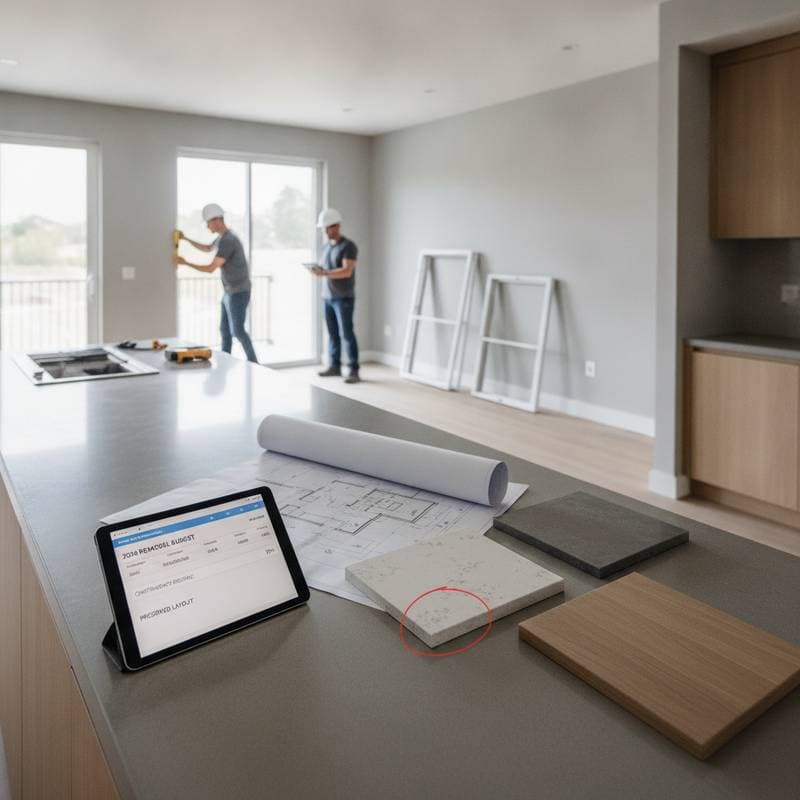
Standard finishes such as vinyl plank and laminate surfaces control spending. Premium options such as hardwood or quartz can double interior costs. Match finish levels to the primary residence to avoid over improvement.
Design Elements
Complex rooflines and custom window placements raise structural expenses. Simple layouts with standard dimensions speed framing and reduce waste.
Cost Reduction Strategies
Effective budgeting begins with deliberate choices. Apply these approaches to maintain control.
- Select a compact footprint to limit materials and labor.
- Consider prefabricated kits that can shorten construction time by up to 20 percent.
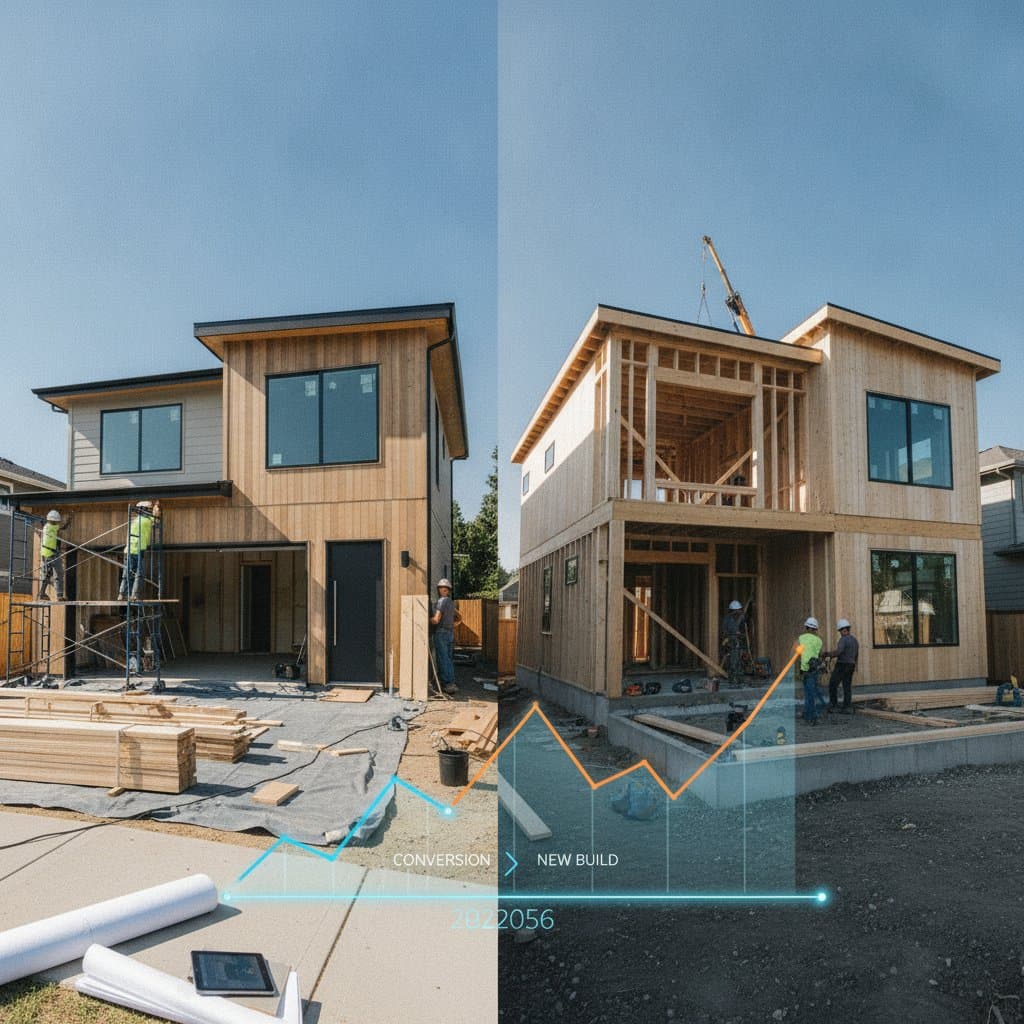
- Convert existing structures such as garages to avoid new foundations.
- Specify durable mid range finishes that balance quality and cost.
- Engage design build firms that combine architectural and construction services.
- Install rough plumbing early to support future kitchen upgrades.
Return Expectations
Returns vary according to whether owners prioritize rental income or resale value.
Rental Performance
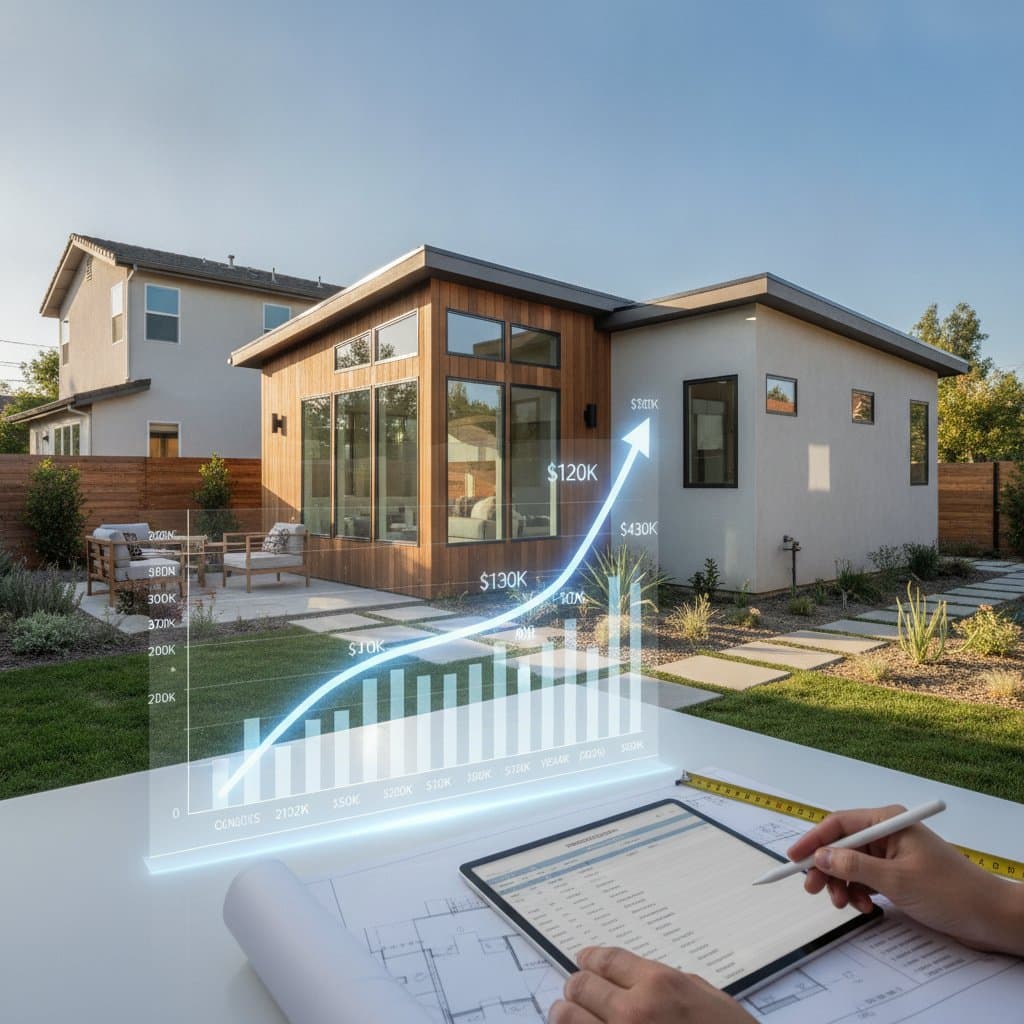
Well located granny flats rent for 1500 dollars to 3000 dollars monthly. At an average of 2000 dollars per month, annual gross income reaches 24000 dollars. After property taxes, maintenance, and insurance, net yields typically settle between 6 and 8 percent. This performance compares favorably with many other investment vehicles.
Property Value Gains
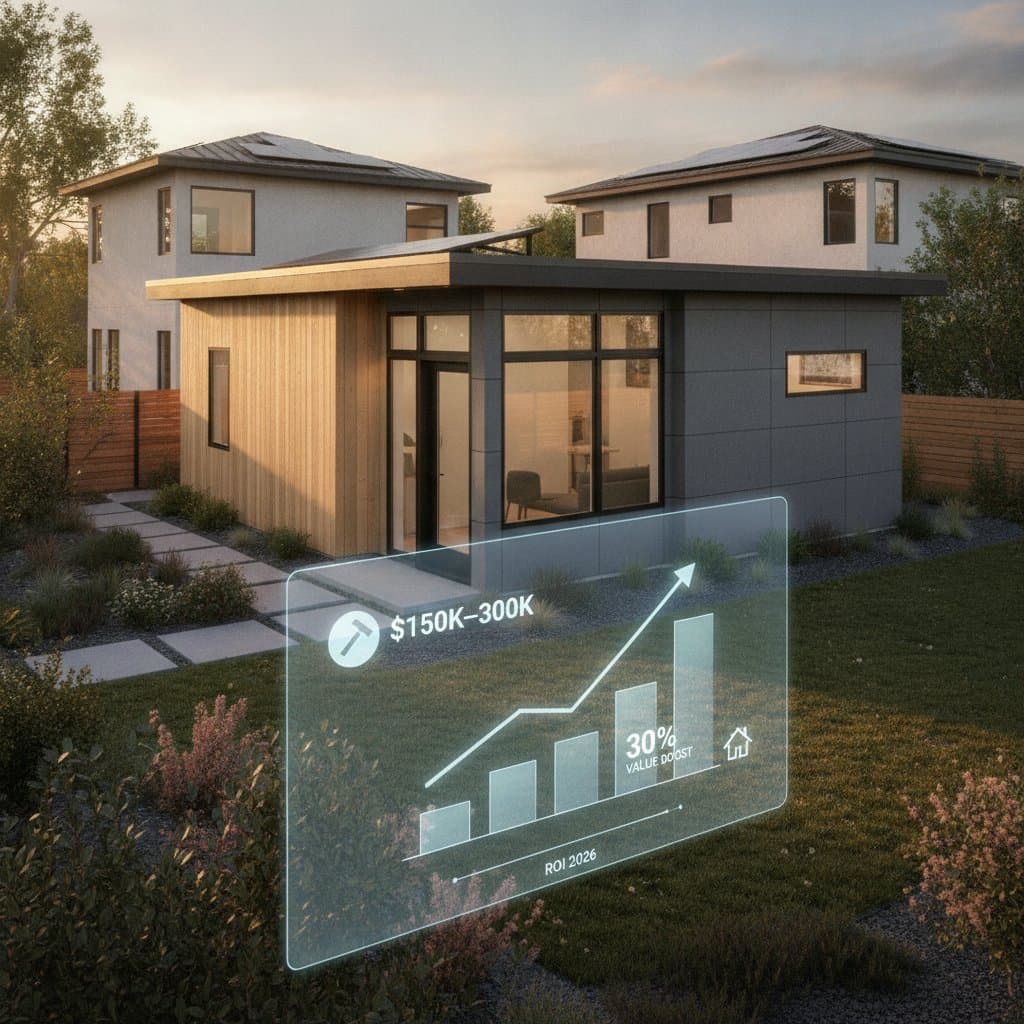
Homes with permitted accessory dwelling units sell for 20 to 35 percent more than comparable properties without them. Appraisers consider both added square footage and income potential. A 225000 dollar investment can raise resale value by 150000 dollars to 300000 dollars depending on local demand.
Detached units with private entrances attract longer term tenants and strengthen buyer appeal.
Construction Approach Options
Building requires multiple trades and code compliance. Owners must weigh personal involvement against professional oversight.
Suitable Conditions for Owner Participation
- The project involves a simple conversion of an existing space.
- The owner possesses relevant construction experience.
- Licensed trades handle plumbing and electrical work under owner supervision.
Conditions Favoring Professional Management
- New utility connections or structural modifications are required.
- The unit includes a detached foundation or roof structure.
- Local regulations mandate architectural drawings and inspections.
Professional oversight adds 15 to 25 percent to initial costs yet supplies code compliance and warranty coverage. Owner led projects reduce upfront labor expense but may affect future resale value if workmanship falls short of professional standards.
Cost Basis
Figures reflect national construction averages, recent contractor bids, and homeowner surveys. Estimates assume standard labor rates, mid range materials, and typical site conditions. Regional labor and permit differences can shift totals. Multiple comparable quotes provide the clearest picture for any specific project.
Common Questions
How much does a granny flat cost to build?
Most projects fall between 150000 dollars and 350000 dollars depending on size, design, and location.
Does a detached unit justify the added expense?
Detached units frequently deliver higher rental income and greater privacy, improving overall returns.
What financing options exist?
Home equity loans, renovation loans, and construction financing are common. Lenders often review projected rental income during approval.
Are permits required?
Nearly all jurisdictions mandate permits and inspections. Confirm local zoning and setback rules before design begins.
How long does construction last?
Typical timelines run three to six months from permit approval to completion.
Will taxes increase?
Most properties experience a modest tax rise based on the added value of the new unit.
Which size supports the strongest returns?
Units between 500 and 700 square feet often balance construction cost with rental income most effectively.
Protecting Long Term Value
Routine inspections of roofing, gutters, and exterior finishes preserve appearance and performance. Scheduled appliance and plumbing service prevents larger repairs. Energy efficient lighting, low flow fixtures, and quality insulation reduce operating costs while attracting tenants who value lower utility bills. Durable surfaces such as vinyl plank flooring and fiber cement siding maintain condition over time. Careful cost management, reliable contractors, and consistent upkeep support steady returns and lasting property benefits.