Granny Flat ROI Revealed: 2026 Costs and Returns
Adding a granny flat, also known as an accessory dwelling unit, can increase property value and produce consistent rental income. This guide outlines expected costs, potential returns, and strategies for long term value to support informed investment decisions.
Quick Overview
The following sections detail typical construction expenses for a granny flat, factors that influence returns, and methods to improve both financial performance and daily usability. Readers will gain clarity on cost drivers, return variables, and sequential planning steps.
Cost and Time Estimates
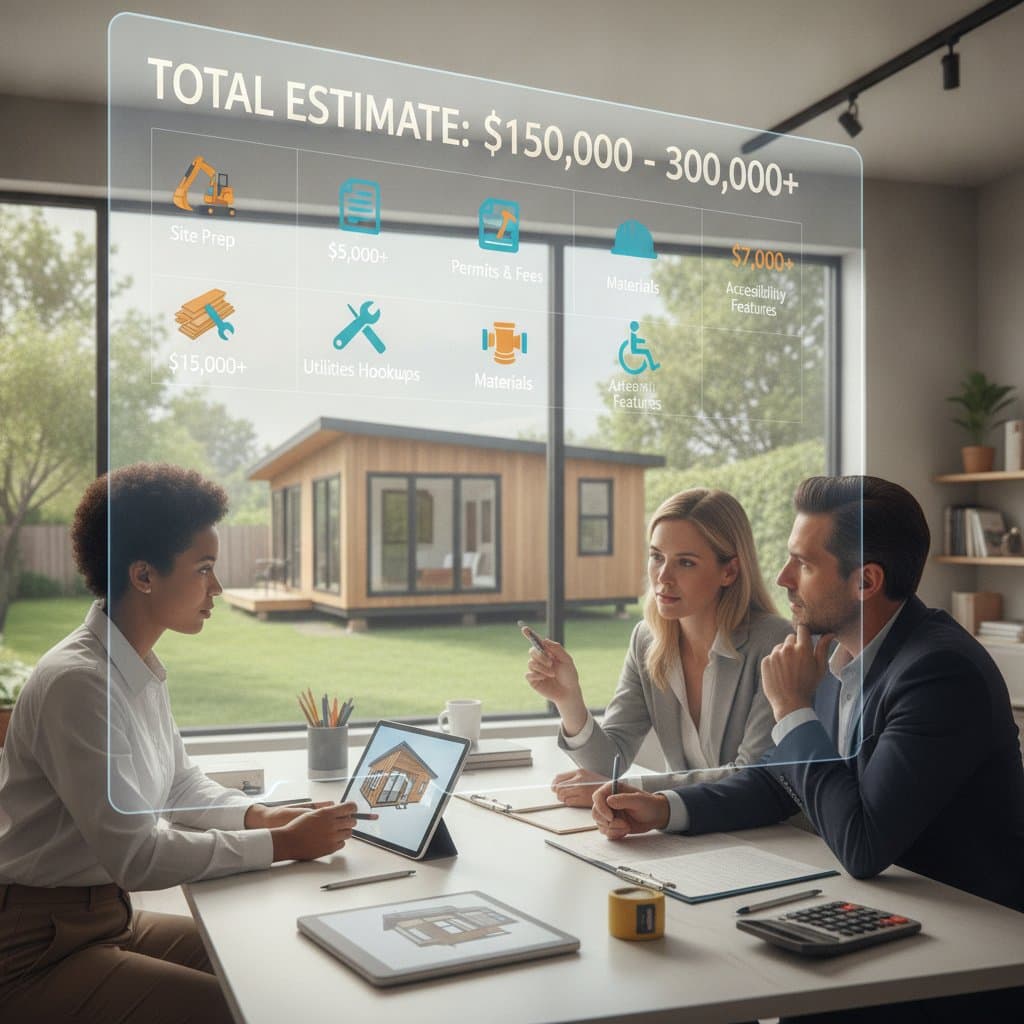
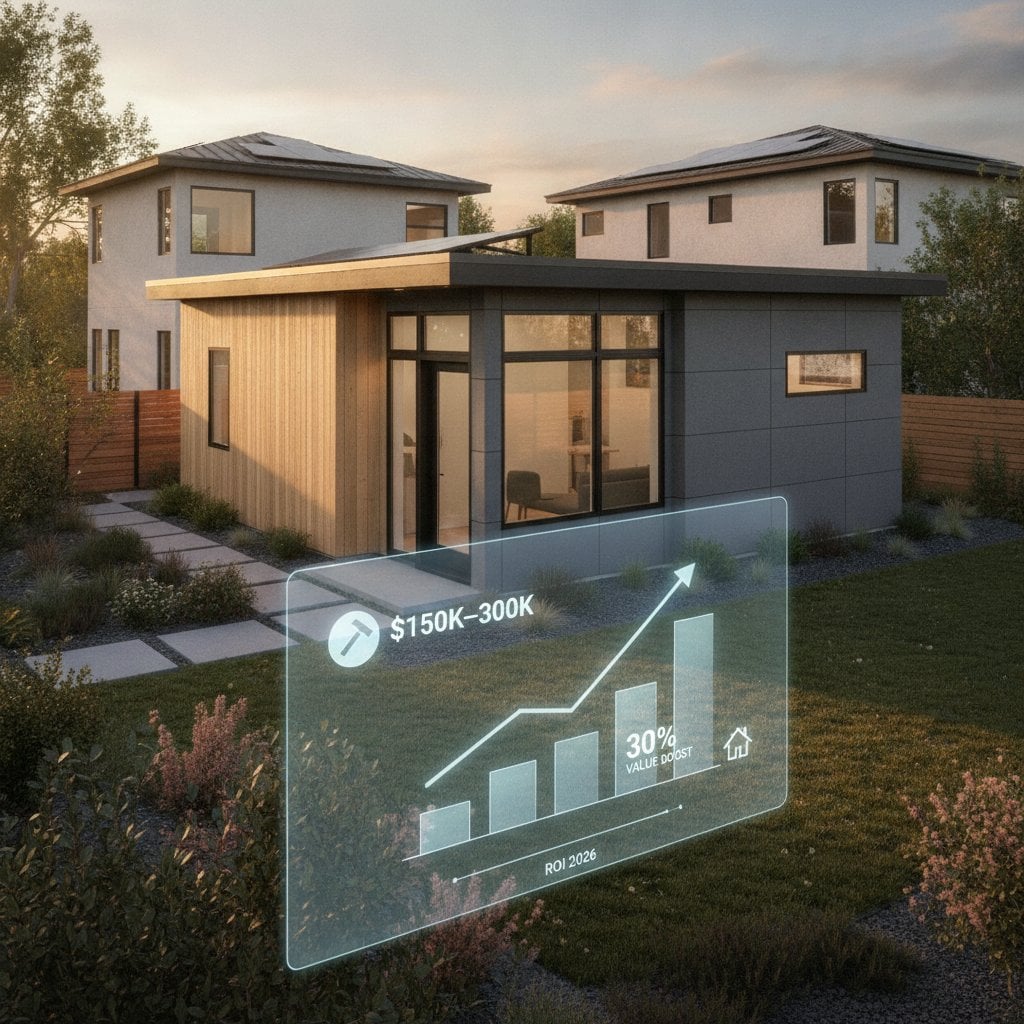
Construction expenses for a granny flat generally range from 150000 dollars to 300000 dollars. The final amount depends on location, overall size, and selected materials. Detached units that include complete kitchens and bathrooms occupy the upper portion of this range, while garage conversions or attached suites tend to require less investment.
Key cost factors include the following.
- Size determines baseline expense, with a 400 square foot studio requiring less than a 900 square foot two bedroom configuration.
- Material selections affect totals, as standard finishes remain lower in price than custom or luxury options.
- Labor rates vary by region and contractor availability.
- Permits, utility connections, and impact fees add several thousand dollars.
- Site conditions such as grading needs or equipment access can increase overall outlay.
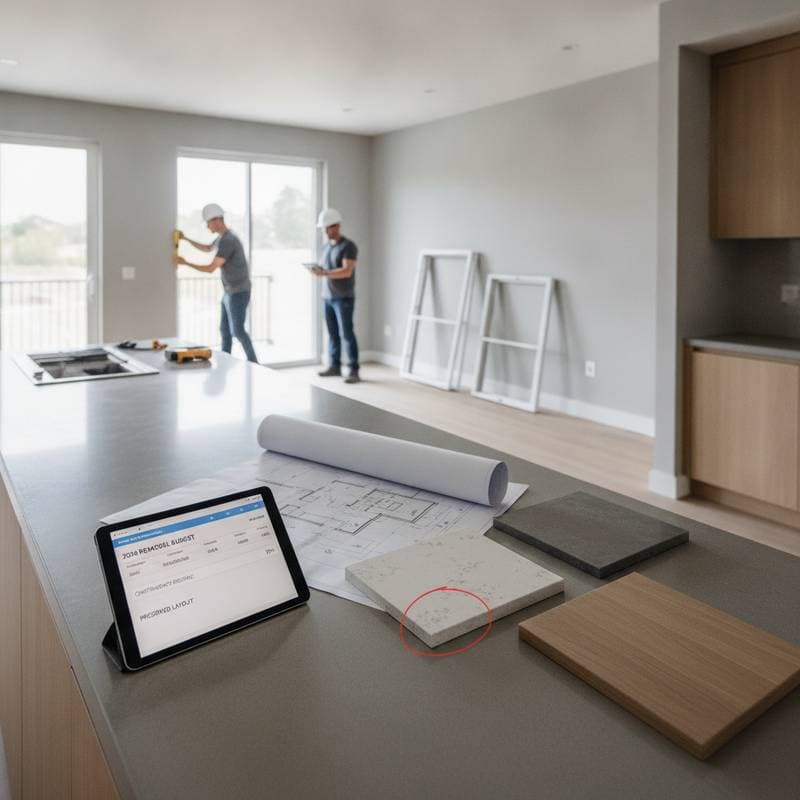
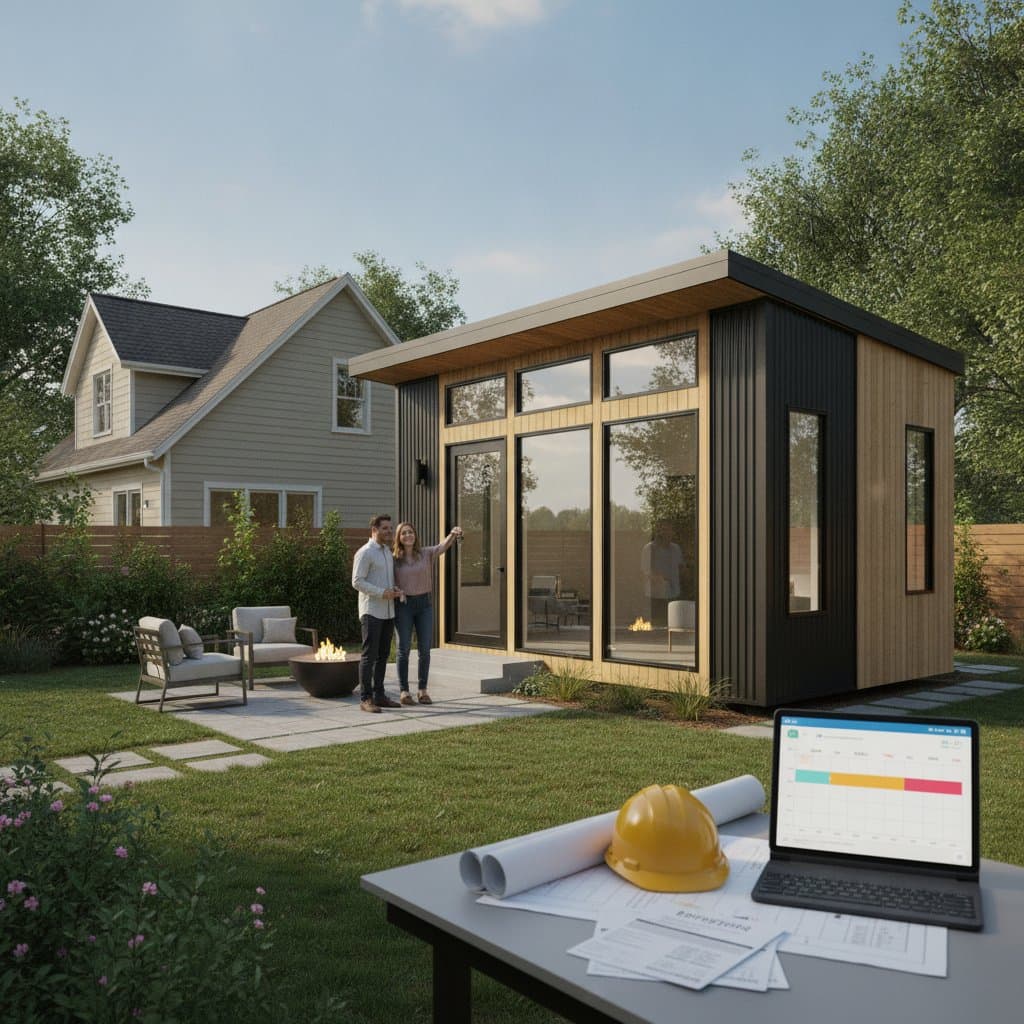
Timelines differ by approach. A do it yourself project may require six to twelve months. A professional build typically completes in four to eight months from initial design through final inspection.
DIY versus Professional Approach
A do it yourself route suits straightforward conversions of existing spaces when the property owner possesses construction experience and code knowledge. This path lowers labor expenses yet extends project duration.
Professional construction is advisable for new detached units or any work that involves plumbing, electrical systems, or structural alterations. Licensed contractors coordinate permitting and inspections, which lowers risk and accelerates approvals.
Cost ranges break down as follows.
- Partial do it yourself efforts fall between 100000 dollars and 180000 dollars.
- Complete professional builds range from 200000 dollars to 300000 dollars.
- Design and permit assistance alone costs between 10000 dollars and 20000 dollars.
Sequential Construction Steps
- Evaluate property suitability by confirming zoning compliance, lot dimensions, setbacks, and utility constraints.
- Develop a layout that specifies detached, attached, or conversion format while addressing floor area, access points, and privacy requirements.
- Obtain permits through submission of design drawings, structural calculations, and site plans, followed by payment of all associated fees.
- Prepare the site by clearing debris, leveling ground, and marking utility lines.
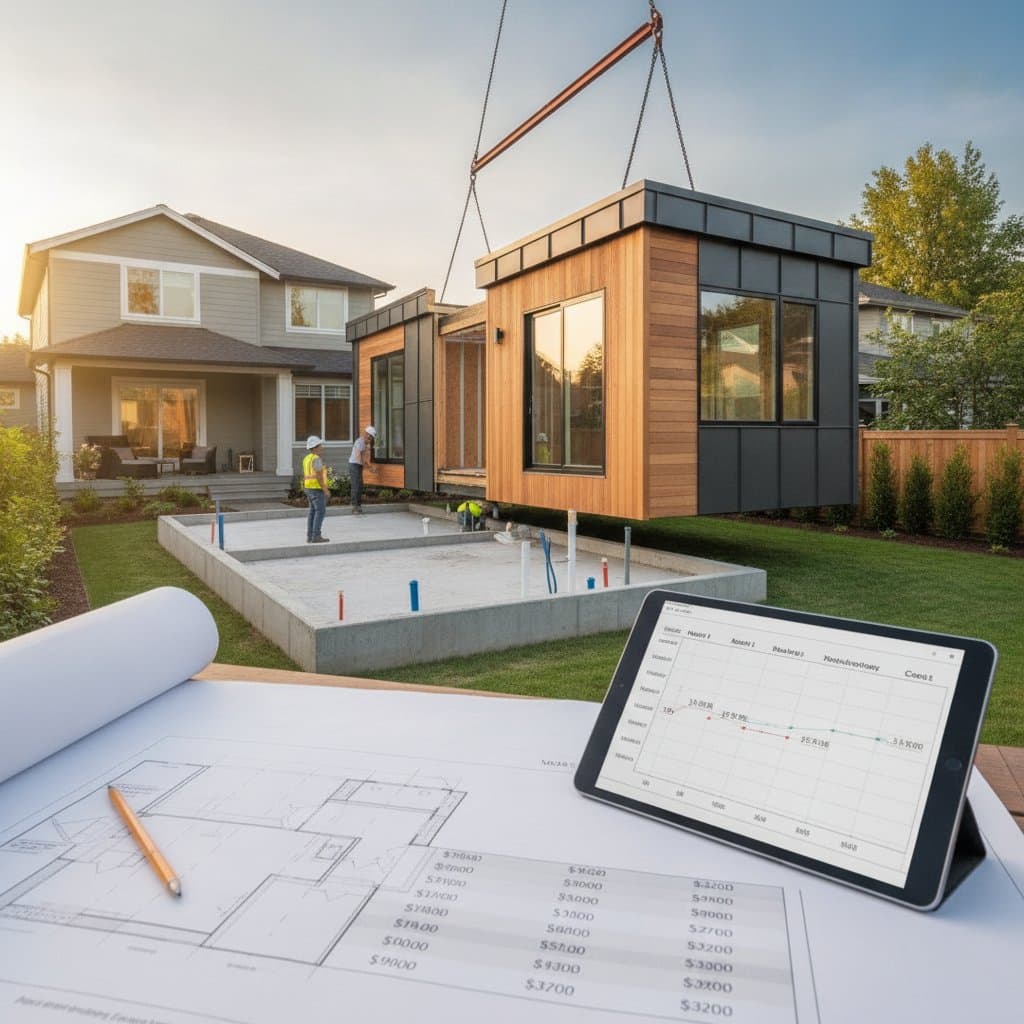
- Install the foundation with proper drainage and insulation, then secure inspection approval.
- Frame walls, roof trusses, and sheathing using pressure treated lumber where moisture exposure is possible.
- Route plumbing, electrical, and HVAC systems, followed by rough in inspection.
- Complete interior and exterior finishes including drywall, cabinetry, flooring, siding, and landscaping.
Safety and Compliance Requirements
Disconnect power before any wiring work. Use scaffolding or fall protection on roofs and elevated surfaces. Wear gloves, eye protection, and steel toe footwear during all phases. Maintain ear protection during cutting or drilling operations. Complete every required inspection, because unpermitted construction can diminish property value and create legal exposure.
Common Issues and Verification Points
Address uneven foundations by re leveling before proceeding to framing. Correct poor drainage through regrading or French drain installation. Resolve low water pressure by inspecting supply lines and regulator valves. Prevent electrical overloads by verifying breaker panel capacity.
Verification includes plumb walls, smoothly operating doors, leak free plumbing under pressure, and consistent HVAC performance across all rooms.
Post Construction Cleanup
Remove surplus materials, packaging, and debris. Transport concrete, drywall, and wood scraps to approved recycling or disposal facilities. Follow local rules for appliance and fixture disposal.
Ongoing Maintenance
Conduct inspections twice each year to identify roof leaks, caulk deterioration, or foundation cracks. Clean gutters and replace air filters on a regular schedule. A properly maintained granny flat can remain serviceable for 50 years or longer. Exterior surfaces require renewal every 10 to 15 years, while interior finishes typically need attention every 8 to 10 years.
Situations Requiring Professional Involvement
Engage a contractor when structural changes, new foundations, or plumbing and electrical redesigns are involved. Professional support is also necessary when the unit will be rented and must meet code certification standards.
Professional service rates include general contractor fees of 150 dollars to 250 dollars per square foot, architect or designer fees from 5000 dollars to 15000 dollars, and structural engineering review between 1000 dollars and 3000 dollars.
Before hiring, confirm state licensing and insurance coverage, obtain written estimates and schedules, request references, and review completed projects. Secure a clear workmanship warranty.
Design Choices That Improve Returns
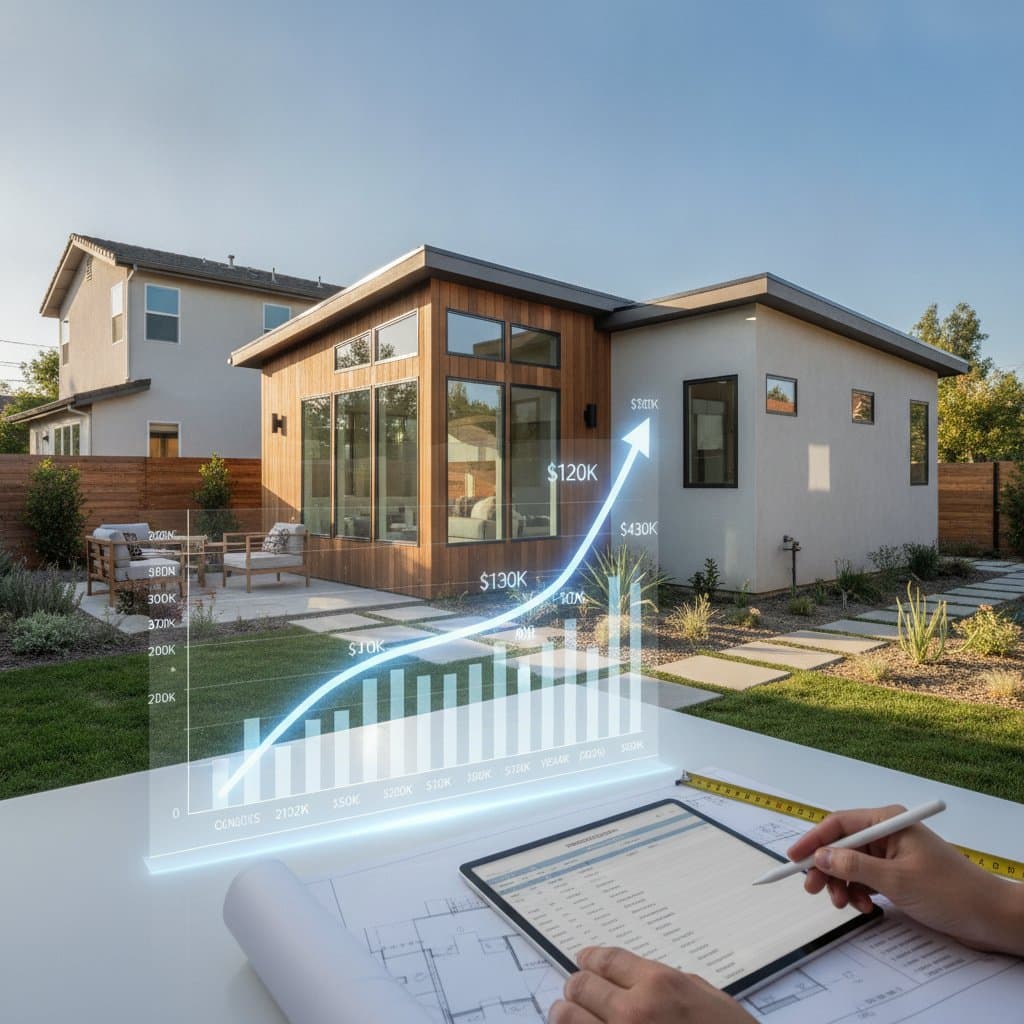
Create flexible spaces that function as rentals, guest quarters, or home offices. Select durable finishes that limit future maintenance. Incorporate energy efficient windows, LED lighting, and low flow fixtures to reduce operating costs. A well executed granny flat can increase overall property value by 20 to 30 percent in markets with strong demand. Rental income can offset mortgage obligations or provide retirement revenue.
Investment Decision Framework
Weigh site constraints, budget parameters, and intended use before committing resources. Prioritize code compliant design and quality construction to realize both immediate functionality and sustained financial benefit.