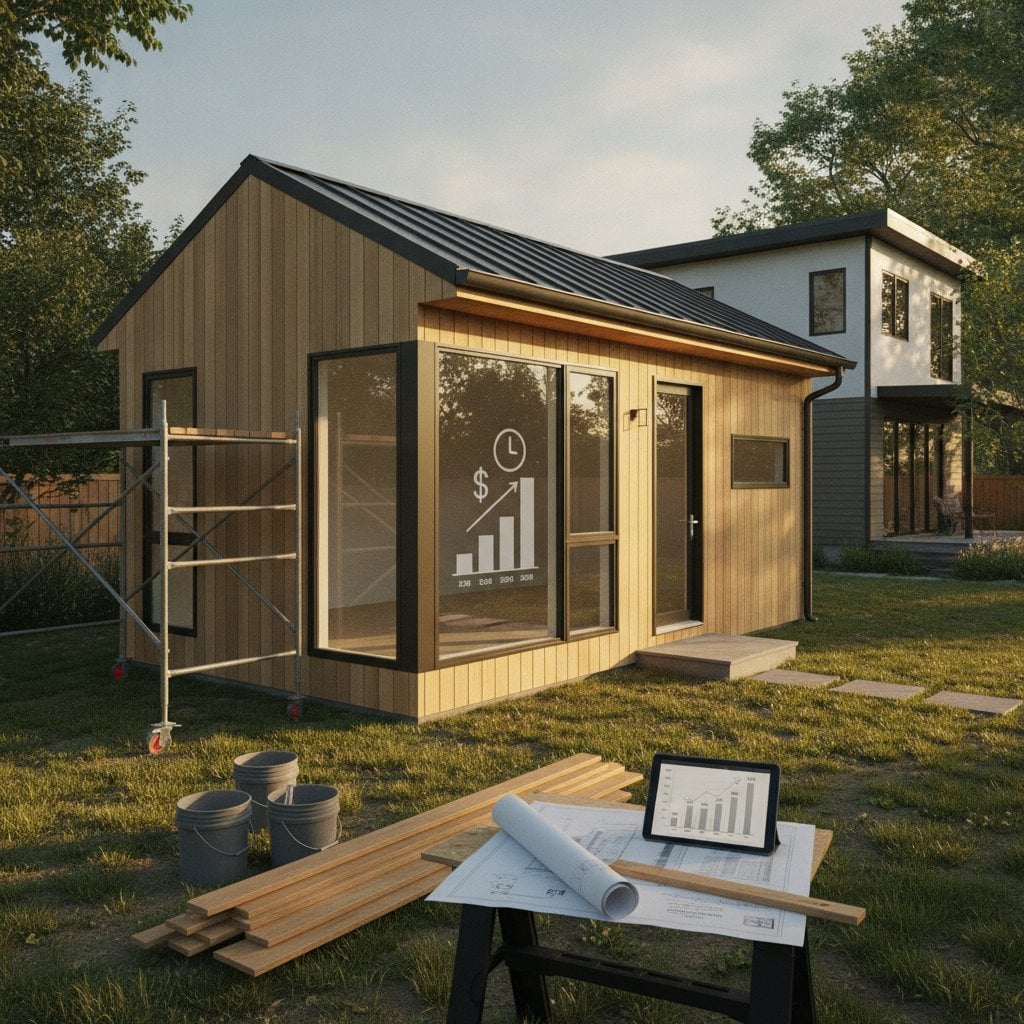
What Granny Flats Really Cost and Their ROI in 2026
A granny flat, also called an accessory dwelling unit or ADU, functions as a compact secondary residence on the same property as the main home. Property owners pursue these builds to create rental income or house family members. Total construction expenses typically range from 180000 to 350000 dollars depending on size, site conditions, and material choices. Active construction lasts three to five months. Project complexity stays moderate to high due to permitting rules and utility connections. Primary risks involve cost overruns, poor site preparation, and electrical or plumbing problems that require licensed professionals.
Step by Step Cost Breakdown
Planning and Design
Work with a designer or architect familiar with local ADU regulations. Design and engineering fees range from 5000 to 15000 dollars. Review layout choices such as studio, one bedroom, or two bedroom units. Compare detached structures, attached additions, and garage conversions. Include accessibility features when planning for older relatives. Confirm that stamped plans are complete before permit submission.
Permitting
Submit plans and pay required fees. Approval timelines and costs differ by location, yet permit expenses generally fall between 1000 and 8000 dollars. Obtain all permits before any excavation or framing begins.
Site Preparation and Foundation
Clear vegetation, level the building area, and install proper drainage. A concrete slab foundation costs between 15000 and 35000 dollars based on soil conditions and overall size. Poor grading can cause water accumulation or structural cracking. Verify that the finished slab stays level within one quarter inch across its surface.
Framing and Roofing
Framing labor and materials average 25000 to 50000 dollars. Roofing systems add 8000 to 20000 dollars according to material selections. Confirm that all walls remain plumb and roof trusses align with plan specifications.
Windows, Doors, and Exterior Finish
Allocate 10000 to 25000 dollars for windows, exterior doors, siding, insulation, and paint. Ensure every opening receives proper sealing, insulation, and caulking without visible gaps.
Utilities and Rough In Work
Licensed electricians and plumbers install new water, sewer, and electrical lines at a cost of 20000 to 40000 dollars. Never connect to main services without inspection approval. All rough ins must pass inspection before drywall installation.
Interior Finish
Material selections determine final expenses, which average 30000 to 60000 dollars for drywall, cabinets, flooring, fixtures, and appliances. Surfaces should appear smooth with sealed joints and fully tested systems.
Landscaping and Final Touches
Budget 5000 to 10000 dollars for driveways, patios, or fencing. Confirm that drainage directs water away from the foundation and all construction debris has been removed.
Total Project Cost Range
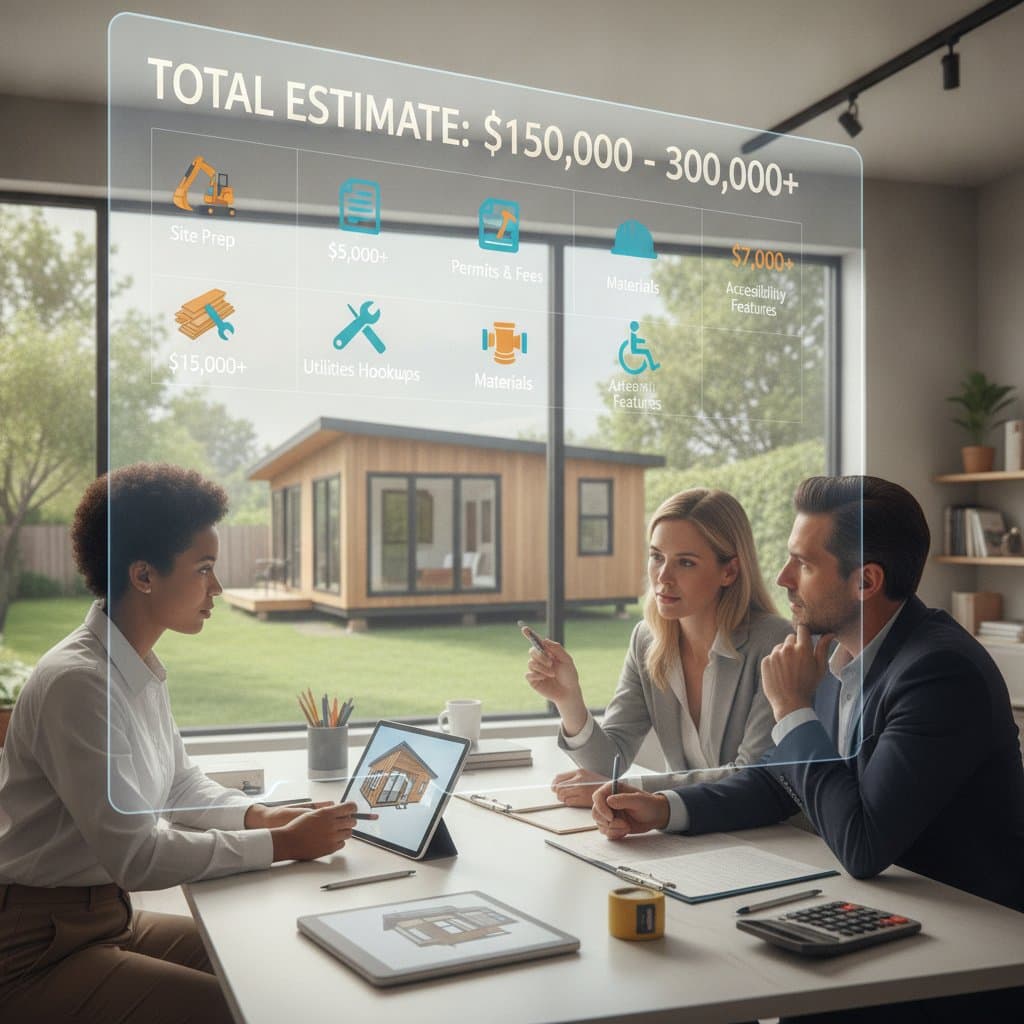
Completed granny flats usually require 180000 to 350000 dollars including permits and professional labor. Garage conversions often cost less while two story detached units command higher prices.
Quality Checks and Troubleshooting
Common Issues
- High utility bills often trace to missing insulation or air leaks around windows.
- Water intrusion requires inspection of gutters, downspouts, and site grading.
- Uneven floors may indicate foundation settlement or improper framing connections.
- Low water pressure calls for cleaning faucet aerators or verification of correctly sized plumbing lines.
Simple Fixes
Apply weatherstripping to minimize air leaks. Add soil near the foundation to improve drainage slope. Tighten loose cabinet hardware or door hinges. Persistent structural movement, electrical faults, or plumbing leaks require immediate attention from licensed professionals.
When to Call a Pro
Engage a licensed contractor when structural walls or foundations display cracking or movement. Repeated breaker trips, leaks inside walls or under slabs, and plans for solar panels or complex HVAC systems also warrant professional involvement. Typical hourly rates include 75 to 150 dollars for general contractors, 80 to 120 dollars for electricians, and 90 to 140 dollars for plumbers. Verify licenses, insurance coverage, and references before signing any contract. Request written estimates that separate materials, labor, and timeline details.
Understanding ROI and Payback
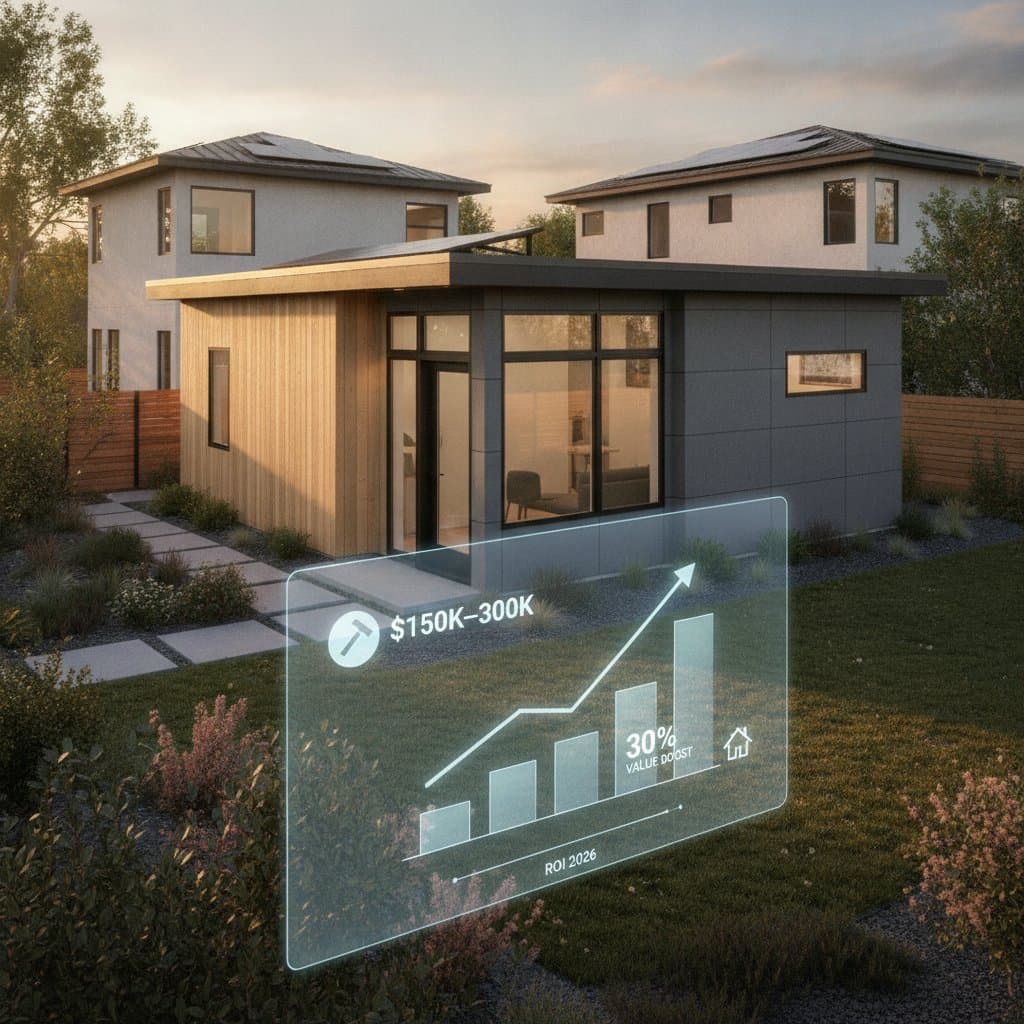
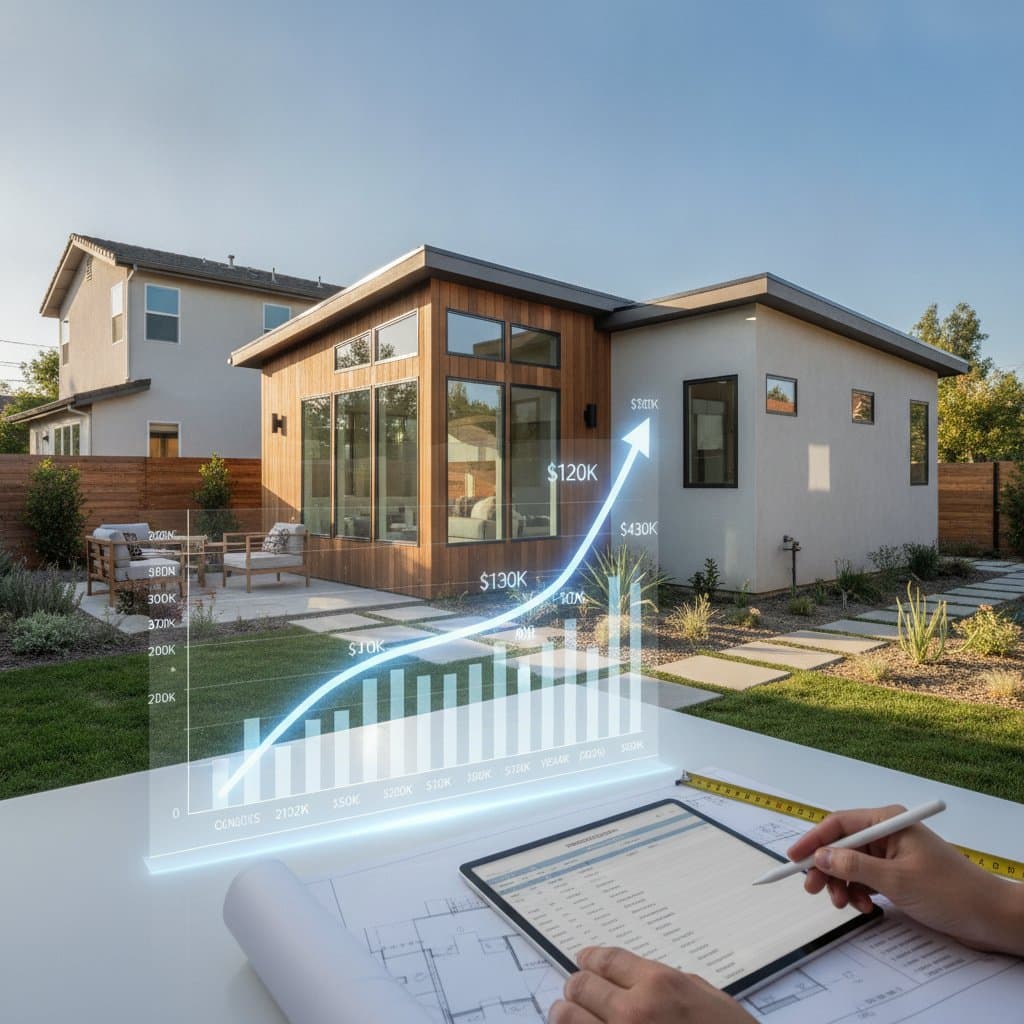
Return on investment hinges on rental income, added property value, and total construction costs. A well designed granny flat commonly delivers annual rental returns of 5 to 10 percent relative to build cost. Family housing use produces returns through reduced living expenses rather than direct rental revenue.
Factors That Improve ROI
Energy efficient windows, insulation, and lighting reduce ongoing utility expenses. Flexible layouts that accommodate both short term and long term tenants support higher occupancy rates. Mid range durable finishes prevent overspending while maintaining appeal. Efficient project management limits holding costs from delays.
Factors That Reduce ROI
Overbuilding beyond local rental demand lowers returns. Luxury finishes that fail to increase achievable rent reduce profitability. Failure to anticipate higher property taxes and insurance premiums erodes net gains.
Most granny flats reach payback within 12 to 18 years through consistent rental income or resale appreciation. Detached units typically contribute greater resale value than conversions because of added privacy and independent utility systems.
Pro Tips for Success
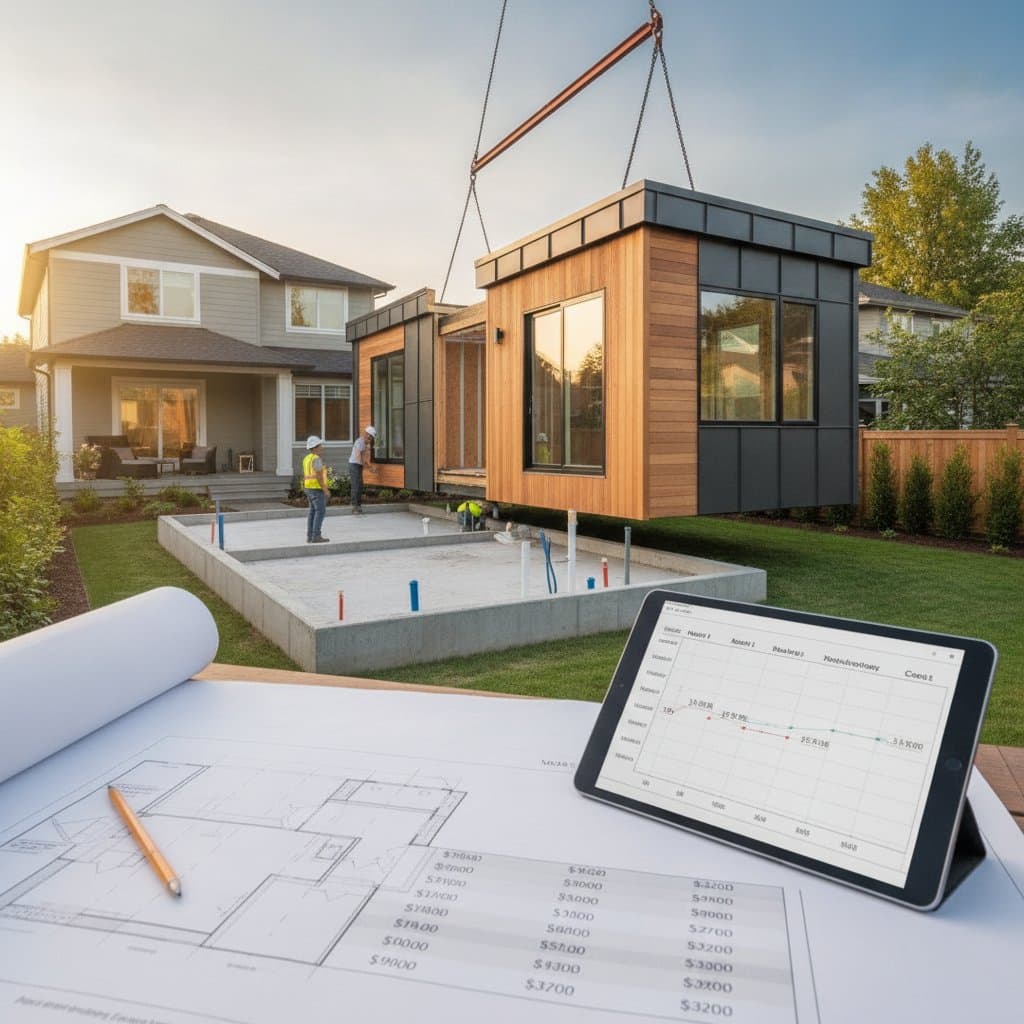
Verify that the main electrical service panel has sufficient capacity before construction advances. Panel upgrades late in the project increase expenses. Prefabricated wall panels or modular units, when permitted by code, shorten framing time and reduce material waste. Schedule inspections before any wiring or piping is concealed. Maintain a contingency reserve equal to at least 10 percent of the total budget. Document all work with photographs and receipts to support future appraisals or tax filings.
Maximizing Long Term Property Value
Careful attention to energy efficiency and flexible design helps sustain strong occupancy and rental rates over many years. Regular maintenance combined with accurate record keeping supports higher resale prices and smoother future transactions.