Wet Room Remodel Costs Compared to Traditional Bathrooms
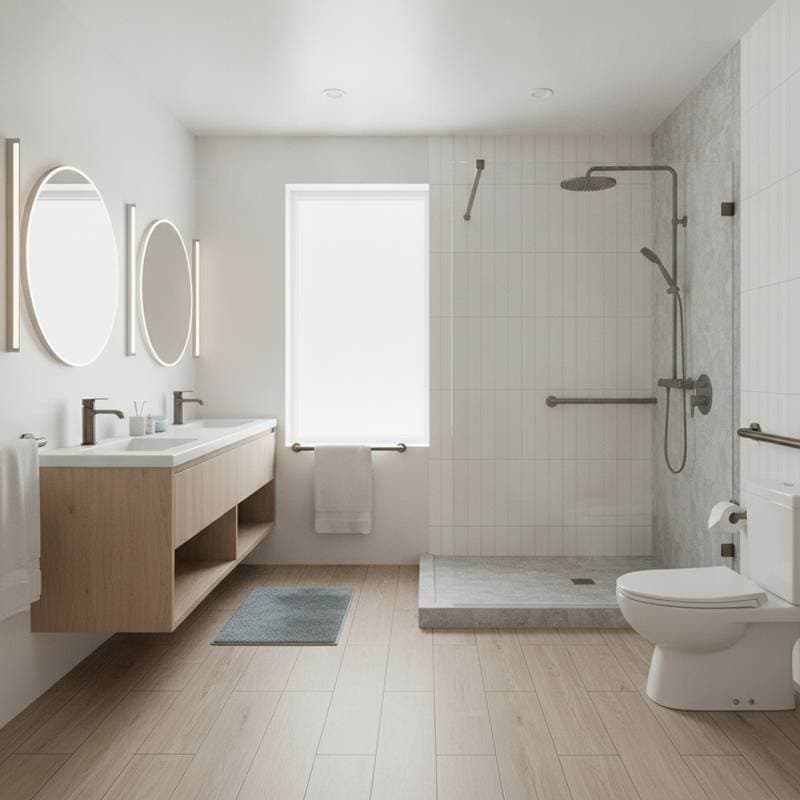
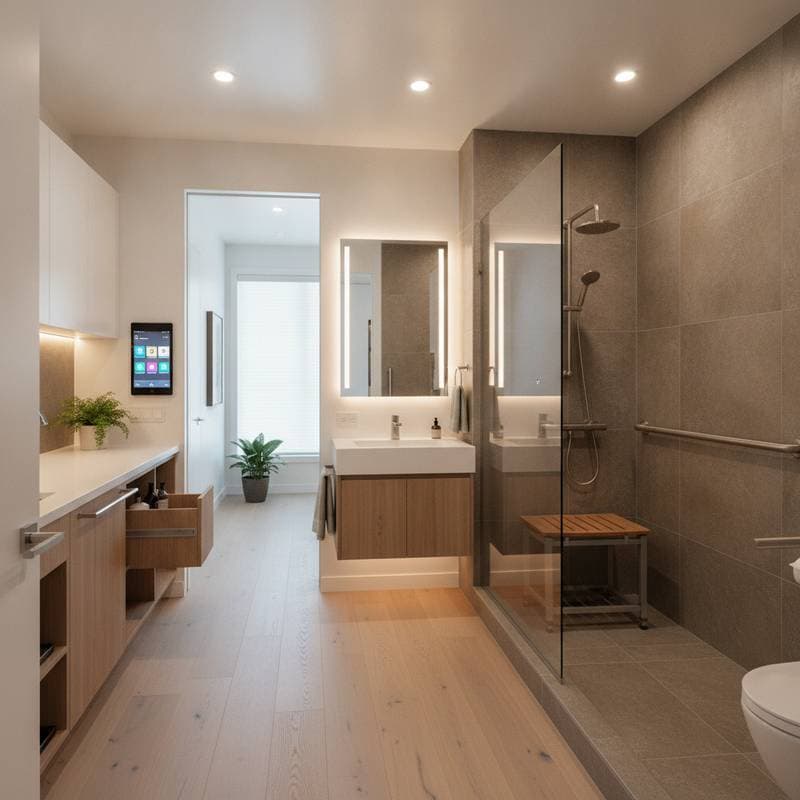
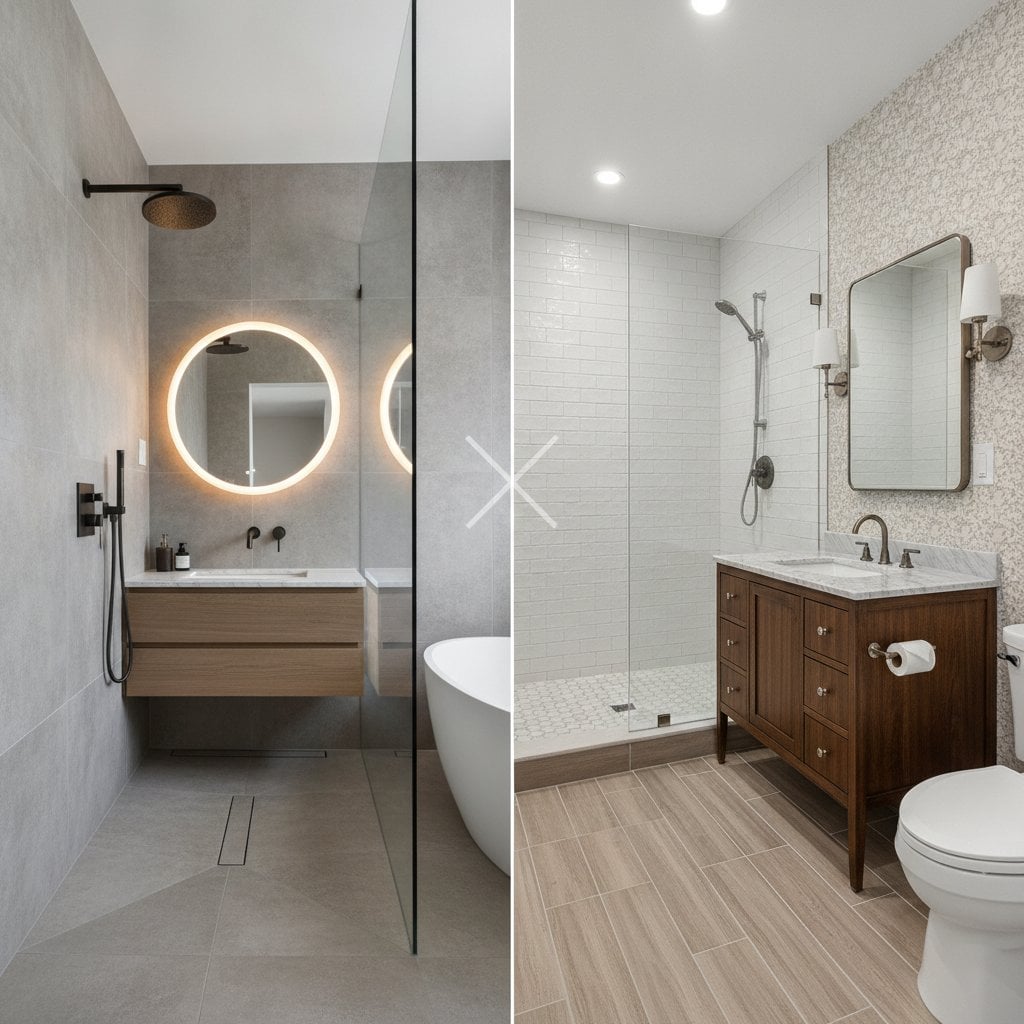
A wet room creates a fully waterproofed bathroom where the shower area remains open and drains directly through the floor. A traditional bathroom keeps the shower or tub separate behind walls and thresholds. Wet room projects cost more because they demand complete waterproofing, precise floor slopes, and specialized drainage.
Budget 15000 to 30000 dollars for a wet room remodel. Traditional bathroom work ranges from 8000 to 20000 dollars. Most projects finish in two to four weeks. Both types involve moderate to advanced difficulty and require licensed plumbers and electricians because of water and electrical hazards.
Plan the Layout and Budget
Measure the bathroom dimensions first. Decide whether the current layout will change. Moving any drain raises the total cost.
- A wet room needs a sloped floor and a central or linear drain.
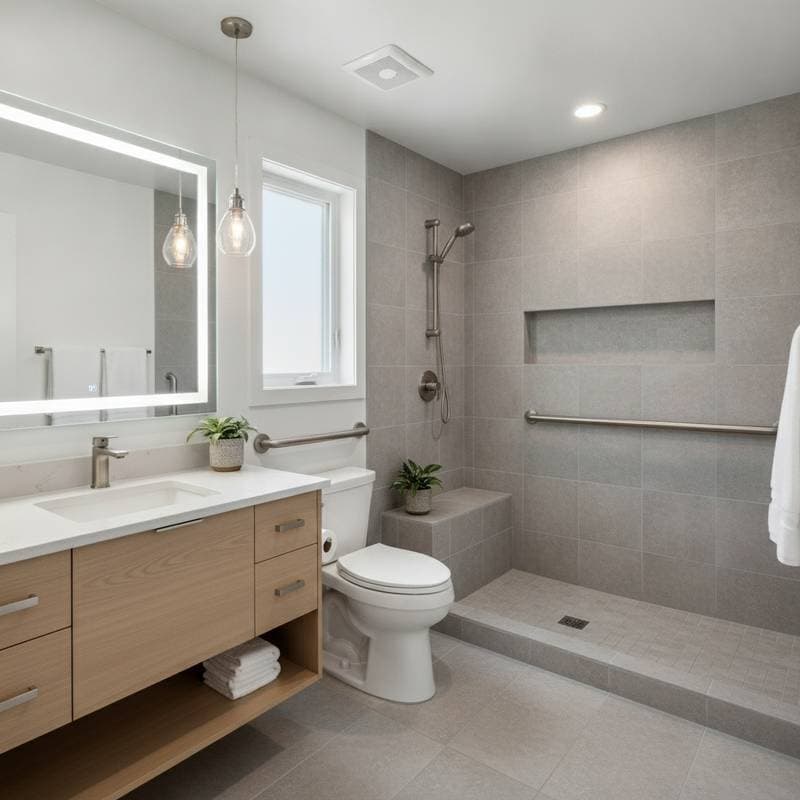
- A traditional layout keeps the tub or enclosed shower in place.
Confirm that the chosen design fits the space and supports correct drainage.
Remove Old Fixtures
Shut off the main water supply. Take out the existing fixtures, tile, and flooring. Keep a bucket nearby to catch residual water in the pipes.
Inspect the subfloor and walls for soundness and mold. Replace any damaged sections before proceeding.
Check and Repair the Structure
Look for rot or water damage in the framing and subfloor. Strengthen or replace weakened areas as needed.
Damaged joists require a qualified carpenter. Verify that the base is level and solid before moving forward.
Set Plumbing and Drainage
Establish new drain locations before any waterproofing begins. Wet room floors must slope one quarter inch per foot toward the drain. Traditional showers rely on a preformed pan.
Have a licensed electrician confirm safe placement of outlets and lighting. Test all drains with water to confirm they hold without leaks.
Apply Waterproofing Membranes
Coat the entire floor and lower wall sections of a wet room with a waterproof membrane. Seal every seam with waterproof tape. In a traditional bathroom, limit the membrane to the shower area only.
Check for gaps at corners and edges. Water should bead on the surface rather than soak in.
Install Backer Board and Tile
Secure cement board to the walls with corrosion resistant screws. Spread thin set mortar evenly. Lay floor tile before wall tile and maintain straight grout lines.
Confirm that tiles sit level and that the slope directs water properly to the drain.
Grout, Seal, and Finish
Allow the tile to cure, then apply grout and remove excess before it hardens. Seal all grout lines and edges with silicone caulk.
Verify that every joint is watertight. Install the toilet, vanity, and shower fittings last. Wall mounted fixtures help keep a wet room floor clear.
Address Common Problems
Standing water usually results from an insufficient floor slope. Tile cracks often trace back to subfloor movement. Grout discoloration signals moisture behind the tile. Persistent drain odors point to an improperly installed trap.
Simple corrections include replacing old caulk, reapplying grout sealer twice a year, and adjusting shower head height for better coverage.
Decide When to Hire Professionals
Contact a licensed contractor for floor structure changes, drain relocation, electrical work near wet zones, or ongoing leaks and mold. Typical hourly rates run 75 to 150 dollars for plumbers, 80 to 160 dollars for electricians, and 10 to 25 dollars per square foot for tile setters. General contractors charge 10 to 20 percent of the project total for oversight.
Request written estimates that detail materials, labor, and timeline. Confirm licensing, insurance, and local references before signing any agreement.
Practical Steps That Improve Results
Test every waterproofing layer before covering it. Use smaller floor tiles to improve traction and slope control. Add a handheld shower wand for accessibility. Extend a gentle slope beyond the shower area to protect the door. Store spare tiles for future repairs. Run a 24 hour drain test before closing walls or setting fixtures.
These choices produce a durable, low maintenance bathroom that supports daily use and maintains home value over time.