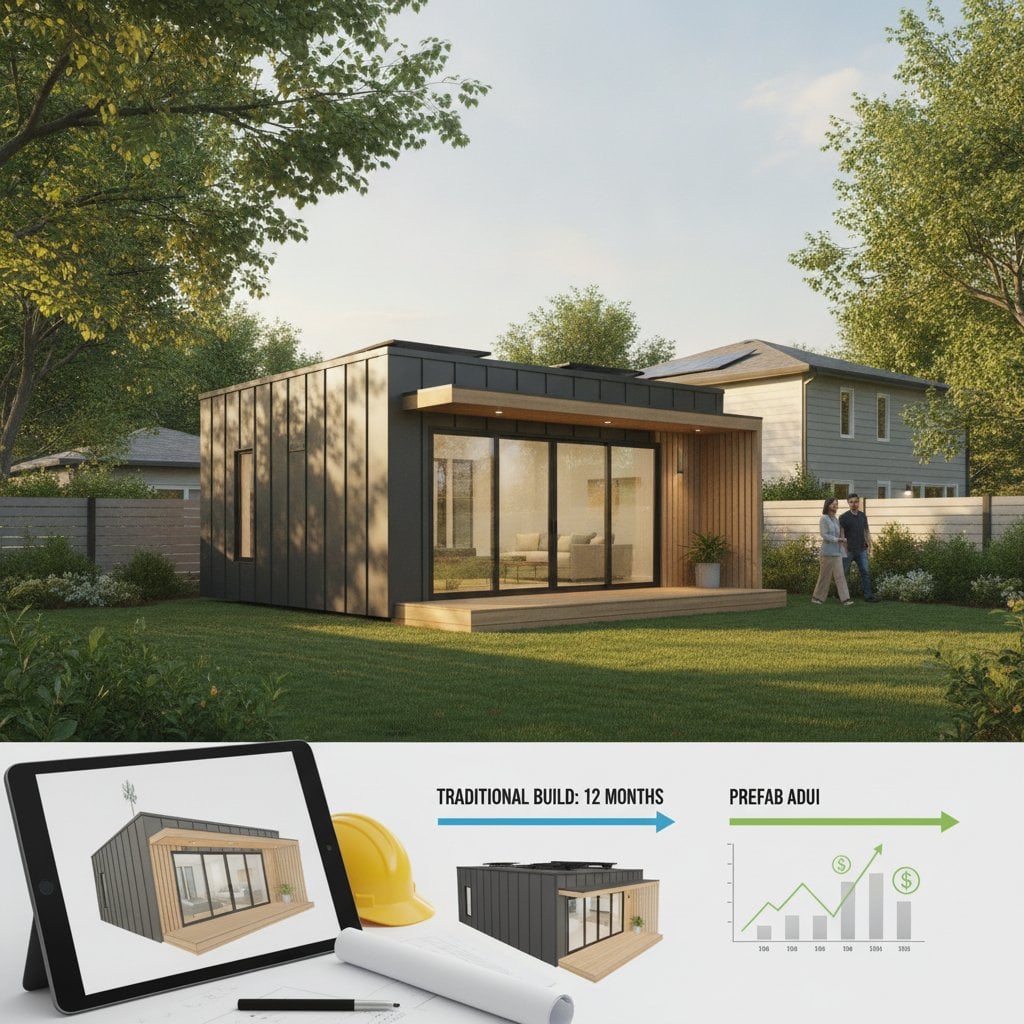
Prefab ADUs Cut Build Time in Half for $210K
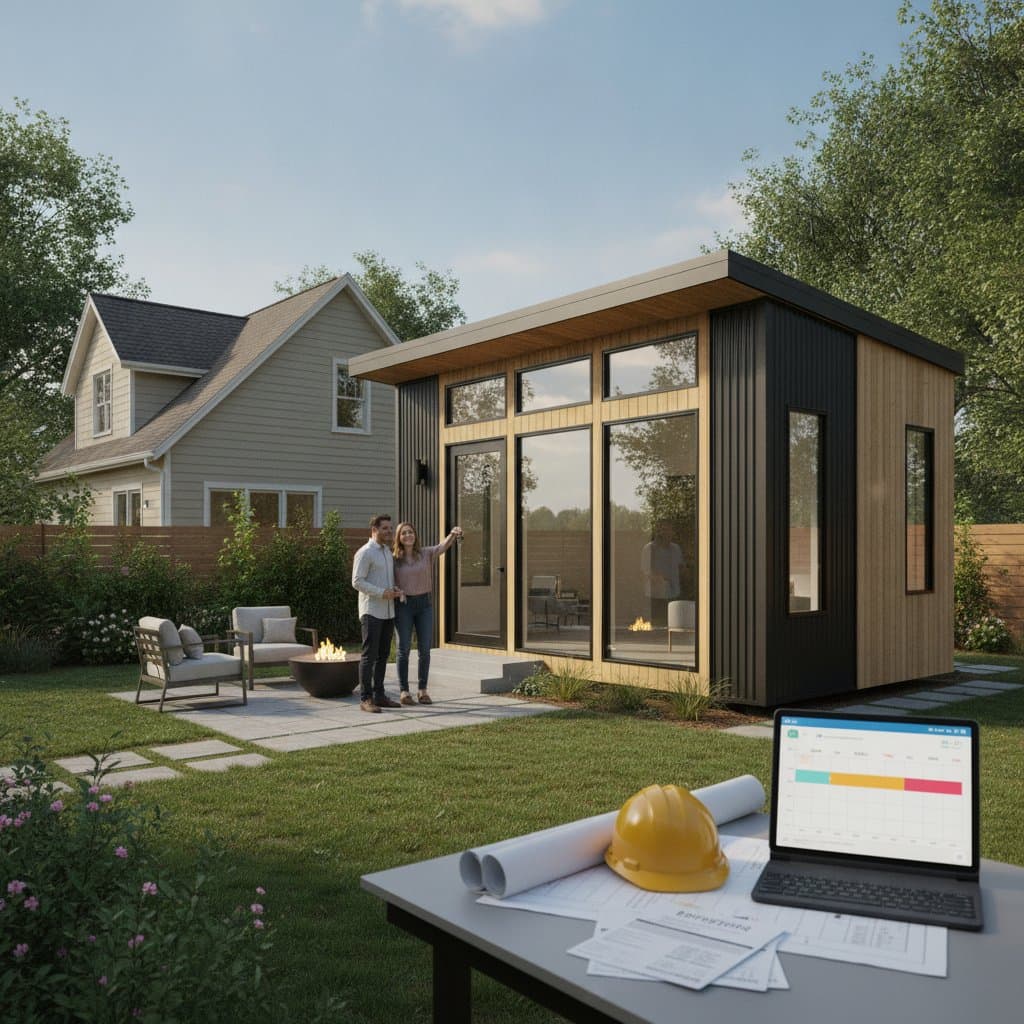
Prefab accessory dwelling units deliver housing solutions that reduce typical construction schedules by half while maintaining predictable expenses. These factory built modules arrive at sites ready for quick assembly. Property owners gain added living space without the extended disruptions common in traditional builds.
Cost Ranges for Prefab Units
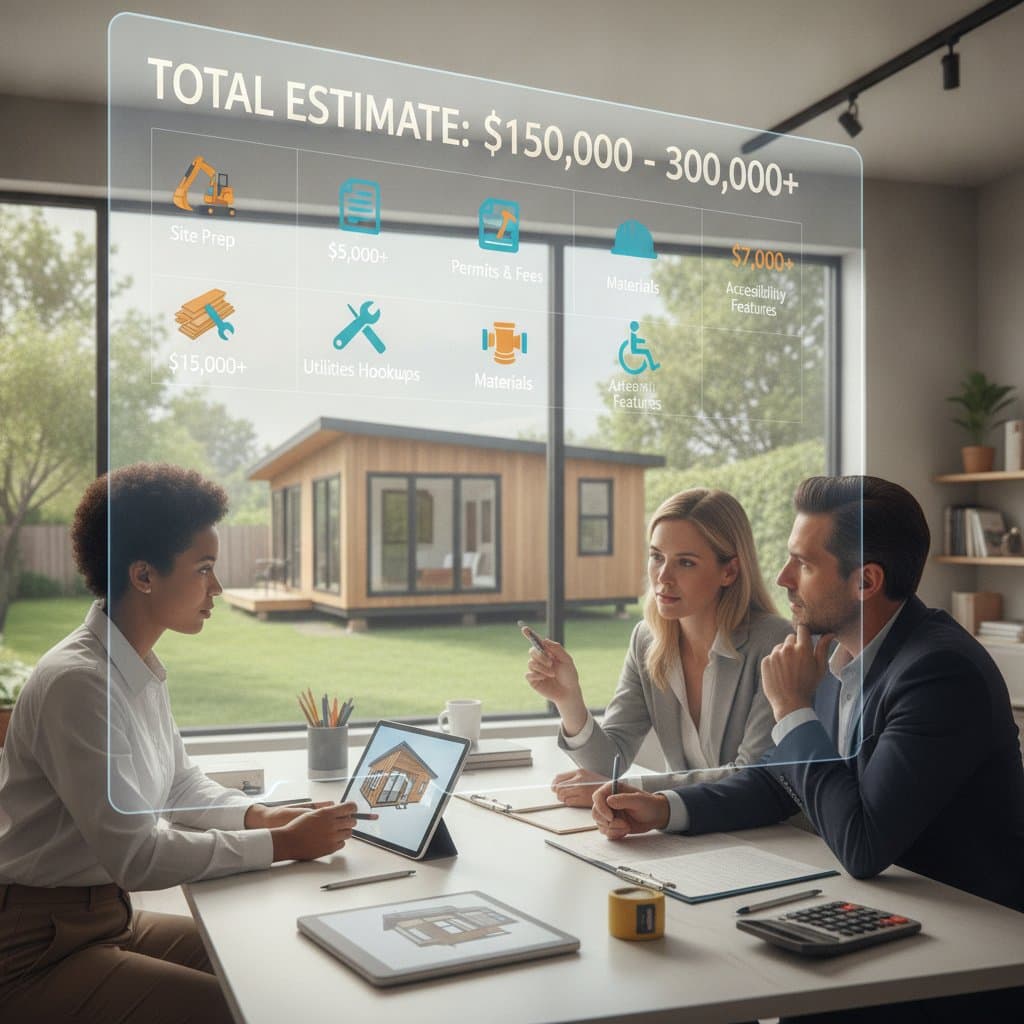
Average pricing for a complete prefab ADU falls between 150000 dollars and 275000 dollars. A standard 210000 dollar model often includes basic finishes and essential utilities. Buyers select upgrades such as premium appliances or enhanced insulation to match specific needs and local climate demands.
Site preparation adds separate expenses that range from 10000 dollars to 30000 dollars depending on soil conditions and utility connections. Professional installation teams complete most projects within four to eight weeks after delivery. This timeline stands in contrast to site built units that may require four to six months of on site labor.
Permit Acceleration Strategies
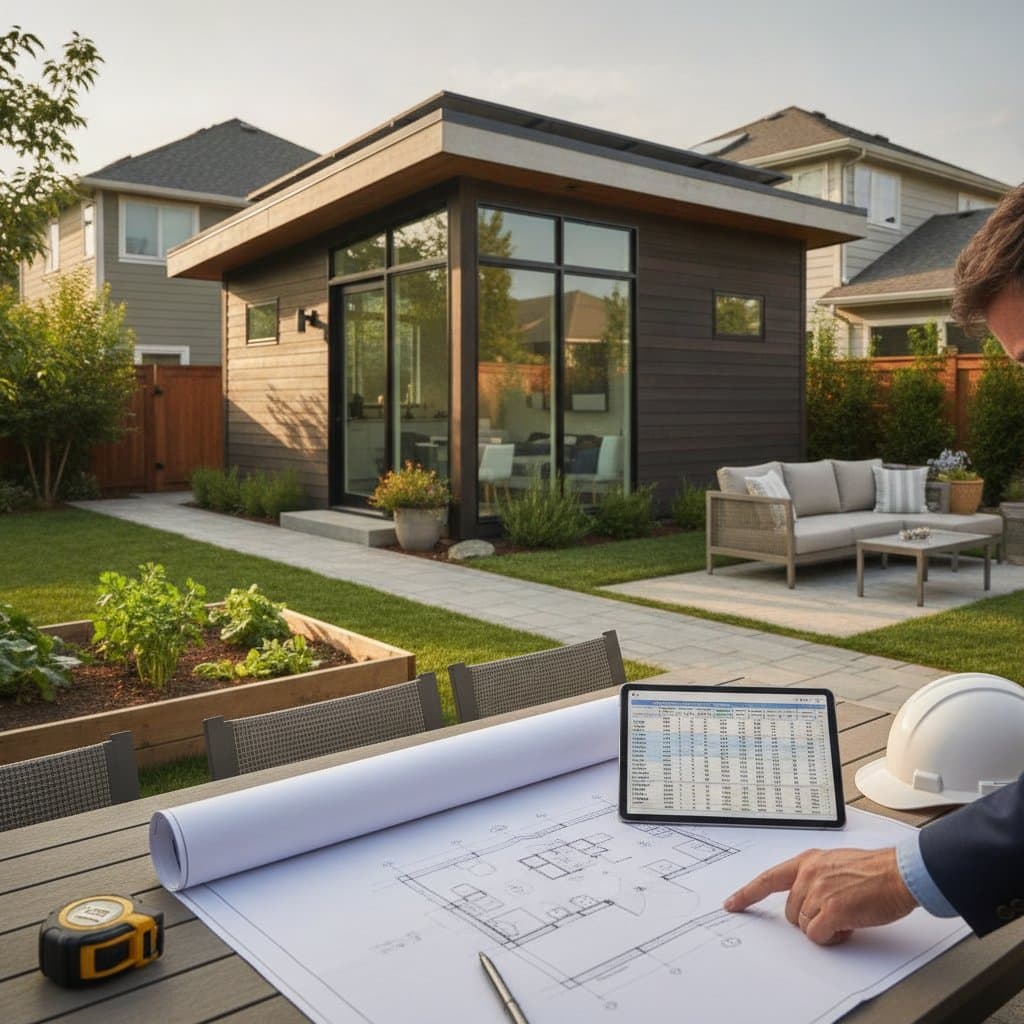
Local jurisdictions offer fast track review programs for modular structures that meet preset design standards. Applicants submit complete sets of engineered drawings and material specifications to shorten approval cycles. Early consultation with planning staff identifies any zoning restrictions before formal submission.
Standard models from established manufacturers already carry third party certifications that satisfy many building code requirements. Owners avoid custom engineering fees and repeated revision cycles. Coordination with a licensed contractor familiar with regional rules further reduces delays.
Installation Sequence and Quality Controls
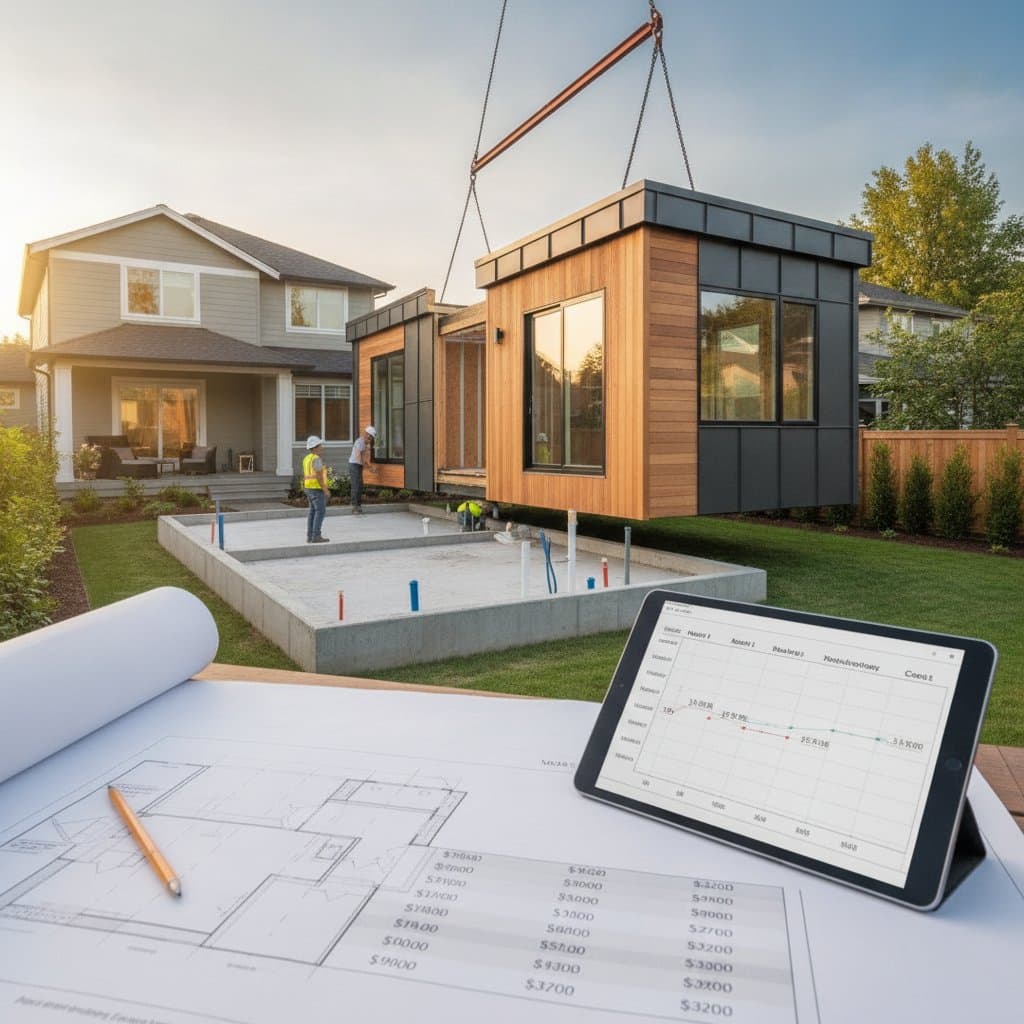
Delivery occurs on flatbed trucks followed by crane placement onto prepared foundations. Crews connect electrical plumbing and HVAC systems within days. Final inspections verify compliance before occupancy certificates are issued.
Factory production environments allow consistent quality checks at each assembly stage. Materials undergo testing for durability and energy efficiency prior to shipment. On site adjustments remain minimal because modules arrive with precise dimensions.
Property Value and Flexibility Gains
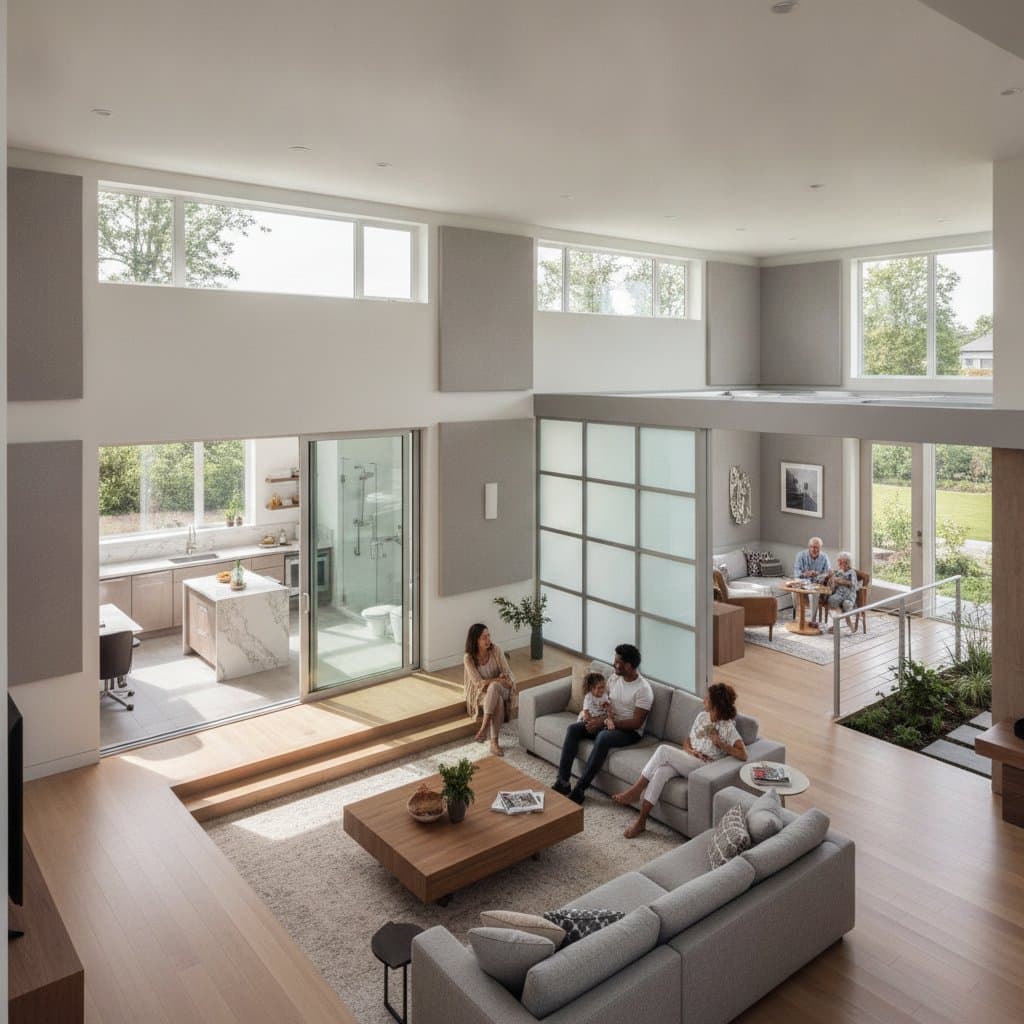
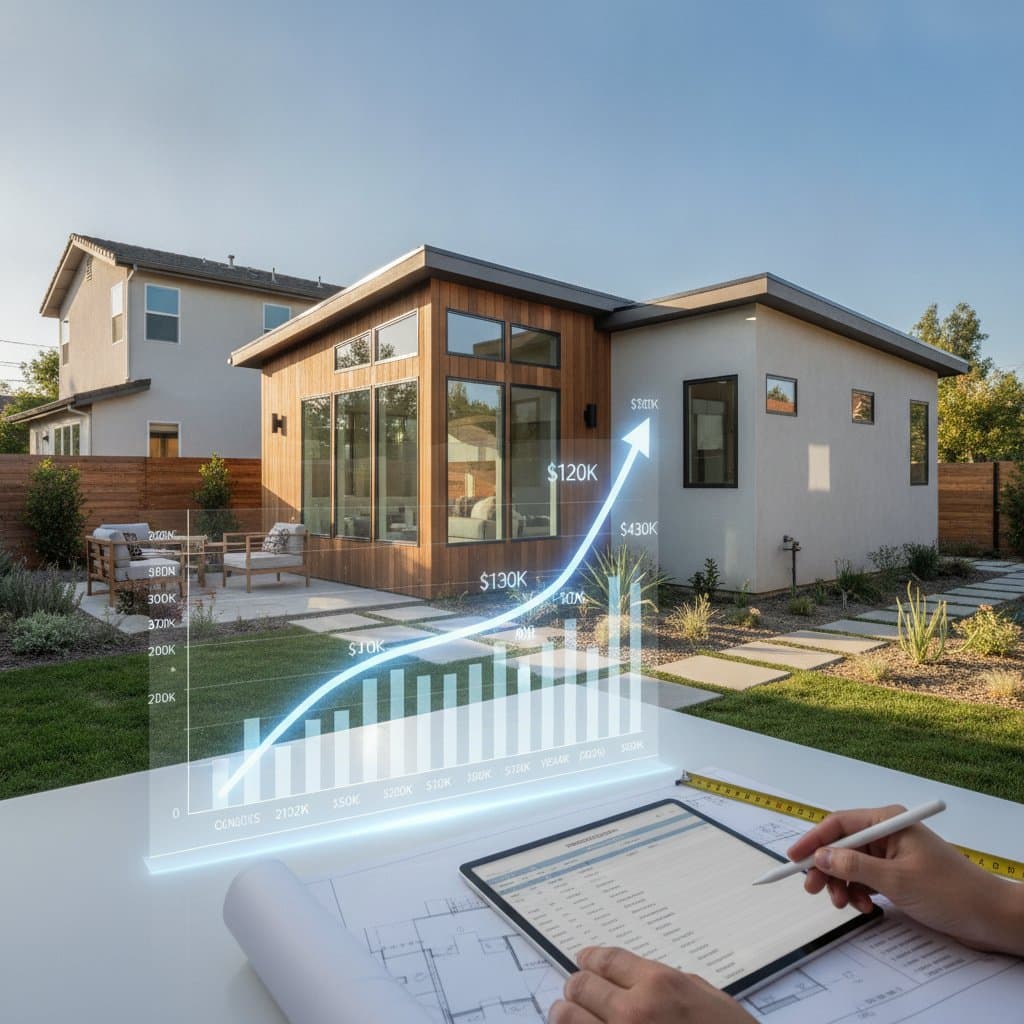
Added square footage from an ADU increases overall assessed value and creates potential rental income streams. Owners use the space for aging family members or home offices without relocating. Market data shows strong demand for well designed secondary units in established neighborhoods.
Maintenance requirements stay low because components receive protective coatings during manufacturing. Warranty coverage from the producer often extends five to ten years on structural elements. Regular inspections of seals and connections preserve long term performance.
Project Planning Recommendations
Begin with a site assessment to confirm setbacks and access routes for delivery equipment. Compare multiple manufacturer catalogs for layouts that fit lot dimensions and household requirements. Secure financing preapproval that accounts for both unit cost and site work.
Select a contractor experienced in modular integration to oversee foundation work and final connections. Schedule utility upgrades in advance to align with delivery dates. Document all decisions in writing to maintain budget discipline throughout the process.
Owner Action Items
Contact local planning departments to request current ADU guidelines and fee schedules. Request detailed proposals from three prefab suppliers that include delivery and setup terms. Review sample contracts with an attorney before signing to protect against unforeseen change orders.