2026 ADU Costs: What Your Backyard Cottage Will Really Cost
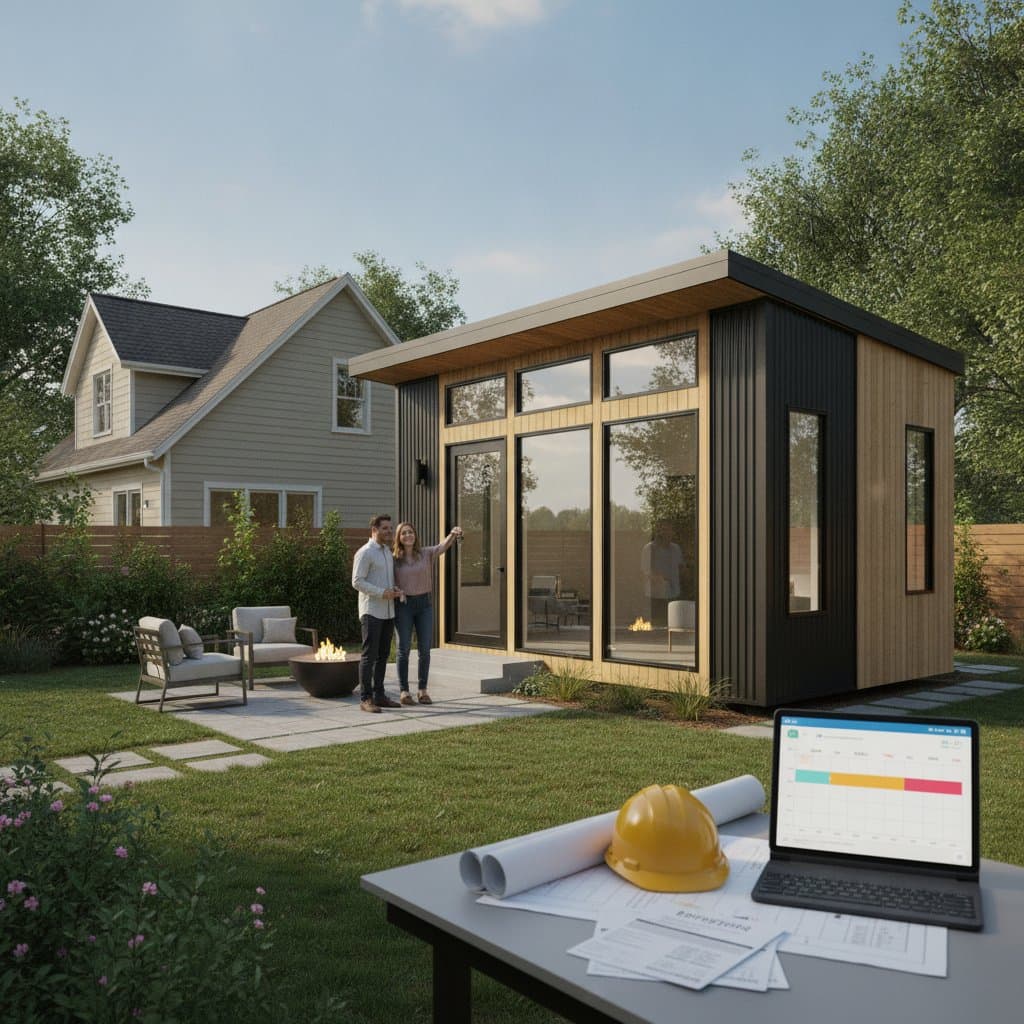
Accessory dwelling units, known as ADUs, backyard cottages, or granny flats, provide practical options for expanding living space and boosting property value. Homeowners often build them as rental units, guest accommodations, or dedicated home offices. To proceed confidently, assess the complete cost breakdown before initiating any construction.
Quick Cost Summary
Expect to spend between $180,000 and $400,000 on an ADU project, with averages falling in the $250,000 to $300,000 range. These figures account for variations in size, design complexity, site preparation, and regional labor rates.
Key factors influencing expenses include:
- Size and configuration: Detached structures typically exceed the costs of garage conversions or basement additions.
- Material selections and interior finishes: Premium choices increase both supply and installation expenses.
- Utility connections and groundwork: Extending sewer lines, electrical service, and laying foundations may add $20,000 to $50,000.
- Permitting and planning fees: Regulations differ by location, potentially altering the overall budget by 5 to 15 percent.
Key Project Insights
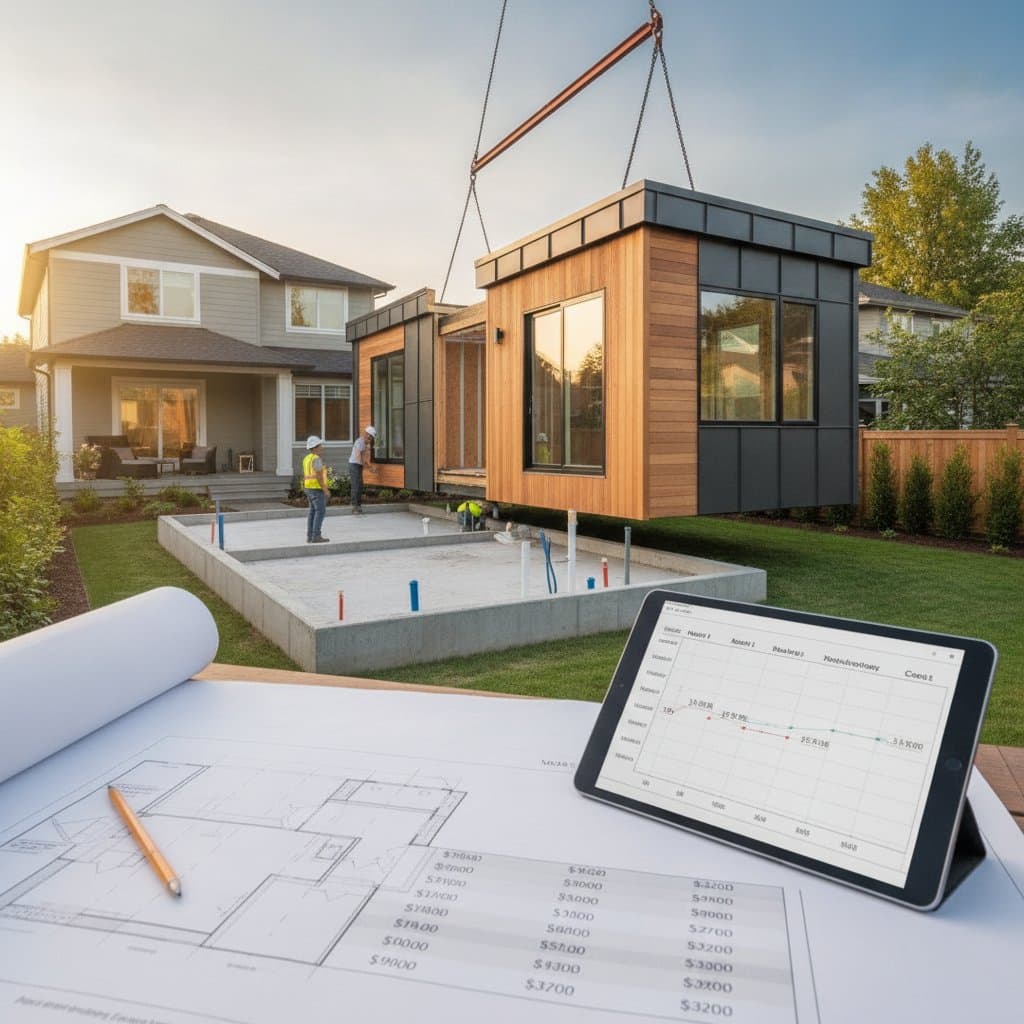
Detached backyard cottages command higher prices due to their standalone nature, yet they deliver superior privacy and adaptable use. Opt for prefabricated or modular units to trim expenses, provided your property supports crane access and foundation setup.
Transforming an existing garage or basement reduces outlays by 30 to 40 percent compared to ground-up builds, as it leverages pre-existing infrastructure. Engage a construction manager early to navigate permitting hurdles and inspection requirements, minimizing errors that could inflate costs.
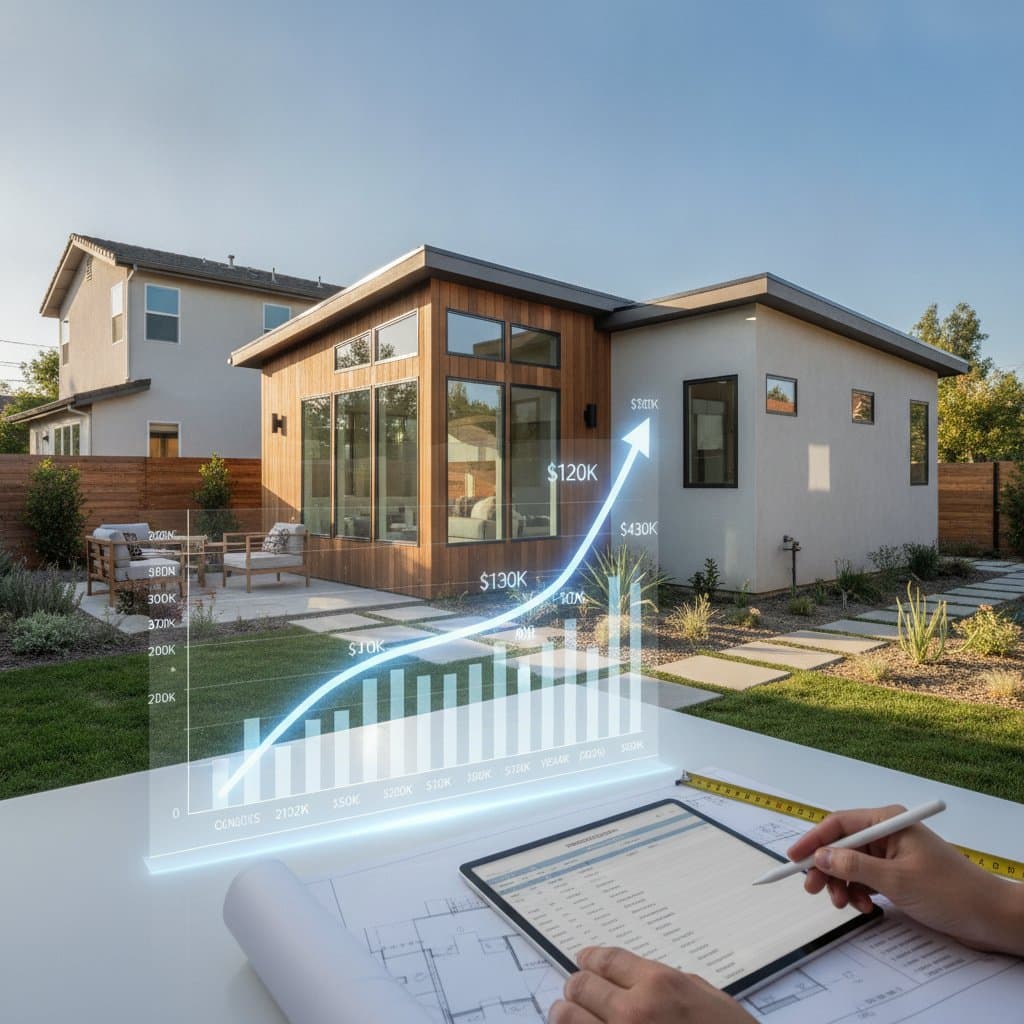
Numerous owners recover substantial investments via steady rental revenue or enhanced home appraisals, often achieving 70 to 90 percent return within five years.
Contractor Expenses: Professional Services Versus Owner-Led Efforts
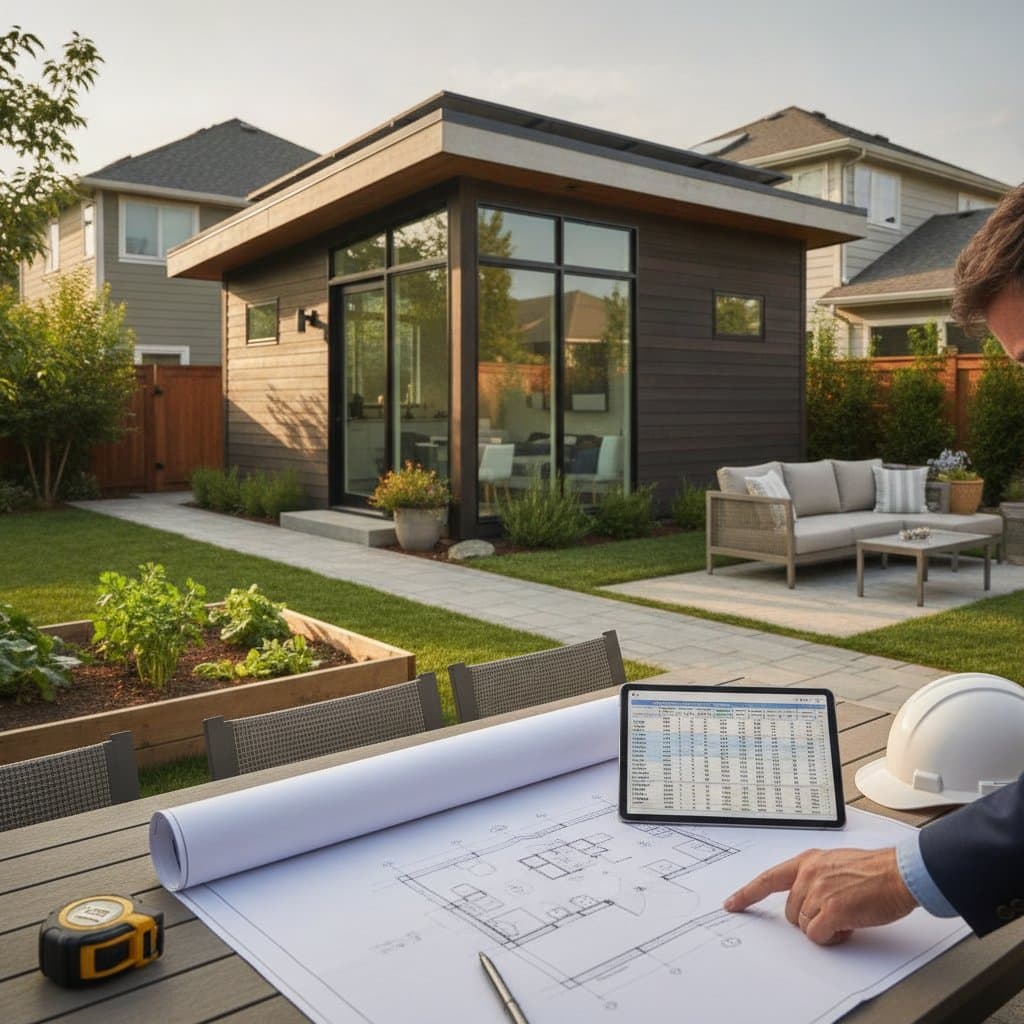
Licensed contractors comprise 40 to 60 percent of the total budget, covering essential tasks like framing, plumbing installation, electrical wiring, roofing, and final detailing. Beyond hands-on work, they coordinate permits, conduct inspections, and adhere to timelines, ensuring regulatory adherence and durable results.
Benefits of Professional Management
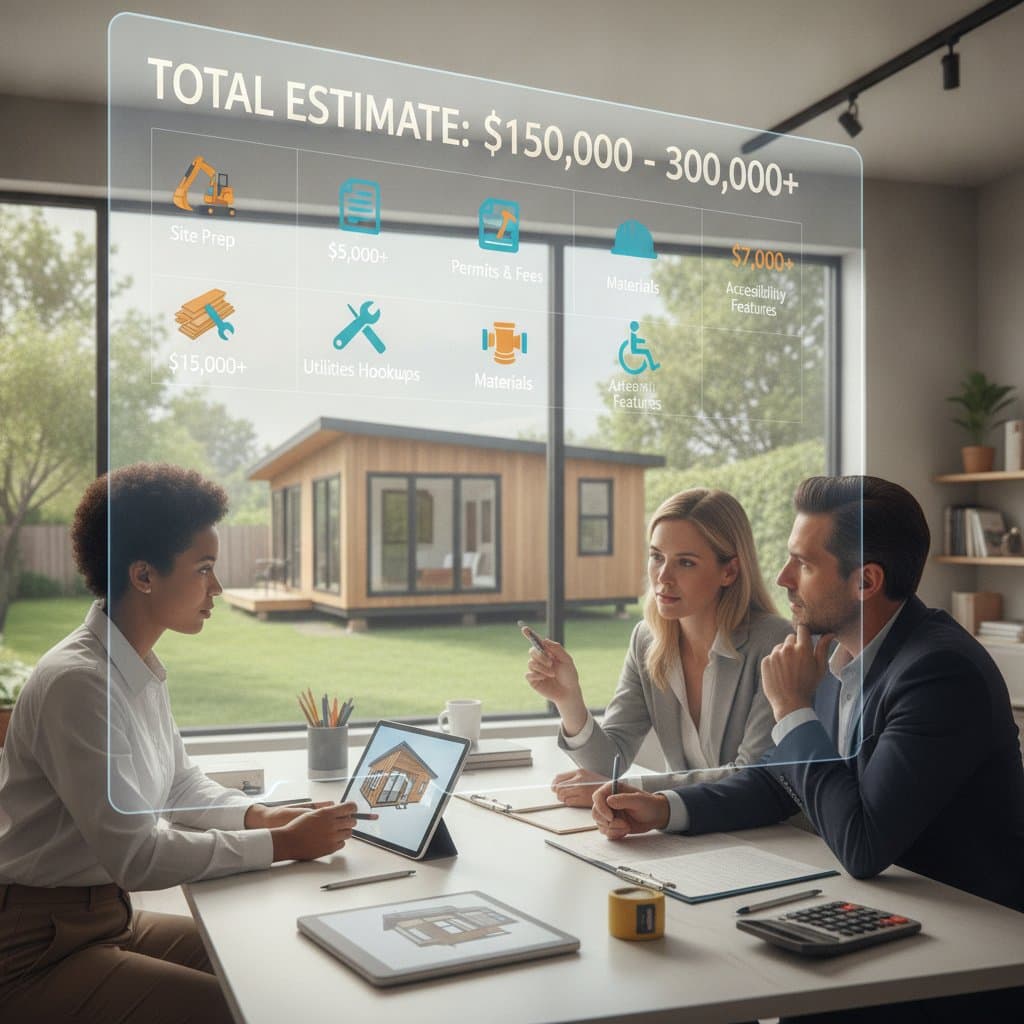
Full-service teams quote $150,000 to $300,000 for standard backyard cottages, encompassing oversight, specialized labor, and post-completion warranties. This investment pays off by preventing schedule overruns and guaranteeing adherence to building codes, which protects long-term property integrity.
Homeowners appreciate the reduced stress and higher resale appeal that comes from professional execution.
Options for Owner Involvement
Qualified individuals may handle select phases to cut labor costs by 10 to 20 percent. Focus self-directed efforts on non-structural elements, such as painting interiors, installing fixtures, or arranging landscaping.
Local codes mandate certified experts for critical systems like plumbing, electrical, and load-bearing components. Attempting these without proper credentials risks fines, rework, or safety issues, so consult authorities upfront.
Strategies to Reduce ADU Expenses
Control spending on your ADU while upholding standards through targeted decisions.
- Select straightforward layouts: A single-story rectangular design minimizes framing and roofing needs compared to irregular or multi-level plans.
- Incorporate off-the-shelf components: Standard windows, doors, and cabinetry from suppliers avoid the premiums of bespoke fabrication.
- Repurpose available areas: Adapting a garage or basement preserves foundational elements and utility hookups, slashing expenses by up to half.
- Centralize wet areas: Positioning the kitchen and bathroom adjacent shortens pipe runs and ventilation ducts, saving on materials and labor.
- Develop thorough plans early: Comprehensive blueprints and pre-approved permits limit mid-project modifications that drive up fees.
- Solicit competitive bids: Obtain at least three itemized proposals to benchmark rates and uncover potential overcharges.
- Assume oversight duties if experienced: Seasoned property owners can forgo general contractor markups, but they must manage subcontractors and compliance rigorously.
Basis for Cost Estimates
These projections draw from nationwide builder polls, detailed contractor bids, and records of finished ADUs. Estimates cover labor, supplies, approvals, and basic amenities, excluding luxury upgrades.
Adjust for your locale: Urban zones inflate wages by 20 to 30 percent, whereas rural settings might lower transport costs but limit contractor availability. Secure localized appraisals to refine your financial projections.
Funding Options for Your ADU
Several financing avenues suit ADU developments, often blending sources for optimal terms.
- Home equity line of credit: Provides draw-as-needed funds with rates around 7 to 9 percent, ideal for phased payments.
- Cash-out refinancing: Secures a new mortgage larger than the current balance, unlocking equity for upfront construction capital.
- Specialized renovation loans: Bundle home improvements with existing debt into a single, streamlined package.
- Personal reserves or intra-family advances: Eliminate interest burdens but demand careful cash flow assessment.
Evaluate each path by calculating interest accrual, monthly obligations, and impacts on home equity or tax assessments. Consult lenders to align financing with your projected rental yields or value gains.
Navigating Permits and Inspections
Zoning laws govern ADU specifics, including maximum heights, boundary offsets, and parking mandates. Verify allowances in your area before sketching designs; some locales cap units at 800 square feet or tie sizes to the primary residence.
Standard progression involves:
- Conducting a property survey and feasibility study.
- Preparing architectural drawings and structural calculations.
- Submitting applications for review and approval.
- Scheduling checks at key milestones: foundation pour, frame erection, mechanical installations, and occupancy clearance.
Partner with a local-savvy builder to streamline submissions and resolve any variances swiftly.
Advancing Your ADU Project
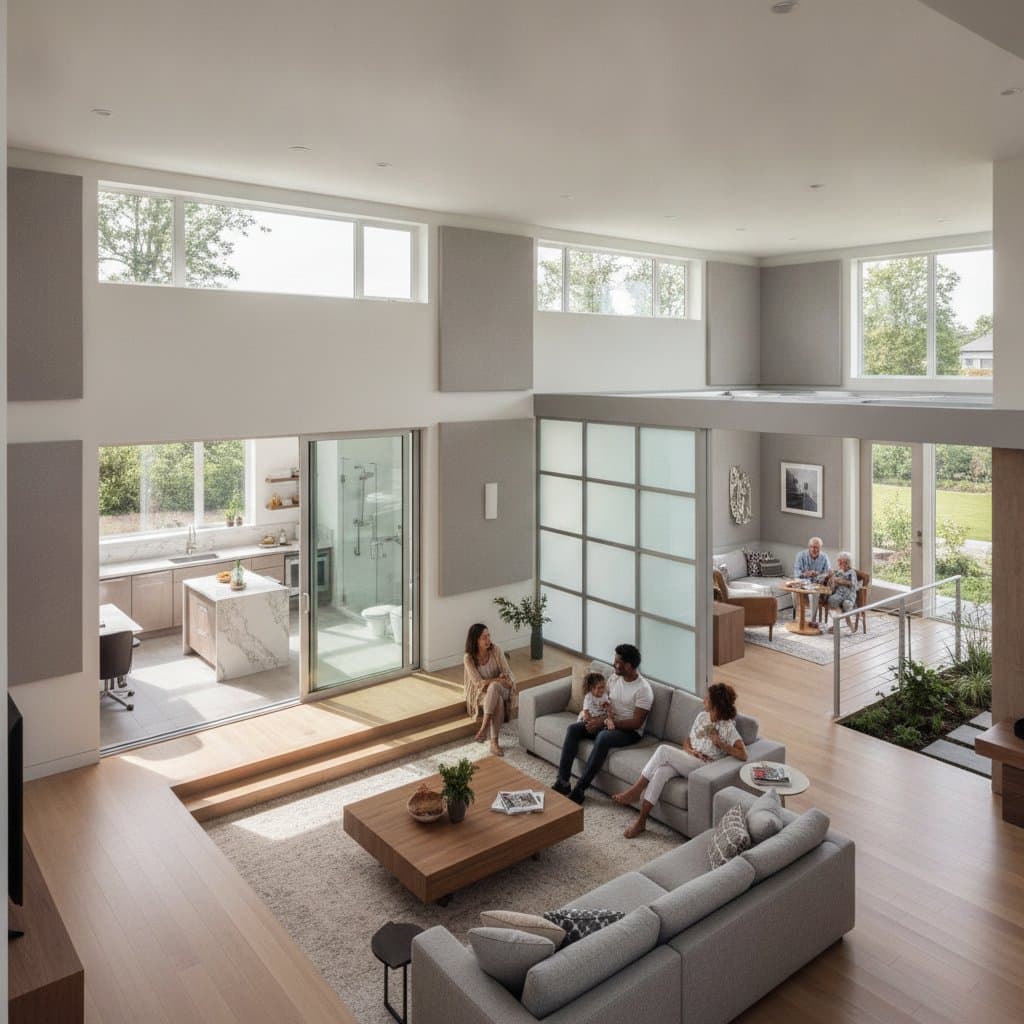
An ADU represents a blend of economic strategy and personal enhancement. Start by clarifying objectives, such as generating passive income, accommodating relatives, or elevating market worth.
Next, compile bids from vetted professionals, validate zoning compliance, and lock in funding. With disciplined preparation, your backyard cottage will enhance daily life and secure enduring financial advantages.