Age-Proof Your Home: Universal Design Costs for 2026
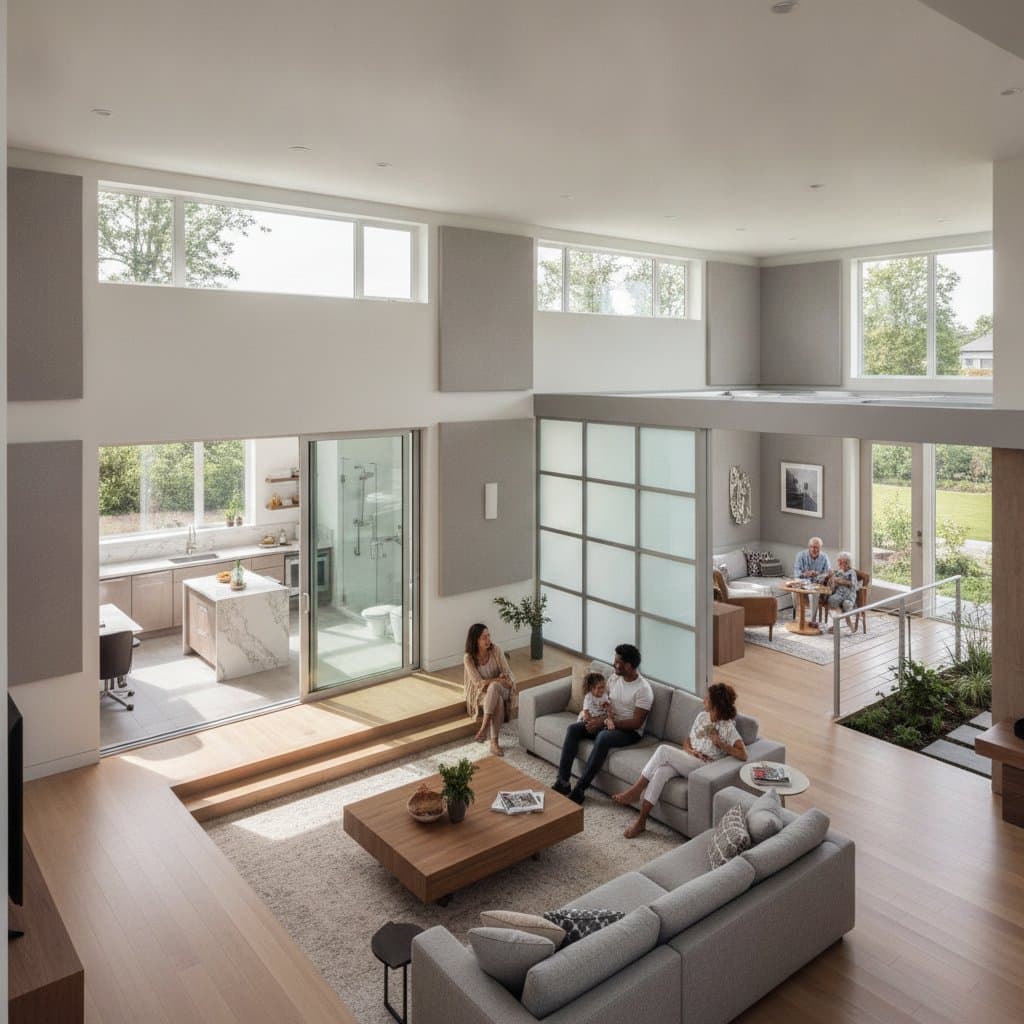
Universal design transforms ordinary homes into spaces that accommodate people of all ages and abilities. This approach focuses on features that enhance accessibility without sacrificing aesthetics or functionality. As populations age, investing in these modifications becomes essential for safety and independence.
Homeowners often overlook the long-term advantages of universal design until mobility challenges arise. Proactive upgrades ensure comfort and reduce future renovation needs. Projections for 2026 indicate rising material costs, making now an ideal time to plan.
Understanding Universal Design Principles
Universal design emphasizes flexibility, simplicity, and equitable use. Core principles include creating spaces that are intuitive for everyone, from children to seniors. For instance, lever handles replace traditional knobs to ease operation for those with limited grip strength.
These principles extend beyond compliance with building codes. They promote intuitive navigation and minimize physical strain. In 2026, expect design trends to integrate smart technology seamlessly with these foundational elements.
Key benefits include increased home value and reduced accident risks. Studies show accessible homes sell faster and at higher prices. Families gain peace of mind knowing the space supports lifelong living.
Essential Upgrades for Accessibility
Start with entryways to eliminate barriers. Installing a zero-step threshold costs between $2,000 and $5,000, depending on materials like composite decking or concrete. Wider doorways, expanded to 36 inches, range from $1,500 to $3,000 per door, facilitating wheelchair access.
Interior hallways benefit from similar widening. Smooth flooring transitions prevent trips; replacing carpet with low-pile options averages $3 to $8 per square foot. These changes create unobstructed paths throughout the home.
Lighting upgrades address visibility issues common in aging eyes. Motion-sensor LED fixtures cost $50 to $200 each, with whole-home systems reaching $1,000 to $3,000. Dimmable options allow customization for different times of day.
Bathroom Modifications for Safety
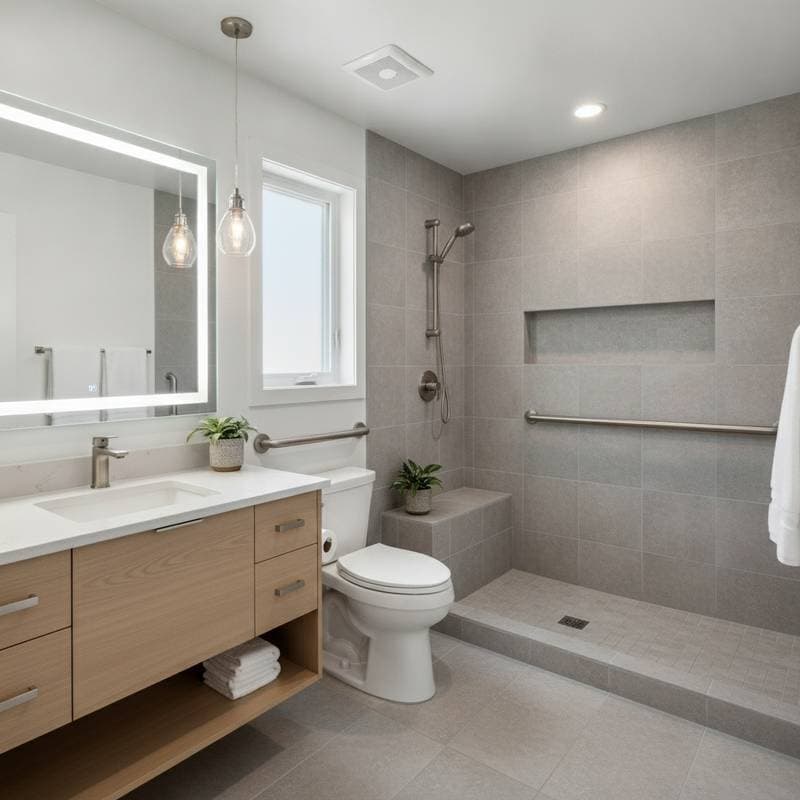
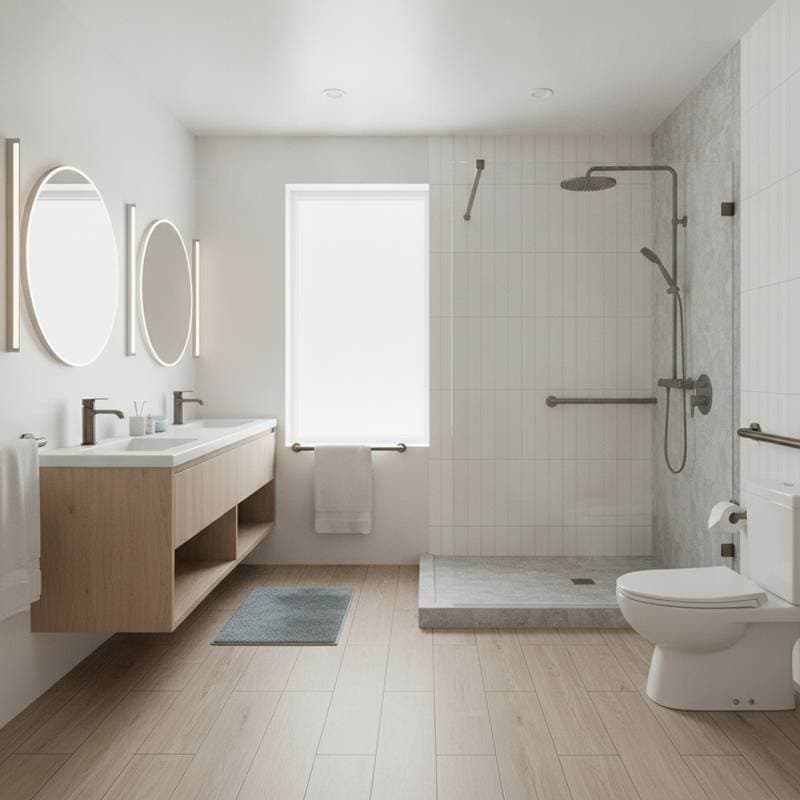
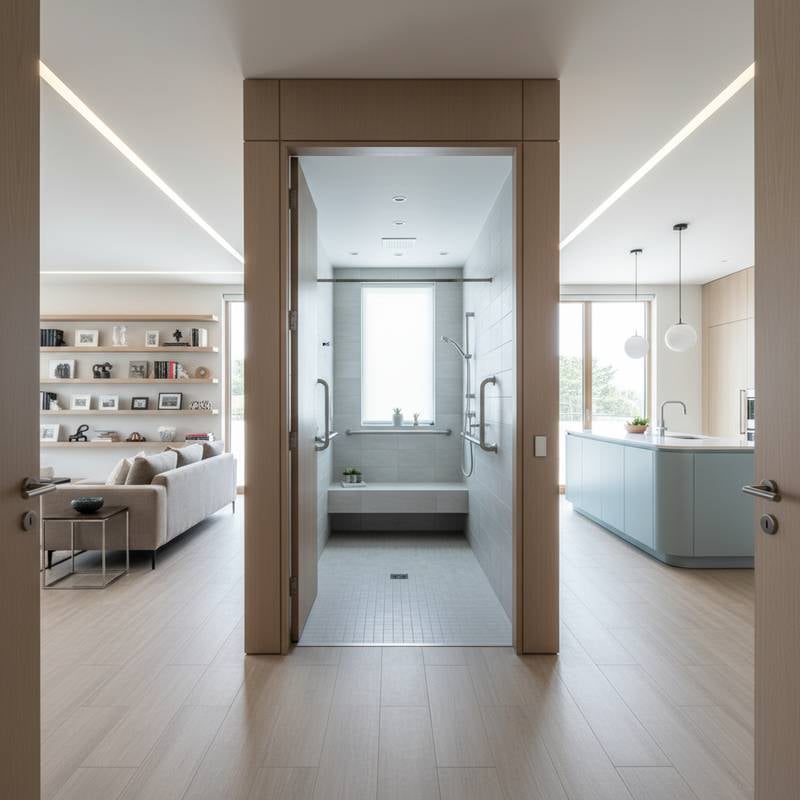
Bathrooms pose significant fall risks, so prioritize non-slip surfaces and grab bars. Barrier-free showers with curbless entries cost $5,000 to $15,000, including waterproofing and tiling. Walk-in tubs, equipped with built-in seats, range from $8,000 to $20,000 installed.
Lever faucets and height-adjustable sinks improve usability. These fixtures add $500 to $2,000 per bathroom. Heated floors, at $10 to $20 per square foot, provide comfort for those with circulation concerns.
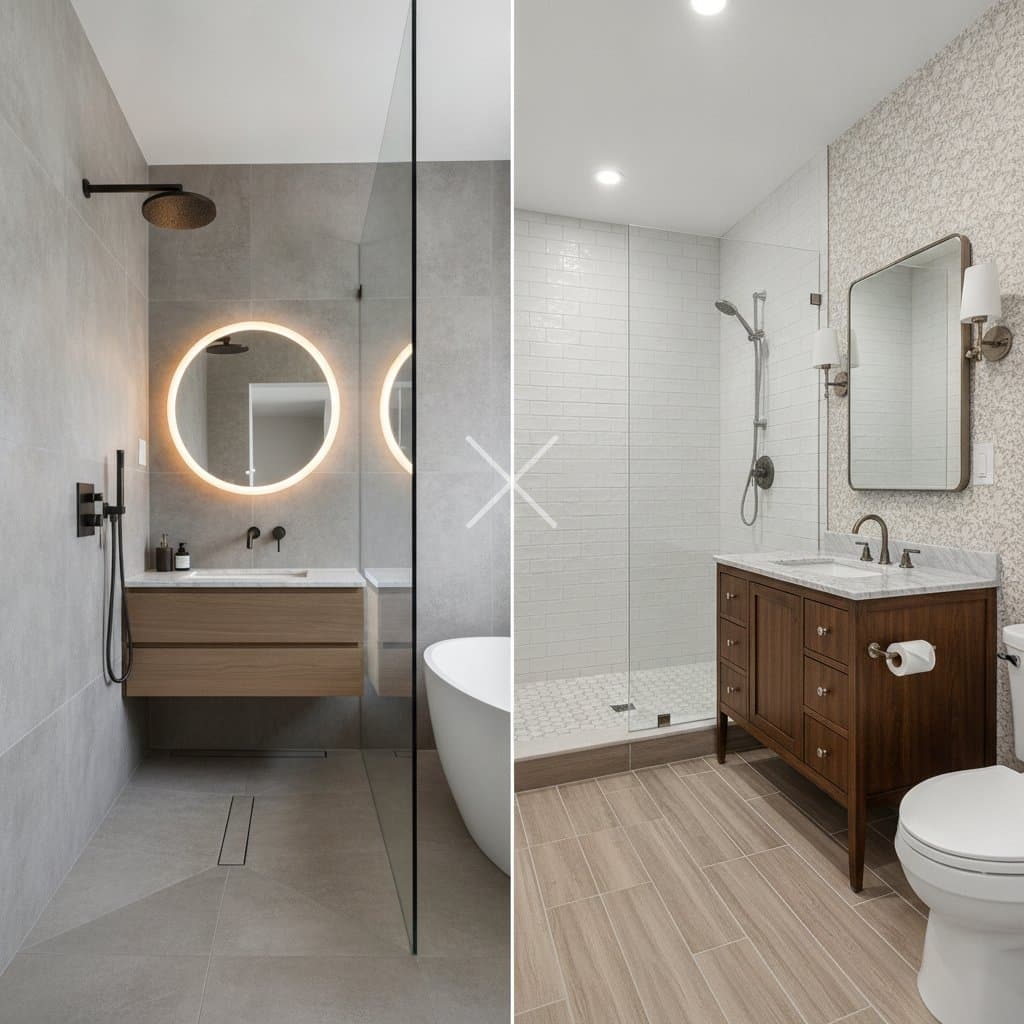
Professional installation ensures compliance with safety standards. Total bathroom overhauls typically fall between $10,000 and $30,000. Focus on durable, low-maintenance materials to maximize longevity.
Kitchen Enhancements for Independence
Kitchens demand ergonomic adjustments for safe food preparation. Pull-out cabinets and lower counter heights cost $2,000 to $6,000. Adjustable-height islands allow standing or seated work, priced at $3,000 to $8,000.
Touchless faucets and voice-activated appliances integrate technology affordably. Basic smart systems add $1,000 to $4,000. Open shelving replaces upper cabinets, reducing reach strain, at $500 to $1,500.
Energy-efficient appliances support sustainability goals. Induction cooktops with safety shutoffs cost $1,000 to $3,000. These upgrades not only aid accessibility but also lower utility bills over time.
Cost Projections and Budgeting for 2026
Material prices fluctuate with supply chains, so 2026 estimates account for a 5 to 10 percent increase from current levels. A full-home universal design retrofit averages $20,000 to $50,000, varying by square footage and scope. Prioritize high-impact areas like bathrooms and entries for the best return.
Break down expenses into phases to manage finances. Phase one might cover structural changes at $10,000 to $20,000. Subsequent phases add fixtures and tech for $5,000 to $15,000 each.
Consult local contractors for accurate quotes. Factor in permits, which add $500 to $2,000. Long-term savings from prevented injuries often offset initial investments within years.
Strategies to Reduce Expenses
Seek tax credits for accessibility improvements, potentially covering 10 to 30 percent of costs. Energy-efficient features qualify for additional rebates. Research programs through housing authorities or nonprofits.
Opt for modular components that install without major demolition. Prefabricated grab bars and ramps save on labor, reducing totals by 20 to 40 percent. Reuse existing elements where possible to cut waste.
Collaborate with designers specializing in aging-in-place. Their expertise avoids costly errors. Community workshops offer free advice on budget-friendly options.
Realizing Long-Term Value
Universal design enhances daily life while future-proofing property. Resale values increase by 5 to 10 percent in accessible homes. Insurance premiums may decrease due to lower risk profiles.
Families experience greater independence for seniors, fostering emotional well-being. Multigenerational living becomes feasible without extensive moves. These homes adapt to evolving needs seamlessly.
Take the First Step Toward a Lasting Home
Assess your space with a professional walkthrough to identify priorities. Gather quotes from certified remodelers experienced in universal design. Begin small to build momentum toward a safer, more inclusive environment.
Your home serves as a foundation for years of comfort. Thoughtful modifications ensure it remains a supportive sanctuary. Invest today for enduring benefits tomorrow.