Introduction to Senior-Friendly Home Design in 2026
As populations age, creating homes that support independence becomes essential. In 2026, advancements in design and technology offer innovative solutions for safe, comfortable living. These features focus on accessibility without sacrificing aesthetics, allowing seniors to age in place with confidence.
This guide outlines nine key remodel elements, from structural changes to smart integrations. Each enhances mobility, reduces fall risks, and promotes daily ease. By incorporating these, homeowners can future-proof their spaces for long-term use.
1. Step-Free Entryways
Eliminating thresholds at doors prevents trips and eases wheelchair access. Install ramps or level transitions that blend seamlessly with existing architecture.
Why it works: Smooth entries reduce strain on joints and support unassisted movement. They also accommodate delivery services and visitors without hassle.
Pairing suggestions:
- Motion-sensor lighting to illuminate paths at night.
- Weather-resistant mats for added traction.
- Reinforced door frames for durability.
Tip: Measure doorway widths to ensure at least 36 inches of clearance for safe passage.
2. Walk-In Showers and Accessible Bathrooms
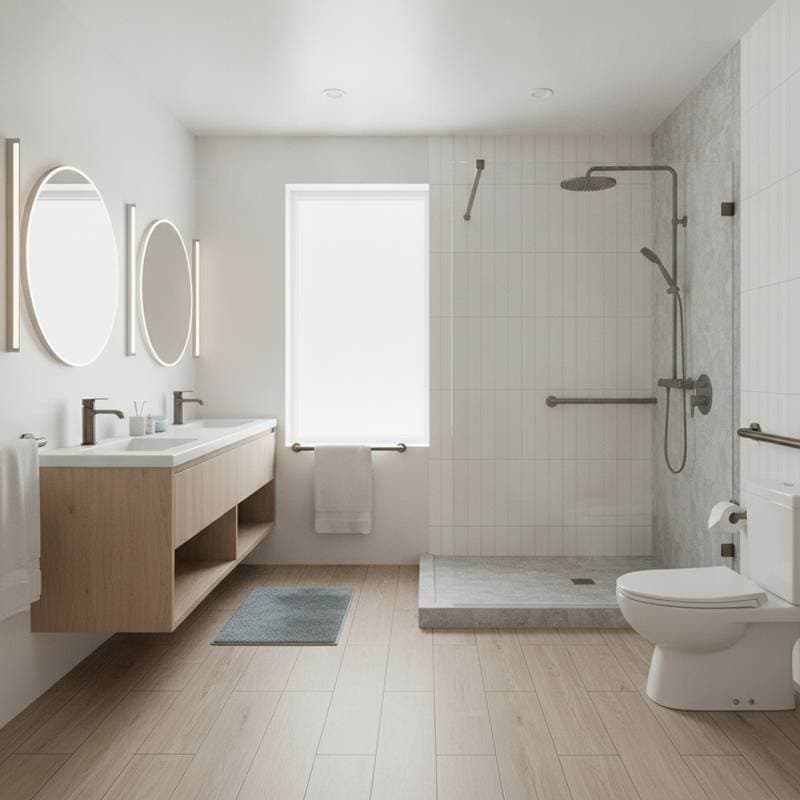
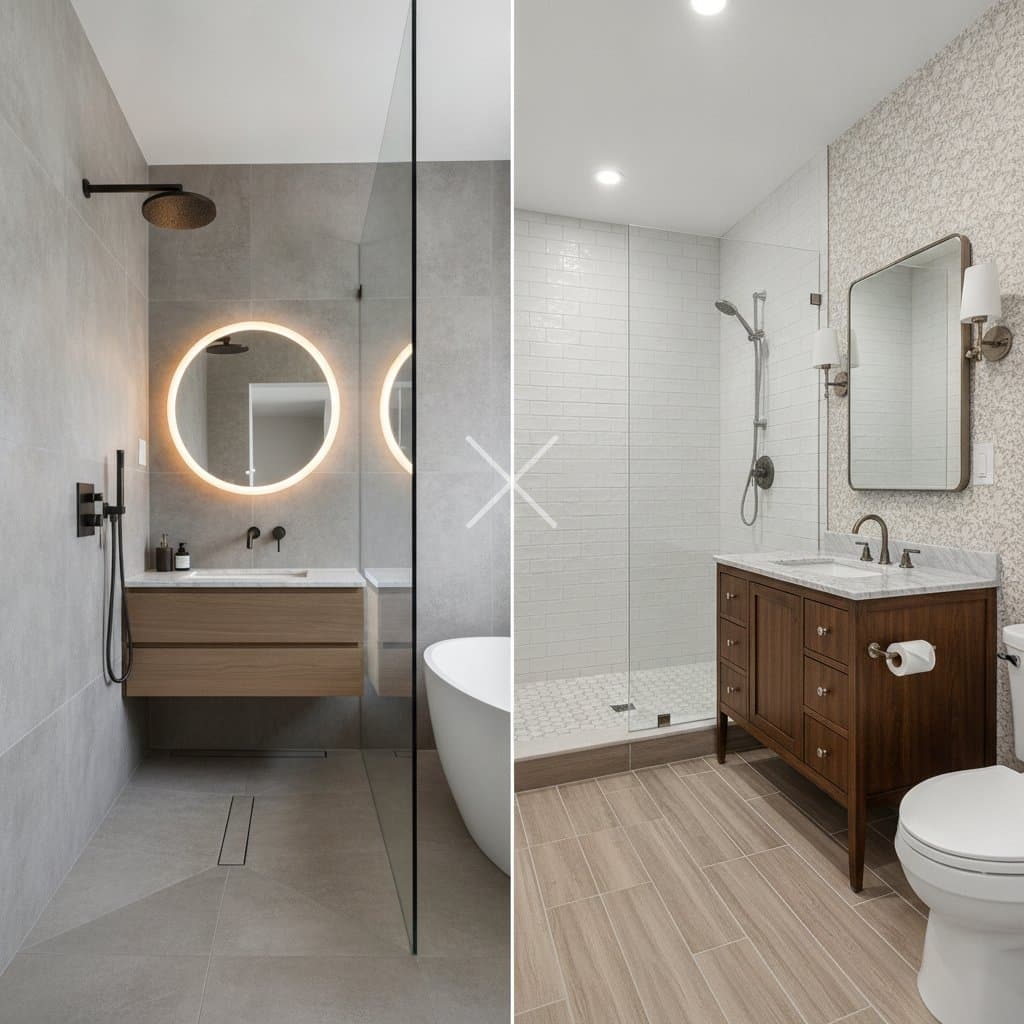
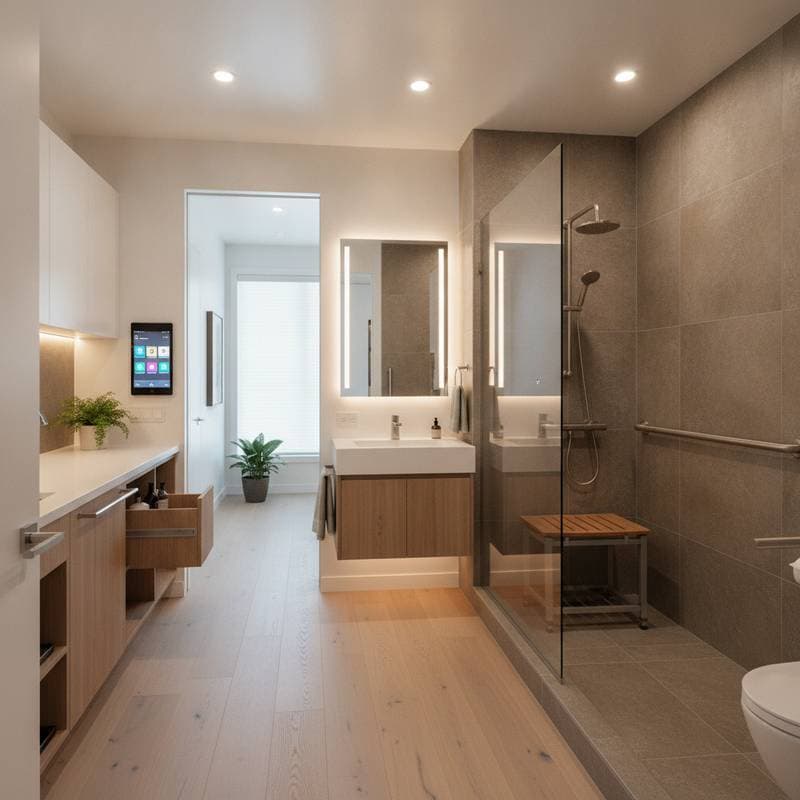
Replace traditional tubs with curbless showers featuring built-in benches and handheld sprayers. Add grab bars in strategic positions for stability.
Why it works: These setups minimize slip hazards and simplify bathing routines. Wide doors and lever faucets further aid those with limited dexterity.
Pairing suggestions:
- Non-slip flooring tiles with high traction ratings.
- Heated floors to prevent chills.
- Wall-mounted vanities for under-sink space.
Tip: Position grab bars near the shower entry and seat, ensuring they support at least 250 pounds.
3. Lever Handles and Touchless Fixtures
Swap out round knobs for lever-style handles on doors and faucets. Integrate sensor-based taps and automatic door openers.
Why it works: Levers require less grip strength, making operation easier for arthritic hands. Touchless options reduce germ exposure and effort.
Pairing suggestions:
- Extended lever lengths for better reach.
- Voice-activated controls for lights and locks.
- Matte finishes to hide fingerprints.
Tip: Test fixtures in showrooms to confirm ease of use before installation.
4. Enhanced Lighting Solutions
Install layered lighting with dimmers, under-cabinet strips, and automatic sensors. Use LED bulbs for energy efficiency and glare reduction.
Why it works: Adequate illumination prevents accidents in low-light areas. Task lighting supports reading or cooking without eye strain.
**Pairing suggestions:**n- Color-contrasted switches for visibility.
- Smart bulbs adjustable via apps or voice.
- Night lights along hallways.
Tip: Aim for 100-200 lux in key areas like stairs and bathrooms for optimal safety.
5. Non-Slip Flooring and Railing Systems
Choose vinyl or cork flooring with textured surfaces. Add continuous handrails on both sides of stairs and along corridors.
Why it works: These materials provide grip even when wet, while railings offer constant support. Rounded edges on stairs reduce injury risk.
Pairing suggestions:
- Contrasting stair nosings for depth perception.
- Wall-mounted rails that double as towel bars.
- Area rugs secured with grippy underlays.
Tip: Select flooring with a coefficient of friction above 0.6 for reliable traction.
6. Smart Home Technology Integrations
Deploy voice assistants, automated shades, and fall-detection sensors. Connect systems for remote monitoring by family or caregivers.
Why it works: Automation handles routine tasks, freeing energy for what matters. Alerts provide quick responses to potential issues.
Pairing suggestions:
- Thermostats that learn preferences.
- Video doorbells for secure visits.
- Medication reminders via smart speakers.
Tip: Start with compatible ecosystems like Google Home or Alexa to simplify expansion.
Smart systems range in price depending on brand and setup complexity, typically from $200 for basic devices to $2,000 for full installations. Begin with one or two devices, then expand as needs evolve.
7. Kitchen Adaptations for Ease
Lower countertops in sections for seated prep, install pull-out shelves, and add rocker switches for appliances.
Why it works: These changes bring essentials within reach, reducing bending and stretching. Lazy Susans and soft-close drawers enhance organization.
Pairing suggestions:
- Front-control ovens to avoid burns.
- Induction cooktops with safety shutoffs.
- Wall ovens at waist height.
Tip: Design workflows to keep frequently used items at arm level for efficiency.
8. Bedroom Modifications for Restful Nights
Raise bed heights with adjustable frames and add bedside controls for lights and outlets. Incorporate built-in storage to minimize clutter.
Why it works: Elevated beds ease getting in and out, while controls promote independence. Ample outlets support medical devices.
**Pairing suggestions:**n- Blackout curtains with easy-pull cords.
- Cooling mattress toppers for comfort.
- Floor-level outlets for charging.
Tip: Ensure at least 30 inches of space around the bed for mobility aids.
9. Open-Concept Living Spaces
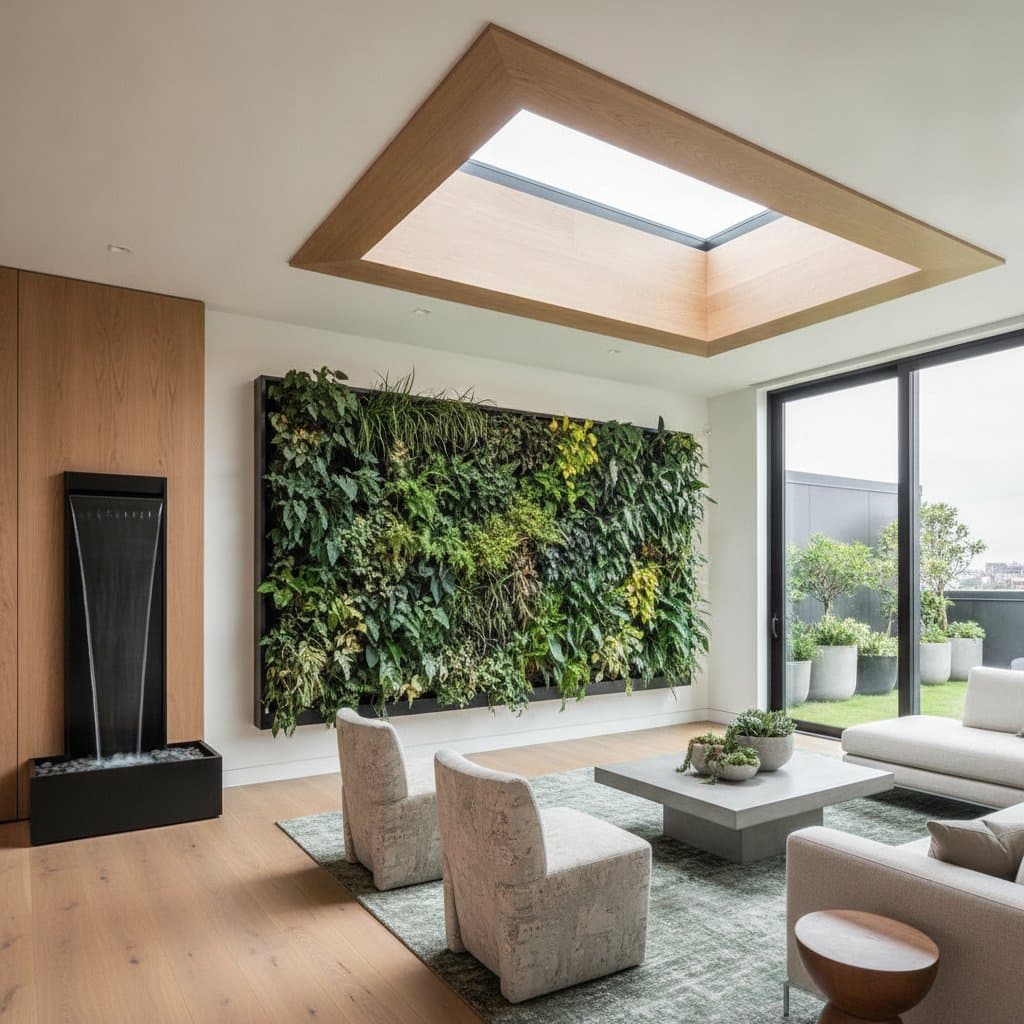
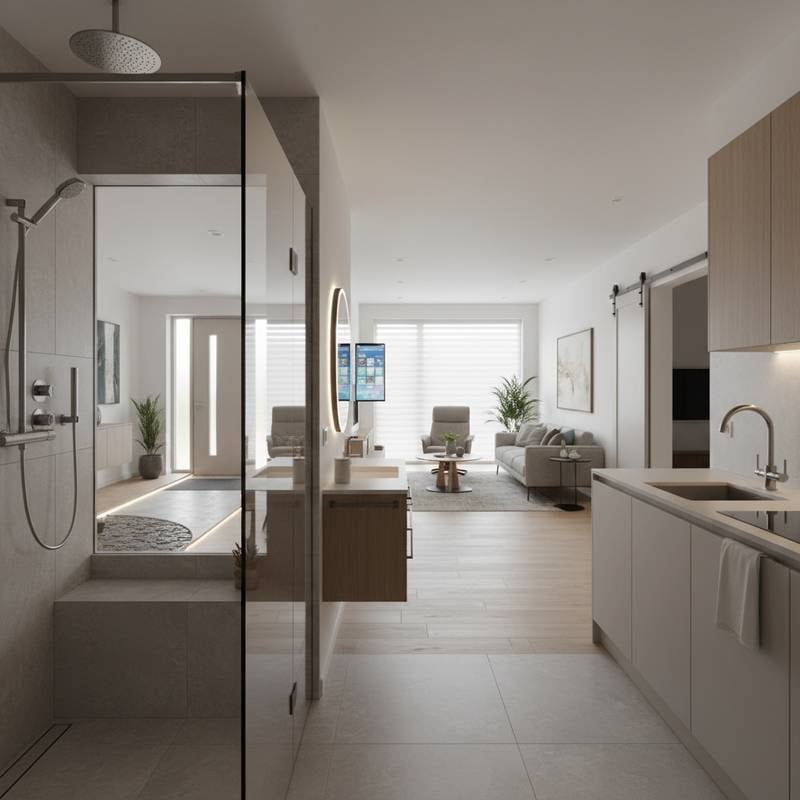
An open floor plan supports mobility and social connection. Removing unnecessary walls creates clear sightlines and wider pathways, at least 36 inches wide.
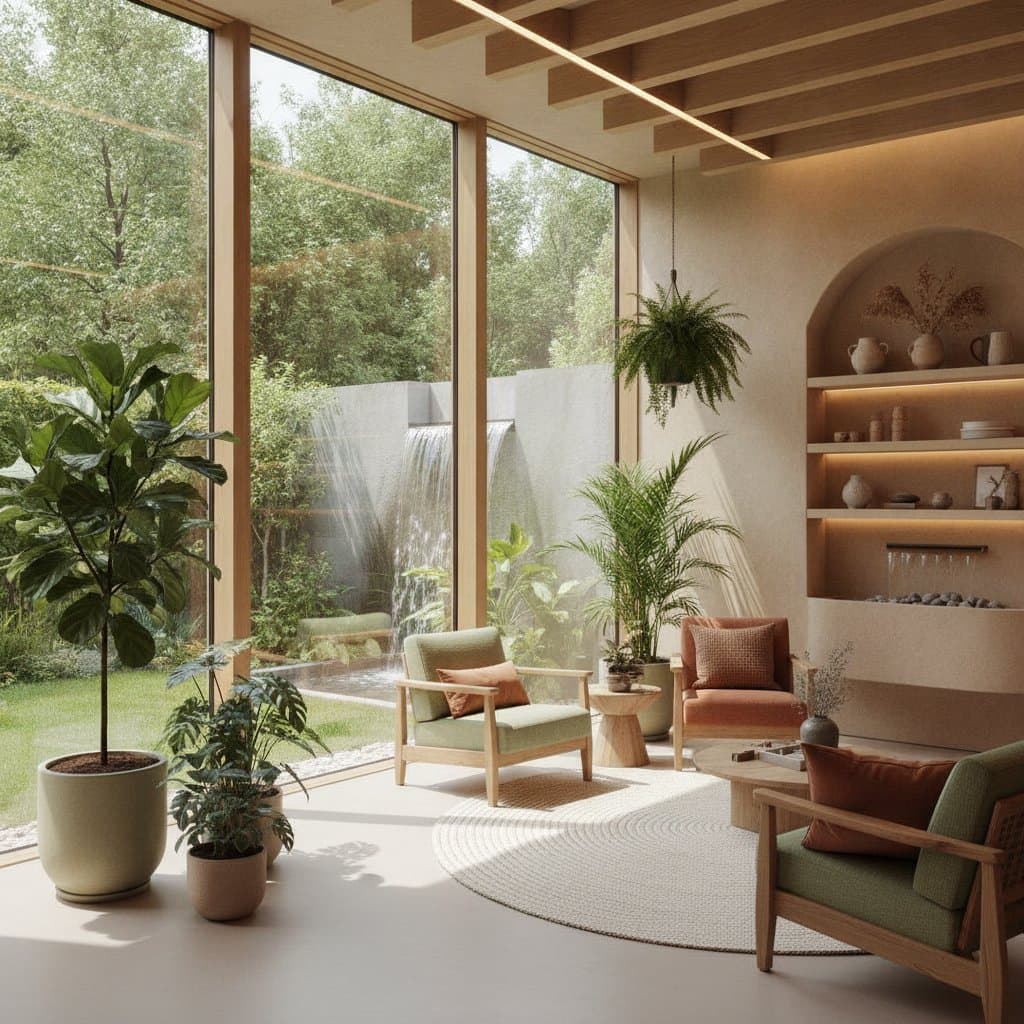
Why it works: Open layouts allow flexible furniture placement and easier navigation for assistive devices like walkers. They also improve natural light flow, making spaces feel larger and safer.
Pairing suggestions:
- Area rugs with non-slip backing to define zones without barriers.
- Adjustable furniture heights for seated or standing use.
- Movable partitions if privacy is needed occasionally.
Tip: Keep furniture edges rounded and pathways uncluttered for smooth movement.
Strategies for Enduring Home Adaptations
When incorporating senior-friendly features, consider future needs. Select durable materials like waterproof laminates that resist moisture and daily wear. Choose neutral color palettes and modular elements that allow personalization over time.
Balance safety with personal style to maintain a sense of home. Involve occupants in decisions to ensure the space feels inviting and functional.
Steps to Launch Your Project
- Evaluate current spaces: Conduct a room-by-room walkthrough, identifying mobility challenges, lighting gaps, and high-risk areas like stairs or wet zones.
- Engage experts: Partner with architects and contractors experienced in universal design principles to refine plans and select compliant products.
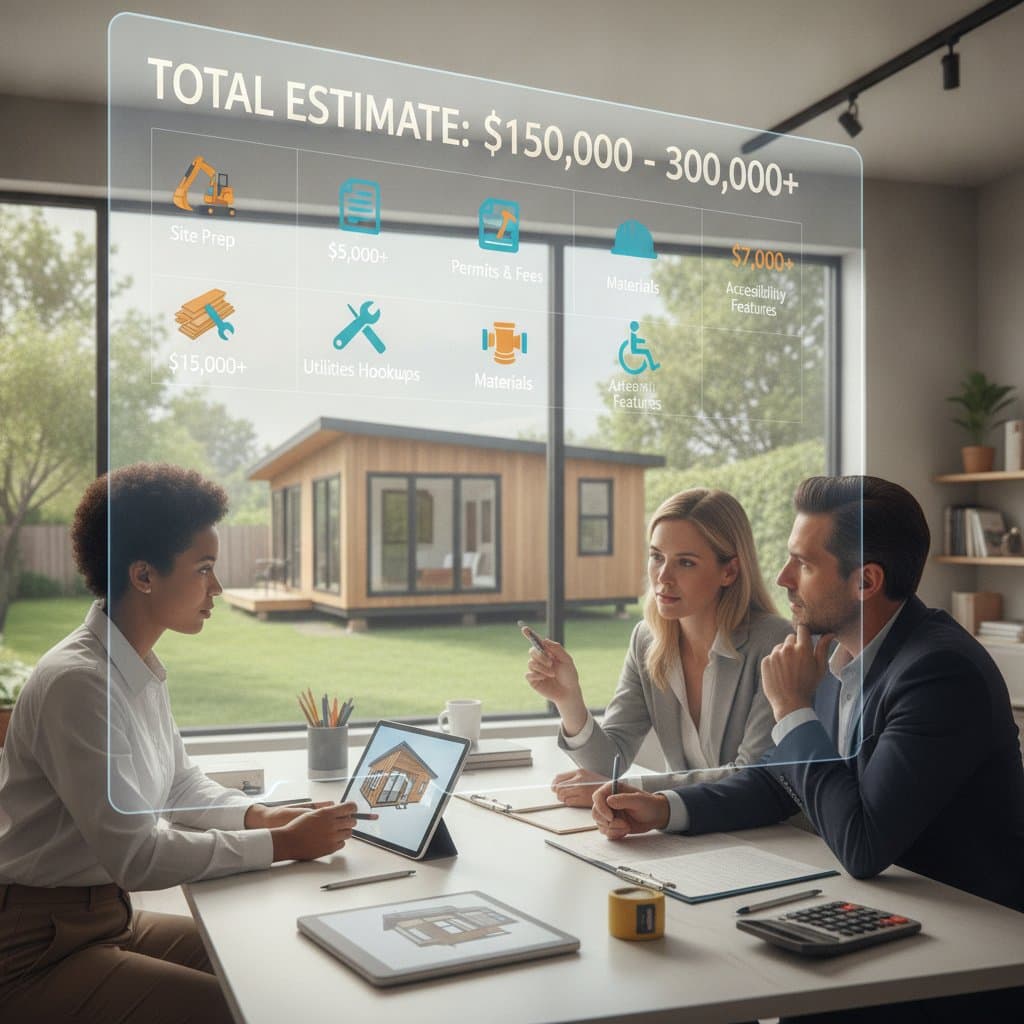
- Allocate resources effectively: Prioritize essential zones such as entrances, bathrooms, and kitchens, allocating 40-60% of the budget there before addressing living areas.
- Sample and simulate: Order material swatches to assess texture, color visibility under different lights, and cleaning requirements in real conditions.
Embracing Independence Through Design
A well-executed remodel empowers seniors to navigate their homes with assurance. These 2026 features integrate seamlessly, enhancing daily life while upholding design integrity. Invest in these updates to foster security, joy, and autonomy for years ahead.