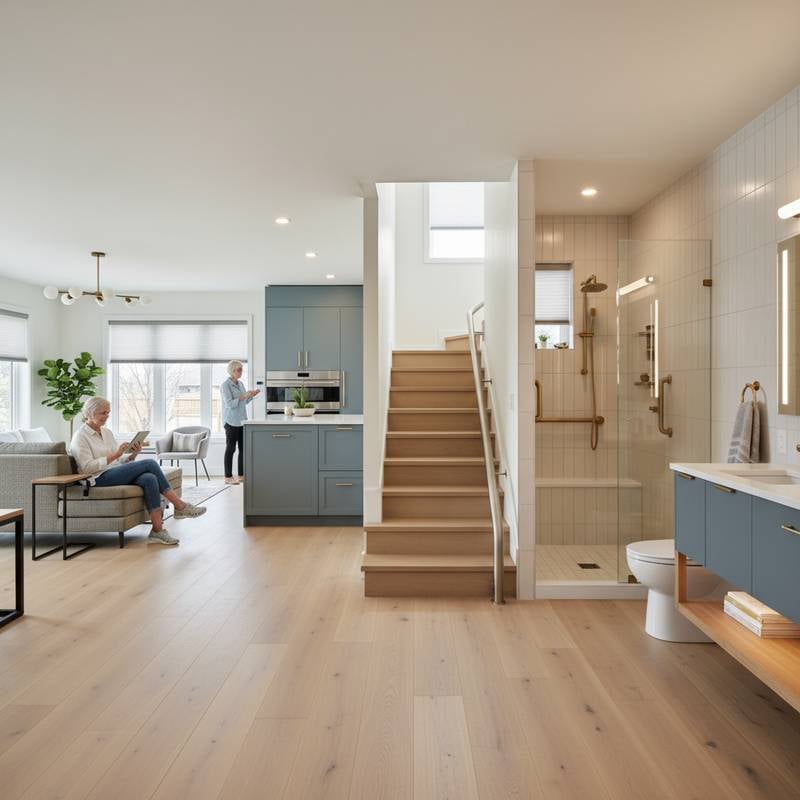
Understanding Aging in Place and Its Financial Implications
Aging in place refers to the practice of modifying a home to support residents as they age, enabling them to live independently without relocating to assisted facilities. This approach promotes comfort, familiarity, and autonomy. Homeowners often face a range of costs depending on the scope of modifications required.
The total expense can span from $8,000 for essential safety enhancements to $45,000 or more for extensive renovations. Factors such as home size, existing layout, and specific needs influence these figures. Planning ahead helps align investments with personal goals and financial capacity.
Breaking Down the Cost Spectrum
Costs for aging in place upgrades fall into distinct categories based on complexity and impact. Basic interventions address immediate safety concerns, while advanced projects transform the entire living space.
Entry-Level Modifications ($8,000 to $15,000)
These options focus on high-priority safety features that prevent accidents and improve accessibility.
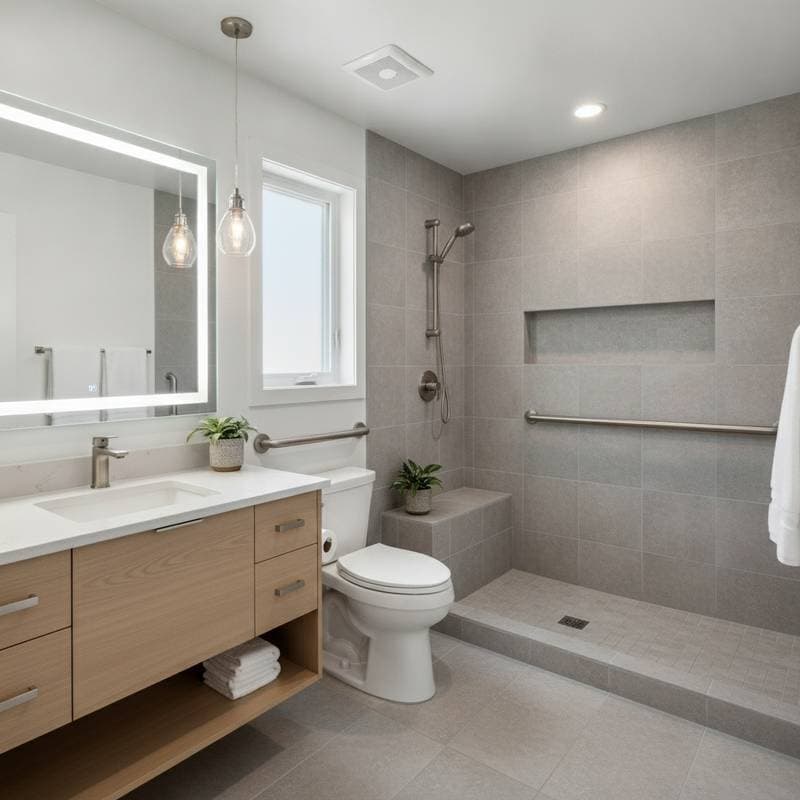
- Install grab bars in bathrooms and along staircases to reduce fall risks.
- Add non-slip flooring and improved lighting throughout key areas.
- Widen doorways or install lever handles for easier navigation.
Such changes require minimal structural alterations and yield quick returns on safety. Professional installation ensures compliance with building codes and durability.
Mid-Range Renovations ($15,000 to $30,000)
At this level, upgrades enhance daily functionality and comfort without overhauling the home's foundation.
- Convert a first-floor space into a accessible bedroom and bathroom suite.
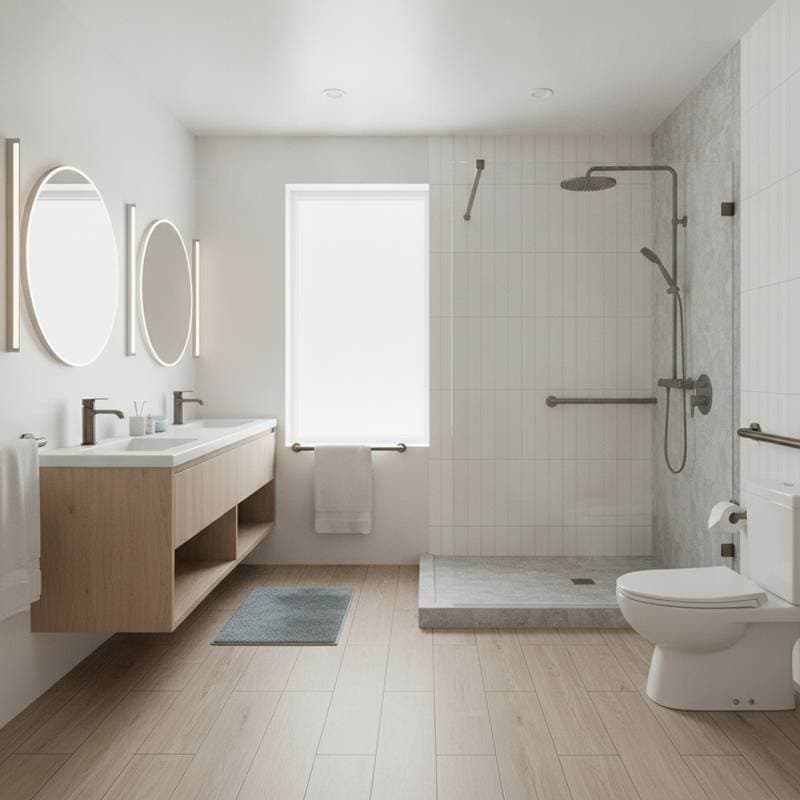
- Install a walk-in shower with bench seating and handheld showerheads.
- Upgrade kitchen counters to adjustable heights and add pull-out shelves.
These modifications support routine activities like bathing and cooking. They balance cost with significant improvements in quality of life.
Comprehensive Overhauls ($30,000 to $45,000+)
Full remodels address long-term needs, incorporating smart technology and universal design principles.
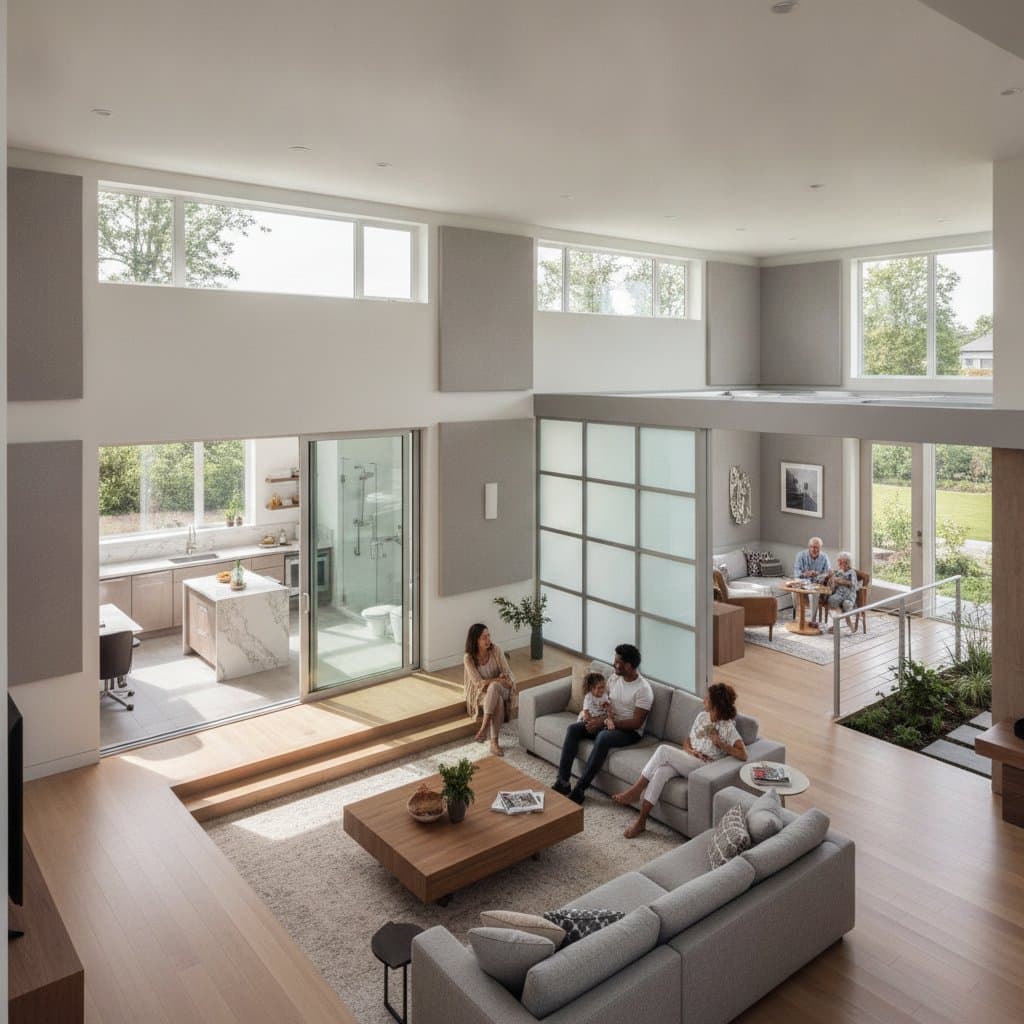
- Create a single-level living area by removing interior walls or adding ramps.
- Integrate voice-activated systems for lights, thermostats, and security.
- Reinforce structural elements for future elevator or stairlift installations.
Projects at this scale demand detailed planning and licensed contractors. They future-proof the home against evolving requirements.
Key Factors Driving Expenses
Several elements determine the final price tag for aging in place projects. Material choices, labor rates, and location play pivotal roles.
High-quality, durable materials prevent the need for repeated repairs, though they increase upfront costs. Labor from specialized contractors adds 40 to 60 percent to the total, varying by region. Permits and inspections, often overlooked, can add 5 to 10 percent more.
Customization based on individual health conditions, such as mobility limitations or cognitive needs, further tailors expenses. Consulting with aging-in-place specialists early identifies efficiencies and avoids surprises.
Prioritizing Investments for Maximum Impact
Not all upgrades carry equal value. Focus on areas that deliver the greatest safety and independence benefits.
Start with fall prevention in high-risk zones like bathrooms and stairs. Next, enhance mobility through ramps or zero-threshold entries. Finally, consider comfort features like automated lighting to reduce physical strain.
Prioritization ensures funds go toward features that align with current and anticipated needs. A professional assessment can map out a phased approach, spreading costs over time.
Strategies to Optimize Your Budget
Managing costs effectively turns aging in place into a feasible goal. Explore these practical steps to stretch resources.
- Research tax credits and grants available for accessibility improvements, which can offset 10 to 30 percent of expenses.
- Compare quotes from multiple contractors to secure competitive pricing without sacrificing quality.
- Opt for modular or prefabricated elements that install faster and cost less than custom builds.
Phasing projects allows homeowners to address urgent needs first while saving for larger ones. Energy-efficient upgrades, such as LED lighting, provide dual benefits of cost savings and rebates.
Long-Term Benefits and Home Value
Investing in aging in place extends beyond immediate use. These modifications enhance property appeal in the real estate market.
Buyers increasingly seek homes with universal design features, potentially increasing resale value by 5 to 10 percent. Safer, more accessible spaces reduce insurance premiums and healthcare costs associated with accidents.
Ultimately, these upgrades foster sustained independence, minimizing reliance on external care. Homeowners gain peace of mind knowing their space evolves with them.
Next Steps for Your Home Transformation
Begin by evaluating your current home setup against aging needs. Schedule a consultation with a certified aging-in-place remodeler to receive a personalized cost estimate.
Document priorities and gather financing options to build a clear action plan. With thoughtful budgeting, aging in place becomes a rewarding investment in comfort and security for the years ahead.