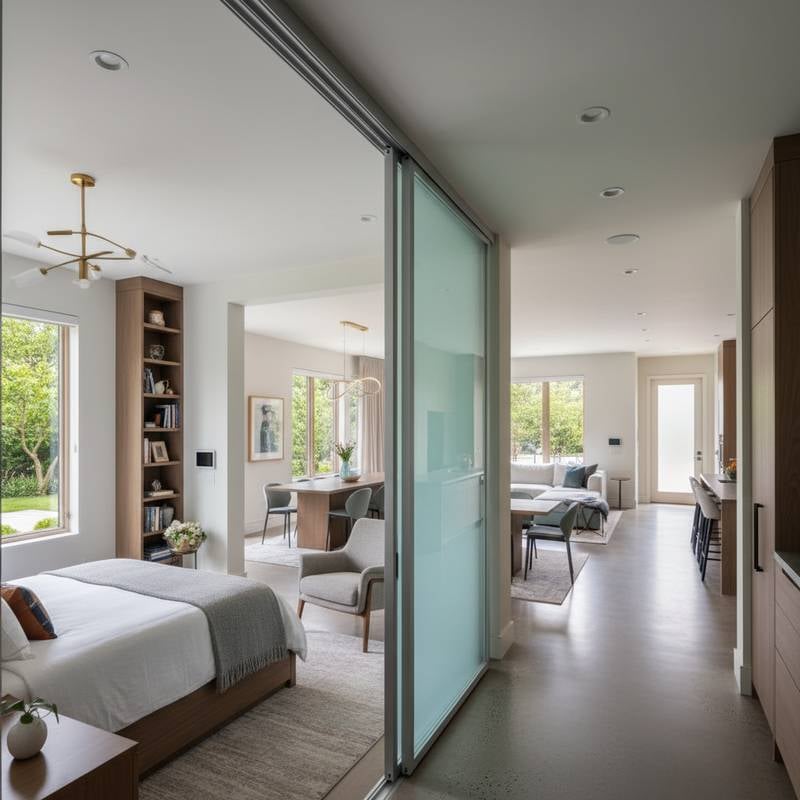
Layout Trends Reshaping Multigenerational Homes
Families seek new approaches to living together while preserving privacy and comfort. Multigenerational homes now incorporate flexible layouts, adaptive spaces, and deliberate design choices that accommodate everyone under one roof without creating a sense of crowding. This guide presents the layout trends redefining shared living, from private wings to smart zoning that supports comfort across generations.
Why Multigenerational Design Matters
Living with multiple generations under one roof requires more than additional bedrooms. It demands careful planning, smooth transitions between shared and private areas, and designs that support both independence and connection. Effective layouts use space efficiently and adapt to evolving family needs. Whether constructing a new residence or updating an existing one, the proper design makes shared living functional and satisfying.
Open Main Living Zones with Zoned Quiet Areas
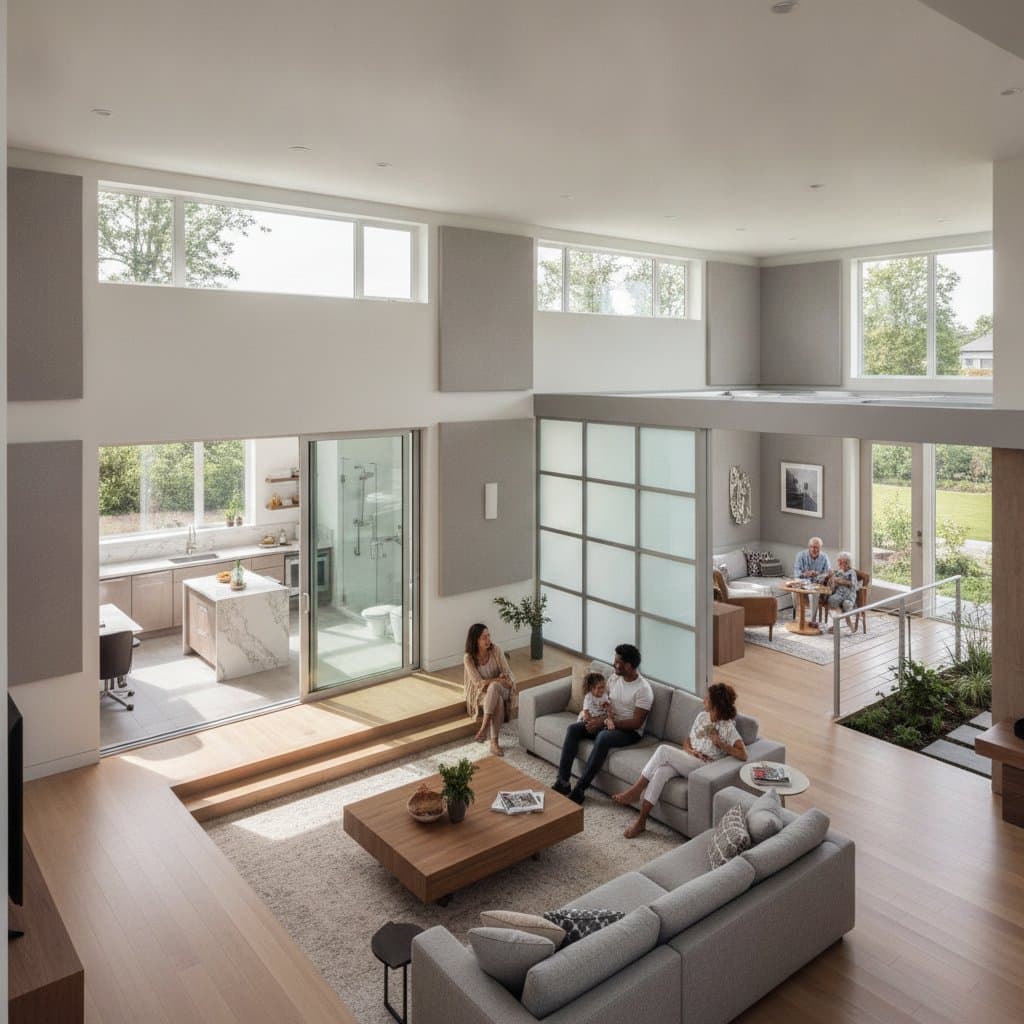
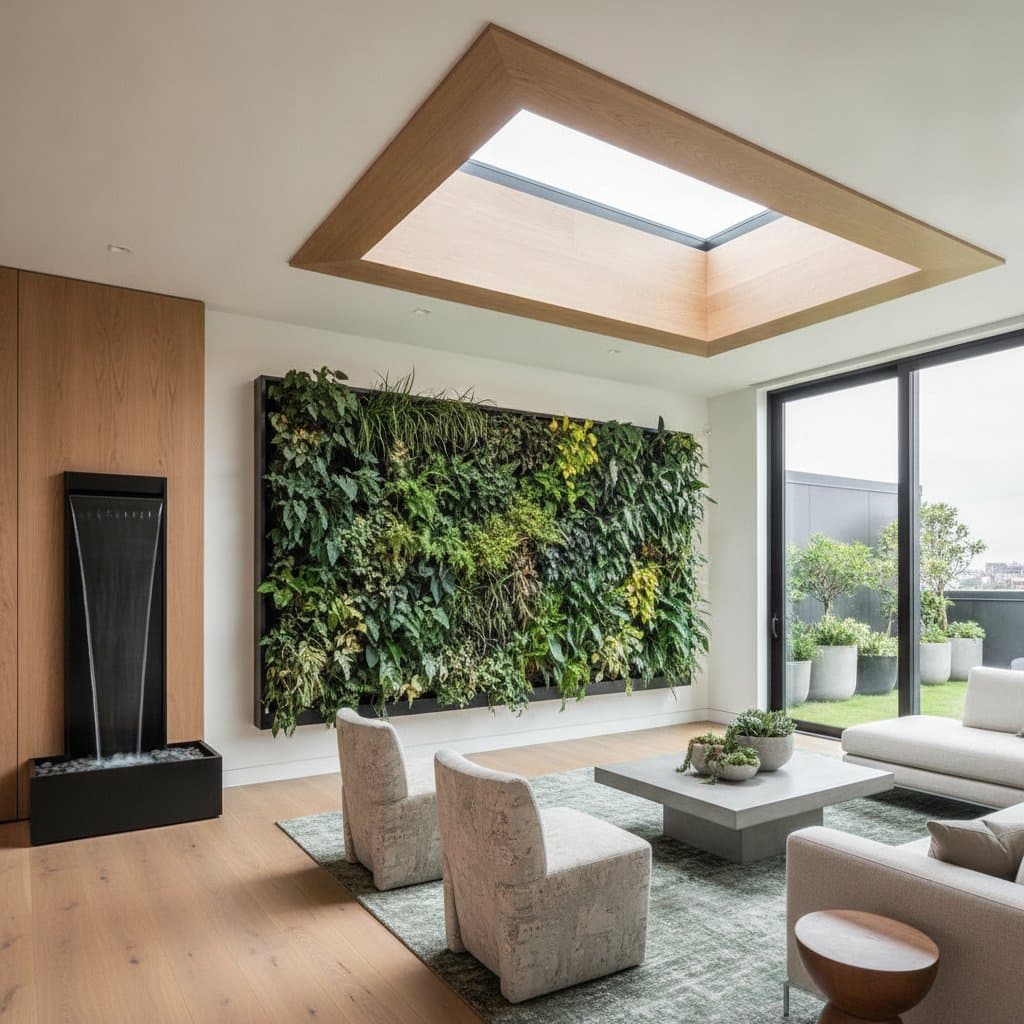
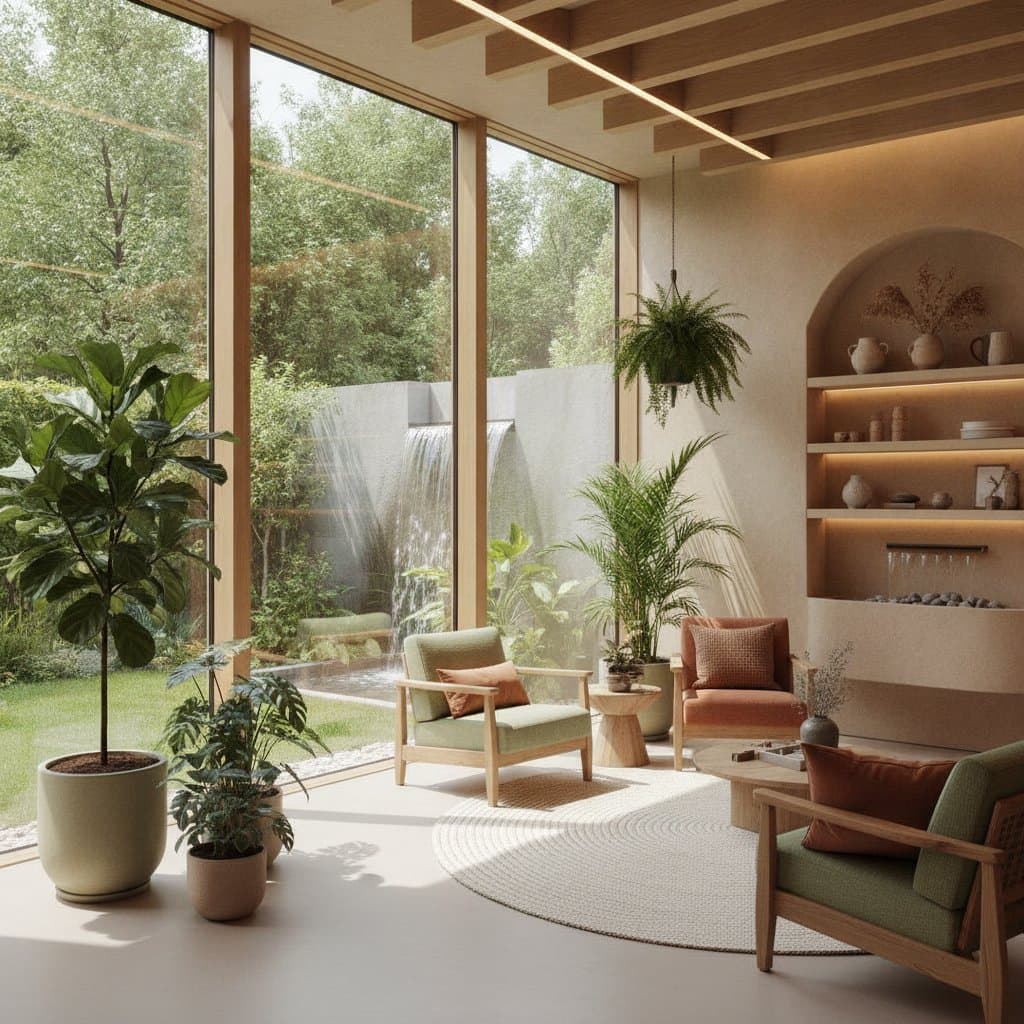
A large shared living area combines kitchen, dining, and family spaces while smaller, quieter rooms sit nearby. Families gather easily in open areas yet locate retreat spaces for reading, study, or work. This arrangement maintains connection without constant overlap.
Partial walls or shelving units define zones visually. Acoustic ceiling panels and area rugs help control sound. Quiet rooms positioned near natural light remain comfortable for daytime activities. The layout encourages interaction while preventing the disorder of a single expansive room. Each generation participates or withdraws according to preference.
Accessory Dwelling Units
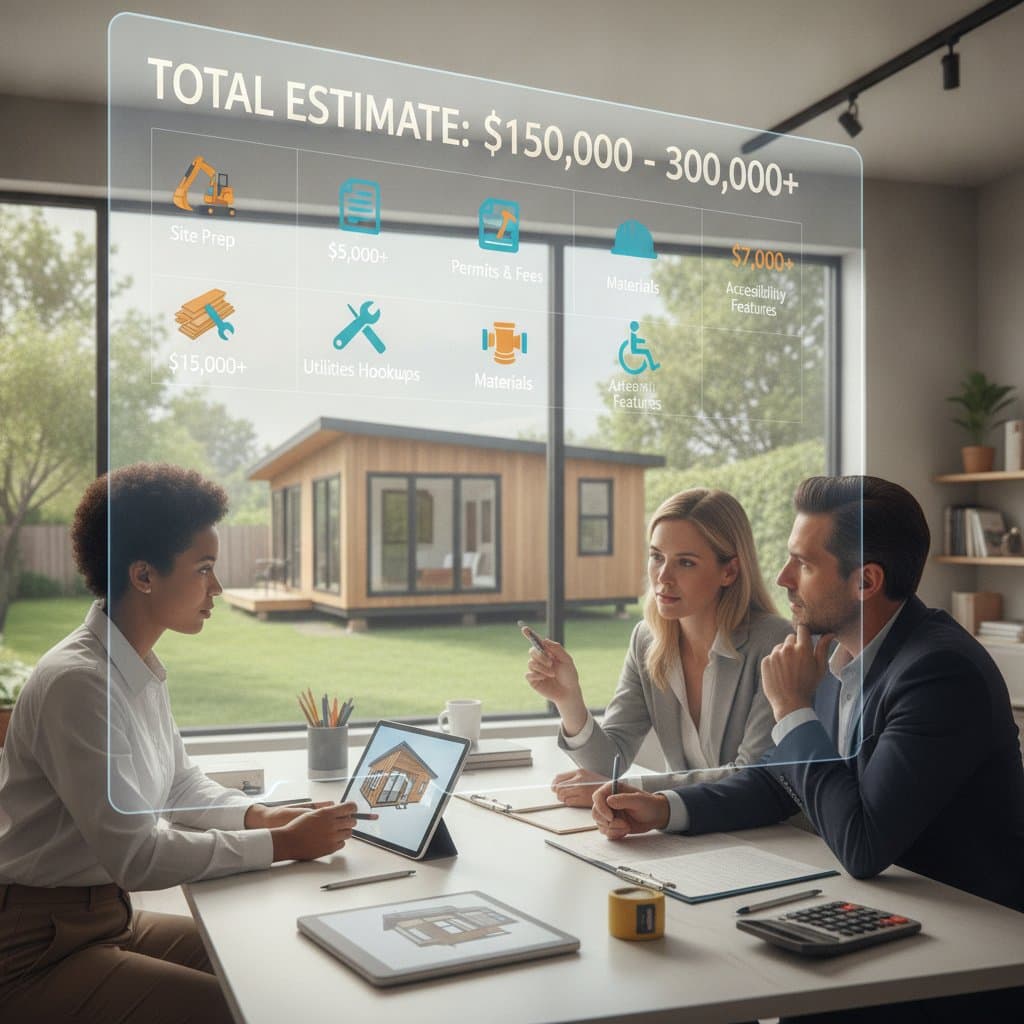
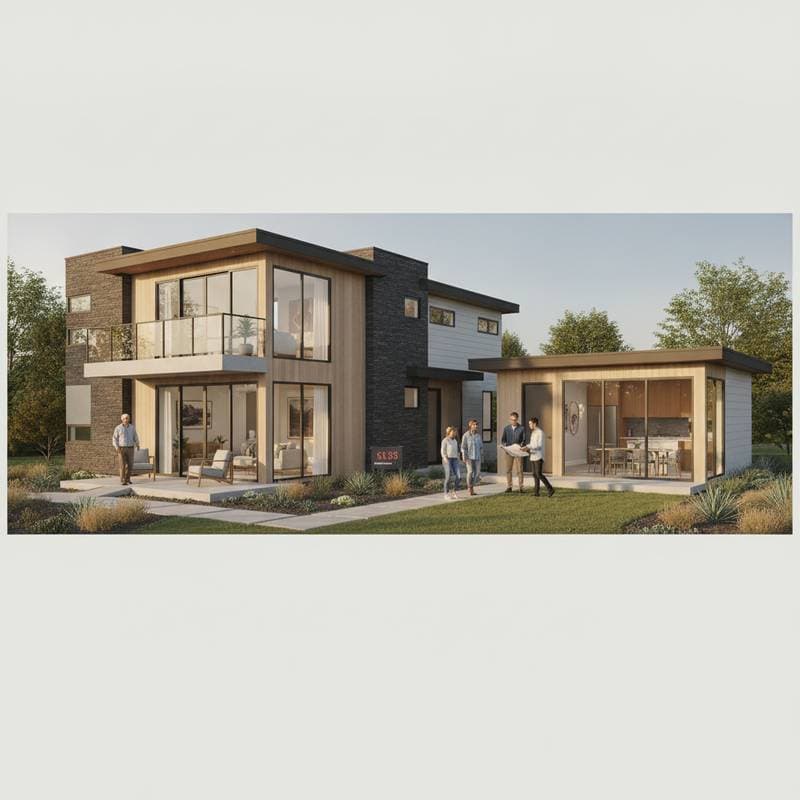
A secondary living unit occupies the same property as the main home. It may stand detached, attach directly, or occupy space above a garage. Accessory dwelling units provide an independent environment while keeping family members nearby. They serve as quarters for grandparents, adult children, or caregivers.
Exterior materials match the main home to preserve visual cohesion. Shared outdoor spaces such as patios and gardens encourage connection. Separate parking areas or entry paths protect privacy. These units also increase long-term property versatility and may function as rental space, offices, or studios.
Shared Kitchens with Secondary Prep Areas
A main family kitchen pairs with a smaller prep zone or kitchenette located elsewhere in the house. Overlapping meal schedules become manageable when a secondary space allows independent cooking without crowding the primary kitchen.
The smaller kitchen includes a sink, microwave, and under-counter refrigerator. Matching cabinetry maintains visual unity throughout the home. Placement near a private suite or lower-level living area supports personal routines. This configuration eases tension around kitchen use when household schedules differ.
Accessible Design for Every Generation
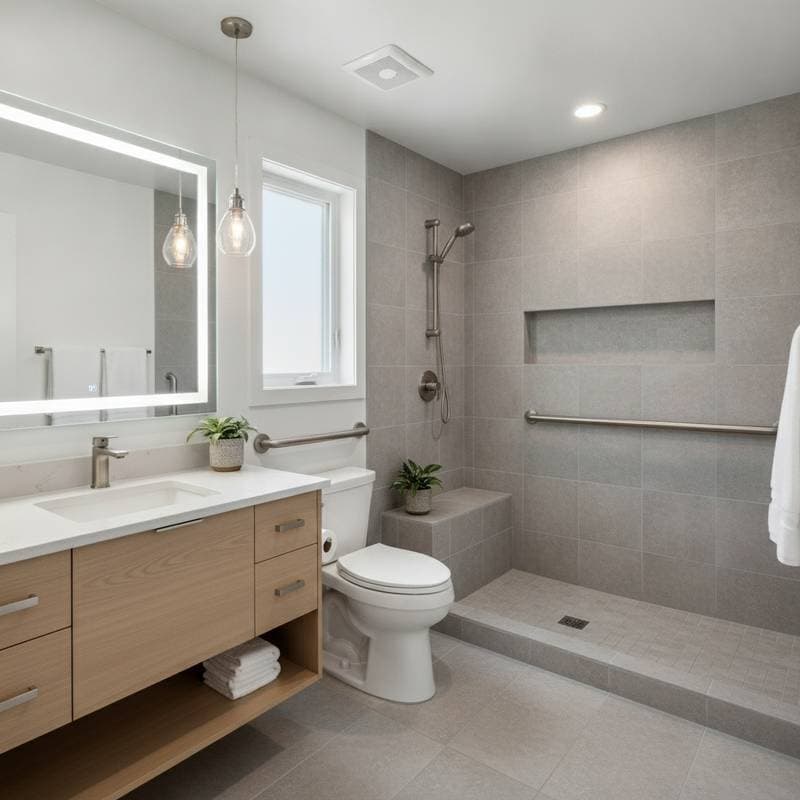
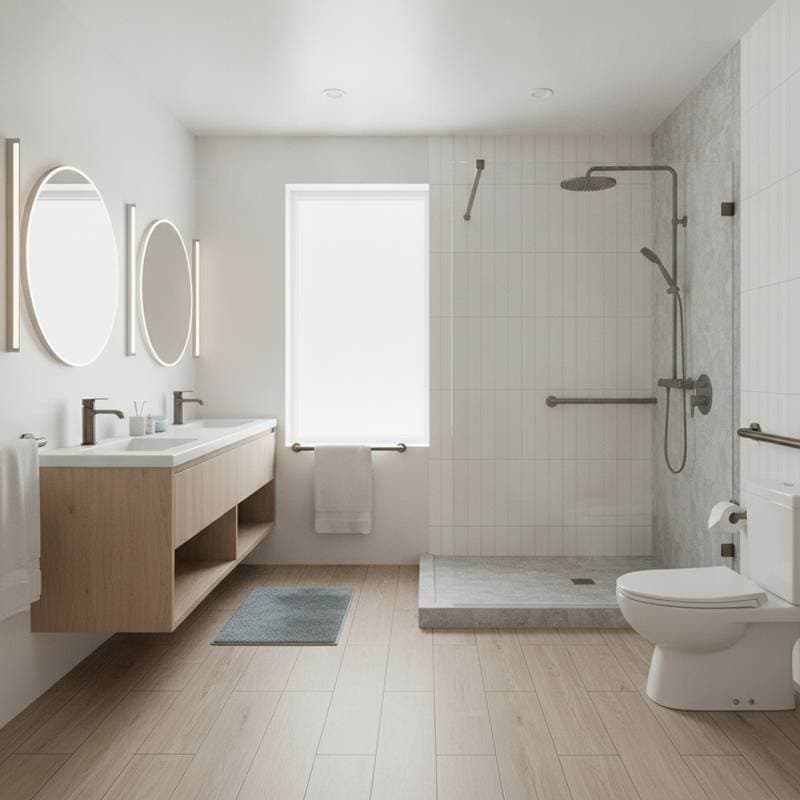
Universal design principles appear throughout the home from the outset. No-step entries, wide hallways, and lever-style handles support residents of all ages and abilities. Accessibility benefits everyone and assists aging in place as well as parents managing strollers or children with mobility considerations.
Slip-resistant flooring aligns with the overall aesthetic. Adjustable-height counters and pull-out shelves improve daily function. Contrasting colors between floors and walls enhance visibility. An accessible layout reduces stress for all users and extends the useful life of the residence.
Multi-Zone Climate and Lighting Control
Independent heating, cooling, and lighting zones operate across different sections of the home. Comfort preferences vary by age and lifestyle, so multi-zone systems allow each area to maintain its own environment.
Smart thermostats simplify daily adjustments. Dimmable fixtures and layered lighting provide flexibility. Windows and shading elements support natural ventilation. Energy efficiency improves because conditioning occurs only in occupied areas, advancing both sustainability and comfort.
Storage Solutions for Shared Living
Built-in storage systems organize shared belongings while keeping personal items separate. Multiple generations bring more possessions, and thoughtful storage prevents clutter from accumulating in common areas.
Divided closet sections and labeled shelving keep items distinct. Built-in cabinetry fits hallways or spaces under stairs. Concealed compartments within benches or furniture add capacity without visual disruption. Efficient organization maintains tidy common areas and lowers friction over shared space.
Creating Harmony Through Thoughtful Design
These layout strategies support independence alongside family connection. Homeowners who apply private suites, smart zoning, and flexible spaces discover arrangements that grow with their households. The result is a residence that remains comfortable and functional for years.