
Understanding Universal Design and Its Financial Promise by 2026
Universal design transforms homes into spaces that accommodate diverse needs throughout life stages. This approach emphasizes features like wide doorways, lever handles, and non-slip flooring to promote independence and safety. As populations age, these modifications gain prominence, with projections indicating a 75 percent return on investment by 2026.
The financial appeal stems from multiple factors. Resale values increase due to broader market appeal, while reduced reliance on external care services lowers ongoing expenses. Homeowners who implement these changes early position themselves for both immediate livability improvements and future economic gains.
Detailed Cost Breakdown for Universal Design Renovations
Core Expenses and Ranges
Universal design projects typically range from $15,000 to $75,000, influenced by home size, location, and scope of modifications. A comprehensive aging-in-place remodel averages $45,000 nationwide. These figures account for structural adjustments, specialized fixtures, and professional installation.
Break down costs by key areas. Bathroom adaptations, such as installing grab bars and walk-in showers, cost between $8,000 and $25,000. Entryway enhancements, including ramps and threshold reductions, fall in the $5,000 to $15,000 range. Adding a main-floor bedroom or expanding hallways may push expenses beyond $50,000, particularly in larger homes.
Factors Influencing Total Investment
Labor constitutes approximately 50 percent of the budget, varying by regional rates and project complexity. Materials like durable, low-maintenance flooring and adjustable cabinetry add another 30 percent. The remaining portion covers design consultations and permits, which ensure compliance with building codes.
Homeowners benefit from strategic planning to control costs. Selecting modular fixtures allows for phased implementation, spreading expenses over time. Consulting local suppliers can reveal bulk discounts on accessibility products, further optimizing the budget.
Key Benefits and ROI Projections
Safety and Independence Gains
Universal design prioritizes elements that prevent accidents and support daily routines. Features such as automatic door openers and voice-activated lighting reduce fall risks, which affect one in four adults over 65 annually. These upgrades foster greater autonomy, allowing residents to age comfortably without frequent relocations.
Long-term savings emerge from avoided medical bills and care facility fees. Estimates suggest that proactive modifications cut assisted-living costs by up to 40 percent over a decade. This shift not only preserves quality of life but also builds equity in the property.
Resale Value and Market Advantages
Properties with universal design features command premiums in competitive markets. Appraisers recognize adaptations like zero-step entries and adaptable kitchens as value-adders, often boosting sale prices by 10 to 20 percent. By 2026, industry forecasts predict a 75 percent ROI, factoring in both appreciation and utility savings.
Targeted upgrades yield the strongest returns. Bathroom and entryway improvements recoup 60 to 75 percent of costs through enhanced appeal to multigenerational buyers. Kitchens with pull-out shelves and lowered counters similarly attract families planning for future needs.
Essential Features for Maximum Impact
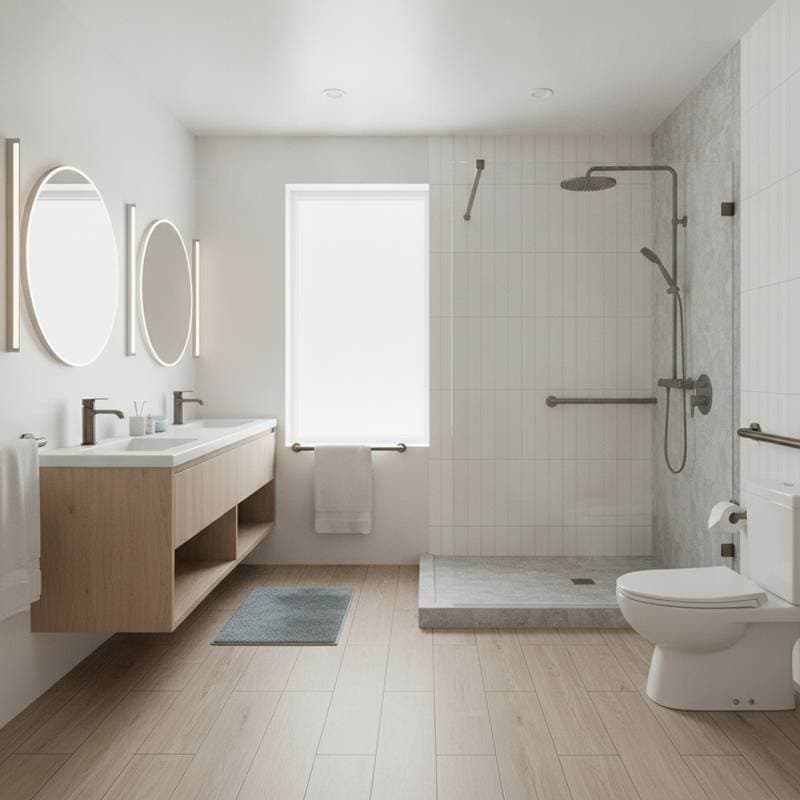
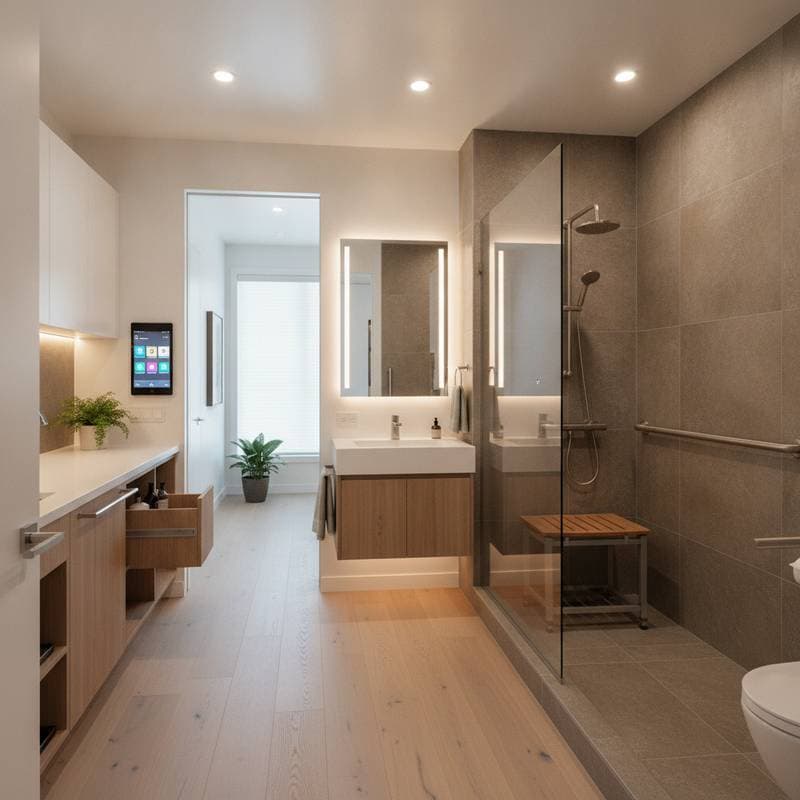
Focus on high-priority zones to maximize efficiency. In bathrooms, incorporate curbless showers with built-in seating and motion-sensor lighting for effortless navigation. Entryways benefit from level transitions and wide pathways, eliminating barriers that hinder wheelchair access.
Whole-home considerations include smart home integrations for remote control of thermostats and locks. These technologies enhance convenience without major structural changes. Professional assessments identify custom solutions, such as reinforced walls for future grab bar installations.
Select certified specialists familiar with aging-in-place standards. Their expertise ensures durable results and adherence to guidelines from organizations like the National Association of Home Builders. This collaboration minimizes errors and aligns modifications with personal lifestyles.
Financial Strategies and Incentives
Offset initial outlays through available resources. Tax credits for accessibility improvements, such as those under the IRS Section 504 Home Accessibility Tax Credit, reimburse up to $5,000 for qualifying expenses. Home equity loans or lines of credit provide flexible financing with favorable interest rates.
Local programs may offer grants for seniors or veterans pursuing these upgrades. Research state-specific rebates for energy-efficient features often bundled in universal design plans. These options make investments more accessible, accelerating the path to ROI realization.
Practical Steps to Implement Universal Design
Begin with a thorough home evaluation. Walk through each space noting potential hazards like narrow doorways or high counters. Document mobility challenges to guide prioritized changes.
- Consult certified aging-in-place specialists for detailed assessments.
- Request multiple quotes outlining materials, timelines, and warranties.
- Review design mockups to visualize adaptations within your budget.
- Schedule phased work to manage disruptions and cash flow.
- Monitor progress with regular check-ins to address adjustments promptly.
Engage family members early to align modifications with collective needs. This inclusive process ensures the home evolves as a supportive environment for all.
Long-Term Value of Proactive Home Adaptations
Universal design represents a forward-thinking commitment to well-being and financial security. These renovations create resilient living spaces that adapt to changing circumstances. Homeowners enjoy enhanced daily comfort while securing a legacy of independence and value.
The projected 75 percent ROI by 2026 underscores the timeliness of action. Invest now to reap benefits that extend well beyond the horizon, transforming your home into a cornerstone of enduring stability.