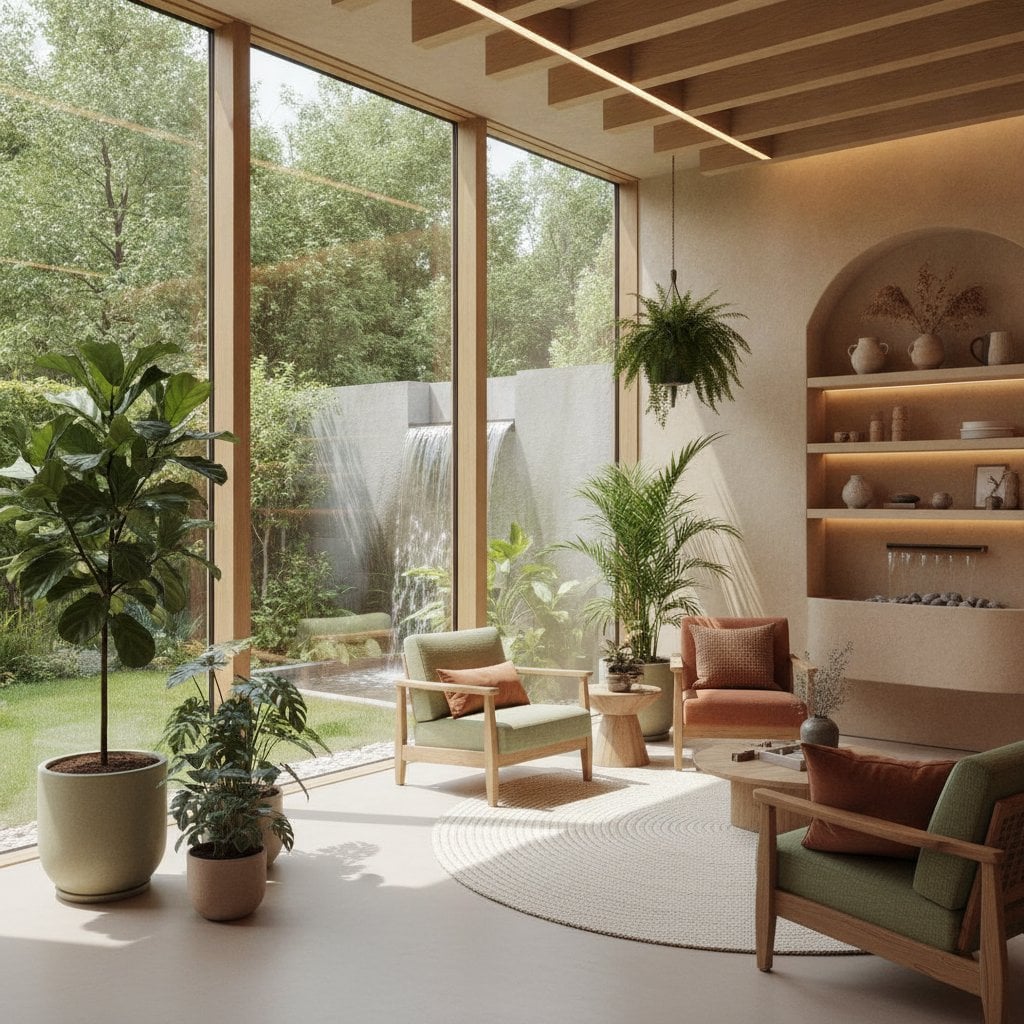
Biophilic Design: Nature's Way to Home Wellness
Your home can do more than provide shelter. It can support your well-being through connection with nature. Biophilic design brings natural elements into architecture and interiors to improve comfort, calm, and balance.
When you include light, plants, and organic materials in your home, you create spaces that feel alive and restorative. This guide explains how to apply biophilic principles to your home design or remodel. You will learn how to choose materials, colors, and layouts that reflect nature and elevate daily living.
1. Natural Light as a Wellness Feature
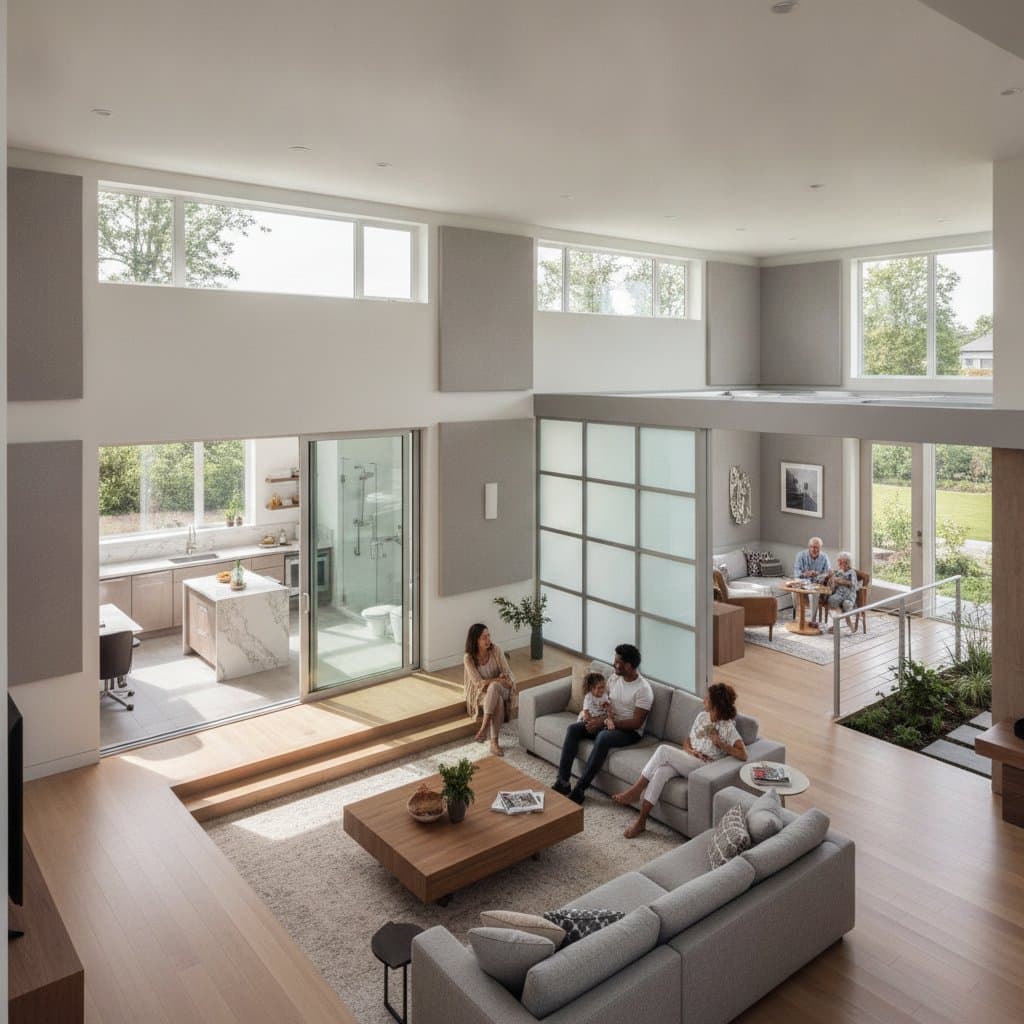
Natural light affects mood and energy. A well-lit space encourages activity during the day and relaxation in the evening. To enhance light exposure, design with window placement in mind.
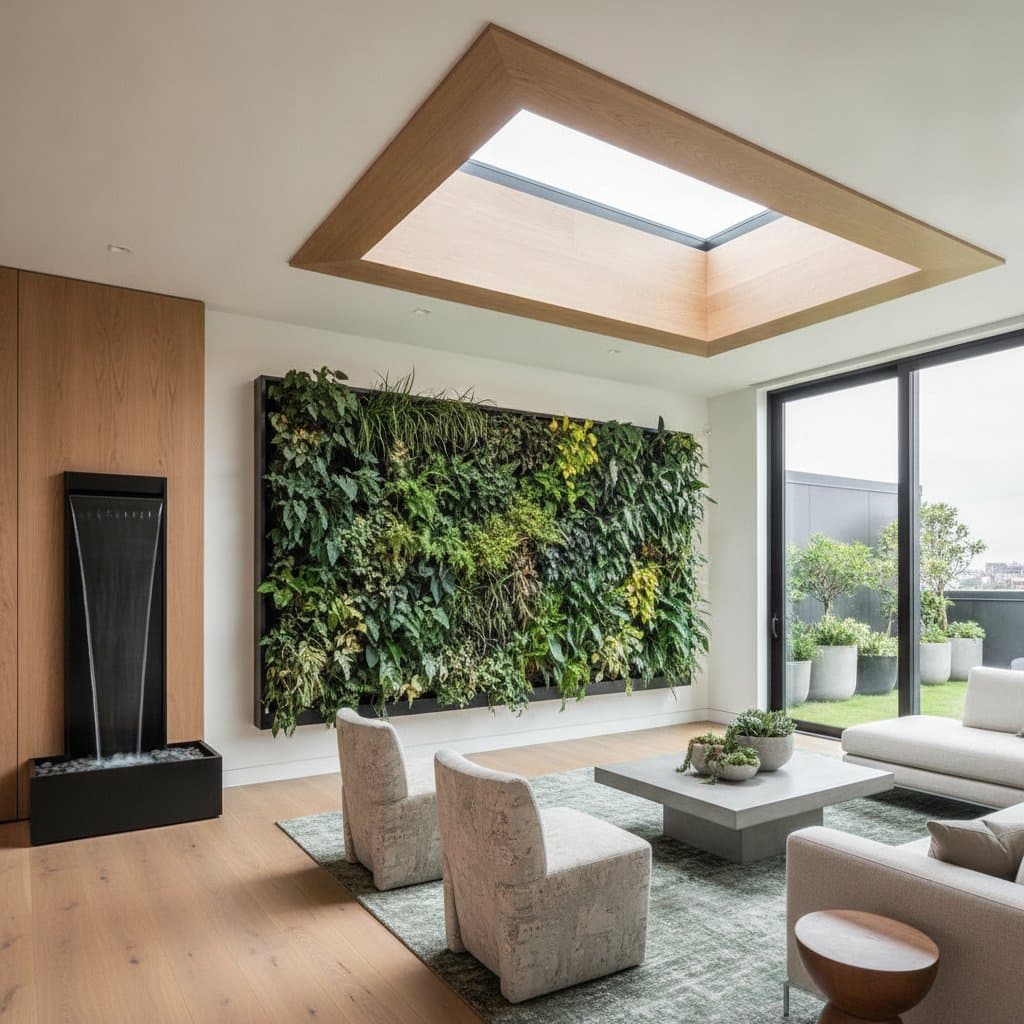
Large windows, glass doors, and reflective surfaces expand brightness without artificial glare. Light supports healthy sleep cycles and improves focus. It also changes the perception of space, making rooms feel open and breathable.
Use soft white walls with warm-toned wood trim. Position mirrors opposite windows to extend light deeper into the room. Choose sheer window treatments that allow sunlight while maintaining privacy.
During a renovation, consider skylights, clerestory windows, or interior glass doors where appropriate. Keep window areas free from bulky furniture so daylight can travel through the room. Layer natural light with warm lamps for cloudy periods and evening use, creating a comfortable transition rather than a harsh contrast.
2. Natural Materials and Textures
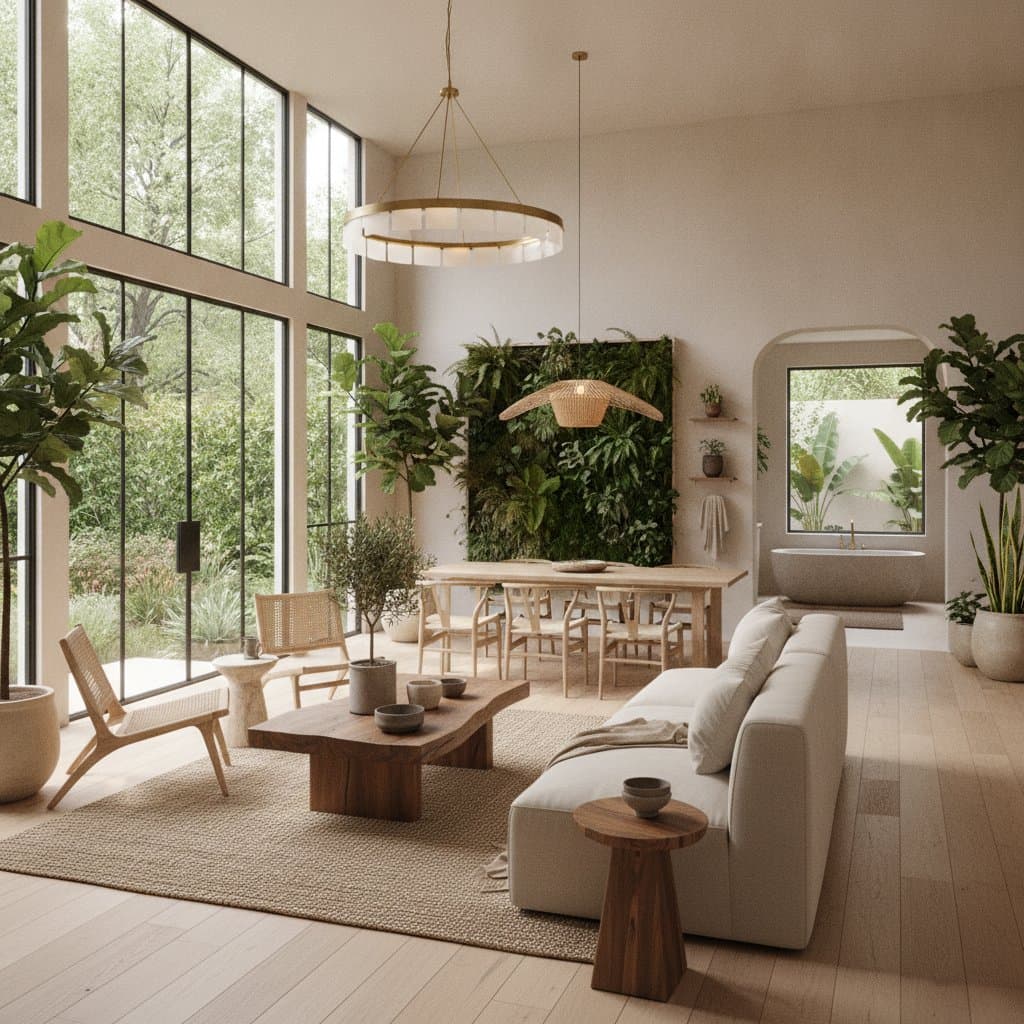
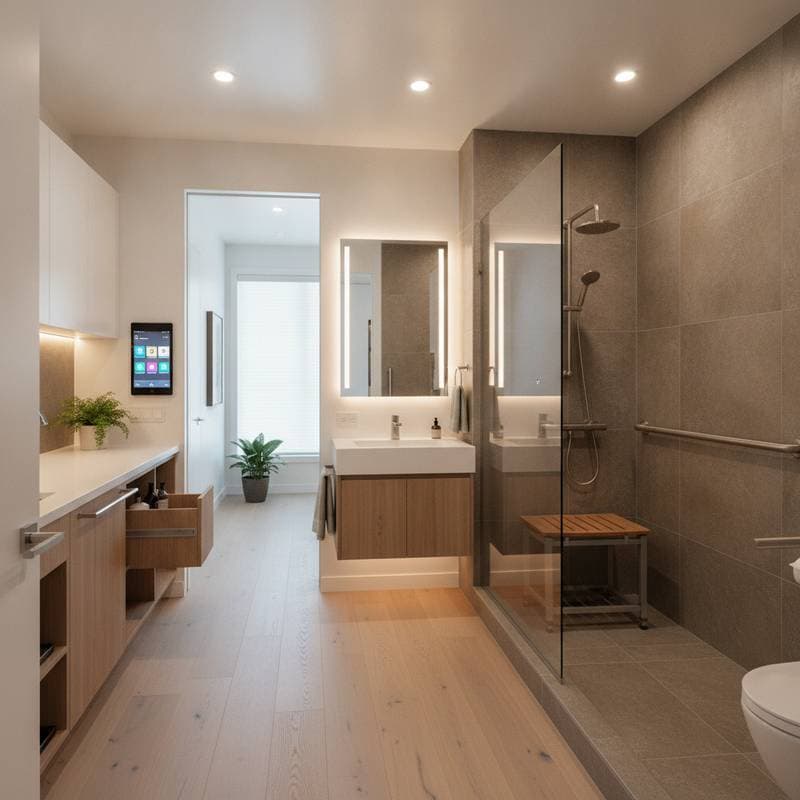
Surfaces that reflect the raw beauty of nature create warmth and authenticity. Wood grains, stone veining, and woven fibers offer tactile richness that synthetic materials rarely match. Texture invites touch and adds dimension.
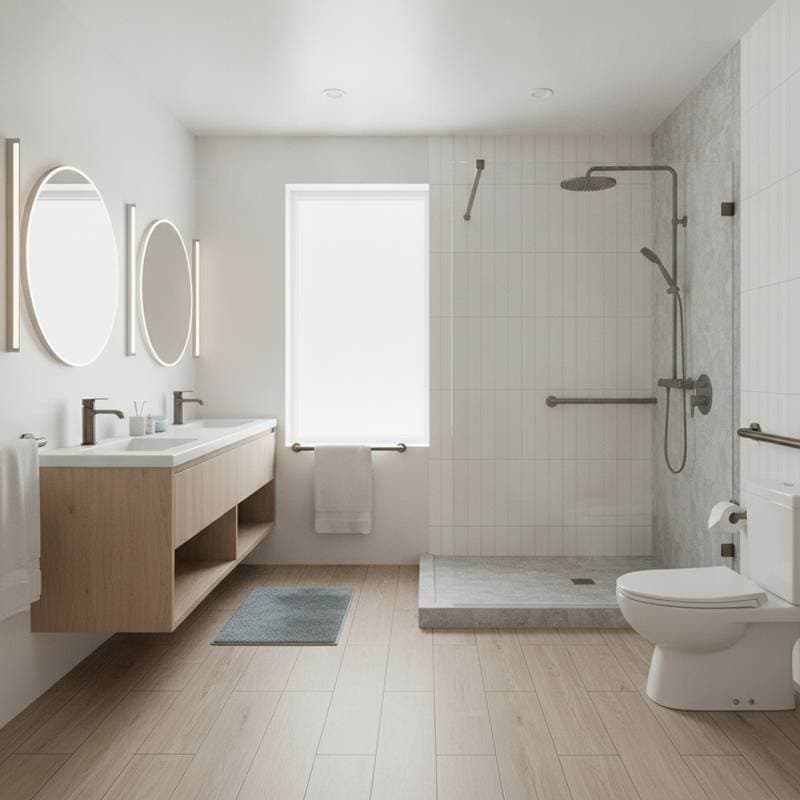
These materials age gracefully, developing character over time. Combine light oak flooring with neutral wall colors for a calm backdrop. Use slate or limestone on fireplaces or accent walls.
Add linen curtains or jute rugs for a soft, organic layer. Modern homes benefit from walnut cabinetry paired with matte black hardware. Coastal designs often include driftwood tones and bleached timbers to reflect the natural shoreline.
Use materials thoughtfully rather than covering every surface with competing textures. A single stone island, wood ceiling detail, or woven pendant can provide a strong natural focal point. Look for low maintenance finishes in busy areas, and select sealed stone or durable wood where spills and moisture are common.
3. Organic Shapes and Natural Patterns
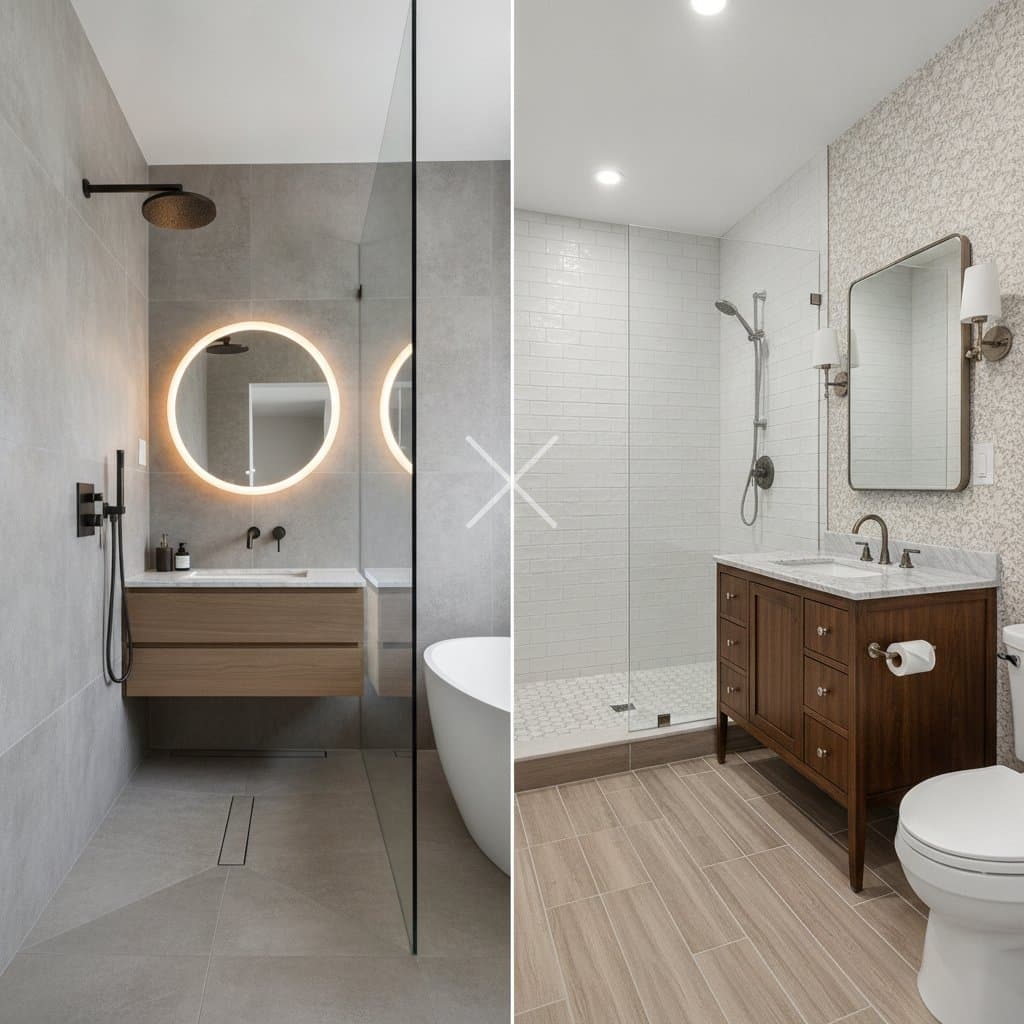
Biophilic design avoids rigid geometry in favor of flowing, organic forms. Curved furniture edges, rounded mirrors, and irregular tile patterns mimic the movement found in nature. Natural patterns encourage relaxation and curiosity.
They reduce visual tension and make interiors feel approachable. Choose rounded furniture or circular rugs to soften corners. Use wallpaper with leaf or wave motifs in subtle tones.
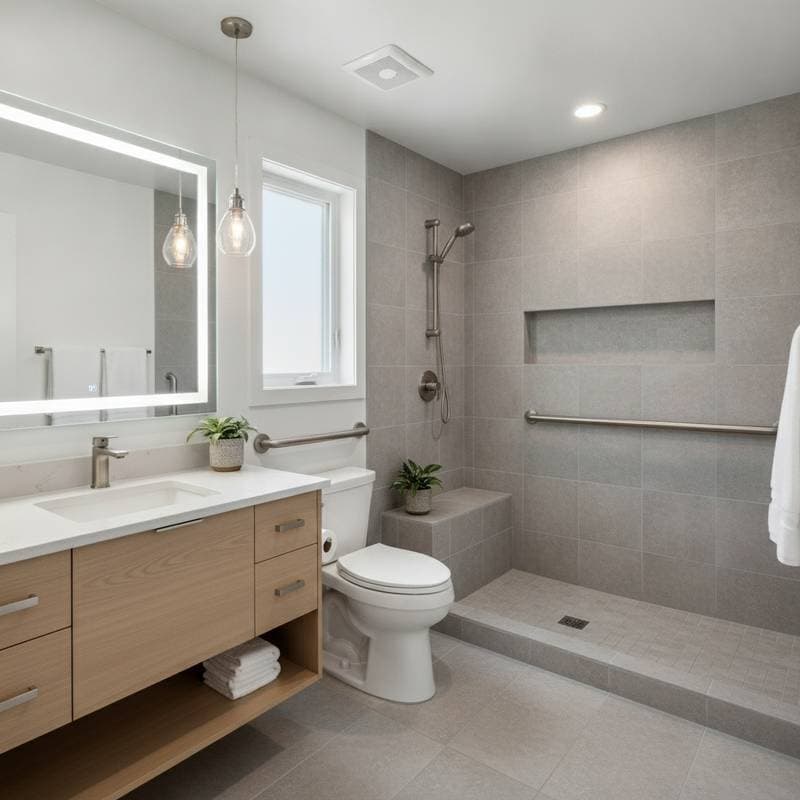
Combine smooth stone counters with textured wood backsplashes. A bathroom with pebble flooring underfoot creates a spa-like feel. A staircase with a curved railing adds motion and elegance to transitional spaces.
Patterns can also appear through artwork, upholstery, and area rugs. Select designs that suggest branches, water, grasses, or natural landscapes without overwhelming the room. Repeating organic forms across several rooms creates continuity and helps the entire home feel connected.
4. Outdoor Extensions
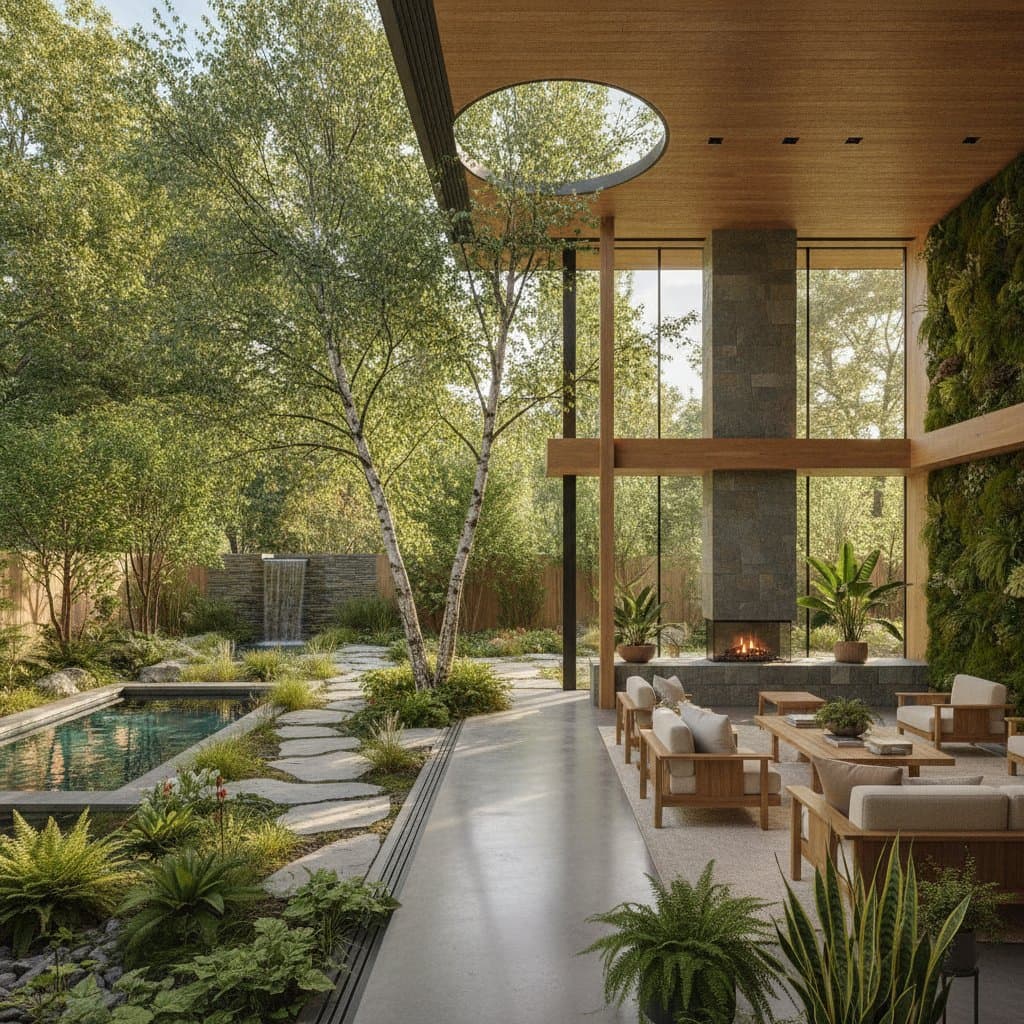
Outdoor living areas extend the benefits of nature into daily life. Decks, patios, and balconies can be designed as functional wellness zones. Direct access to nature improves relaxation and social connection.
It also increases usable living space. Use sustainable materials like bamboo decking or reclaimed wood. Include comfortable seating with weather-resistant textiles.
Integrate planters, shade trees, or pergolas for layered greenery. A covered porch with a natural wood ceiling and stone flooring creates a year-round retreat. A small balcony with potted herbs and a bistro set offers a daily dose of outdoor calm.
Connect indoor and outdoor areas with matching flooring tones, wide door openings, or similar furniture finishes. Even a compact entry garden can improve the experience of arriving home. Add a water bowl for birds, fragrant herbs, or a small fountain if local conditions allow. These sensory details bring movement, sound, and scent into everyday routines.
5. Bringing Plants Into Interior Spaces
Houseplants are one of the simplest ways to introduce life, color, and clean visual structure. Choose varieties according to available light, humidity, and the amount of care you can provide. Group plants at different heights using stools, shelves, and planters to create a layered display.
Large plants can define corners or soften architectural lines, while smaller plants work well on kitchen counters and bathroom shelves. Herbs near a bright kitchen window provide both greenery and practical value. Use attractive containers made from ceramic, terracotta, stone, or woven materials to reinforce the natural design theme.
Avoid placing moisture-sensitive plants near heating equipment or blocking pathways with oversized pots. Good drainage, suitable soil, and regular inspection help prevent pests and water damage. If living plants are not practical, dried branches, preserved moss, and nature-inspired artwork can provide a similar visual connection.
Practical Tips for Designing with Nature
Balance textures by combining smooth and coarse materials for harmony. Observe how colors shift in morning and evening light before choosing paint. Plan for maintenance by selecting plant species suited to your light and climate conditions.
Mind sustainability by choosing materials that are responsibly sourced or recycled to reduce environmental strain.