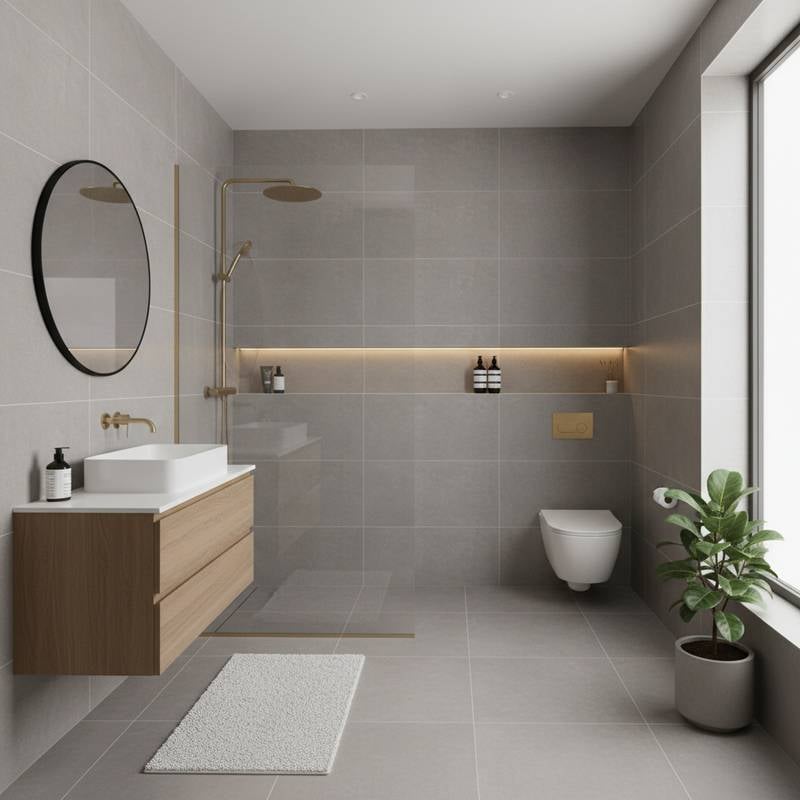
Wet Rooms Transform Traditional Bathroom Configurations
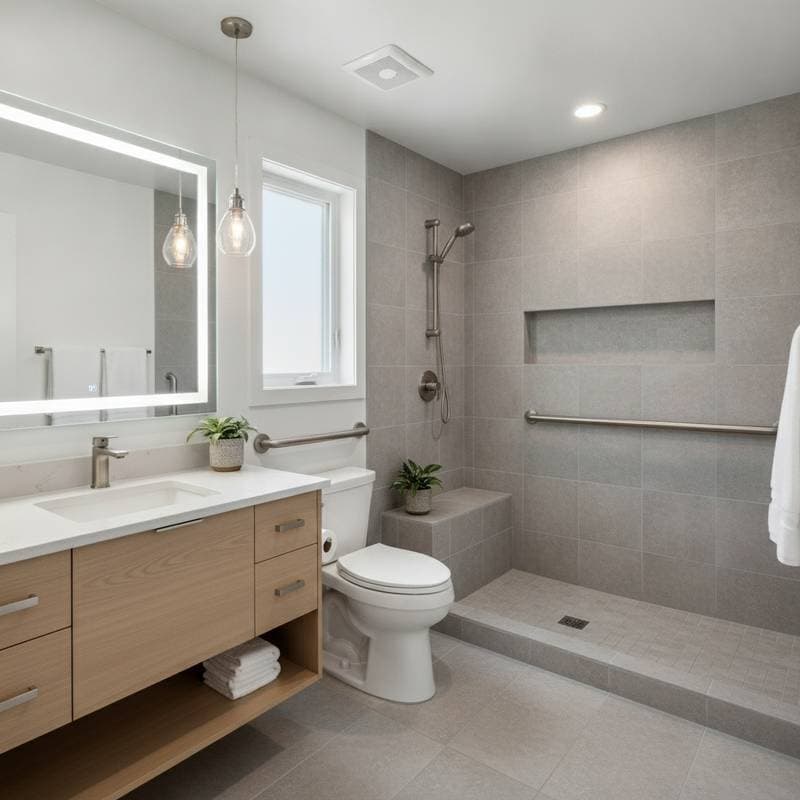
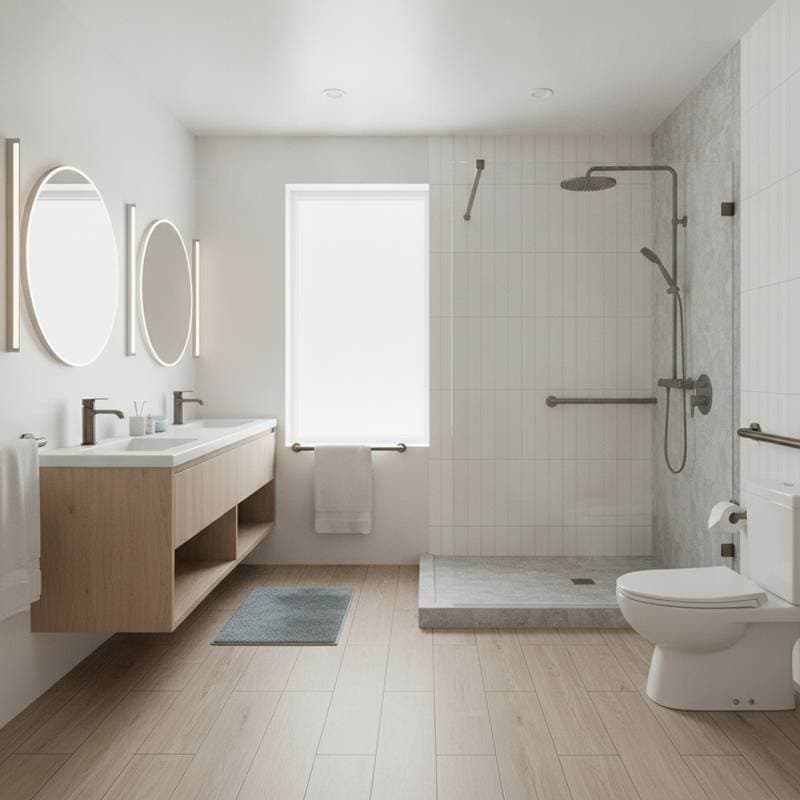
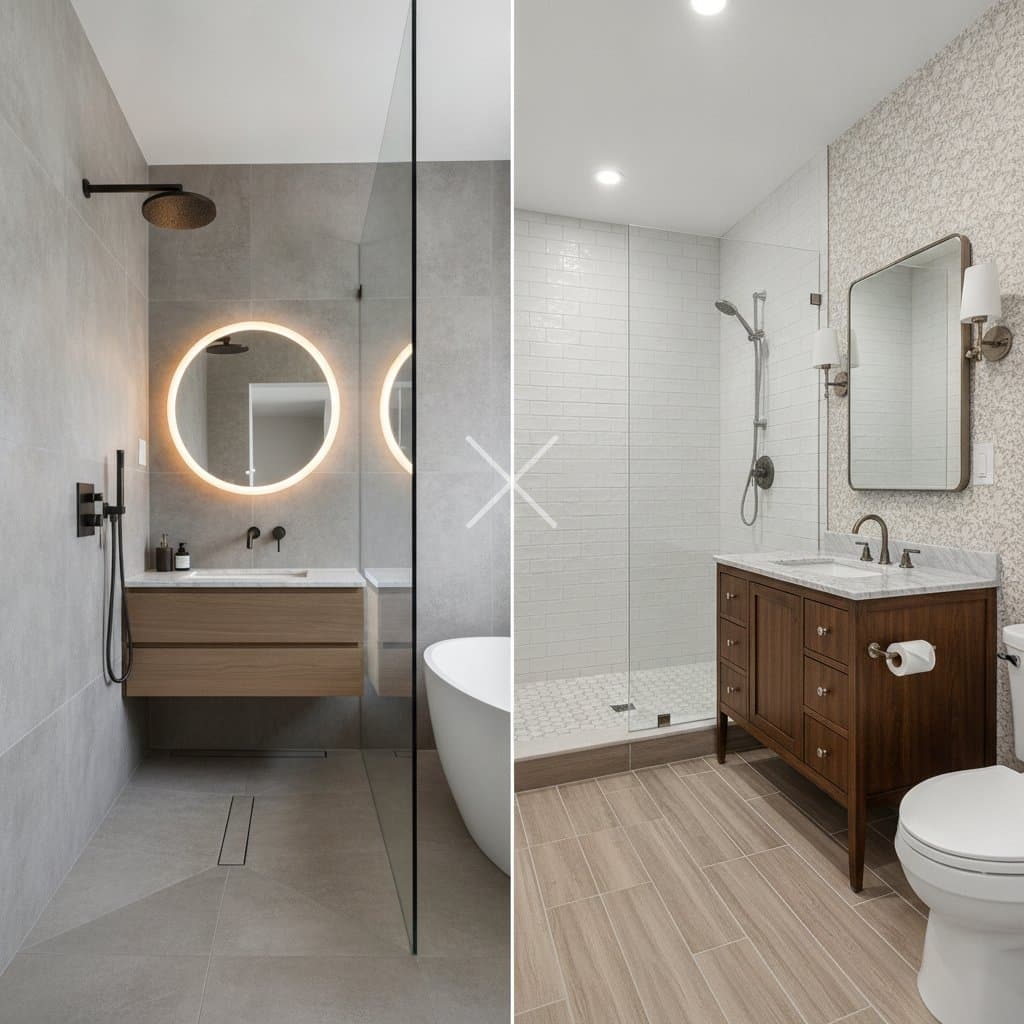
Wet rooms emerge as the favored bathroom design among homeowners seeking a contemporary, barrier-free, and low-maintenance environment. This approach eliminates separations between the shower area and the broader bathroom, establishing a comprehensively waterproof zone that appears more expansive and delivers a heightened sense of luxury.
Homeowners appreciate how wet rooms integrate functionality with style, particularly in compact spaces where every inch counts. The design promotes effortless cleaning and accessibility, making it ideal for modern lifestyles.
Essential Overview
This resource delineates the distinctions between wet rooms and conventional bathrooms, outlines associated expenses, details safe planning protocols, and identifies scenarios requiring professional involvement. Readers acquire knowledge of design principles, installation sequences, and maintenance practices that ensure a wet room remains operational and enduring over time.
Expense and Timeline Projections
Constructing a wet room generally incurs costs ranging from $12,000 to $25,000, influenced by dimensions, material selections, and waterproofing specifications. Premium finishes or bespoke tiling may elevate expenses further. Regional labor costs and adherence to building codes also impact the total investment.
- Materials for DIY projects: Approximately $5,000 to $8,000
- Complete professional setup: Around $15,000 on average
- Permits and regulatory inspections: $300 to $800
Professional execution typically spans two to three weeks. A DIY endeavor may demand double that duration, accounting for preparation, waterproofing application, and curing periods. The project complexity rates as advanced, necessitating proficiency in plumbing and moisture barrier techniques.
Comparing DIY and Professional Approaches
Individuals may manage select elements of a wet room renovation independently, including initial demolition or material choices for tiling. However, intricate components such as waterproof membranes, floor inclines, and drainage systems require the expertise of a certified contractor.
Tasks suitable for DIY execution:
- Dismantling existing fixtures and surface coverings
- Applying paint and performing basic tiling in non-wet zones
- Mounting supplementary items like mirrors or storage units
Situations necessitating professional services:
- Relocating or upgrading plumbing infrastructure
- Incorporating underfloor heating elements
- Deploying waterproof membranes or floor-leveling compounds
- Complying with municipal regulations for drainage and humidity management
Engaging professionals guarantees an appropriate gradient directing water to the drain and robust defense against moisture intrusion. Errors in waterproofing implementation risk expensive structural impairments.
Expense breakdown:
- Partial DIY renovation: $6,000 to $10,000
- Comprehensive professional wet room: $15,000 to $25,000
Detailed Installation Sequence
- Design the spatial arrangement
- Establish distinct areas for the shower, toilet, and vanity.
- Incorporate sufficient floor gradient to channel water toward the drain.
- Evaluate current plumbing accessibility and foundational stability.
Validation point: The configuration permits unobstructed navigation while minimizing splash risks near electrical outlets or storage.
- Demolish existing fixtures and surfaces
- Disconnect the water supply.
- Extract the toilet, sink, bathtub, and legacy flooring.
Validation point: The underlying subfloor presents a level surface devoid of residues.
- Assemble the drainage infrastructure
- Place a linear or central drain unit.
- Form a floor incline of one-quarter inch per linear foot leading to the drain.
Validation point: Introduce one gallon of water to confirm directional flow.
- Deploy the waterproofing barrier
- Encase all walls and floors with an unbroken waterproof coating.
- Secure edges and intersections using reinforced sealing tape.
Alert: Intrusion of moisture may compromise subfloor integrity and structural elements.
- Install tiling or alternative slip-resistant flooring
- Select porcelain or ceramic tiles certified for moist environments.
- Utilize flexible grout and perimeter sealants.
Validation point: Water remains contained without accumulation or subsurface penetration.
- Position fixtures and amenities
- Secure wall-mounted toilet and suspended vanity to maintain an open floor plane.
- Integrate overhead rain shower or adjustable handheld units.
Precaution: All electrical receptacles require ground fault circuit interrupter protection.
- Verify waterproof integrity and drainage efficacy
- Activate water flow for multiple minutes and monitor for seepage.
- Examine junctions at walls and floor perimeters.
Validation point: Absence of moisture beyond the designated shower region.
Critical Safety Protocols
- Slip prevention advisory: Opt for tiles featuring textured surfaces to mitigate fall risks.
- Electrical safety notice: Deactivate power at the main breaker prior to any work adjacent to outlets.
- Personal protective equipment: Employ gloves, knee guards, and protective eyewear to minimize hazards.
- Air circulation: Equip the area with an exhaust fan to inhibit mold proliferation.
Prioritizing these measures safeguards users during construction and daily use, ensuring a secure bathing environment.
Addressing Common Challenges
Frequent problems and resolutions include:
- Water accumulation: Insufficient floor incline. Apply self-leveling compound for correction.
- Grout deterioration: Omission of expansion joints. Reapply with flexible grout material.
- Mold development: Inadequate airflow. Upgrade to a more powerful fan or incorporate a vent window.
- Drain odors: Evaporated trap seal. Maintain with periodic water additions or install a trap primer device.
Conduct monthly evaluations for signs of leakage or staining at seams and drains to preempt issues.
Waste Management Practices
Direct old tiles, fixtures, and drywall remnants to a designated construction debris facility in your locality. Segregate metals and ceramics for recycling initiatives. Avoid discharging residual grout or adhesives into plumbing systems. Store surplus sealants and compounds in a ventilated, temperate location inaccessible to children.
Proper disposal upholds environmental standards and streamlines project completion.
Upkeep Strategies and Durability
A meticulously constructed wet room endures for 25 years or longer under diligent care. Preserve optimal condition through these routines:
- Refresh grout seals biennially.
- Clean tile surfaces weekly using a gentle detergent solution.
- Inspect drains every three months for obstructions.
- Renew silicone seals upon detection of fissures or fading.
If underfloor heating features are present, perform annual functionality tests to confirm uniform operation.
Consistent maintenance extends the lifespan and sustains the aesthetic and functional integrity of the space.
Indicators for Professional Intervention
Engage a licensed contractor under these circumstances:
- Detection of leaks or moisture stains on neighboring surfaces.
- Uneven drainage performance in the floor.
- Intentions to integrate underfloor heating or modify plumbing configurations.
Repair or reconfiguration by professionals typically costs $2,000 to $6,000, contingent on the extent of impairment.
Selection criteria for contractors:
- Possession of current licensing and insurance coverage
- Proven track record in complete wet room projects
- Provision of warranties for waterproofing and tiling
- Availability of client testimonials
Expert Recommendations for Optimal Results
- Select a frameless glass partition for subtle demarcation without enclosing walls.
- Embed shelving units into walls to elevate toiletries above floor level.
- Employ large-format tiles to minimize grout seams and facilitate cleaning.
- Integrate underfloor heating to accelerate drying times and enhance user comfort.
- Document all materials and waterproofing details for reference in future upkeep.
Implementing these strategies yields a wet room that embodies contemporary elegance, facilitates accessibility, and elevates overall property value. Thoughtful design paired with skilled execution delivers a bathroom that harmonizes style with practicality for sustained daily enjoyment.