
Aging-in-Place Remodeling: Universal Design Cost Breakdown
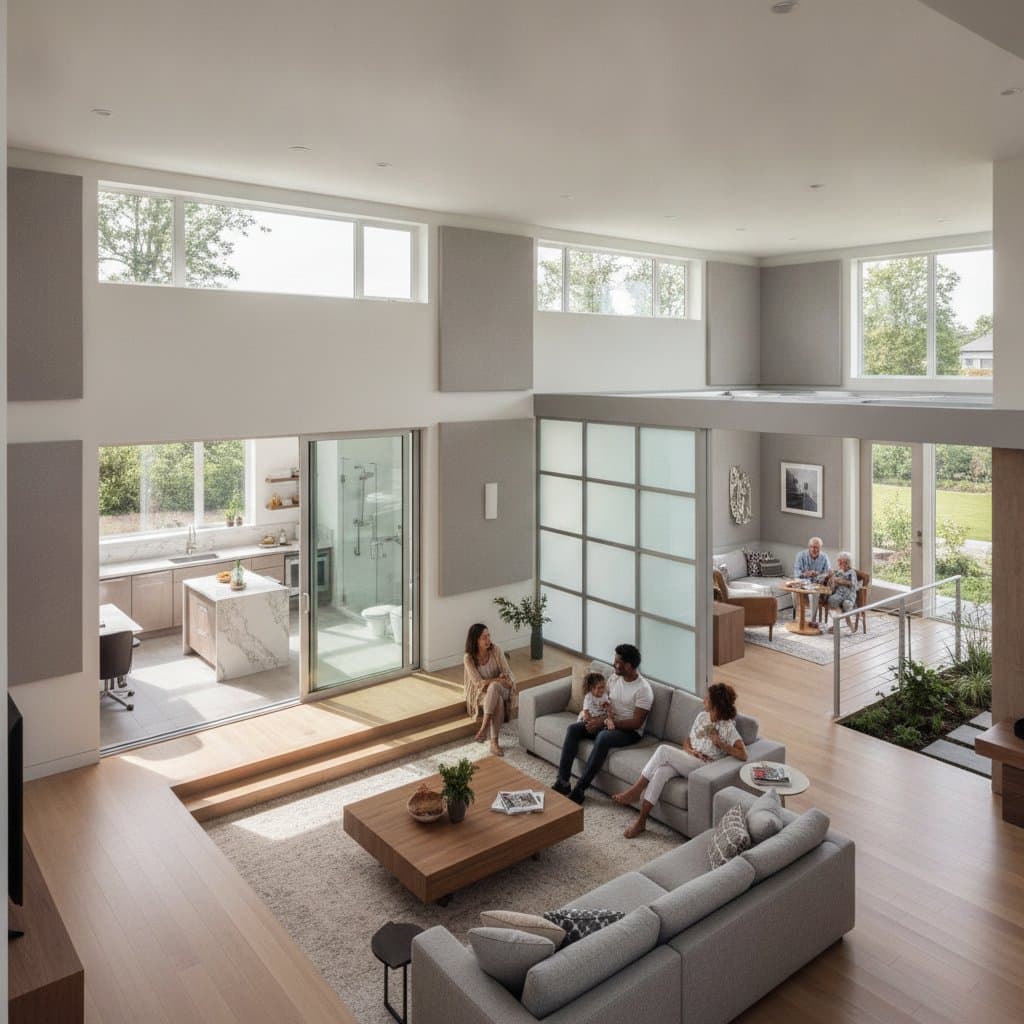
Homeowners who invest in universal design remodeling create environments that promote comfort, safety, and independence throughout life stages. These modifications emphasize accessibility for individuals of all ages and abilities, enabling longer stays in familiar surroundings while enhancing everyday functionality. This guide details expected expenses for essential upgrades, factors that affect pricing, and strategies to develop a project aligned with financial constraints and personal objectives.
Quick Overview of What’s Included
- Core principles of universal design
- Average project costs and return on investment
- Room-by-room cost breakdown
- Considerations for do-it-yourself versus professional execution
- Strategies to reduce costs and guidance on maintenance
- Indicators for engaging specialists in accessibility remodeling
Understanding Universal Design
Universal design develops spaces that accommodate users regardless of physical capabilities or age-related changes. This approach differs from standard accessibility alterations by incorporating elegant, practical elements from the outset. Examples include entrances without steps, doorways at least 36 inches wide, and lever-style handles that facilitate use for everyone.
The primary aim involves enhancing safety while preserving an appealing aesthetic. Designers achieve this balance through selections like integrated handrails disguised as architectural features and flooring that combines durability with visual warmth. Such choices address immediate requirements and anticipate evolving needs over time.
Average Costs for Aging-in-Place Remodeling
Expenses for aging-in-place renovations fluctuate based on project scale, material selections, and existing home configurations. Minor enhancements, including the addition of grab bars, lever handles, and enhanced illumination, generally range from $2,000 to $10,000. Moderate renovations, such as bathroom adaptations, doorway expansions, or ramp additions, typically cost between $15,000 and $40,000.
Comprehensive whole-home transformations, encompassing kitchen reconfigurations, flooring overhauls, and structural adjustments, may exceed $70,000 and reach up to $150,000. Return on investment for these improvements often recoups 50 to 70 percent of expenditures upon resale, particularly in communities with growing senior populations. Factors like local labor rates and material availability influence these figures, so obtaining multiple quotes proves essential.
Room-by-Room Cost Breakdown
Entryway and Exterior Access
Zero-step entries enhance safety for mobility aids, wheeled devices, and everyday foot traffic. These modifications eliminate barriers that contribute to slips or strains during entry and exit.
Typical expenses include:
- Concrete or composite ramps: $2,000 to $8,000
- Graded walkways with slip-resistant surfaces: $3,000 to $10,000
- Motion-sensor lighting paired with wider door replacements: $1,500 to $4,000
Homeowners might handle basic handrail additions or lighting installations independently, provided they follow safety guidelines. However, tasks involving site grading, ramp construction, or doorway widening demand professional expertise to comply with building codes and ensure structural integrity.
Bathroom Upgrades
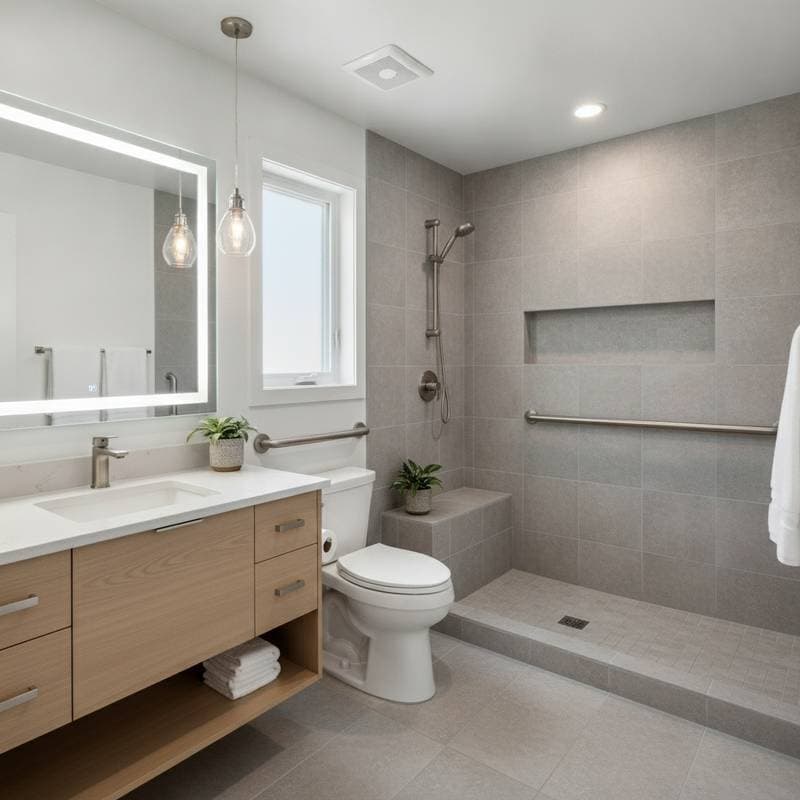
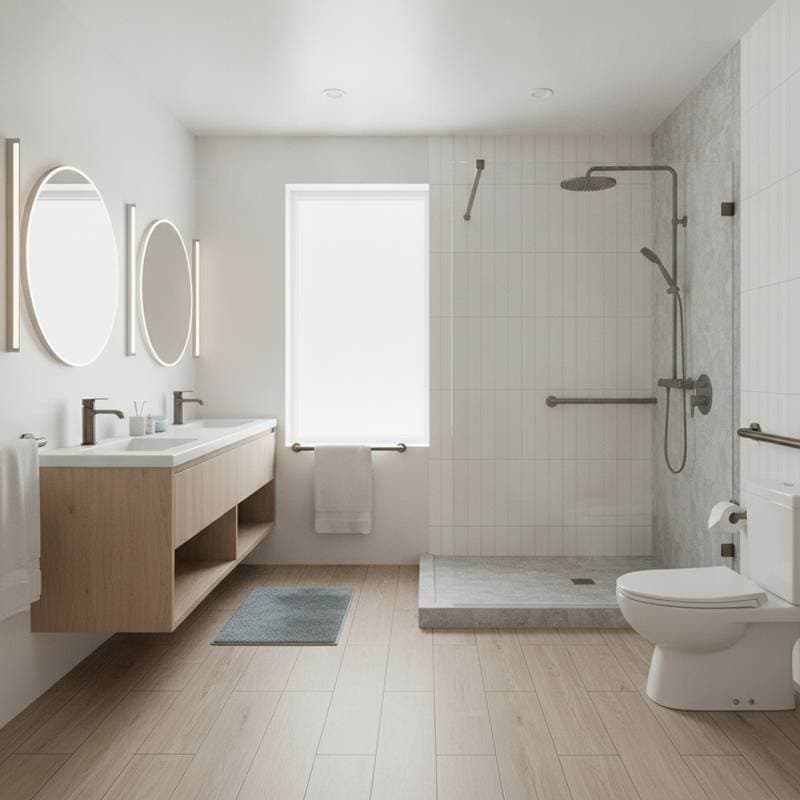
Bathrooms represent high-risk areas for falls, making accessible features critical for injury prevention and user comfort. Thoughtful redesigns transform these spaces into secure retreats without sacrificing hygiene or style.
Standard costs cover:
- Walk-in showers or curbless conversions: $8,000 to $15,000
- Comfort-height toilets with grab bars: $1,000 to $3,000
- Non-slip flooring and enhanced lighting: $2,000 to $4,000
Select textured tiles or resilient vinyl for optimal traction, and incorporate wall blocking during initial framing to accommodate future grab bar installations. Position shower controls within 48 inches of the floor for seated accessibility. While fixture replacements suit capable homeowners, plumbing rerouting and waterproofing necessitate licensed professionals to avoid moisture issues.
Kitchen Modifications
Kitchens require layouts that support fluid navigation and effortless retrieval of essentials, minimizing physical effort during meal preparation. These changes foster independence for cooks of varying abilities.
Common expenditures involve:
- Lowered or adjustable-height countertops: $3,000 to $8,000
- Pull-out shelves and drawer-integrated appliances: $4,000 to $10,000
- Upgraded lighting and flooring: $2,000 to $6,000
Incorporate color contrasts between counters and floors to aid visual depth perception, and opt for pull-handles over knobs for superior grip. Accessible kitchens frequently yield a 60 percent or higher return on investment, attracting diverse buyers in the housing market.
Flooring and Pathways
Uniform, hazard-free flooring supports seamless movement and accommodates assistive devices without interruptions. Consistent surfaces throughout the home reduce the likelihood of stumbles at transitions.
Installation costs typically range from $5 to $10 per square foot for non-slip vinyl or low-pile carpet. Eliminating raised thresholds adds $200 to $800 per doorway.
Vinyl plank options lend themselves to do-it-yourself efforts in smaller zones, but expansive installations benefit from professional leveling to achieve flawless seams and durability.
Lighting and Smart Controls
Adequate illumination mitigates shadows that lead to missteps and eases tasks requiring precision. Automated systems provide hands-free operation, boosting efficiency and reducing energy use.
Upgrades to LED fixtures cost $1,000 to $3,000, while motion-sensor switches and smart hubs range from $500 to $2,000.
Employ layered approaches with overhead ambient lights, under-cabinet task illumination, and subtle accents. Mount rocker or touch switches at 48-inch heights for universal reach.
Cost-Saving Strategies
Combine related upgrades into a single phase to minimize labor fees and permit applications. Prioritize resilient materials like vinyl plank, quartz surfaces, and composite decking, which withstand daily wear and lower ongoing repair expenses.
Anticipate future adaptations by embedding wall reinforcements and conduit wiring during current work, avoiding costly retrofits later. Explore eligibility for tax credits through programs like the Residential Clean Energy Credit or local grants for disability accommodations.
When to Hire a Professional
Engage certified contractors for any electrical rewiring, plumbing relocations, or load-bearing alterations. Structural shifts, permit-dependent installations, and bespoke cabinetry also warrant expert involvement to meet safety regulations.
Seek out professionals holding CAPS certification, which signifies specialized training in aging-in-place solutions. Review portfolios of completed projects, solicit client testimonials, and verify licensing and liability insurance prior to agreements.
Maintenance and Longevity
Well-executed universal design elements endure for 20 years or longer with routine care. Moisture-resistant porcelain tiles, sealed vinyl coverings, and corrosion-proof stainless steel hardware resist degradation from humidity and use.
Conduct annual checks on lighting fixtures, floor integrity, and support rails to detect wear early. Prompt repairs preserve functionality and extend the lifespan of investments.
Common Questions
How much space is needed for wheelchair access? Hallways require a minimum width of 36 inches, while bathrooms and kitchens need 60-inch turning radii for maneuverability.
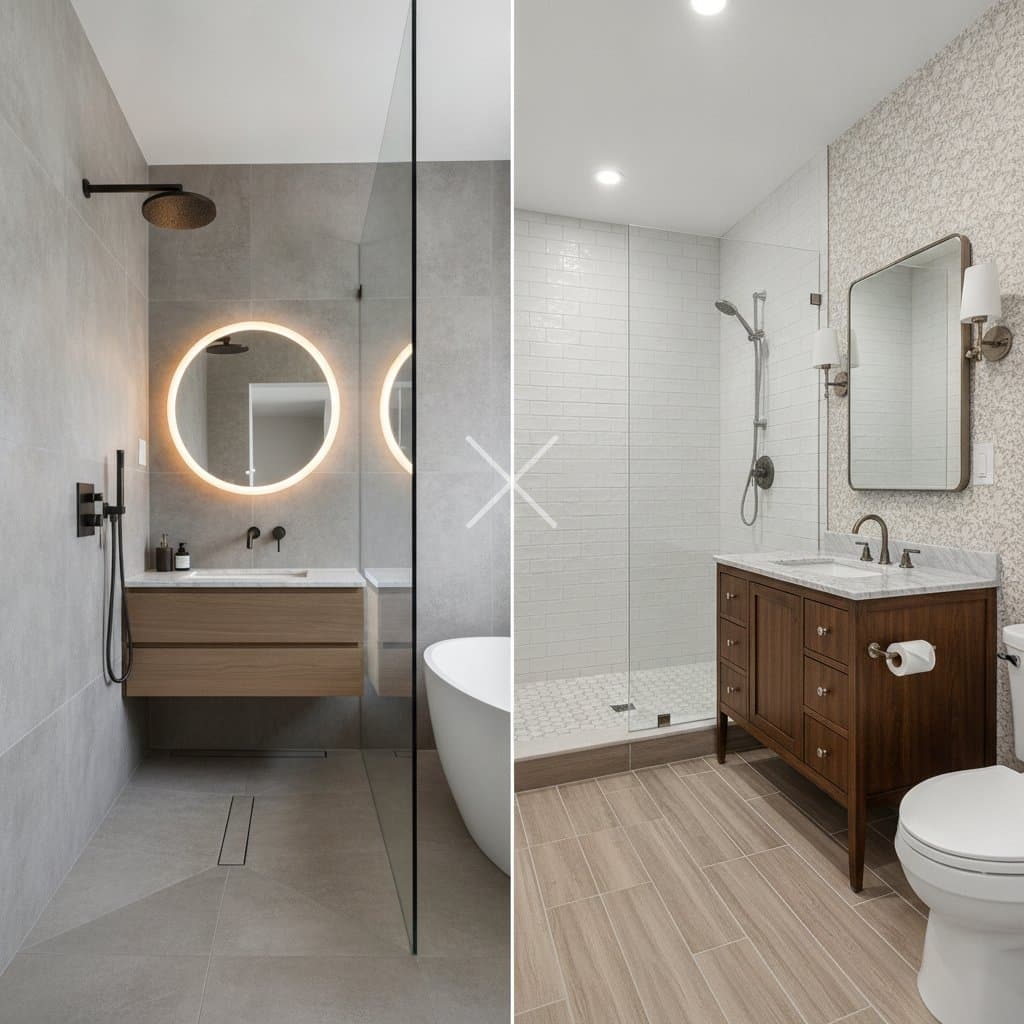
Can universal design look stylish? Absolutely. Sleek hardware, concealed reinforcements, and contemporary materials ensure accessible areas blend seamlessly with modern decor.
Do these upgrades require permits? Structural, electrical, or plumbing modifications generally demand approvals. Consult local authorities to confirm requirements.
Is it cheaper to remodel or move? Renovations frequently prove more economical than relocation, especially when location and layout already align with preferences.
What’s the best first step? Commission a professional accessibility evaluation to pinpoint priorities and generate accurate cost projections.
Securing Independence Through Strategic Planning
Universal design remodeling represents a proactive commitment to sustained well-being and home equity. Thoughtful integration of these features delivers immediate usability and future-proof resilience. With precise budgeting and expert collaboration, homeowners cultivate spaces that nurture autonomy across generations.