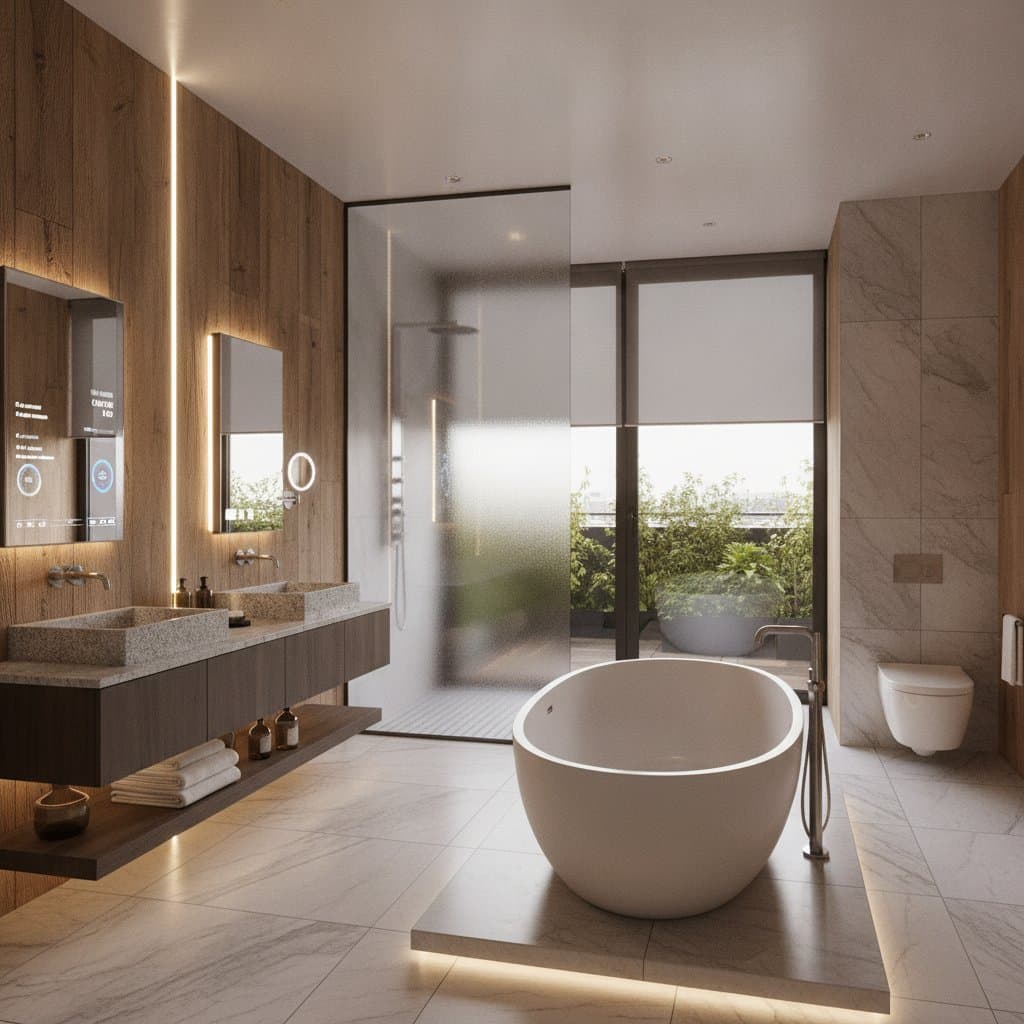

Why Biophilic Remodels Boost Health and Save Money
Biophilic remodeling connects living spaces to nature through deliberate design choices that incorporate light, air, plants, and natural materials. This method enhances physical and mental well-being while lowering long-term utility and maintenance expenses.
Quick Overview
Biophilic design draws on humanity's innate affinity for nature to create environments that foster health and efficiency. Homeowners who adopt these principles report reduced stress levels, better sleep patterns, and decreased energy bills. The approach proves versatile, suitable for both modest updates and comprehensive overhauls.
Cost and Time Estimates
Costs for biophilic remodels vary based on project scope, materials selected, and location-specific factors. A comprehensive remodel, which may involve structural alterations, natural finishes, and energy-efficient installations, typically ranges from $80 to $250 per square foot. Simpler updates focused on natural light, ventilation, and material swaps often fall between $25 and $75 per square foot.
Labor expenses increase with tasks such as structural modifications or custom fabrication of natural wood elements. Materials like reclaimed wood, stone, or low-emissivity glass elevate initial outlays yet yield savings through longevity and reduced upkeep. Permits become necessary for modifications to windows, ventilation systems, or plumbing lines; consult local building authorities early in the planning phase.
Timeline Considerations:
- For DIY efforts limited to elements like planters, wall treatments, and lighting adjustments, allocate 2 to 6 months.
- Professional projects span 4 to 12 weeks for partial remodels and extend to 6 months for full redesigns.
Difficulty Assessment: Moderate to advanced. Professionals handle structural and systems integration to ensure safety and compliance.
DIY Versus Professional Approaches
Homeowners handle small-scale biophilic enhancements independently, such as introducing indoor plants, natural fabrics, or daylight optimization via light shelves and mirrors. Applying earth-toned paints or installing cork and bamboo flooring also suits DIY capabilities, provided tools and safety measures are in place.
Engage licensed experts for complex elements including:
- Window expansions or skylight additions.
- Alterations to load-bearing walls or structural components.
- Electrical upgrades for automated lighting or ventilation.
- Plumbing adjustments for water features.
- HVAC adaptations to support passive airflow.
Cost Breakdown:
- DIY refresh: $500 to $3,000.
- Professional partial remodel: $10,000 to $40,000.
- Full biophilic redesign: $50,000 and above.
While professional services demand higher upfront investment, they deliver superior energy performance and material durability, offsetting expenses over time.
Health Benefits of Biophilic Design
Biophilic principles leverage natural elements to elevate occupant well-being by mitigating stress, enhancing air quality, and regulating sleep-wake cycles. These outcomes stem from core strategies:
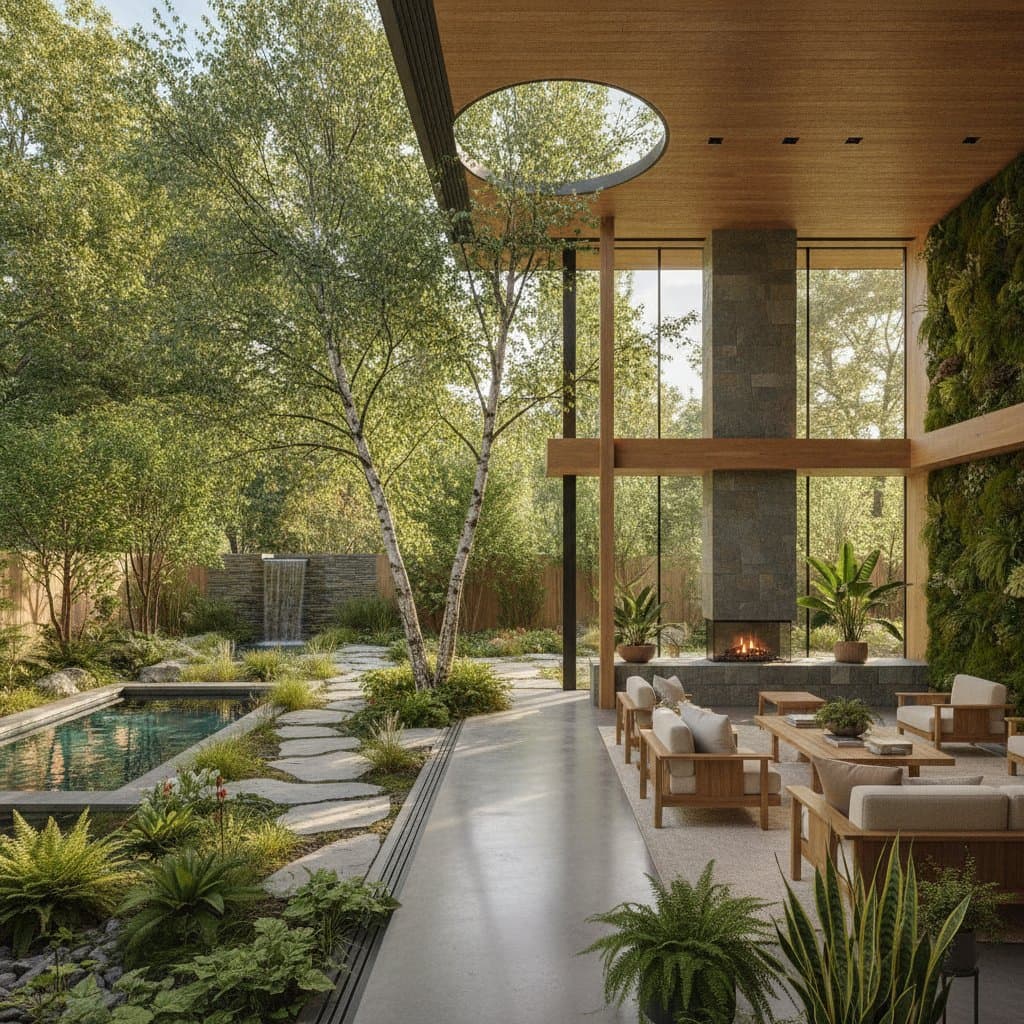
- Direct Nature Integration: Incorporate plants, water features, and sunlight exposure.
- Organic Forms and Textures: Employ materials that echo natural contours and surfaces.
- Balanced Environmental Conditions: Prioritize fresh air circulation, optimal humidity, and ample natural illumination.
Studies indicate that environments rich in daylight and organic materials cultivate serenity and focus. Effective ventilation paired with indoor foliage elevates oxygen concentrations and removes airborne pollutants, contributing to overall vitality.
Long-Term Financial Advantages
Biophilic remodels curtail ongoing expenses via superior energy conservation, minimal maintenance needs, and robust material performance. Passive ventilation lessens dependence on mechanical heating and cooling. Natural daylight diminishes artificial lighting demands. Resilient options such as stone, hardwood, and clay plasters outlast synthetic counterparts, reducing replacement frequency.
Energy Reductions:
- Optimized window orientations and skylights can halve electricity consumption for illumination.
- Passive airflow strategies lower cooling expenditures by 20 to 40 percent in temperate regions.
Maintenance Efficiencies:
- Natural elements withstand aging gracefully, often needing only routine cleaning.
- Greenery helps regulate indoor humidity, safeguarding wood and surface integrity.
Health-Related Savings:
- Improved air purity and stress reduction translate to fewer medical visits and enhanced productivity, particularly in home offices.
Step-by-Step Guide to Implementing a Biophilic Remodel
1. Evaluate Your Current Space
Examine sunlight patterns across rooms throughout the day. Pinpoint zones that appear dim or poorly ventilated. Identify opportunities for outdoor views or natural element introductions.
Verification Step: Compile a prioritized list of areas disconnected from nature to target first.
2. Enhance Natural Illumination
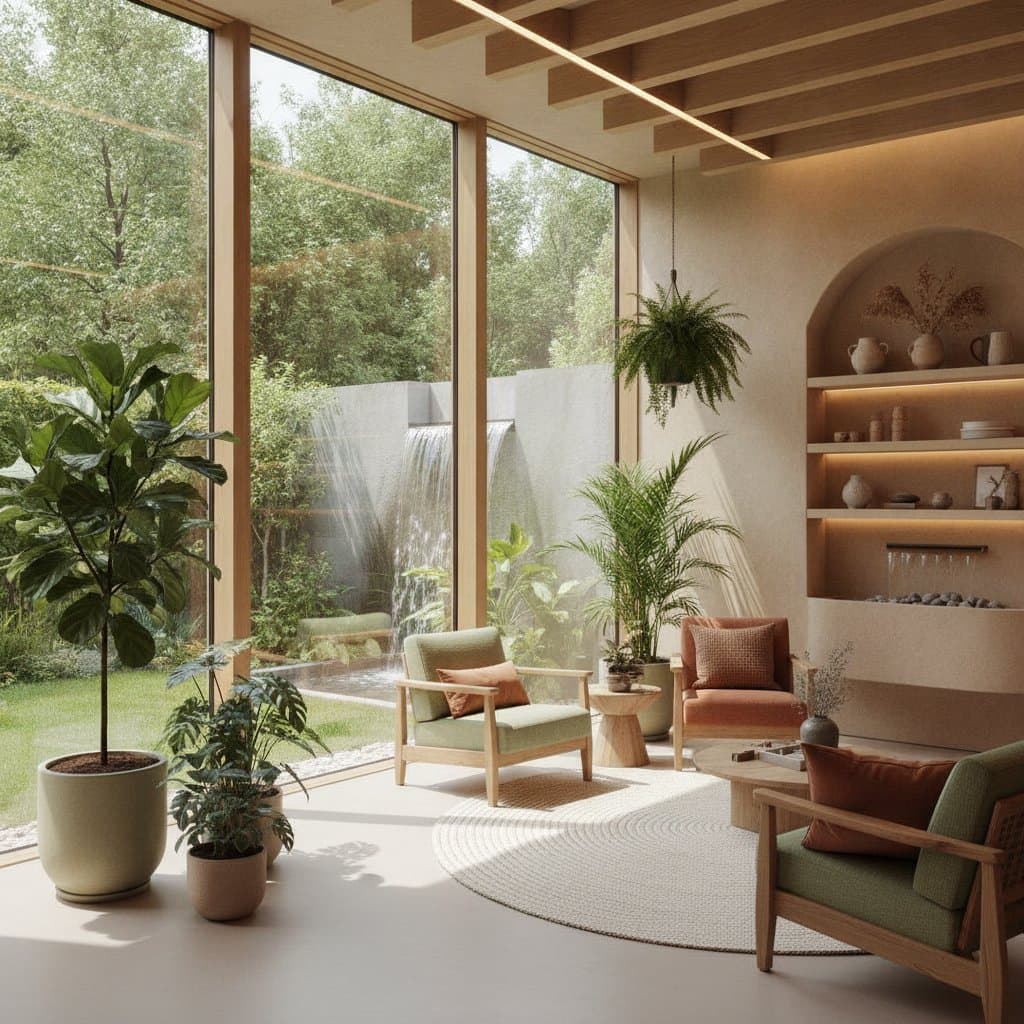
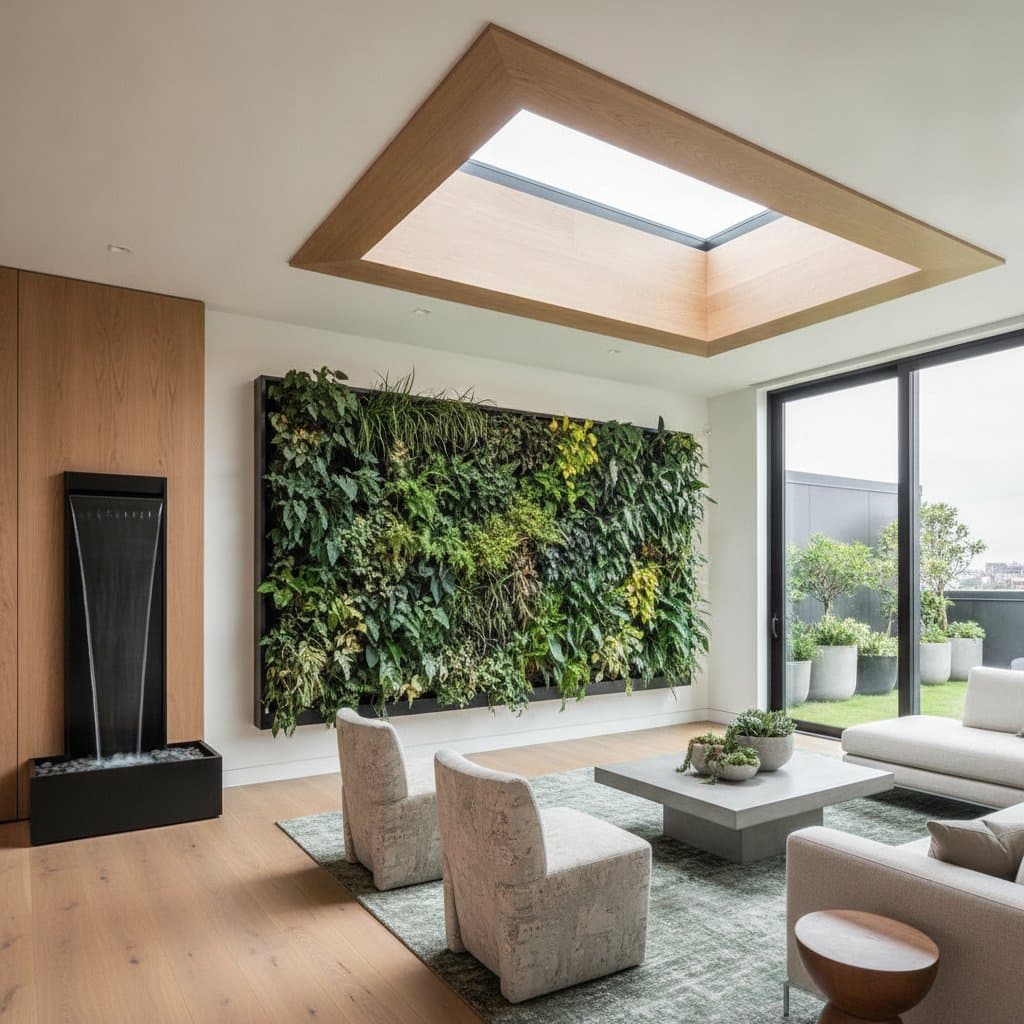
Enlarge existing windows or install new ones within structural constraints. Deploy light shelves or reflective panels to distribute daylight farther into interiors. Opt for translucent shades that soften light without obstructing it.
Verification Step: Ensure primary rooms benefit from natural light for at least half of daylight hours.
3. Optimize Airflow
Fit operable windows or transom vents to enable cross-breezes. Install ceiling fans to facilitate natural air movement. Introduce air-purifying varieties like snake plants or peace lilies.
Verification Step: Confirm air circulation feels refreshed, free from stagnation or odors.
4. Incorporate Organic Materials
Select hardwood, stone, bamboo, or cork for floors and counters. Apply low-VOC, water-based coatings. Integrate textiles from natural fibers like linen or wool.
Verification Step: Verify each room features at least two prominent natural materials.
5. Integrate Living Greenery
Blend potted specimens, wall-mounted gardens, or recessed planters. Choose species compatible with available light conditions. Cluster arrangements for aesthetic appeal and simplified care.
Verification Step: Monitor for healthy growth and vitality within weeks of installation.
6. Add Subtle Water Features
Incorporate compact fountains or cascading walls using leak-proof setups. Select materials resistant to moisture and mold. Maintain cleanliness to ensure quiet operation.
Verification Step: Assess that water sounds promote relaxation without intrusion.
7. Apply Nature-Inspired Aesthetics
Draw color schemes from landscapes, using tones of soil, sky, and vegetation. Feature subtle organic motifs like foliage or ripples in fabrics and decor. Steer clear of jarring hues that disrupt harmony with natural light.
Verification Step: Test the scheme under both daylight and indoor lighting for cohesion.
8. Embed Energy-Saving Measures
Upgrade to insulated, energy-efficient glazing. Install LED fixtures calibrated to natural light spectrums. Deploy smart thermostats and sensors for precise climate control.
Verification Step: Track reductions in utility statements following implementation.
Essential Safety Guidelines
Electrical Precautions: Disconnect power sources prior to any lighting or wiring adjustments. Employ a voltage tester to verify absence of electricity.
Structural Safeguards: Avoid compromising load-bearing walls or roof elements without expert evaluation.
Height-Related Cautions: Secure ladders firmly and wear slip-resistant footwear during elevated tasks like overhead planter mounting.
Personal Protection: Don gloves for handling rough materials, goggles for cutting operations, and respirators during dust-generating activities like sanding.
Common Issues and Resolutions
Issue: Enclosed Room Sensations Persist.
Solution: Amplify reflective elements or position mirrors to capture and redirect window light.
Issue: Rapid Plant Decline.
Solution: Adjust exposure to light and refine irrigation routines; substitute with resilient, low-care options.
Issue: Window Condensation Buildup.
Solution: Apply seals and introduce exhaust fans to manage moisture.
Ongoing Assessments:
- Verify air quality and movement.
- Confirm even light distribution across surfaces.
- Observe sustained plant health.
Post-Project Cleanup
Gather debris in reinforced containers. Segregate recyclables including metals, glass, and untreated wood. Direct hazardous items like paints and adhesives to designated disposal sites. Compost suitable plant matter.
Wipe surfaces using gentle, eco-friendly solutions to prevent residue accumulation that could affect greenery.
Upkeep and Durability
Conduct periodic inspections of organic components.
- Reapply protective oils or sealants to wood every two to three years.
- Clean stone and tile with neutral pH solutions.
- Prune, repot, and nourish plants on a seasonal basis.
Service ventilation components and monitor humidity to avert mold growth. With diligent care, biophilic features endure for decades.
Indicators for Professional Involvement
Seek expert assistance for projects entailing structural, electrical, or plumbing work.
Associated Expenses:
- Design consultation: $1,000 to $5,000.
- Contractor rates: $75 to $150 hourly.
- Specialized features like skylights: $2,000 to $10,000.
Selection Criteria for Contractors:
- Active licensing and insurance coverage.
- Proven track record in sustainable or wellness-oriented projects.
- Demonstrable portfolio of similar installations.
- Detailed warranties for workmanship and products.
- Itemized bids outlining materials and timelines.
Strategies for Optimal Results
Coordinate lighting and airflow planning for synergistic effects. Layer textures such as stone alongside wood to evoke warmth. Design with adaptability in mind, incorporating mobile planters and adjustable furnishings. Leverage sensors for real-time monitoring of air and light metrics to refine the environment progressively.
Frequently Asked Questions
What defines biophilic design?
An intentional method to link interiors with nature via elements like illumination, ventilation, foliage, and organic substances.
Is biophilic remodeling feasible in compact areas?
Affirmative. Compact interventions, such as wall gardens or light-reflecting mirrors, yield significant improvements.
Are permits required for these projects?
Yes, for any structural, electrical, or plumbing modifications. Review municipal regulations promptly.
What indoor plants offer the greatest benefits?
Durable choices include snake plants, pothos, ferns, and peace lilies, which purify air effectively.
Does this approach elevate property worth?
Properties featuring natural light, efficiency, and eco-materials frequently command premium resale values.
How demanding is ongoing care?
Minimal. Routine cleaning and basic tending suffice for most components.
Sustaining the Benefits of Your Remodel
A thoughtfully executed biophilic transformation reshapes daily living while delivering enduring financial relief. By amplifying natural light, refining air purity, and selecting resilient materials, homeowners minimize operational costs and cultivate vitality. Consistent maintenance preserves these advantages, ensuring spaces remain restorative and efficient for years ahead.