
The Real 2026 Price Tag on Aging-in-Place Upgrades
Quick Cost Summary
Aging-in-place upgrades typically range from $10,000 to $100,000, based on the home's size, existing layout, and desired level of accessibility. Homeowners often invest an average of $40,000 in a mix of bathroom, kitchen, entryway, and mobility enhancements.
Primary expenses stem from bathroom renovations, widened doorways, kitchen adaptations, and mobility aids like ramps, stair lifts, or specialized flooring. Labor comprises 40 to 60 percent of the total, with materials and fixtures covering the balance.
Key Insights
- Basic accessibility additions, such as grab bars and lever handles, begin at $500 to $2,500.
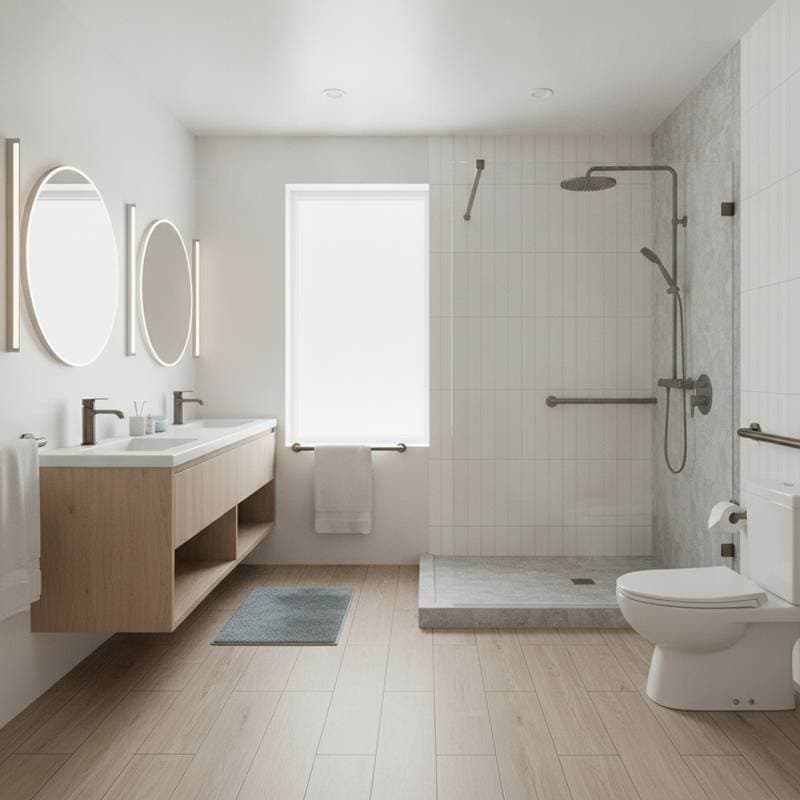
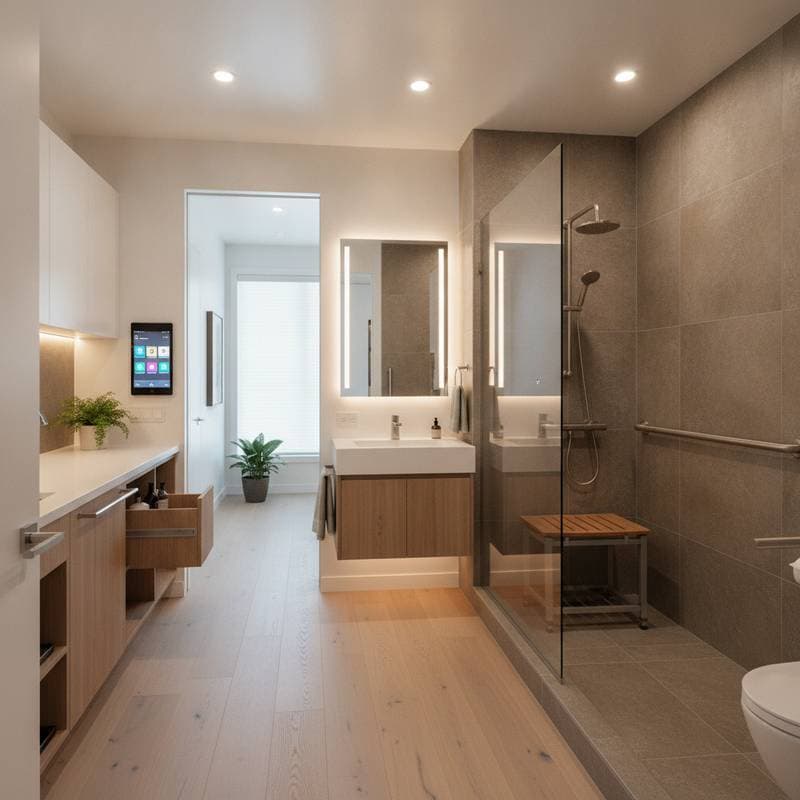
- Complete bathroom transformations to walk-in showers run $8,000 to $25,000.
- Widening interior doors averages $700 to $1,200 per door.
- Ramp or lift installations add $3,000 to $20,000.
- Comprehensive whole-home overhauls surpass $75,000 when structural modifications prove necessary.
Contractor Costs and Labor
Engaging a licensed contractor guarantees adherence to accessibility standards and building codes. Rates generally fall between $50 and $150 per hour, varying by region and expertise level.
Specialized professionals, including electricians, plumbers, and carpenters, each impact the budget. Consider these examples:
- Electricians charge $80 to $120 per hour for tasks like relocating lighting and outlets.
- Plumbers bill $70 to $130 per hour for bathroom and kitchen alterations.
- Carpenters request $60 to $100 per hour for cabinetry work and doorway expansions.
Labor demands fluctuate with the home's current configuration. Structures from earlier eras frequently incur higher fees due to constraints like confined spaces, obsolete wiring, or tight corridors.
Additional Cost Factors
Multiple elements shape the ultimate expense of aging-in-place projects.
1. Materials and Finishes
Premium fixtures, slip-resistant flooring, and bespoke cabinetry elevate expenses. Opt for vinyl flooring or ready-made shower units to control costs, whereas tile and solid-surface options deliver enhanced durability and aesthetics at a premium.
2. Design Complexity
Tailored configurations featuring integrated seating, barrier-free showers, or embedded lighting demand extensive planning and expert installation. In contrast, straightforward enhancements like grab bars or adjustable showerheads remain more affordable.
3. Permits and Inspections
Permit costs span $500 to $2,500, contingent on local regulations and project scale. Structural alterations or plumbing adjustments typically require official inspections.
4. Mobility Equipment
Devices such as power-operated lifts, stair glides, and automatic doors enhance usability yet inflate budgets. A single stair lift ranges from $4,000 to $12,000, and a compact residential elevator often exceeds $25,000.
5. Home Age and Condition
Aging properties commonly feature narrow doorways, elevated thresholds, or restricted plumbing access. Such challenges extend labor hours and material needs, resulting in elevated costs relative to modern designs.
Ways to Save
Strategic planning and incremental implementation help curb expenses while upholding safety and usability.
Prioritize High-Impact Areas
Target the bathroom and primary entry points initially. These zones pose the most significant hazards and see frequent use, so early improvements yield substantial benefits in daily function.
Use Universal Design Principles
Select features adaptable for all users, including lever-style handles, non-slip surfaces, and expansive hallways. Such choices boost enduring property value and limit subsequent renovation needs.
Seek Grants or Financing
Certain municipal entities and nonprofit organizations provide funding or favorable loans for accessibility enhancements. Consult local housing or elder care departments to explore qualifying options.
Combine Projects
Integrate accessibility work with planned updates, such as flooring replacement alongside door widening. This approach consolidates labor and minimizes overall disruption.
Choose Durable Materials
Select robust options like slip-resistant tiles, moisture-proof flooring, and energy-efficient LED lights. These selections lower ongoing maintenance and utility expenses over time.
Return on Investment
Aging-in-place modifications offer tangible financial and personal benefits. Although resale recovery differs, these changes foster autonomy and mitigate escalating healthcare demands.
Properties equipped with accessibility elements attract broader markets, including buyers with mobility limitations or extended families. Entryway and bathroom adaptations often recover 50 to 70 percent of investment when promoted as inclusive features.
More importantly, such investments postpone reliance on assisted living facilities, which annualize at rates far exceeding home-based solutions. A one-time outlay in adaptability ultimately offsets care-related expenditures while elevating quality of life.
DIY vs Hiring a Pro
When DIY Works
Handy individuals can manage basic tasks like mounting grab bars, swapping doorknobs, or installing enhanced illumination. Material outlays for these efforts stay below $2,000, bypassing labor fees entirely.
When to Hire a Professional
Professionals handle structural, plumbing, or electrical components to ensure regulatory compliance and accuracy. Projects involving bathroom overhauls, ramp construction, or door expansions demand certified expertise to avoid hazards or costly corrections.
Even for self-directed elements, professional input on overall layout proves invaluable. An aging-in-place specialist verifies alignment with standards and anticipates evolving requirements.
Cost Comparison
Self-managed efforts can trim budgets by 20 to 40 percent, provided execution remains safe and precise. Expert involvement raises initial costs but safeguards against liabilities and code violations.
Cost Methodology
These figures draw from nationwide contractor estimates, sector analyses, and renovation resources. Regional differences, wage scales, and supply chains influence actual pricing. Projections incorporate standard materials and qualified labor; upscale selections or bespoke elements substantially increase totals.
FAQs
How much does it cost to remodel a bathroom for accessibility?
A comprehensive bathroom renovation for aging in place generally costs $8,000 to $25,000, influenced by dimensions and selections. Common inclusions encompass walk-in showers, grab bars, and anti-slip flooring.
What is the cheapest way to make a home more accessible?
Initiate with economical measures like lever handles, amplified lighting, and portable threshold ramps. These interventions total under $2,000 and deliver prompt safety gains.
Do aging-in-place upgrades increase home value?
Indeed, inclusive designs broaden appeal and accelerate sales. Value appreciation hinges on regional preferences and workmanship quality.
Is financing available for accessibility remodeling?
Government and charitable initiatives sometimes extend grants or reduced-rate loans for such projects. Verify eligibility through community housing or senior support offices.
How long does an aging-in-place remodel take?
Modest undertakings span one to two weeks, whereas extensive conversions extend over months. Schedules hinge on workforce availability, approvals, and supply timelines.
Maintaining Your Investment
Post-completion, routine upkeep sustains functionality and aesthetics. Conduct yearly checks on grab bars, fixtures, and surfaces to confirm stability and efficacy. Address deterioration swiftly to avert accidents.
Periodically assess adaptations as needs evolve. Minor tweaks, like installing an extra handrail or adjusting countertop heights, prolong the relevance of your setup.
Aging-in-place enhancements transcend mere convenience. They secure self-reliance, enable sustained home residency, and enhance asset worth. Through thoughtful strategy and expert oversight, craft an environment that adapts seamlessly to future demands.