2026 Costs for Aging in Place: Universal Design Essentials
Aging in place involves adapting a home to support changing needs over time. Universal design principles emphasize accessibility, flexibility, and usability for individuals of all ages and abilities. By investing in these features now, homeowners secure a safer environment that minimizes future disruptions and expenses.
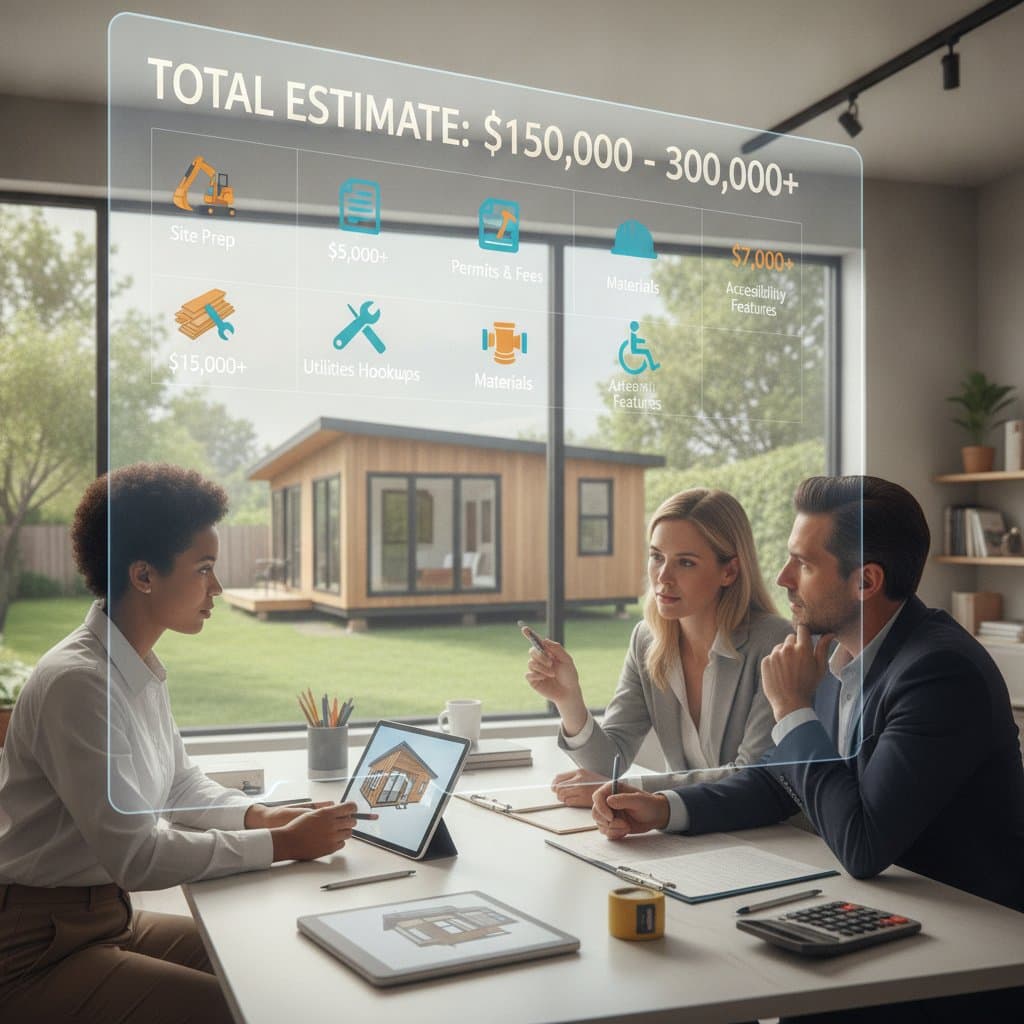
Knowledge of projected 2026 costs empowers informed decisions. These estimates account for rising material prices and labor rates, providing a realistic budget framework.
Defining Universal Design for Home Adaptation
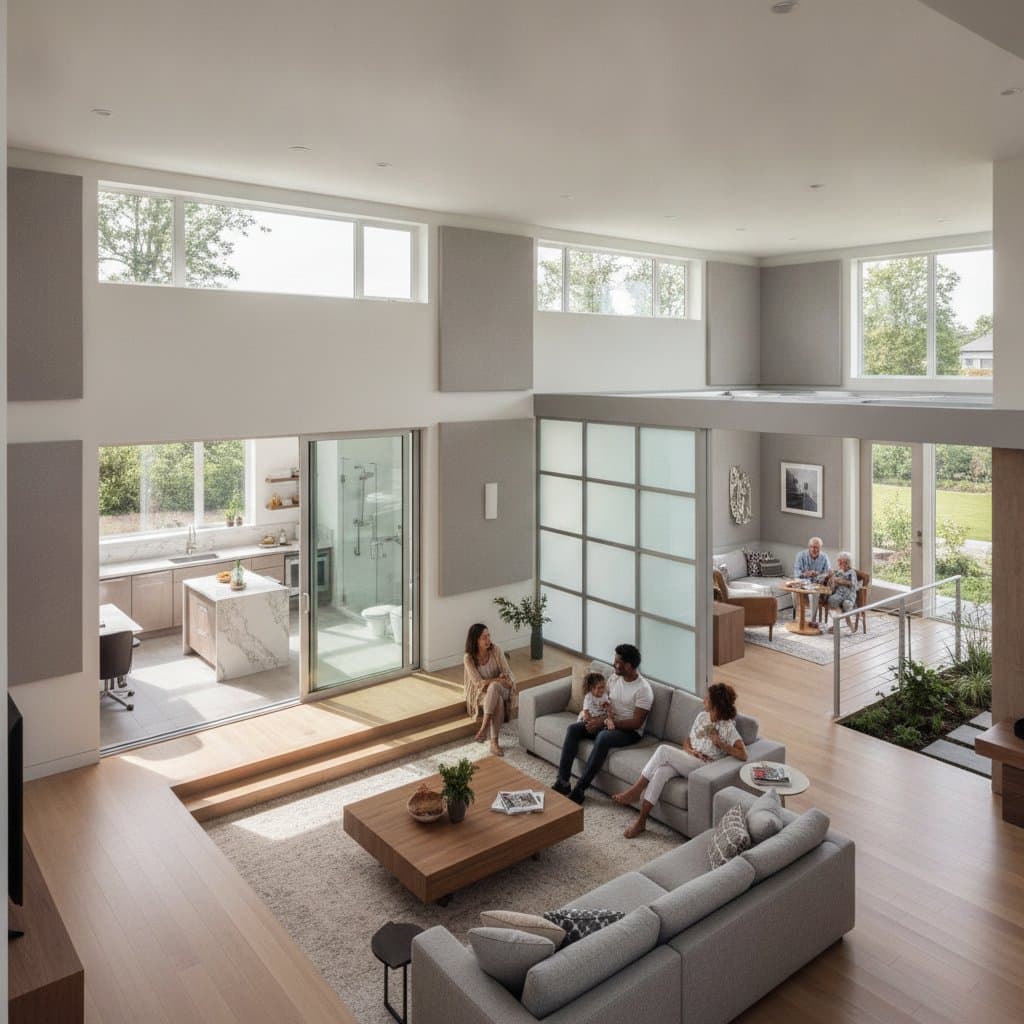
Universal design creates spaces that accommodate diverse users without specialized alterations. Core elements include equitable use, flexible layouts, and simple intuitive operations. For homes, this translates to features like lever handles, adjustable shelving, and ample circulation space.
Such adaptations benefit current residents immediately while preparing for potential mobility challenges. They enhance daily comfort and reduce injury risks, fostering a sense of security.
Overall Cost Spectrum for Remodeling Projects
Universal design expenses depend on project scale, existing home structure, and selected materials. Basic enhancements might total $2,000 to $5,000, focusing on high-impact areas. Comprehensive overhauls, encompassing multiple rooms, often range from $20,000 to $50,000 or more.
Homeowners can phase projects to manage budgets effectively. Prioritize elements that address immediate safety concerns before expanding to convenience upgrades.
1. Enhancing Entryways and Exterior Pathways
Zero-step entries eliminate barriers at thresholds, facilitating wheelchair access and reducing fall hazards. Installation typically costs $3,000 to $8,000, influenced by site grading, concrete pouring, and drainage adjustments.
Permanent ramps provide durable solutions over portable options. A custom ramp with non-slip surfacing and handrails averages $4,000 to $10,000, depending on length and incline.
Exterior improvements like motion-sensor lighting and oversized house numbers cost $200 to $800. These additions improve visibility during low-light conditions and aid emergency responders.
2. Bathroom Modifications for Safety and Ease
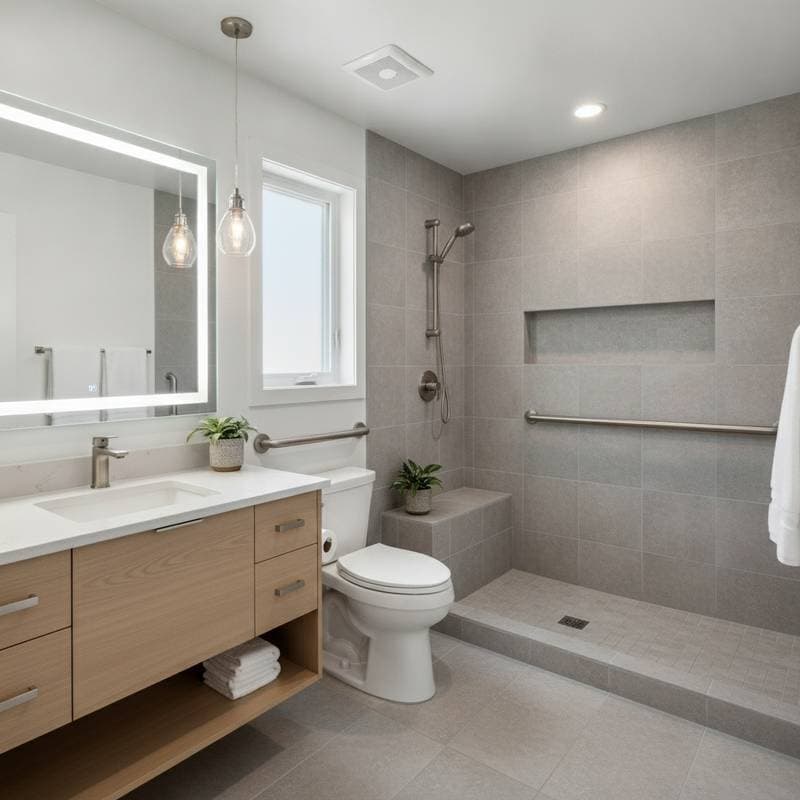
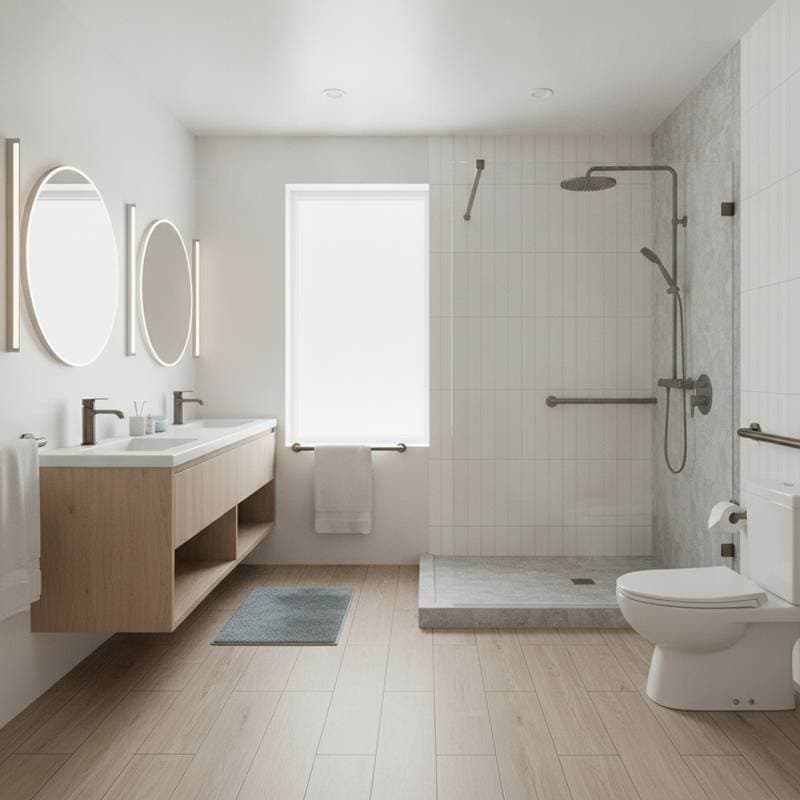
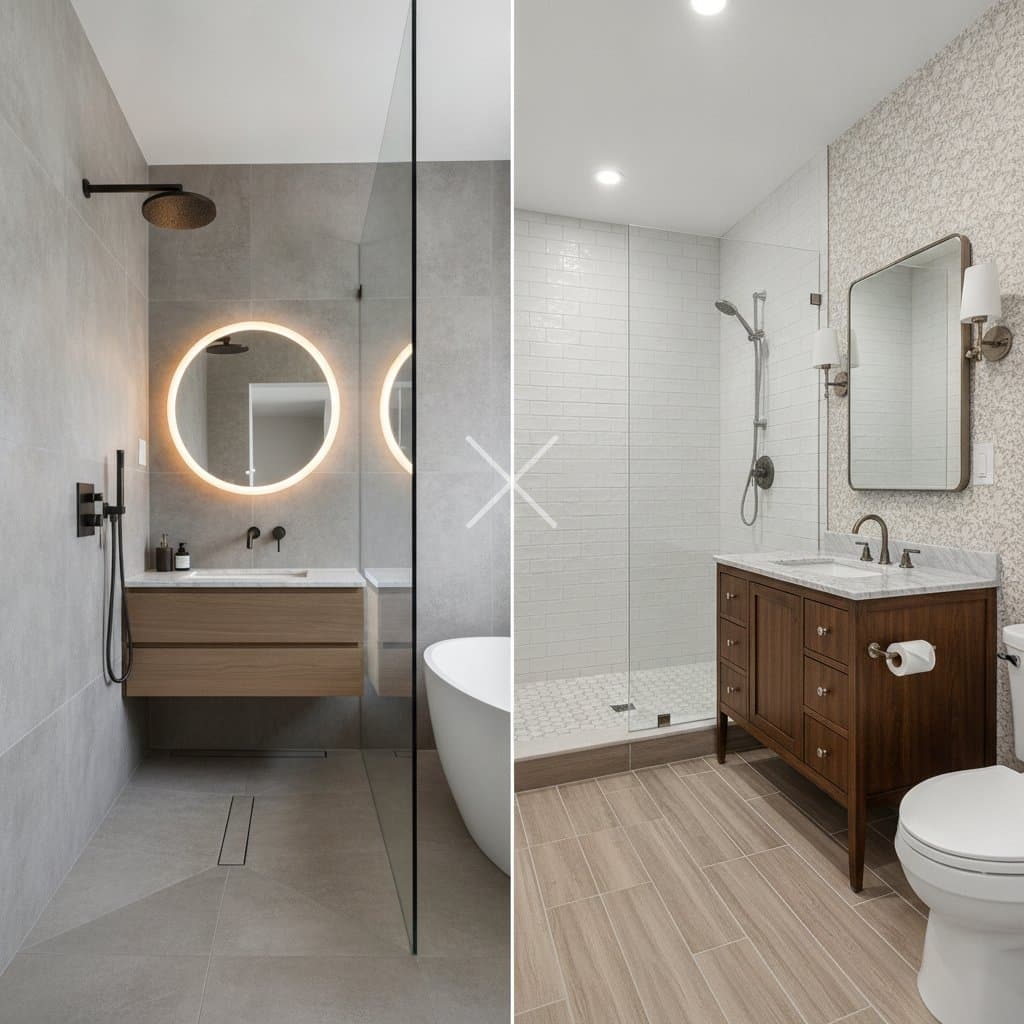
Curbless showers feature open layouts with gentle slopes for drainage. Conversion expenses range from $5,000 to $15,000, including waterproofing, tiling with textured surfaces, and plumbing reconfiguration.
Grab bars installed near toilets and showers offer essential support. Professional fitting, with reinforced wall anchors, costs $300 to $900 per unit.
Handheld showerheads with adjustable heights promote independence in bathing. Pairing this with comfort-height toilets (17 to 19 inches) and lever-style faucets adds $400 to $1,200 total, minimizing strain on joints.
3. Kitchen Adjustments for Functional Accessibility
Varied counter heights accommodate standing and seated tasks. Adding a 34-inch lowered section alongside standard 36-inch surfaces costs $2,500 to $6,000, incorporating durable laminates or quartz.
Pull-out shelves and lazy Susans in cabinets ease access to stored items. Retrofitting existing units runs $500 to $2,000 per kitchen zone, enhancing organization without full replacements.
Accessible appliances include wall ovens with side-hinged doors and microwaves mounted at counter level. Upgrading these elements totals $1,000 to $5,000, factoring in energy-efficient models and installation.
4. Interior Circulation: Doorways, Flooring, and Illumination
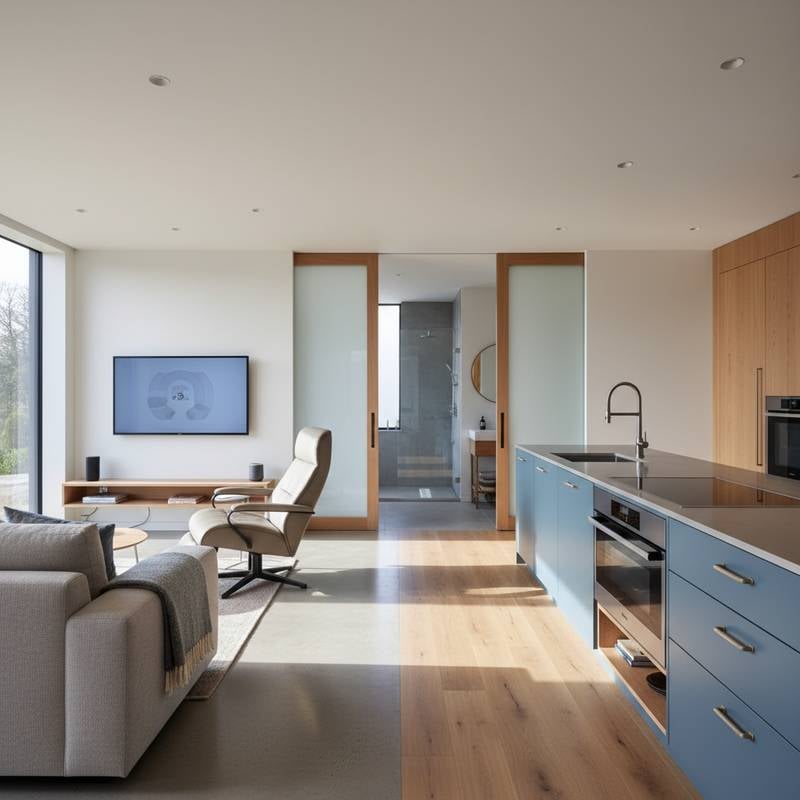
Widening doorways to 36 inches or more supports mobility aids. Each modification, involving framing and hardware updates, costs $800 to $3,000.
Selecting flooring materials prioritizes traction and forgiveness underfoot. Options such as luxury vinyl plank or cork tile, installed room-wide, range from $3,000 to $8,000 for 500 square feet, avoiding high-pile carpets that impede movement.
Layered lighting systems include dimmable overhead fixtures, under-cabinet task lights, and path-guiding strips. Comprehensive setups cost $500 to $4,000, requiring electrical upgrades for even distribution.
5. Integrating Smart Home Technologies
Voice-controlled systems for lights and climate adjust environments hands-free. Individual hubs and compatible bulbs start at $150 to $400, with whole-home integration reaching $1,000 to $3,000.
Security enhancements like video doorbells and automated locks monitor access remotely. Basic packages cost $200 to $800, while advanced networks with cameras and sensors extend to $2,000 to $5,000.
These technologies pair seamlessly with universal design, offering alerts for unusual activity and simplifying routine controls.
Prioritizing and Executing Your Plan
Assess your home by mapping high-traffic zones and potential hazards. Consult local accessibility guidelines to ensure compliance. Begin with entry and bathroom priorities, as they yield the greatest safety gains.
Select contractors certified in aging-in-place renovations through organizations like the National Association of Home Builders. Request detailed quotes outlining materials, timelines, and warranties.
Universal design investments yield returns through preserved independence and avoided crisis responses. These modifications transform a house into a resilient sanctuary, supporting vitality across decades.