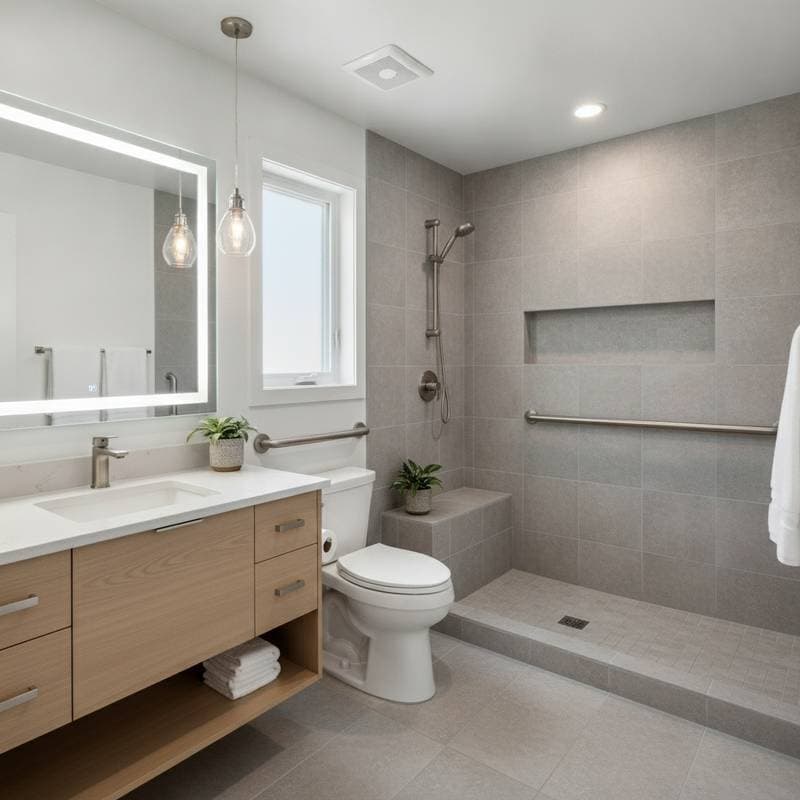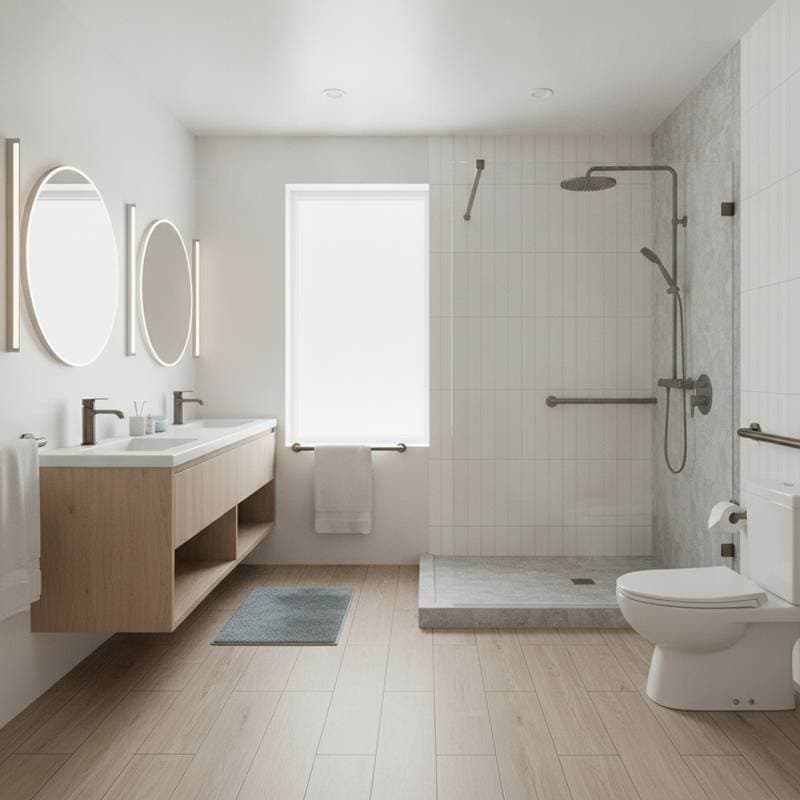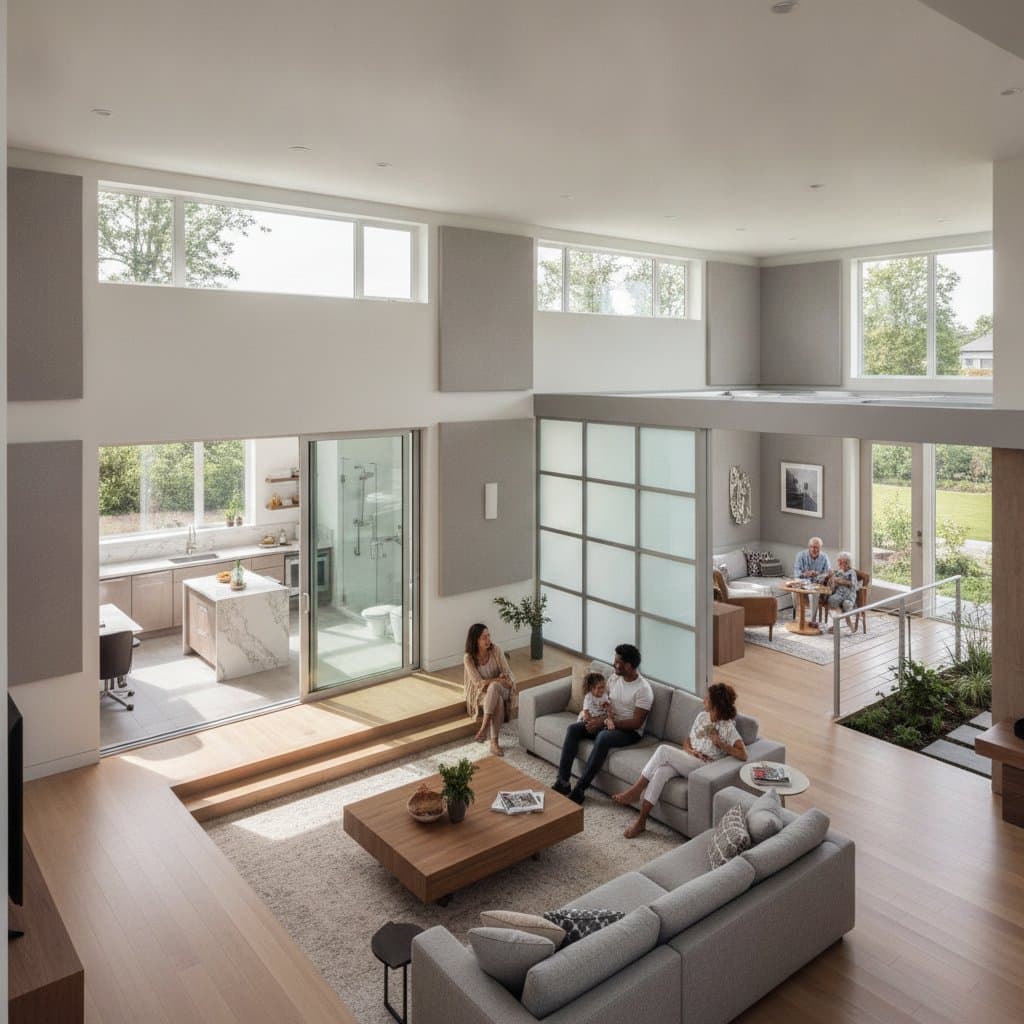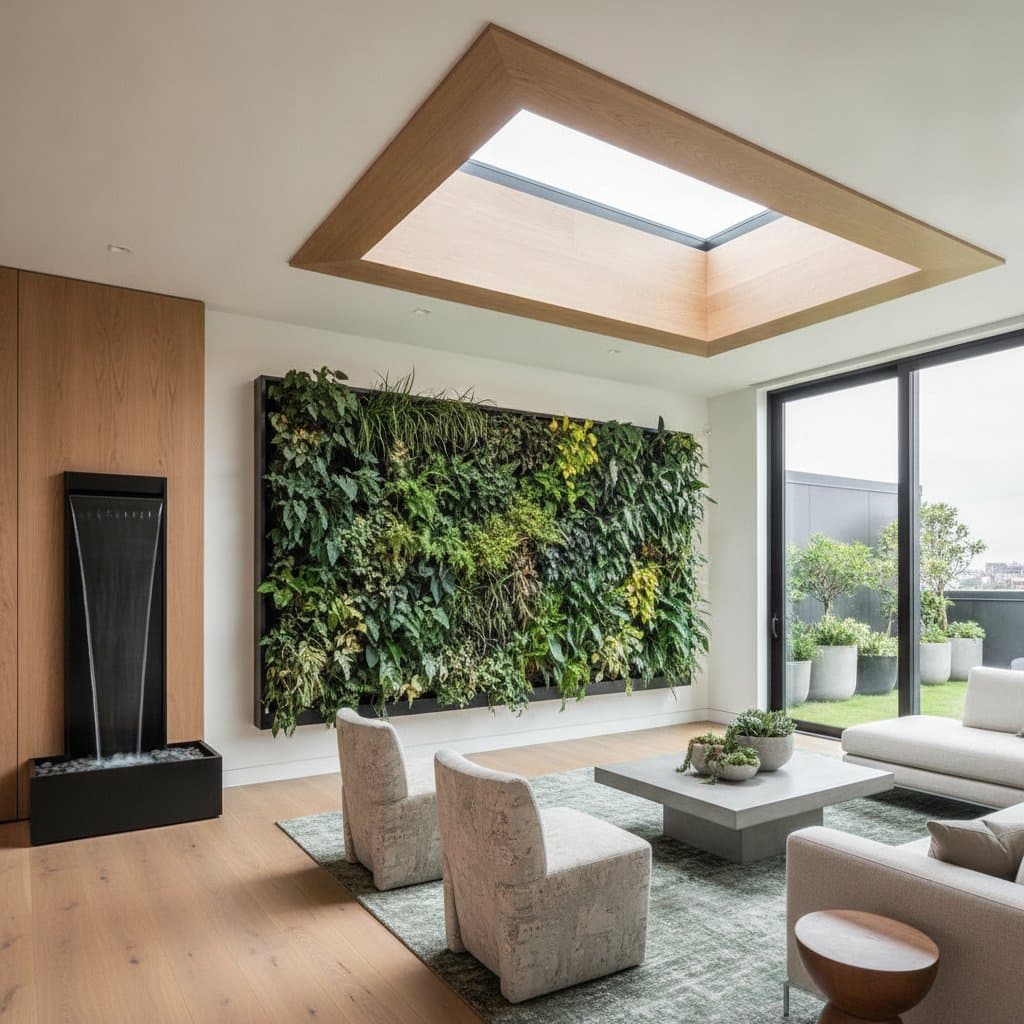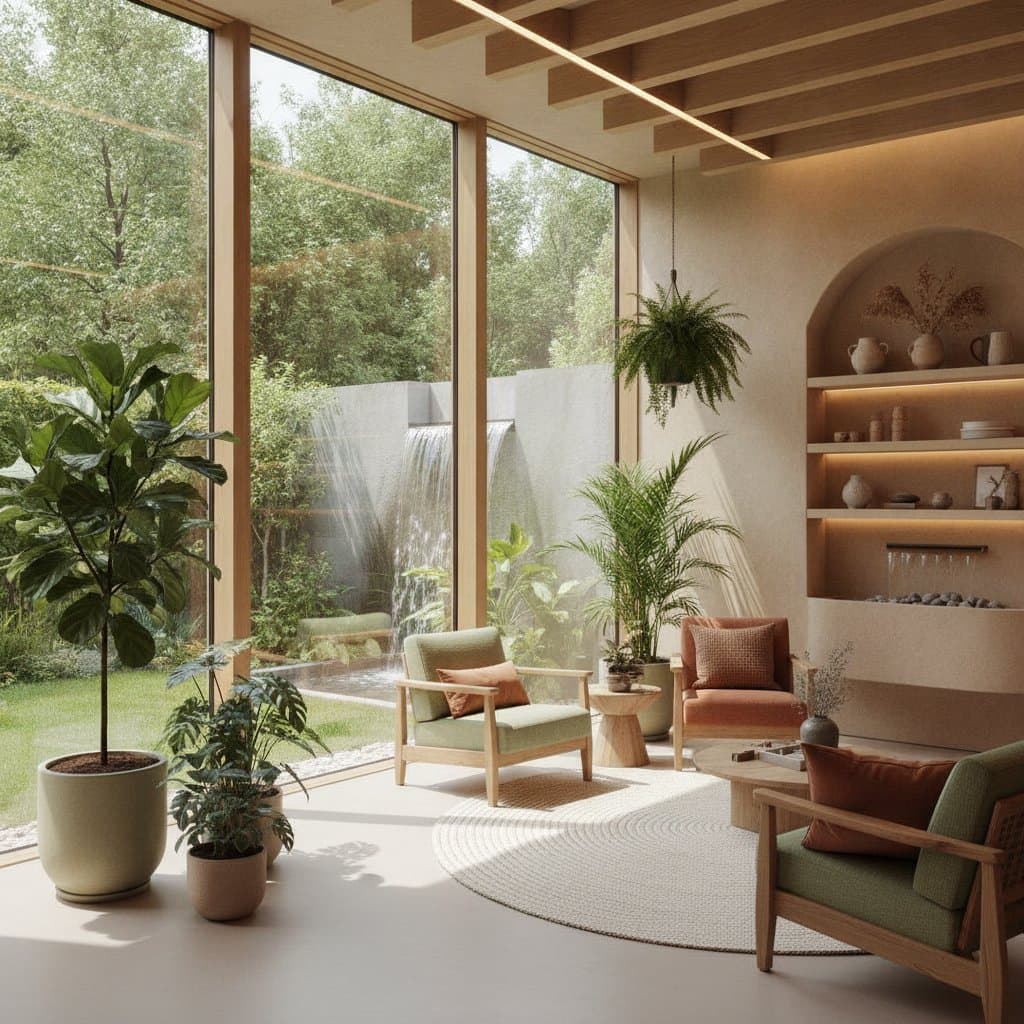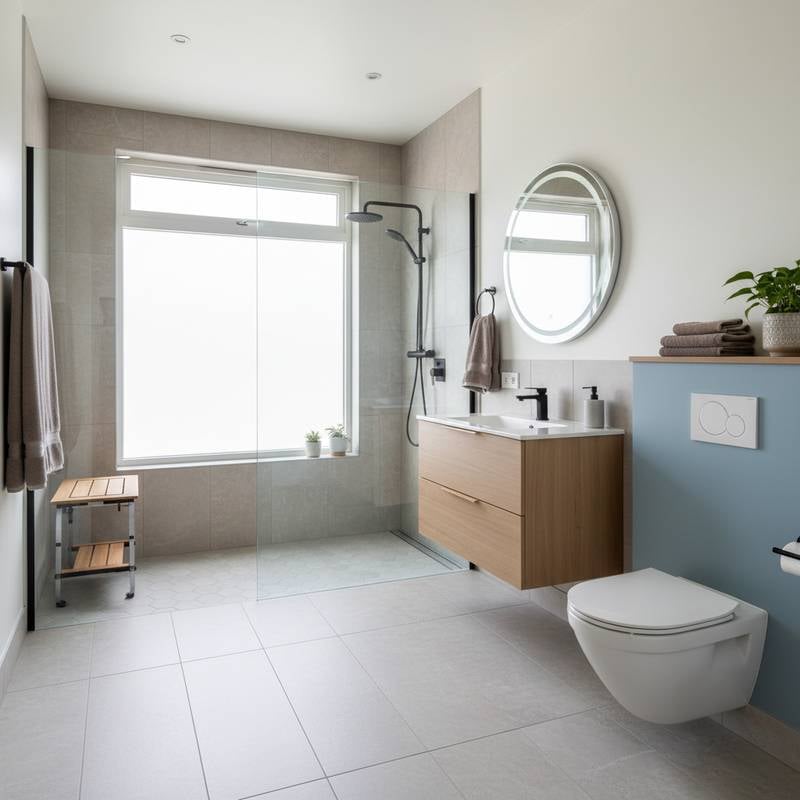
Incorporate textured flooring that drains efficiently. Position controls within easy reach from seated positions. These upgrades reduce slip and fall incidents significantly.
Step 6: Optimize Kitchen Layout and Features
Adjust select countertops to 34 inches high for wheelchair access. Integrate pull-out cabinets and lazy Susans for effortless retrieval. Place ovens and refrigerators with controls at the front and doors opening to the side.
Design for a 5-foot turning radius in key areas. Avoid corner sinks that block pathways. Such configurations support cooking and meal prep independently.
Step 7: Upgrade Lighting and Electrical Elements
Install layered lighting with task-specific fixtures under cabinets and along paths. Mount switches at 42 inches and outlets at 15 to 48 inches from the floor. Incorporate automatic sensors to illuminate spaces without manual effort.
Eliminate glare through diffused bulbs and shades. This setup enhances visibility and prevents accidents in low-light conditions.
Step 8: Select Appropriate Flooring Solutions
Choose firm, low-pile materials with high traction coefficients. Eliminate changes in level exceeding half an inch, using beveled ramps for any transitions. Opt for seamless surfaces that roll smoothly for mobility devices.
Regular maintenance preserves grip over time. Consistent flooring promotes confidence in navigation.
Step 9: Perform Final Safety Validation
Test all installations under simulated use conditions. Ensure grab bars support 250 pounds without shifting. Measure clearances and slopes against accessibility benchmarks.
Engage a third party for objective review if possible. This verification confirms the remodel meets intended goals.
Essential Safety Precautions During Modifications
Wear stable footwear to guard against falls on construction sites. Deactivate electrical circuits before handling wiring. Employ protective gear including gloves and eye shields for cutting tasks.
Maintain clear walkways free of obstacles. Anchor all support elements into solid framing. These measures protect workers and future occupants alike.
Addressing Common Installation Challenges
If grab bars wobble, dismantle and refasten them to wall studs using toggle bolts rated for heavy loads. For shower drainage issues, adjust the subfloor pitch to direct water flow. Dim lighting persists? Layer fixtures or upgrade to higher-lumen LEDs.
Routine checks catch problems early. Document resolutions for reference in similar future projects.
Final Validation Points:
- Door widths at 36 inches minimum
- Floors with proven non-slip properties
- Thresholds no taller than half an inch
- Controls accessible from multiple positions
Post-Project Care and Longevity
Examine supports and surfaces biannually for wear. Reapply sealants around wet areas promptly. Wipe down traction features to sustain effectiveness.
Durable components like reinforced bars endure 10 to 20 years. Energy-efficient LEDs offer extended service with basic upkeep. Proactive care extends the remodel's benefits.
Indicators for Professional Involvement
Seek experts when projects involve load-bearing alterations, utility systems, or permit needs. Multi-trade coordination benefits from contractor oversight. Specialized installations like platform lifts require certified installers.
Typical Professional Expenses:
- Accessible bathroom overhaul: $15,000 to $30,000
- Universal kitchen reconfiguration: $20,000 to $40,000
- Full-home accessibility integration: $40,000 to $100,000
Hiring Criteria:
- Active licensing and liability coverage
- Material and workmanship guarantees
- Client testimonials and portfolio review
- Detailed agreements on deliverables and schedules
Strategies for Effective Implementation
Initiate with accessible tweaks like handle replacements for quick wins. Anticipate evolving requirements through scalable planning. Inquire about designers' credentials in inclusive practices.
Record modifications for property records or claims. These steps not only secure the present but equip the home for future independence, blending functionality with enduring appeal.