The Real Costs of 2026 Multigen Home Additions
Multigenerational living arrangements gain popularity as housing expenses rise and families prioritize closer connections. Homeowners often add a multigen suite or accessory dwelling unit to boost comfort, promote independence, and elevate property value. The total expense for such a project hinges on elements like design preferences, geographic location, material selections, and the extent of owner involvement in the work.
This guide provides a comprehensive overview to support informed planning, precise budgeting, and avoidance of unexpected expenses.
Understanding Multigenerational Additions
What Constitutes a Multigen Addition
A multigen addition, also known as an in-law suite, creates a self-contained living space for extended family members either attached to or separate from the primary residence. Common configurations include transforming a basement into a suite, converting a garage into an apartment, or constructing a new detached accessory dwelling unit. Essential features typically encompass a private bedroom, full bathroom, compact kitchen with basic appliances, and an independent entrance for privacy.
Reasons Homeowners Pursue These Additions
Homeowners select multigen additions for several practical benefits.
- Support for Family Members: The design enables aging parents or grown children to reside nearby while preserving personal boundaries.
- Economic Advantages: It diminishes reliance on separate housing arrangements or professional caregiving services.
- Enhanced Property Value: The expanded living area broadens functionality and attracts more buyers upon resale.
- Income Opportunities: In areas where regulations allow, owners can lease the unit to generate supplemental revenue.
DIY Versus Professional Construction Approaches
Scenarios Where DIY Proves Beneficial
Individuals with prior construction knowledge might manage non-complex tasks, including interior painting, installation of flooring materials, or removal of non-load-bearing walls. Such involvement typically lowers overall expenses by 10 to 20 percent through reduced labor fees. Homeowners should assess their skills carefully to ensure quality outcomes without compromising safety.
Circumstances Requiring Professional Expertise
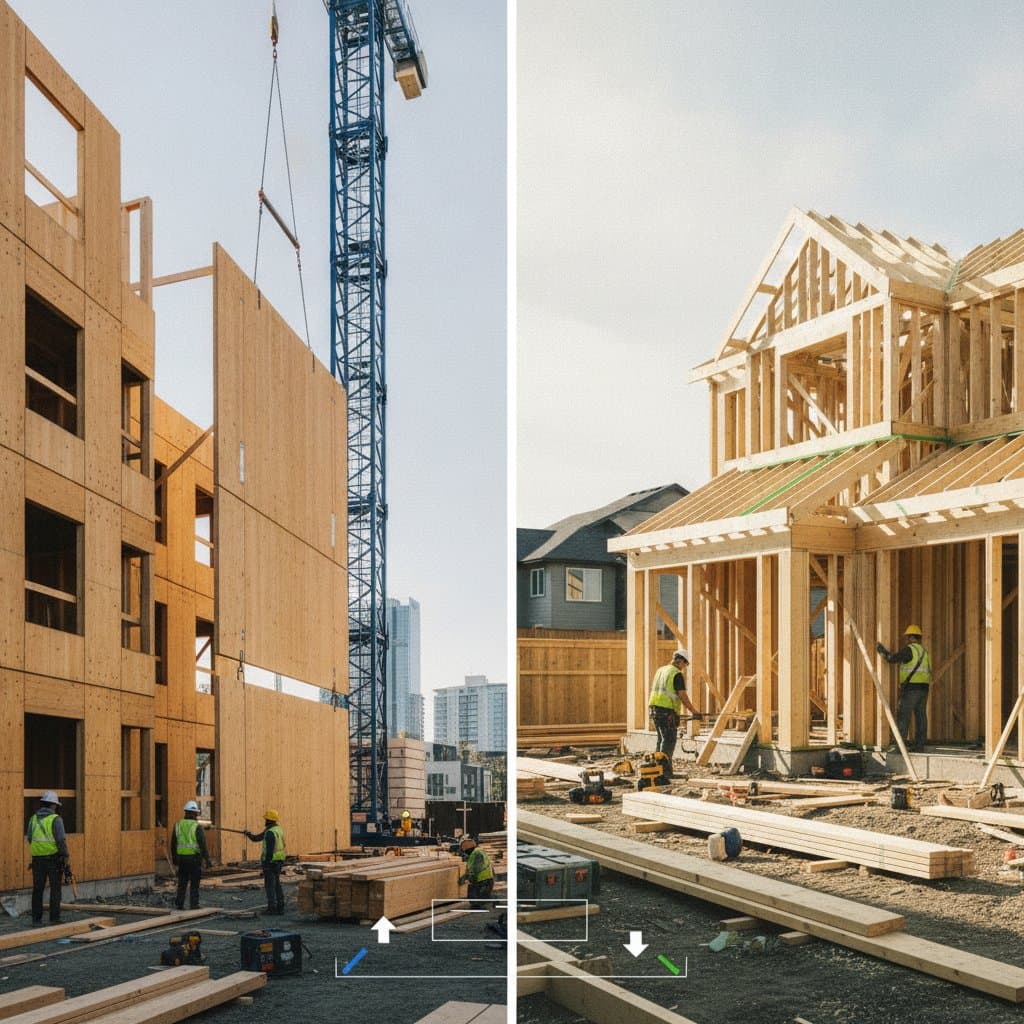
Engage a licensed contractor for any project involving structural modifications, plumbing installations, or electrical wiring. These elements demand adherence to local permits and rigorous inspections to comply with safety standards. Errors in these areas could result in project delays, failed approvals, or hazardous conditions.
Professionals coordinate timelines, oversee subcontractors, and handle regulatory requirements, which maintains efficiency and minimizes the need for expensive corrections.
Regional and Site-Specific Influences on Costs
Impact of Local Building Regulations
Municipal codes vary widely and may restrict the maximum size of accessory dwelling units or mandate extra parking spaces. These constraints shape the final design and can elevate expenses if adjustments become necessary. Consult zoning authorities early in the process to identify restrictions and avoid subsequent redesign efforts.
Adaptations for Climate Variations
Regions with harsh winters necessitate advanced insulation layers and high-efficiency heating systems to maintain warmth. In contrast, areas prone to high humidity require robust moisture barriers and enhanced ventilation to prevent mold growth. These adaptations influence both initial material purchases and ongoing energy expenditures.
Challenges Posed by Property Conditions
Sloped or irregular lots often demand extensive grading and foundation work, while tree clearance or restricted equipment access can increase site preparation costs by $10,000 to $30,000. Conduct a thorough site survey before budgeting to account for these variables accurately.
Estimated Costs for 2026 Multigen Additions
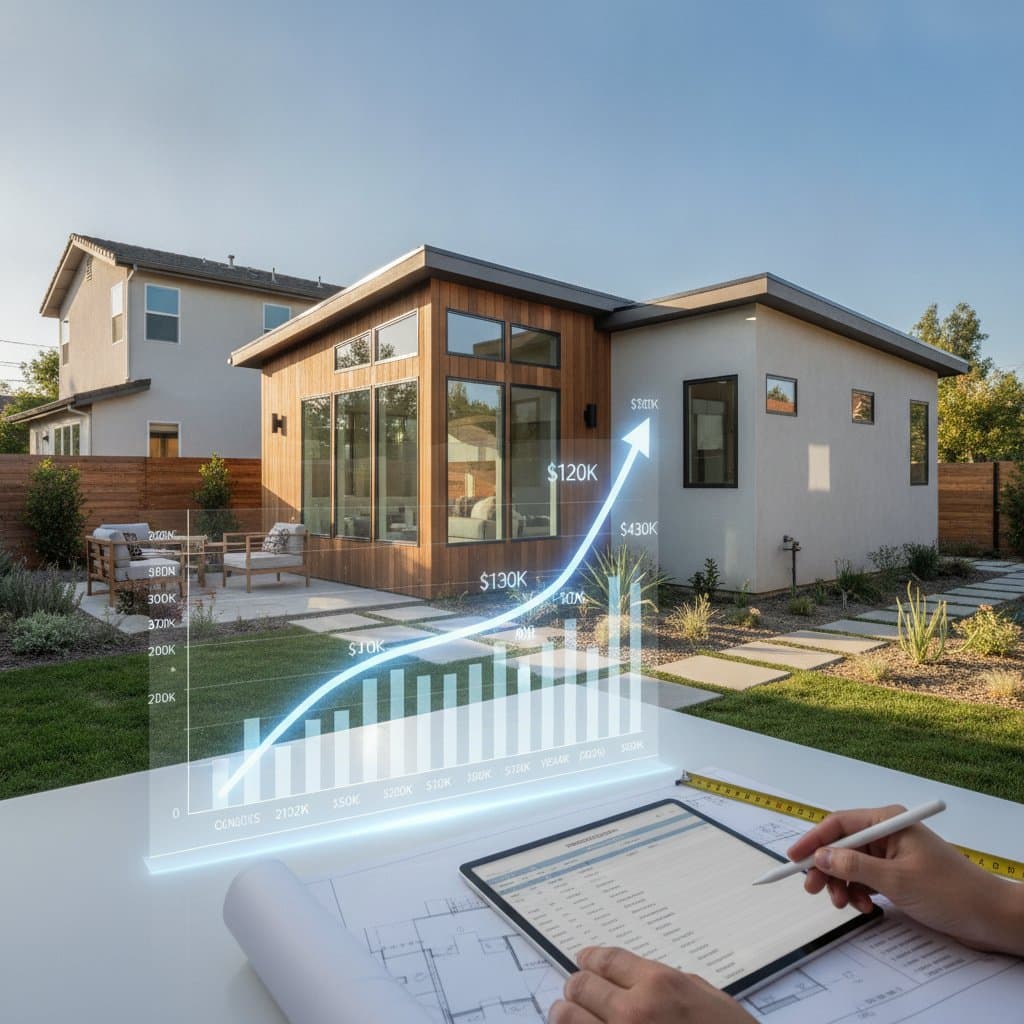
Projecting costs for 2026 accounts for anticipated inflation in labor and materials, estimated at 4 to 6 percent annually from current levels. Basic multigen additions, such as basement conversions, range from $75,000 to $150,000. More elaborate detached units may cost $200,000 to $400,000, depending on size and features.
Breakdowns include:
- Design and Permitting: $5,000 to $15,000 for architectural plans, engineering reviews, and regulatory approvals.
- Site Preparation and Foundation: $20,000 to $50,000, higher on challenging terrain.
- Construction Labor: 40 to 50 percent of the total budget, or $80,000 to $200,000 for a mid-sized project.
- Materials: $50,000 to $100,000, covering framing, roofing, plumbing, and finishes.
- Utilities and Systems: $15,000 to $30,000 for electrical, HVAC, and water connections.
These figures assume a 600 to 800 square foot unit; larger spaces scale accordingly.
Strategies to Control Expenses
Implement targeted approaches to optimize spending without sacrificing quality.
- Leverage Existing Structures: Repurpose a basement or attic to eliminate the need for new foundations, potentially saving $50,000 or more.
- Opt for Streamlined Designs: Choose simple rectangular layouts with shared utility lines to reduce plumbing and electrical runs by up to 25 percent.
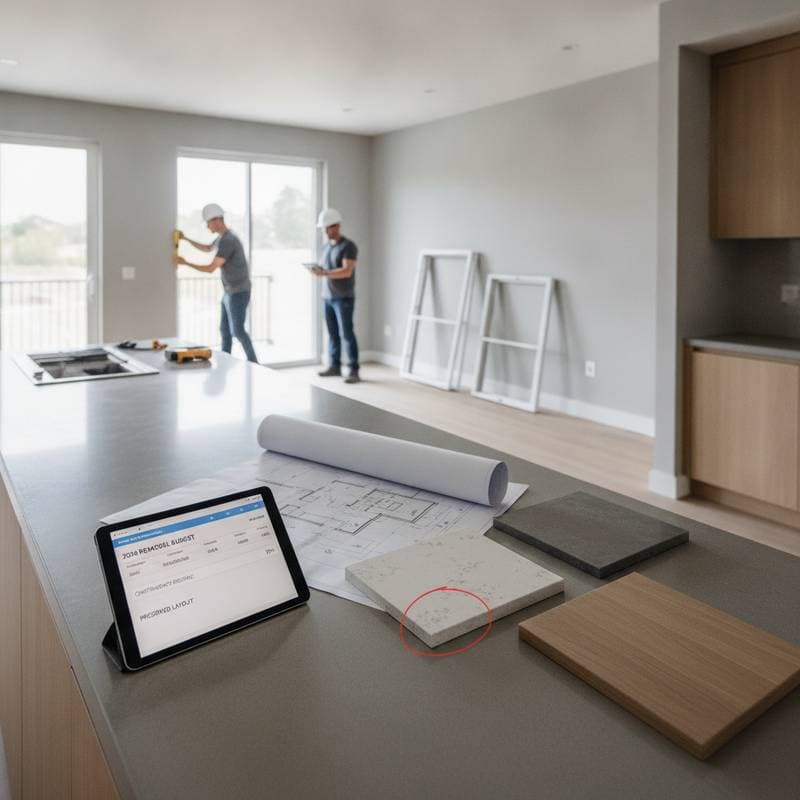
- Choose Cost-Effective Materials: Install durable options like luxury vinyl plank flooring at $3 to $5 per square foot, pre-fabricated cabinetry for $200 to $300 per linear foot, and engineered quartz countertops starting at $50 per square foot.
- Consolidate Professional Services: Hire a single general contractor to manage permits and inspections, avoiding duplicate administrative fees.
- Incorporate Energy-Saving Features: Equip the space with LED fixtures, on-demand water heaters, and ENERGY STAR-rated HVAC units to cut utility bills by 20 to 30 percent over time.
Ongoing Maintenance and Durability
Constructed with quality materials, a multigen addition endures alongside the primary home for decades. Establish a maintenance routine to sustain its condition.
- Refresh interior paint every five to seven years to maintain appearance and protect surfaces.
- Examine window seals and plumbing connections yearly to detect and address leaks promptly.
- Replace HVAC filters quarterly and schedule professional duct cleanings biennially for optimal air circulation.
- Evaluate roof integrity and exterior siding following severe weather events to prevent water damage.
Consistent upkeep ensures the space remains habitable and retains its financial worth.
Designing for Future Adaptability
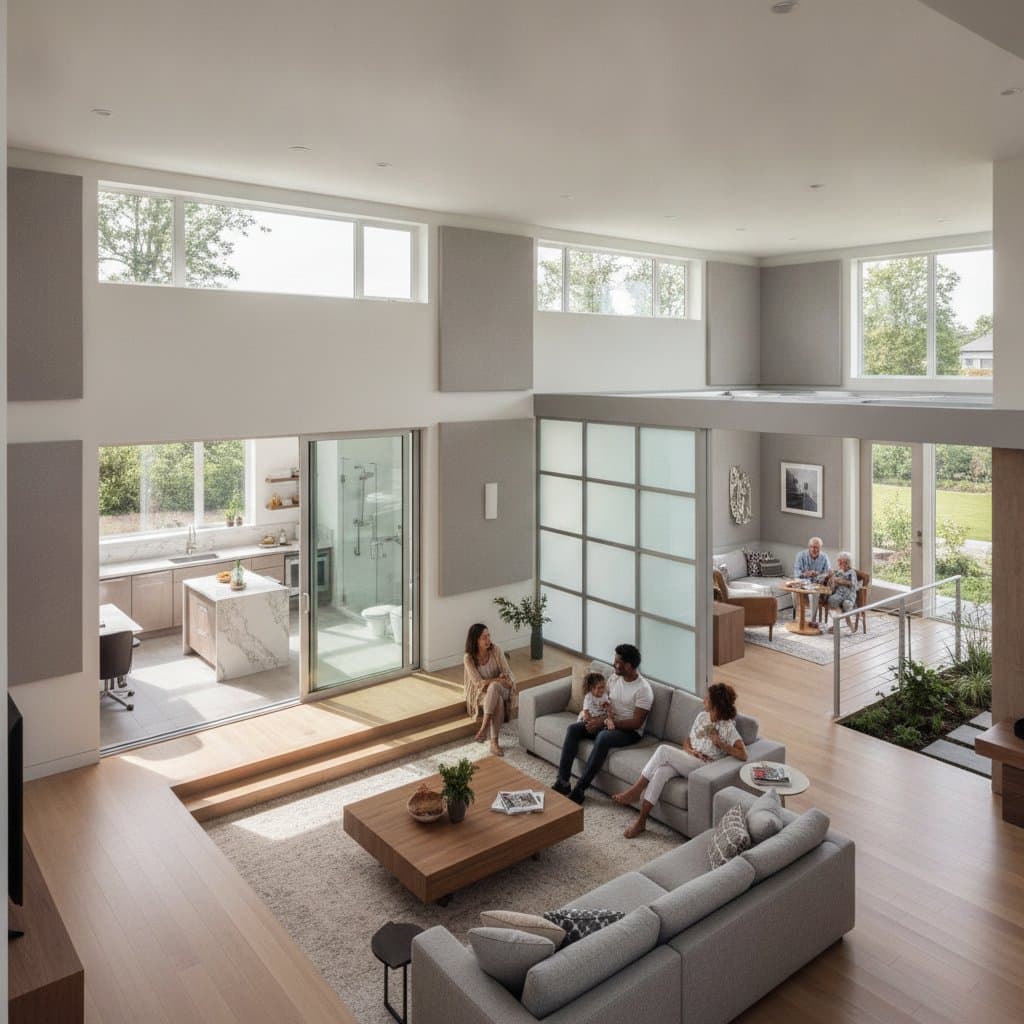
Anticipate evolving family dynamics when planning the layout. A current family suite could transition into a professional workspace, income-generating rental, or accommodating guest quarters.
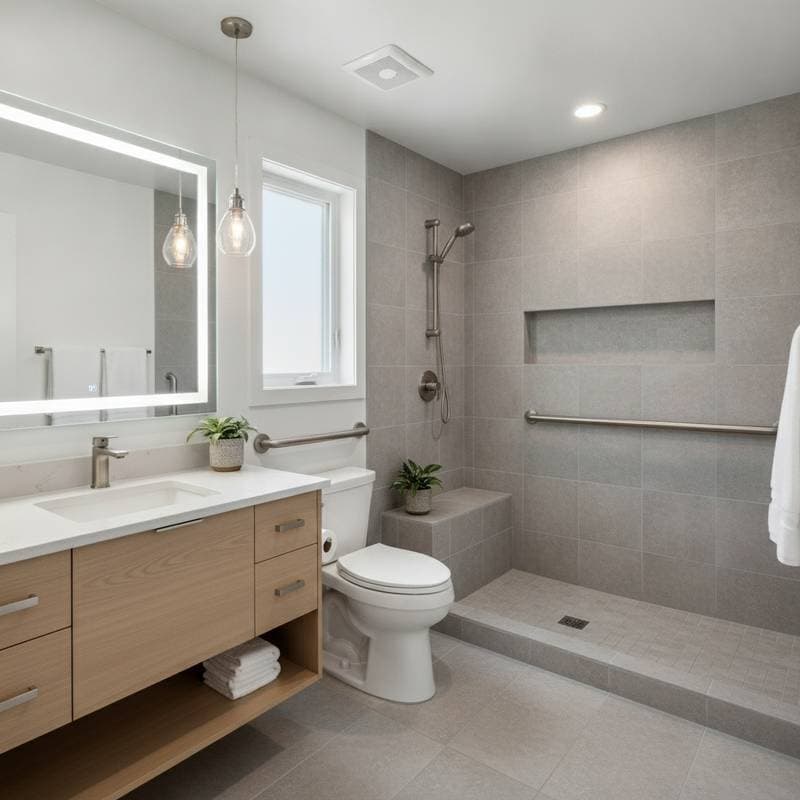
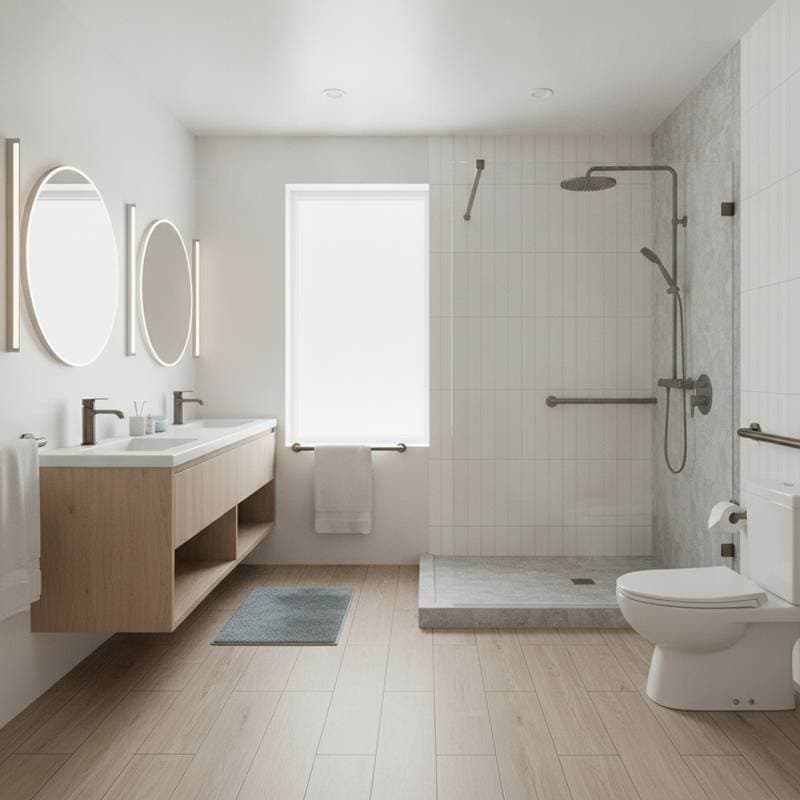
- Incorporate Universal Design Principles: Install zero-threshold entries and 36-inch-wide doorways to accommodate mobility aids and varying user needs.
- Build in Flexible Storage Solutions: Add modular shelving units or sliding room dividers that allow reconfiguration as requirements change.
- Select Timeless Aesthetic Choices: Use neutral palettes and enduring materials like hardwood accents to broaden appeal for resale or repurposing.
These forward-thinking elements enhance the addition's versatility and long-term return on investment.
Steps to Launch Your Project
Embark on a multigen addition by defining the intended occupants and duration of use. Obtain detailed proposals from at least three vetted contractors, ensuring each bid covers site work, permitting, and infrastructure integrations.
Allocate a 10 to 15 percent buffer in your budget for contingencies like unforeseen ground issues or supply chain disruptions. Explore financing alternatives, such as home equity loans or construction-specific credit, well in advance of approvals.
With precise designs, realistic financial projections, and expert oversight, the addition strengthens your home's market position and enriches family interactions. Strategic preparation guarantees a space that delivers sustained comfort, utility, and satisfaction.