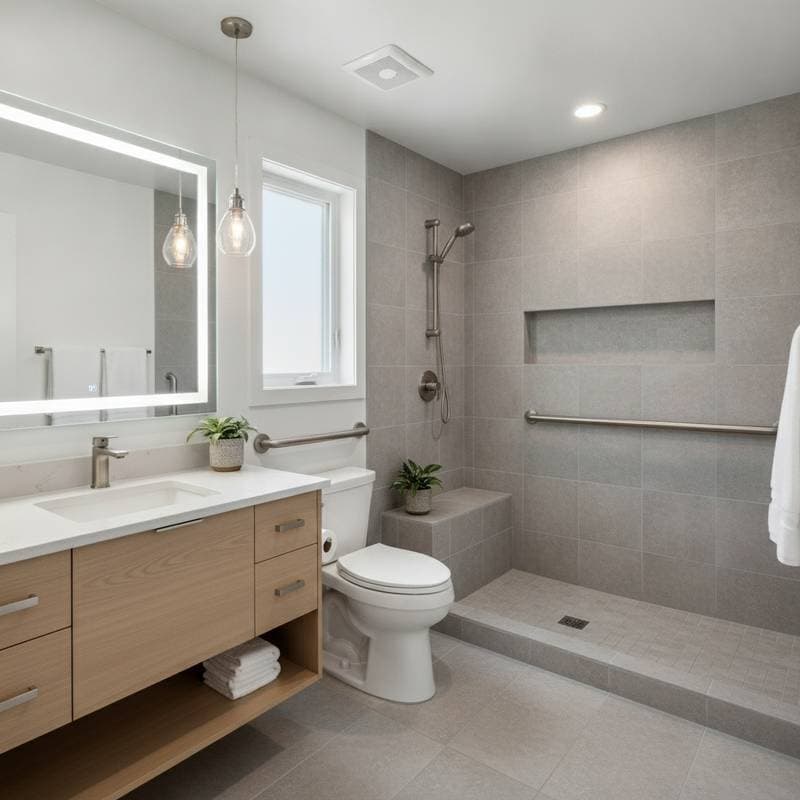
- Windows and doors: 20 to 30 years. Check seals regularly to prevent drafts and energy loss.
Consistent maintenance routines not only prolong the life of finishes and systems but also safeguard property value over time. Track schedules in a dedicated log to stay proactive.
When to Call a Professional
Certain aspects of prefab ADU installation demand the expertise of licensed professionals. These steps ensure adherence to building codes and prioritize occupant safety. Attempting complex tasks without qualifications can lead to structural failures or legal complications.
Situations Requiring Contractor or Specialist Involvement
- Soil stability or drainage raises concerns. Professionals assess ground conditions to prevent foundation shifts.
- New electrical service or main panel upgrades become necessary. Electricians handle wiring to meet safety standards.
- Slope corrections or retaining walls prove essential. Engineers design solutions for uneven terrain.
- Local authorities mandate stamped engineering drawings. Certified experts provide documentation for approval.
- Rental intentions require occupancy certification. Inspectors verify habitability for legal use.
Cost Ranges for Professional Services
- General contractor oversight: $10,000 to $25,000. This covers project management and coordination.
- Excavation and foundation work: $5,000 to $20,000. Costs vary based on soil type and site access.
- Plumbing and electrical connections: $8,000 to $15,000. Includes hookups to existing utilities.
- Architectural or engineering plans: $3,000 to $10,000. Tailored designs account for local regulations.
Contractor Selection Checklist
- Verify state license and insurance coverage to protect against liabilities.
- Request at least three references from comparable ADU projects for credibility checks.
- Review written estimates itemized by labor and materials for transparency.
- Confirm warranty terms for workmanship and materials to secure post-installation support.
- Ensure clear communication on schedule and payment milestones to align expectations.
Engaging seasoned professionals minimizes the risk of costly rework. They guarantee compliance with energy efficiency, structural integrity, and safety codes, delivering a reliable build.
FAQ
What is the average size of a prefab ADU?
Most prefab ADUs measure between 300 and 800 square feet, ideal for studios or one-bedroom setups. Certain jurisdictions permit units up to 1,200 square feet, provided the lot size supports it without violating setback rules.
Do I need a separate address or utility meter?
Requirements differ by location; some cities mandate separate meters for rental properties to track usage accurately. Others permit shared services for owner-occupied units. Consult your local building department for specific guidelines.
Can I install a prefab ADU on a sloped lot?
Installation remains feasible on sloped terrain, though it often involves additional grading, retaining walls, or pier foundations. These modifications enhance stability but elevate overall costs by 20 to 30 percent.
How long does permit approval take?
Permit review typically spans several weeks, influenced by departmental workload and application completeness. Submit detailed plans upfront to expedite the process and avoid delays.
Can I rent out my prefab ADU?
Long-term rentals find approval in many regions, but short-term options like Airbnb face restrictions in some areas. Examine local rental ordinances and zoning laws prior to marketing the space.
Pro Tips for Success
Begin your project with a thorough site survey to map utilities and property boundaries accurately. This step uncovers potential obstacles early. Maintain digital records of all permits, plans, and inspection reports for easy reference during future sales or audits.
Select a prefab manufacturer well-versed in your area's building codes to streamline approvals. Budget for supplementary features such as landscaping, decks, or privacy fencing, which enhance usability and aesthetics. Allocate a contingency fund equivalent to 10 percent of your total budget to address unforeseen site challenges like utility relocations.
Building Value Through Smart Planning
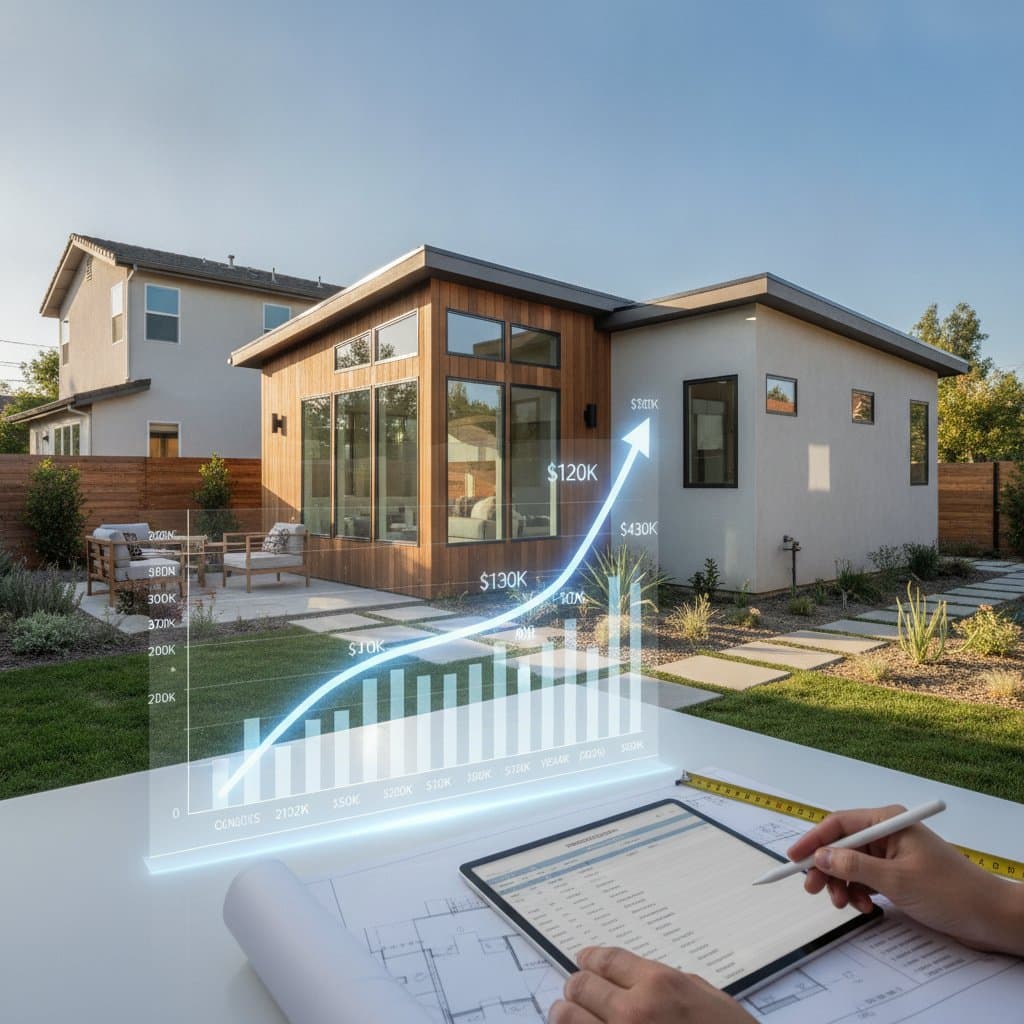
A thoughtfully executed prefab ADU delivers versatile living space and boosts long-term property equity. Prioritize precise budgeting, streamlined permitting, and high-quality installation to yield a resilient, energy-efficient addition that integrates seamlessly with your primary residence.