Understanding ADU Costs in 2026: Plan Your Backyard Addition Wisely
An Accessory Dwelling Unit (ADU) expands your property's utility and value. Homeowners pursue ADUs for rental income, guest accommodations, or family living spaces. Grasping construction expenses enables informed decisions that align with financial and lifestyle objectives.
This guide examines average costs, pricing determinants, and optimization techniques. Readers gain insights into professional involvement and frequent inquiries. The information equips you to navigate the process effectively.
Overview of Guide Topics
- Typical ADU building expenses
- Primary elements affecting total price
- Strategies for budget efficiency
- Guidance on engaging experts
- Essential queries on design and upkeep
ADU Types and Associated Expenses
ADU configurations vary by budget, site constraints, and intended use. Selecting the appropriate type balances initial investment with functionality and future benefits.
Detached Backyard Cottage
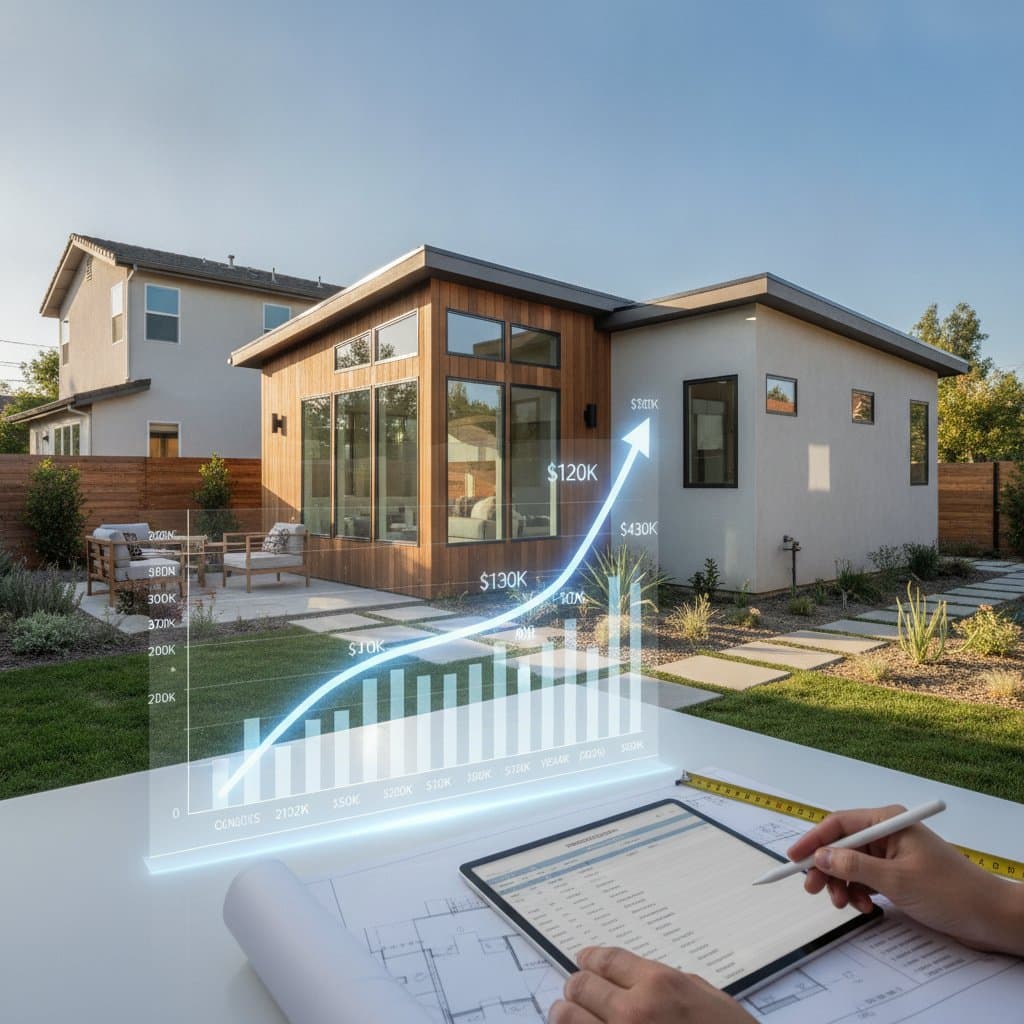
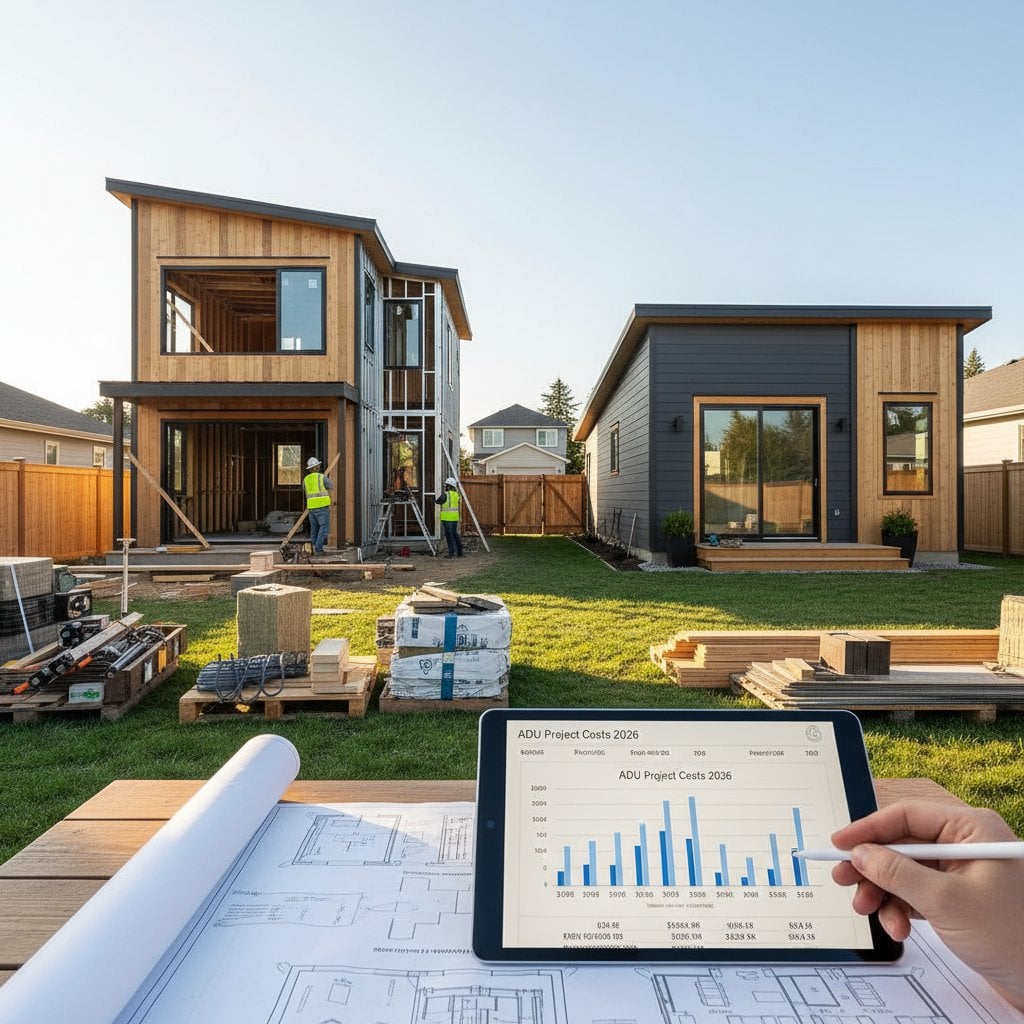
A detached cottage provides independence and customization options. Construction for units of 400 to 1,000 square feet ranges from $250,000 to $400,000. Expenses include independent foundations, utility installations, and exterior enclosures. Such ADUs often yield strong rental returns due to their standalone appeal.
Professionals handle all aspects, given requirements for structural integrity and regulatory compliance. Attempting DIY work risks safety issues and permit denials.
Garage Conversion
Transforming an existing garage offers an economical entry point, with costs between $120,000 and $200,000. Savings arise from utilizing the pre-existing structure, concentrating expenditures on insulation, electrical systems, plumbing, and interior detailing.
Certified specialists manage utility modifications to ensure code adherence. Homeowners may contribute to non-structural tasks, such as painting or flooring installation, under supervision.
Attached ADU or Basement Suite
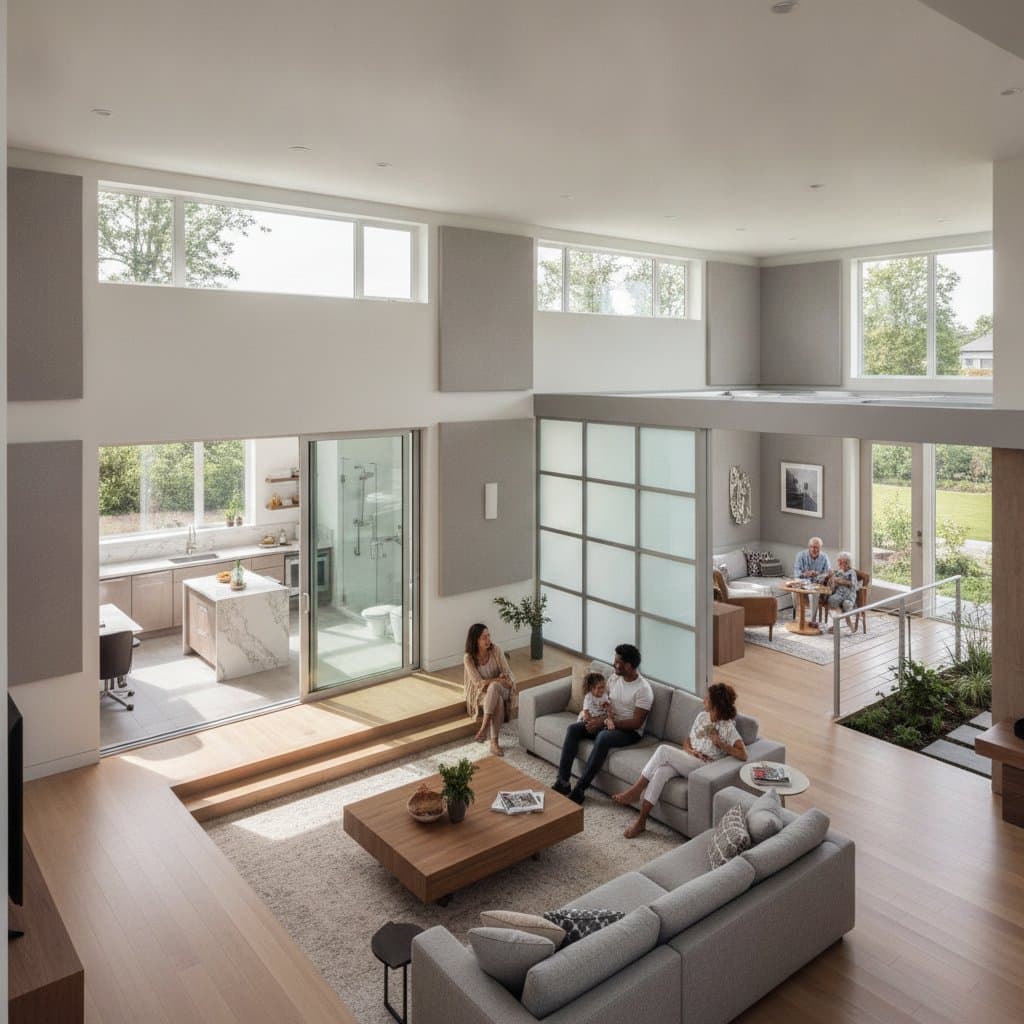
Attached units integrate with the primary residence, sharing walls and potentially utilities. Prices typically span $150,000 to $250,000, preserving yard space while enhancing overall square footage.
Professionals oversee critical elements like fire barriers and acoustic isolation. Simpler finishes allow limited owner participation, provided standards are met.
Strategies for Effective Budget Management
Strategic decisions during planning phase control expenses while upholding quality. Consider these approaches to optimize your investment.
- Adopt straightforward layouts, such as rectangular designs, to reduce framing and roofing materials.
- Position the ADU adjacent to current utilities, minimizing excavation for lines and connections.
- Select pre-approved architectural plans from local authorities, which expedite approvals and lower design costs.
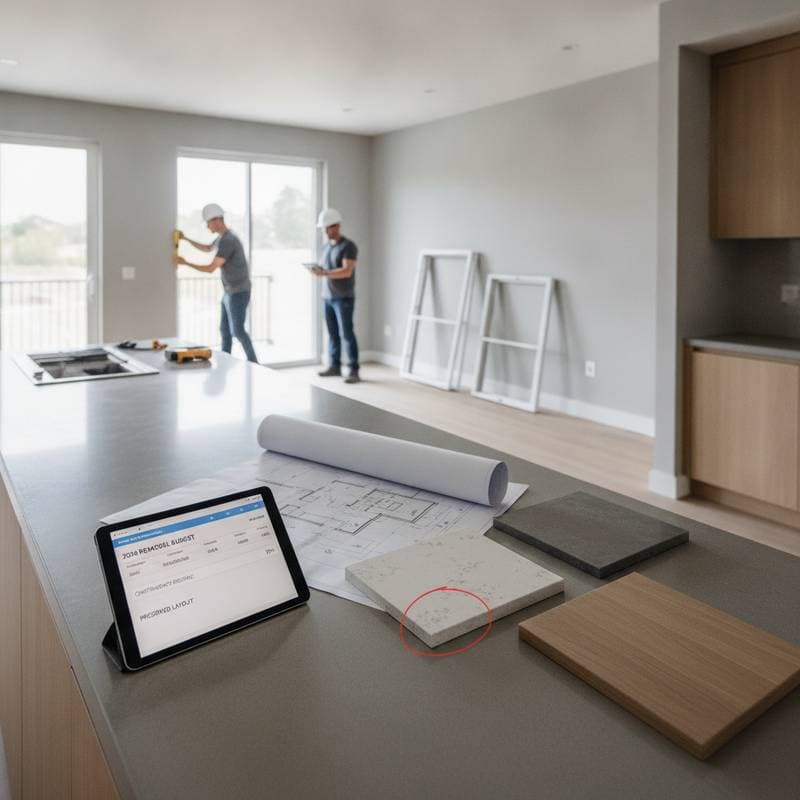
- Solicit bids from multiple contractors, ensuring each includes breakdowns of labor, materials, and timelines.
- Perform personal contributions on cosmetic elements, including painting, basic landscaping, and trim applications.
Early foresight avoids revisions that inflate budgets. Consult local regulations to identify incentives, such as tax credits for energy-efficient features.
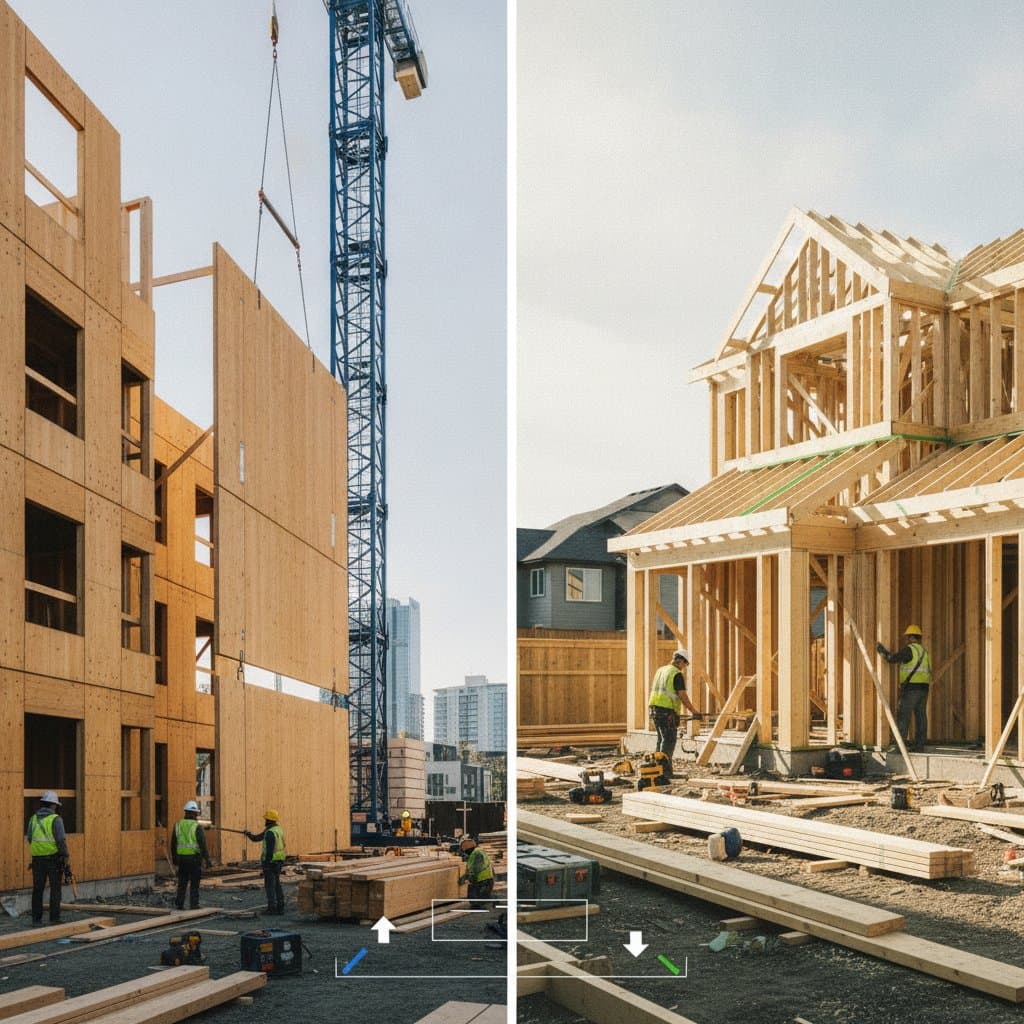
Material selections influence outlays significantly. For instance, standard vinyl siding costs less than premium fiber cement, yet both endure well. Energy-efficient windows and insulation add upfront expense but decrease long-term utility bills. Modular prefabricated components can shave 10 to 20 percent off traditional site-built prices by streamlining assembly.
Upkeep Requirements and Durability
Post-construction maintenance preserves the ADU's condition and value. Annual evaluations of roofing, exterior siding, and sealants prevent water damage. Quarterly tasks include gutter clearing, smoke alarm testing, and HVAC filter replacements.
For rental purposes, conduct comprehensive inspections prior to tenant occupancy, covering electrical systems and appliances. Proper care extends the unit's lifespan to match the main home, often exceeding 50 years.
Budget for ongoing costs, such as $500 to $1,000 yearly for routine servicing. Neglect leads to repairs that erode financial gains from the addition.
Frequently Asked Questions on ADU Expenses
What timeline applies to ADU construction?
Projects span six to twelve months, influenced by permitting delays and seasonal factors. Streamlined designs accelerate completion.
Are independent utilities necessary for an ADU?
Connections to main systems suffice in many cases, though separate metering eases rental management and billing.
How can one finance an ADU build?
Options include home equity loans, specialized construction financing, and municipal grants. Assess eligibility for programs supporting affordable housing.
Which permits does an ADU require?
Standard approvals cover building structure, electrical, plumbing, and zoning compliance. Builders coordinate submissions to avoid setbacks.
Does an ADU affect property taxes?
The addition increases assessed value, potentially raising taxes by 5 to 15 percent. Rental revenue or appreciation typically compensates.
How do location and regulations impact costs?
Urban areas with stringent codes elevate prices through higher labor and material fees. Rural settings may offer lower rates but longer supply chains.
Steps to Initiate Your ADU Project
Embarking on an ADU enhances property versatility and equity. Establish a feasible budget, assess zoning restrictions, and clarify the unit's role in your plans.
Engage architects or builders early for feasibility studies. Detailed blueprints and cost projections guide realistic expectations. A thoughtfully executed ADU delivers enduring benefits, from family support to income generation, while elevating your home's market position.