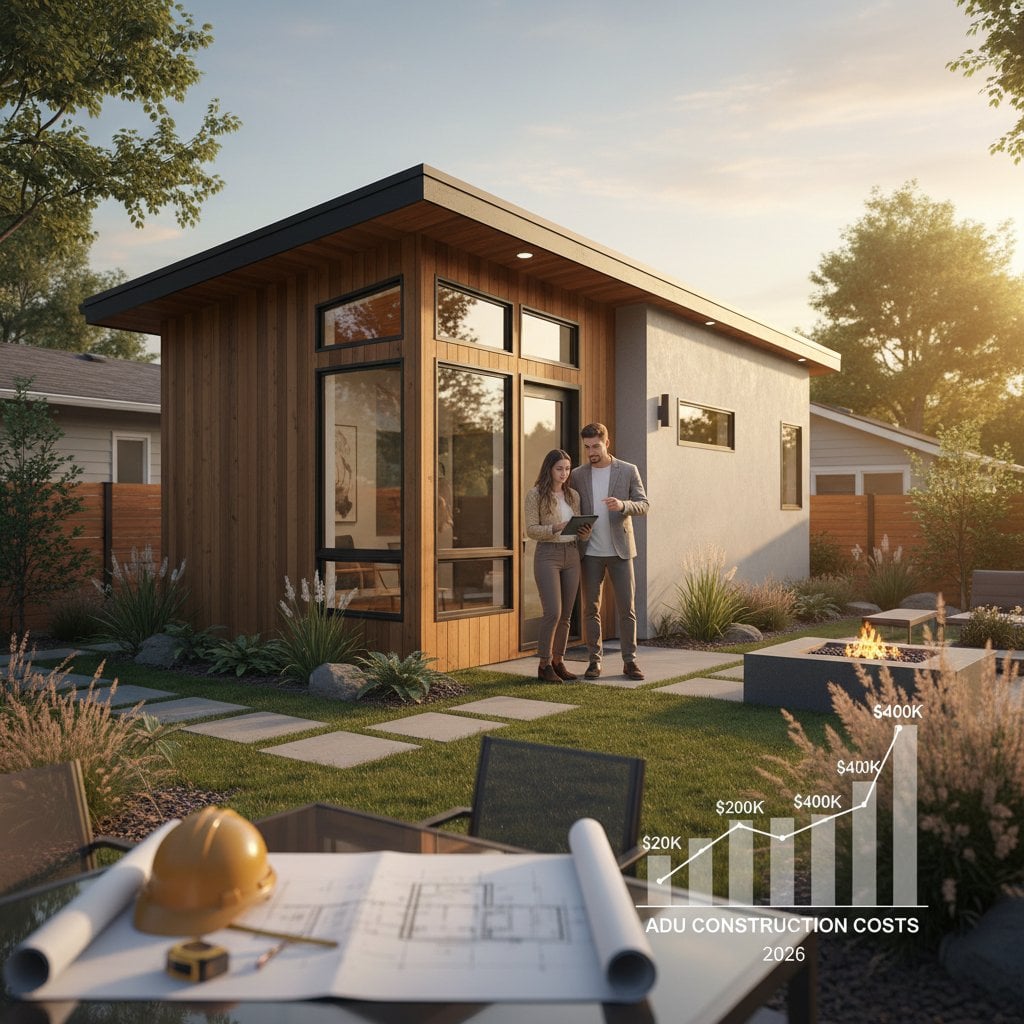
Realistic 2026 Prices for Building ADUs and Granny Flats
Adding an accessory dwelling unit expands property value, generates rental income, and supplies flexible living space. Whether the project involves a granny flat, backyard cottage, or in-law suite, accurate cost knowledge supports confident planning. This guide presents current construction trends, price ranges, and budgeting expectations for an ADU project.
What This Guide Covers
- Average construction costs by ADU type
- Key factors that raise or lower total price
- Professional versus owner-builder considerations
- Return on investment and long-term value
- Strategies to control expenses
- Contractor selection guidance and frequent questions
What Drives ADU Costs
Several factors determine project expenses. Understanding these elements early supports realistic planning.
Size and Layout
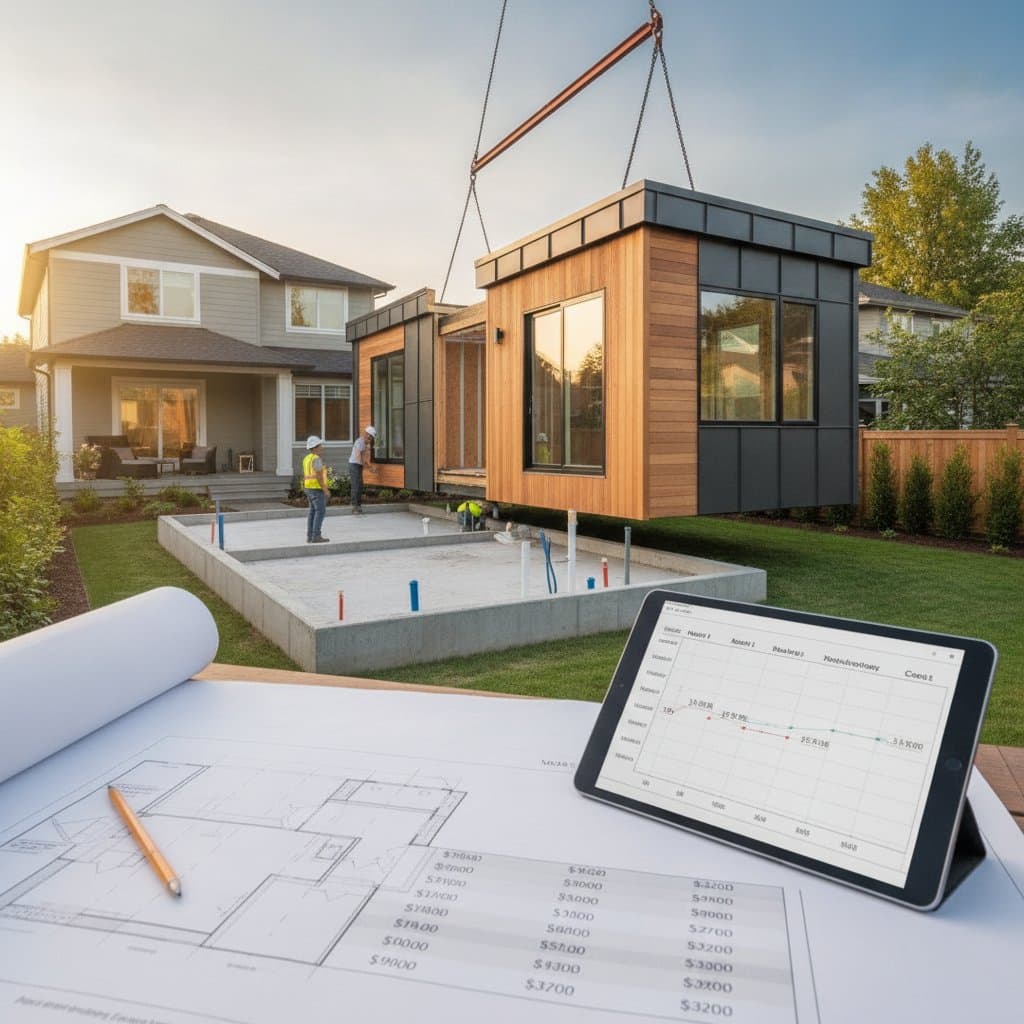
A larger footprint requires additional materials, labor, and utility connections. A compact 400-square-foot studio often costs less in total yet more per square foot than an 800-square-foot two-bedroom unit because fixed expenses such as permits and site preparation remain constant.
Site Preparation
Sloped lots, unstable soil, or restricted vehicle access raise excavation and foundation expenses. Flat, accessible sites reduce these costs and simplify scheduling.
Materials and Finishes
Mid-range materials produce predictable budgets. Upgraded cabinetry, tile, and energy-efficient windows improve comfort and reduce operating costs over time. Many owners combine standard selections with select premium features to maintain both style and fiscal control.
Utility Connections
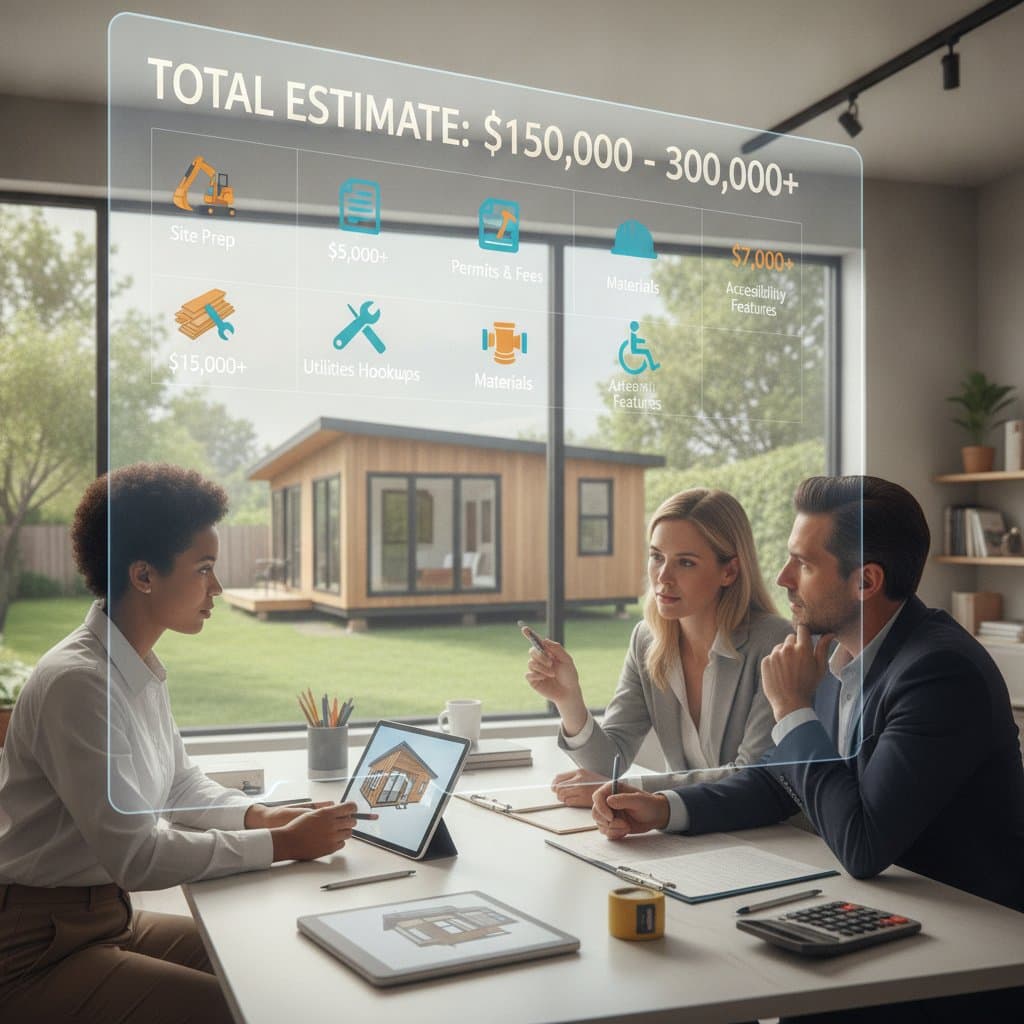
Water, sewer, and electrical hookups typically add between 15000 and 40000 dollars depending on distance from the primary residence and local regulations. When existing systems lack sufficient capacity, upgrades become necessary before construction begins.
Design and Permitting
Architectural design fees represent 8 to 15 percent of total construction cost. Permitting and impact fees commonly range from 5000 to 20000 dollars. Certain municipalities reduce fees or accelerate approvals for ADU projects, which improves overall project economics.
Expected Return on Investment
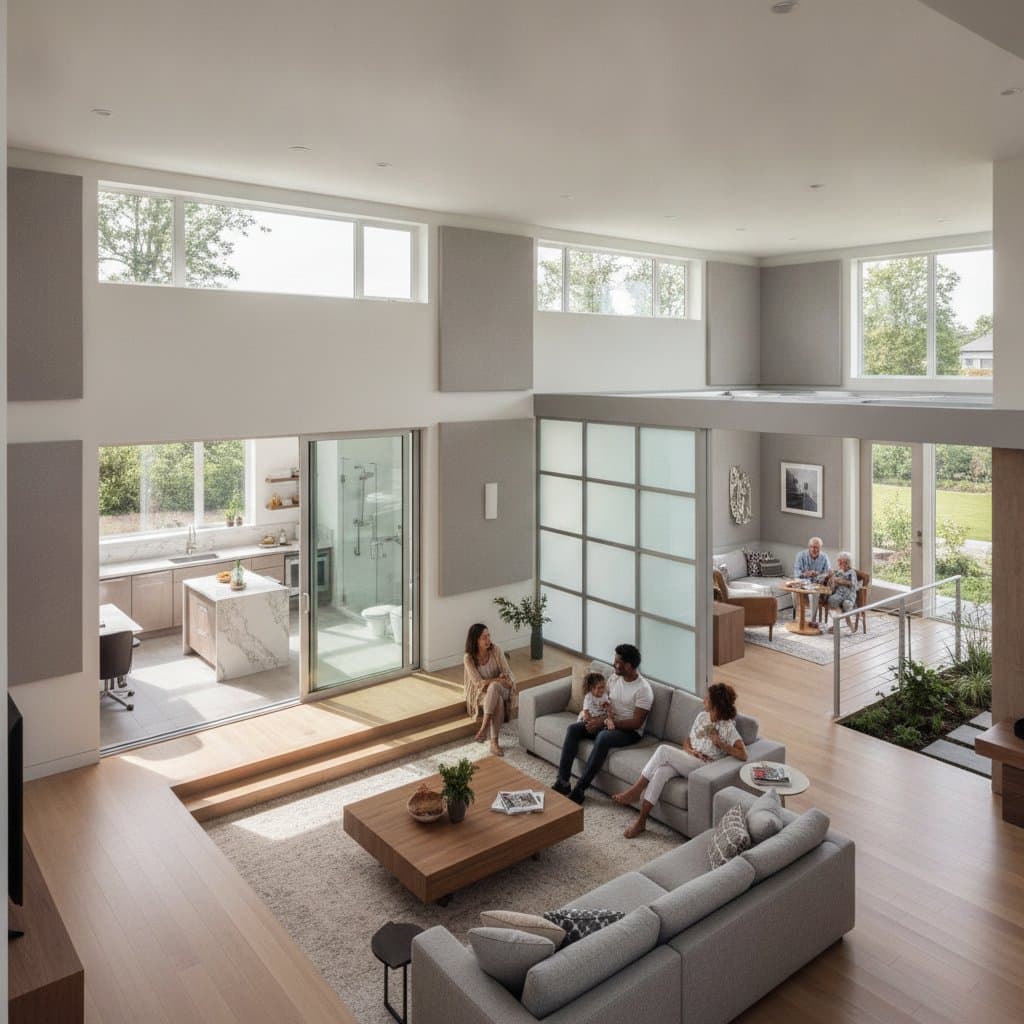
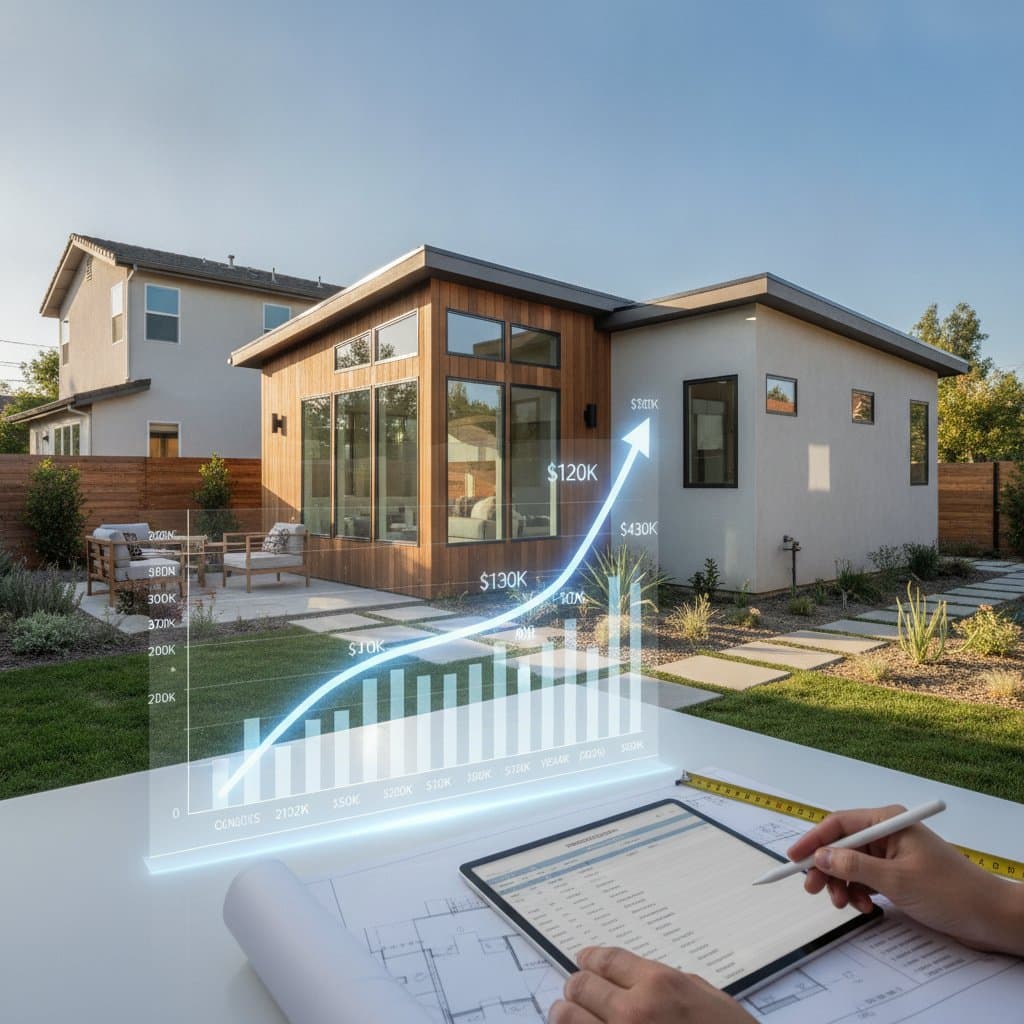
An ADU increases property value by 20 to 30 percent in many markets. Rental income further strengthens long-term returns. Detached units generally command the highest rents, while interior conversions provide lower upfront costs and faster payback periods. Owners planning to age in place can treat the unit as both an investment and a future residence.
Regional and Material Considerations
Local climate and building codes shape design requirements and final costs. Areas with heavy rainfall require enhanced drainage and waterproofing details. Hot climates benefit from reflective roofing and strategic shading. Material availability influences pricing, and selecting locally sourced lumber or concrete shortens lead times while supporting accurate cost projections.
When to Hire a Professional
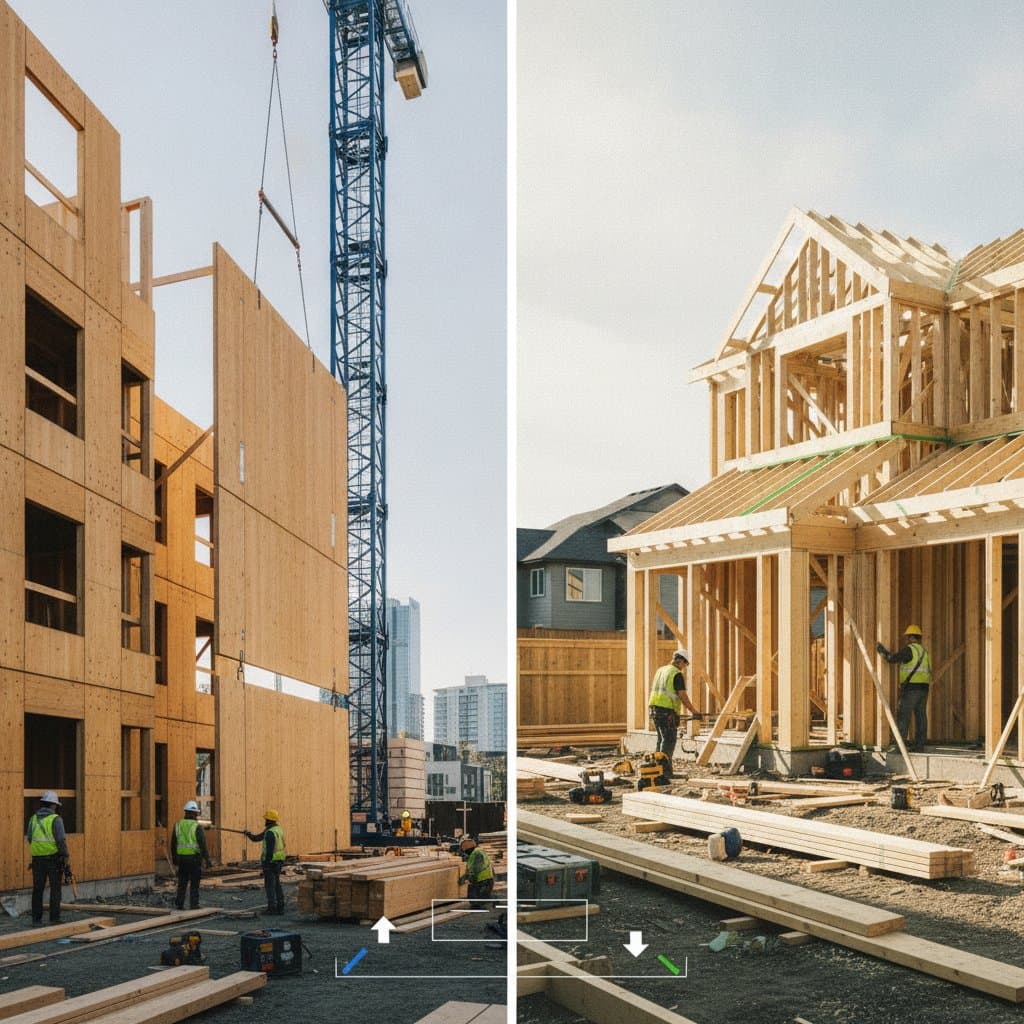
ADU projects involve multiple trades and regulatory requirements. Engage a licensed contractor when structural or foundation work is required, when electrical or plumbing systems must be added or relocated, or when new utility connections are necessary. Local codes that mandate engineer-stamped drawings also signal the need for professional involvement.
Review licensing, insurance coverage, and recent references before signing any agreement. A detailed written contract should specify total cost, project timeline, and payment schedule. Consistent communication throughout construction minimizes misunderstandings and schedule disruptions.
Common Questions About ADU Costs
What affects ADU permit costs the most?
Local impact fees and utility connection charges usually constitute the largest share of permitting expenses.
Can I finance an ADU with a home equity loan?
Many owners use home equity loans, construction loans, or cash-out refinancing to fund these projects.
Do prefab ADUs cost less than custom builds?
Prefab units can reduce labor and time expenses by 10 to 20 percent, although site preparation and utility work remain necessary.
How long does ADU construction take?
Most projects require six to twelve months from initial design through final inspection.
Will adding an ADU raise property taxes?
Taxes increase only on the added value of the new structure. The assessment for the primary residence stays unchanged.
Next Steps for Your Project
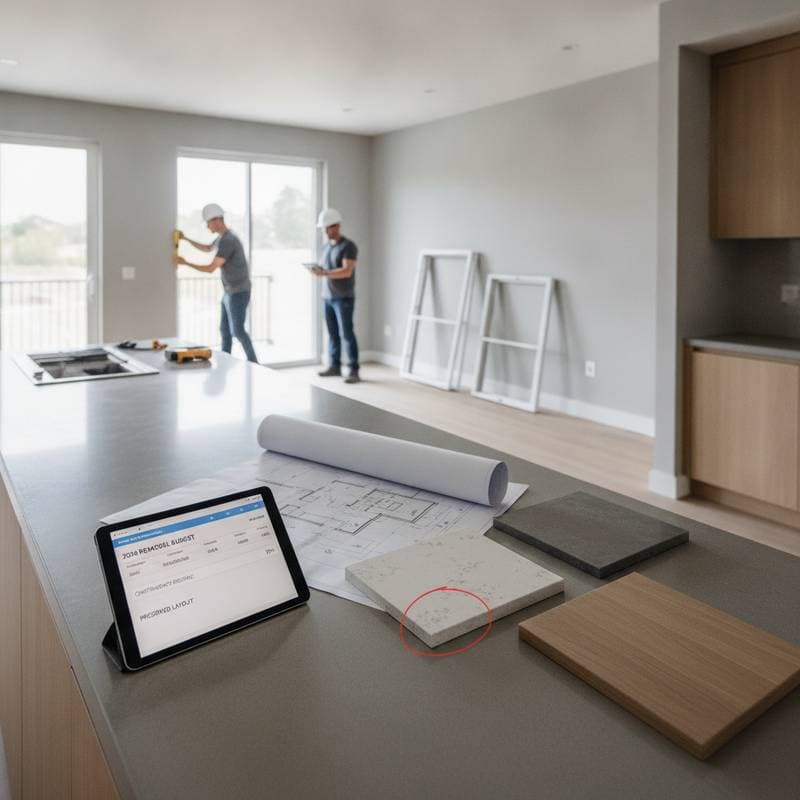
Begin with a detailed budget and clear expectations for both cost and timeline. Prioritize efficient layouts, durable materials, and long-term usability. A well-planned ADU delivers lasting flexibility whether the goal is family housing or additional rental income.