
The Real Costs of ADUs in 2026 and Strategies for Maximizing ROI
Essential Overview
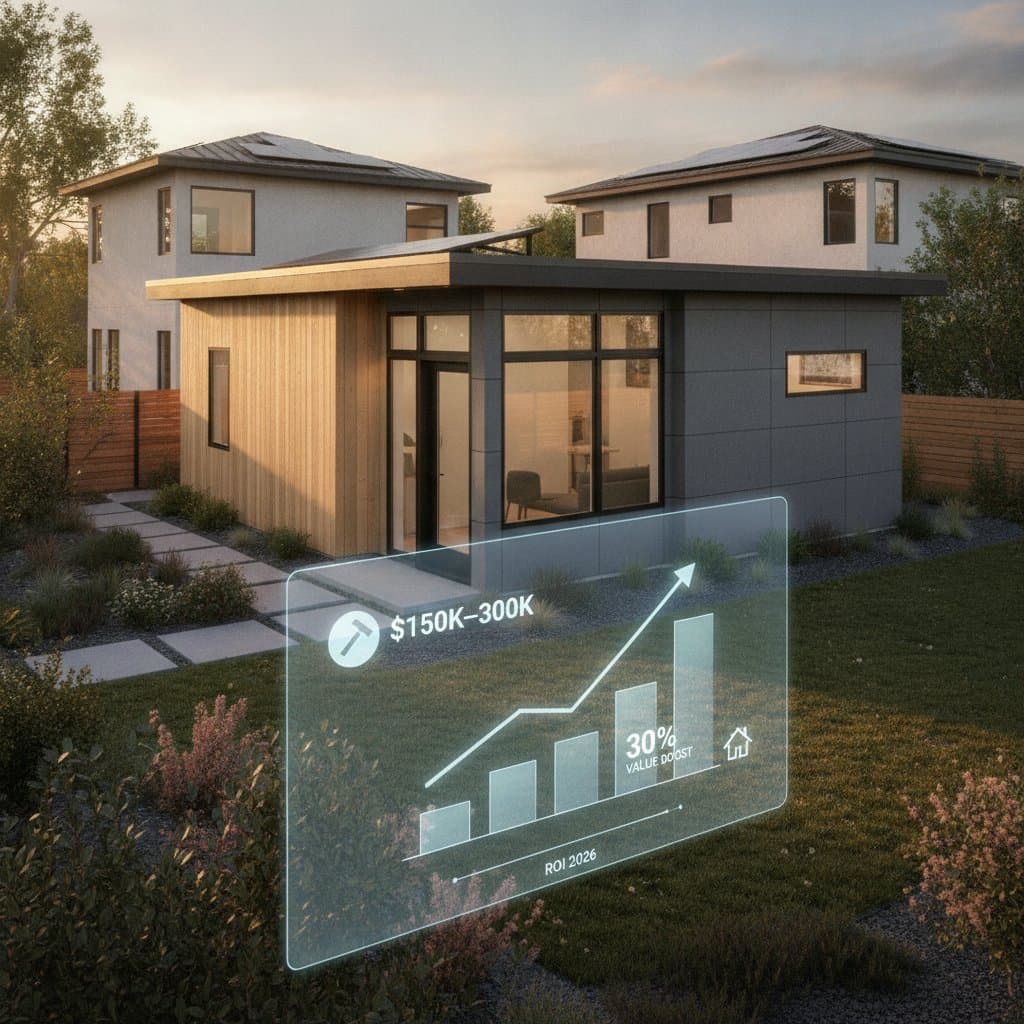
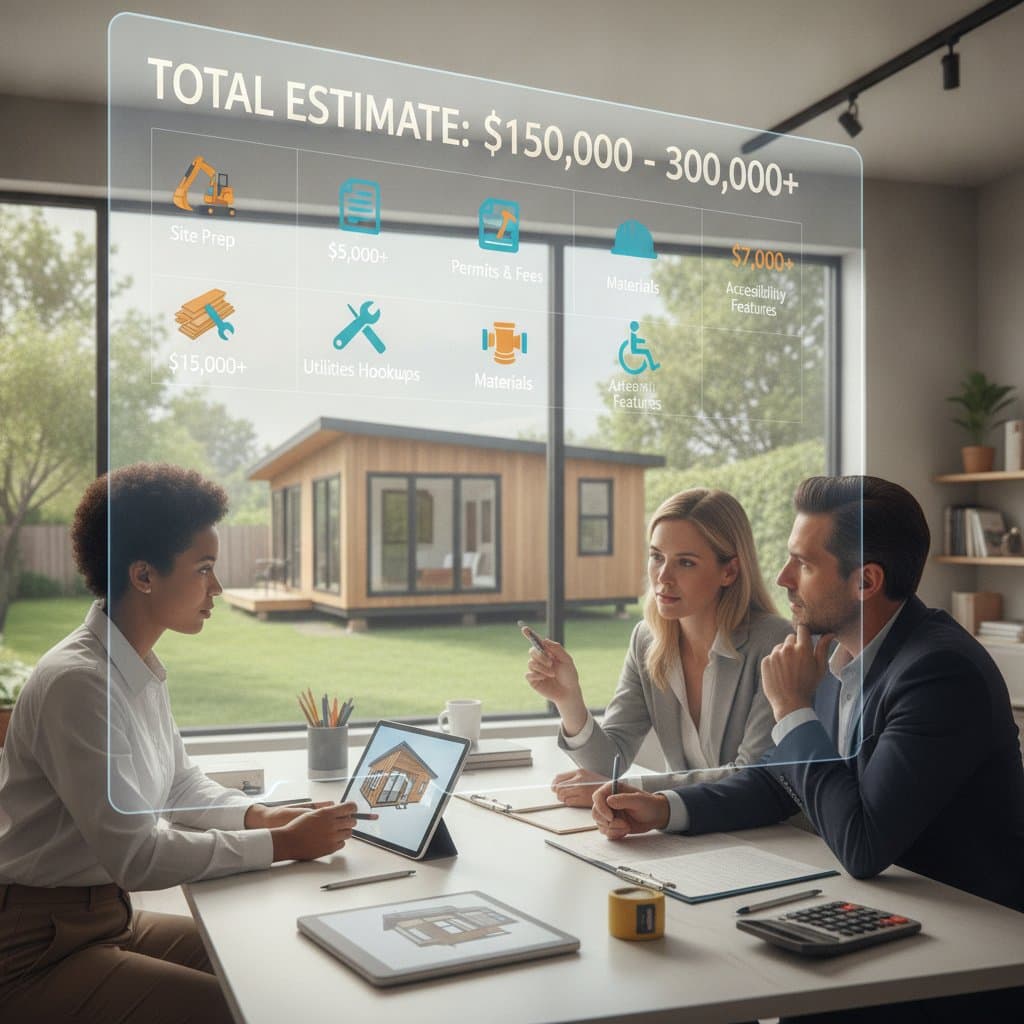
Building an accessory dwelling unit (ADU) provides additional living space or generates rental income on your property. Homeowners typically invest between $180,000 and $350,000 for a detached unit, with costs varying based on size, location, and material selections. The construction timeline spans six to twelve months, and success hinges on thorough planning, adherence to building codes, and engagement of licensed professionals for critical systems such as electrical and plumbing.
Preparation Essentials
Navigating Permits and Regulations
Local authorities mandate building permits for all ADU projects. Additional approvals often cover electrical systems, plumbing installations, and zoning compliance. Before initiating design, evaluate setback requirements, maximum height allowances, and parking provisions. Certain jurisdictions impose restrictions on short-term rentals or necessitate independent utility metering to ensure separation from the primary residence.
Prioritizing Safety
Adhere strictly to safety protocols during excavation, framing, and electrical installations. Disconnect utilities prior to any integration tasks. Ensure trenches feature adequate shoring before entry. Equip yourself with protective equipment, including gloves, sturdy boots, safety glasses, and a hard hat. Licensed professionals must handle all gas line connections and primary electrical services to mitigate risks.
Assessing Skill Requirements and Timeline
Constructing an ADU qualifies as a moderate to advanced endeavor. The full process, from initial design to occupancy, requires six to twelve months. Coordinate closely with inspectors and specialized trades throughout each phase, including foundation work and final finishes.
Gathering Tools and Materials
Essential items include a tape measure, chalk line, and level for precise measurements. Power tools such as a circular saw, drill, and framing nailer facilitate efficient assembly. For site preparation, prepare with a shovel and wheelbarrow. Arrange concrete delivery via mixer or truck. Stock lumber, sheathing, roofing materials, and insulation for the structural core. Procure plumbing fixtures, electrical wiring, HVAC units, paint, flooring, cabinets, and lighting fixtures for completion. Rent specialized machinery like trenchers or compact loaders as necessary, and always consult manufacturer guidelines for safe operation.
Detailed Construction Process
-
Evaluate Your Property Suitability. Examine available space, access routes, and existing utility connections. Measure required setbacks and confirm lot coverage ratios align with local standards.
Verify zoning compliance early to avoid unnecessary design expenses. -
Develop Design and Budget Plans. Engage an architect or designer experienced in ADU regulations. Outline the floor plan, total square footage, and desired finishes to align with your financial goals.
Target a cost range of $250 to $500 per square foot to maintain budget control. -
Secure Necessary Permits. Present detailed drawings, site plans, and engineering specifications to the building department.
Obtain all approvals in documented form prior to commencing construction. -
Site Preparation. Remove vegetation, level the ground, and identify underground utility lines.
Contact the local utility marking service to locate lines before any digging. -
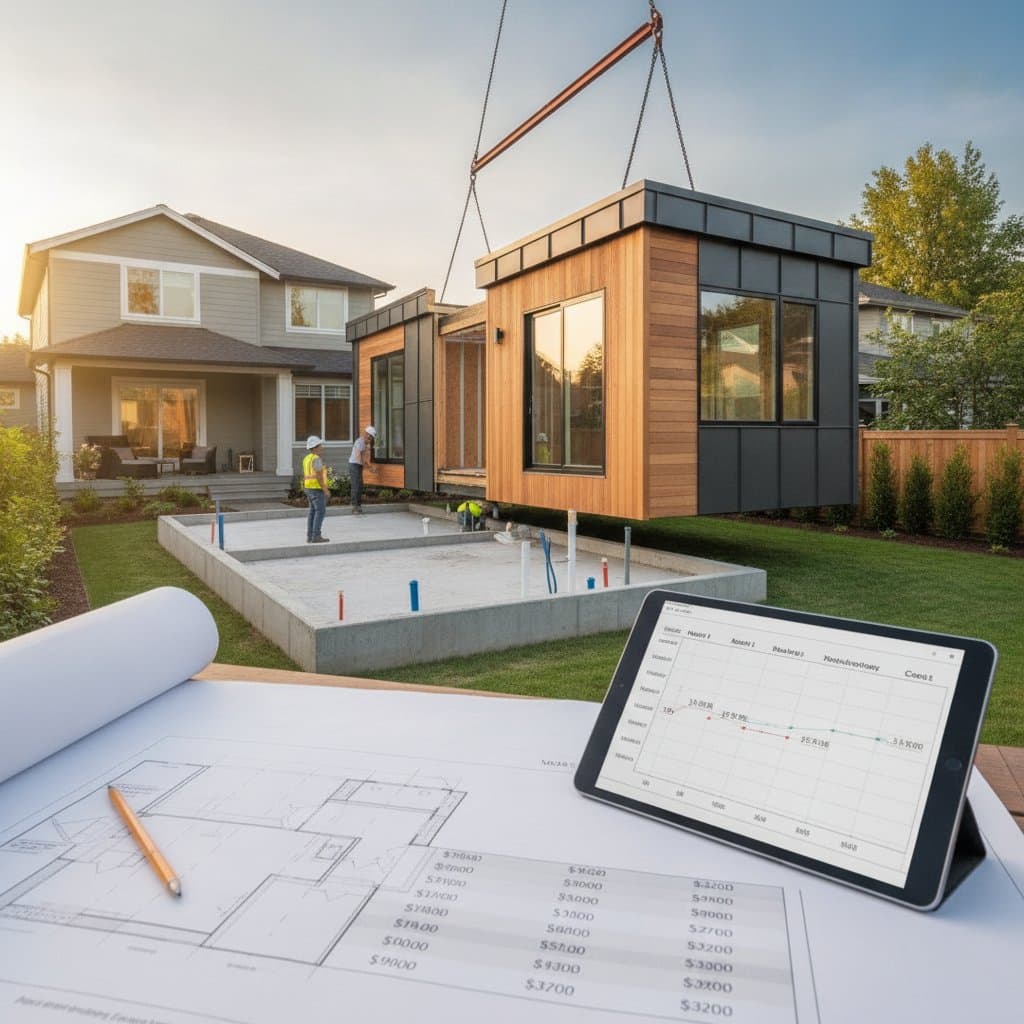
Foundation Construction. Dig footings or prepare slab areas, then pour concrete to the specified depth and specifications.
Allow concrete to cure completely and verify it meets engineering requirements before proceeding to framing. -
Structural Framing. Erect walls, position roof trusses, and apply sheathing for stability.
Ensure walls remain plumb and securely anchored to withstand loads. -
Utility Installations. Integrate plumbing lines, electrical conduits, and HVAC ductwork.
Licensed contractors must perform all electrical and gas installations to meet safety codes. -
Interior and Exterior Finishing. Install insulation, drywall, flooring, cabinetry, and exterior siding.
Seal all surfaces to achieve weather resistance and energy efficiency. -
Final Inspections. Schedule reviews to confirm adherence to structural and system codes.
Secure a certificate of occupancy prior to use or rental.
Post-Construction Cleanup
Clear away debris, excess concrete, and scrap materials from the site. Prioritize recycling for metals and wood products. Transport paint residues and chemical waste to designated disposal facilities. Restore landscaping in affected areas to blend seamlessly with the property.
Troubleshooting Common Challenges
Address potential problems such as slab moisture infiltration, inadequate ventilation, or drainage issues promptly. Implement vapor barriers and precise grading to repel water accumulation. Equip bathrooms and kitchens with exhaust fans for air quality. Consult a structural engineer if cracks or sagging appear in the framework.
Long-Term Maintenance Practices
Conduct annual inspections of roofing, gutters, and siding to detect wear. Replace HVAC filters quarterly for optimal performance. Test ground-fault circuit interrupter outlets and smoke detectors each month. Routine maintenance extends the ADU's lifespan to match that of the main home. Refresh exterior paint and seals every five to seven years to preserve aesthetic and structural integrity.
Strategies to Enhance Return on Investment
Maximize financial returns by integrating construction efficiency with future utility:
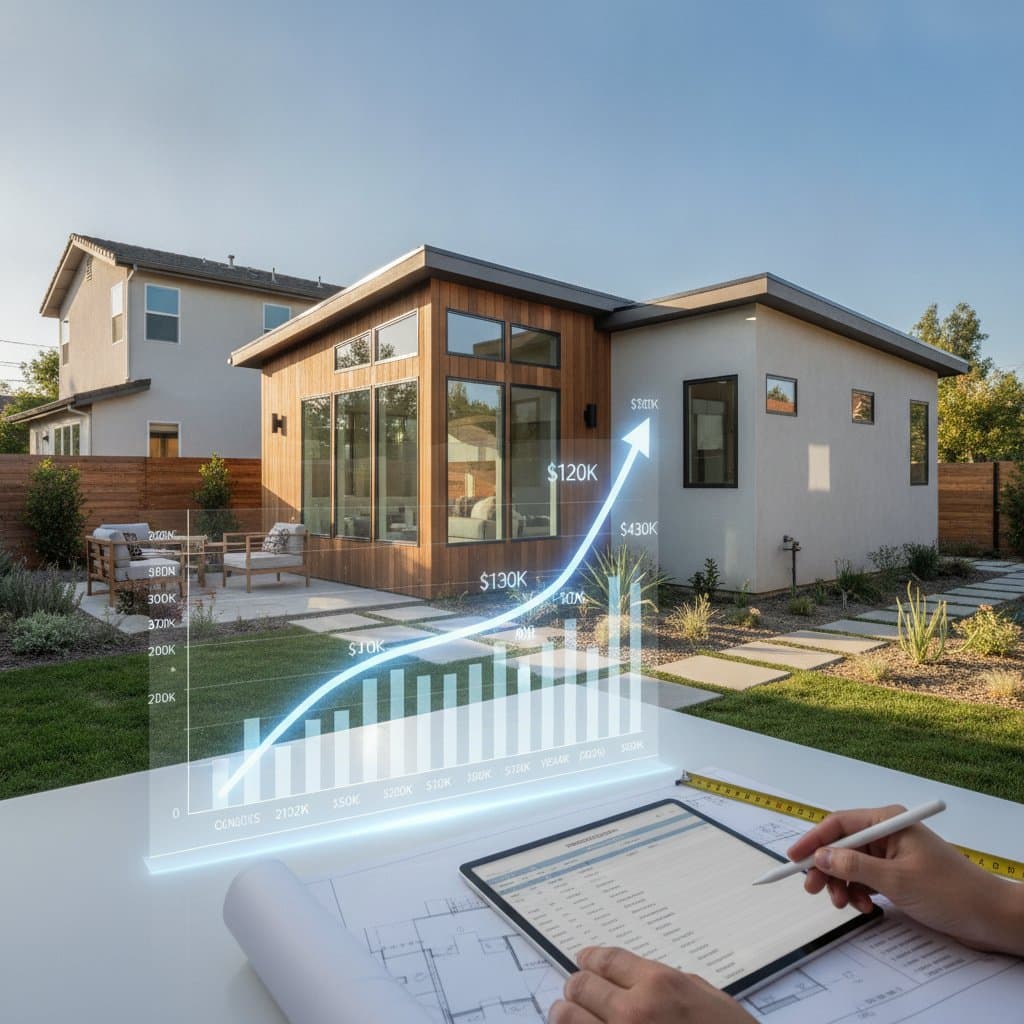
- Optimize Unit Size. Focus on 400- to 600-square-foot designs, which balance construction costs with strong rental yields.
- Select Cost-Effective Materials. Incorporate prefabricated roof trusses, durable vinyl windows, and readily available cabinetry to reduce expenses while upholding standards.
- Incorporate Versatile Features. Add accessibility elements like step-free entrances and compact laundry setups to accommodate aging in place or diverse tenants.
- Prioritize Energy Savings. Equip with high-performance insulation, water-conserving fixtures, and LED illumination to lower ongoing costs and appeal to eco-conscious renters.
- Document All Expenditures. Maintain records of receipts and progress photos for tax deductions, depreciation calculations, and property appraisals.
Engaging Professional Services
Delegate complex tasks to licensed experts, including gas, primary electrical, and structural elements. Anticipate these approximate costs:
- $2,000 to $5,000 for comprehensive electrical systems
- $3,000 to $6,000 for plumbing connections
- $8,000 to $20,000 for concrete pouring and framing labor
Frequently Asked Questions
What factors most influence ADU costs? Location-specific regulations, material quality, and unit size drive expenses. Urban areas often incur higher permit fees and labor rates.
How can I finance an ADU project? Explore home equity loans, construction financing, or local incentives for accessory units. Consult a financial advisor to align with your budget.
Does an ADU increase property taxes? Yes, additions typically raise assessed value. Check with your assessor for precise impacts and potential exemptions.
Can I build an ADU myself? While minor tasks suit skilled homeowners, hire professionals for safety-critical work to ensure compliance and durability.
Sustaining Value Through Ongoing Care
An ADU elevates your property's market appeal and revenue streams. Maintain meticulous records of upkeep and adhere to rental regulations. Whether designated for family use or income generation, consistent maintenance and thoughtful design secure enduring benefits.