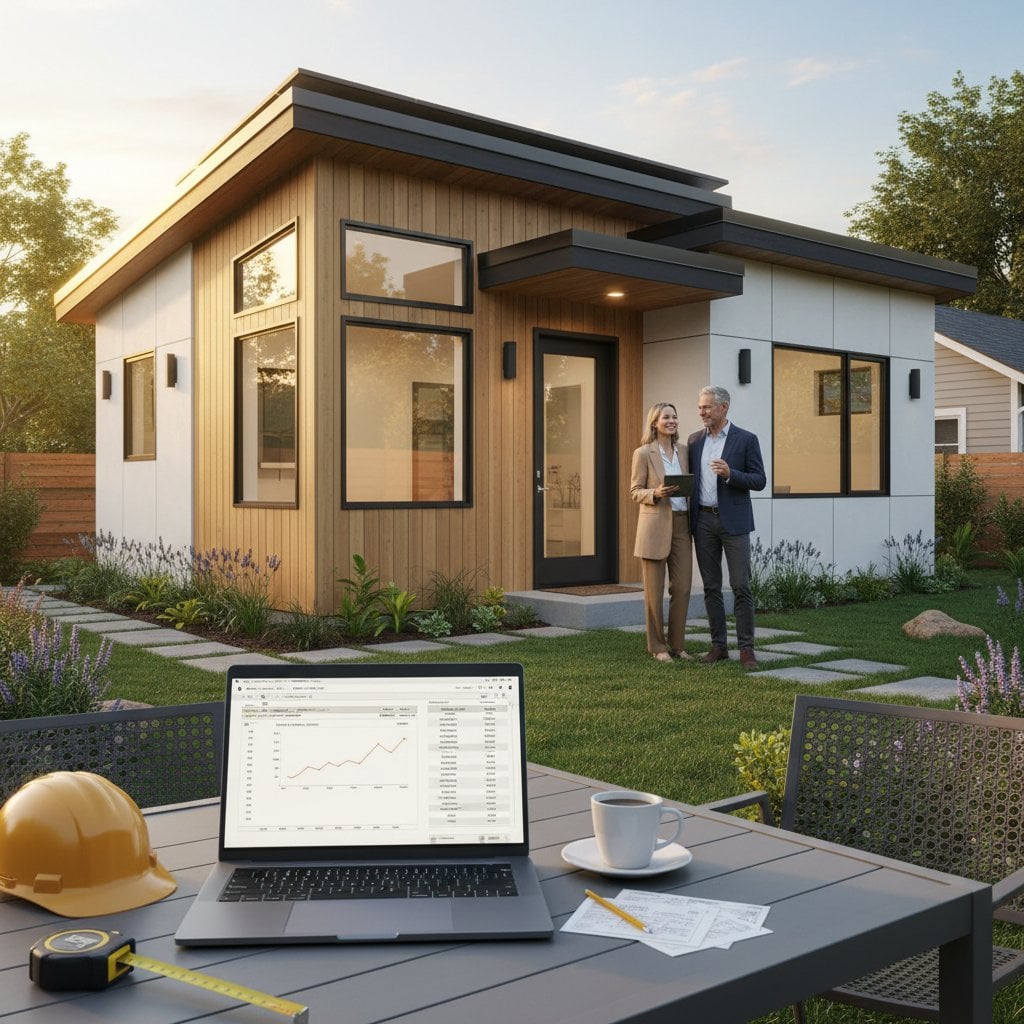
2026 Granny Flat Costs: Strategies to Maximize ROI
Essential Overview
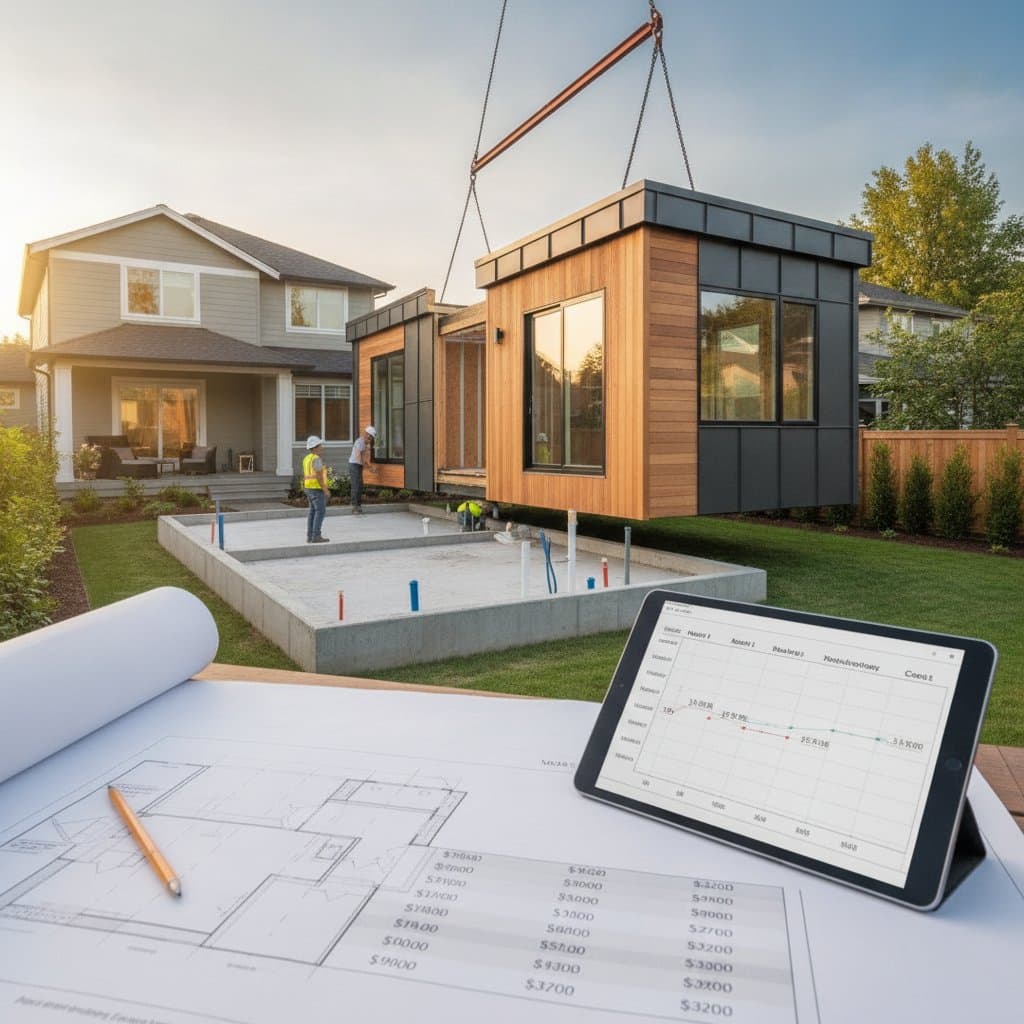
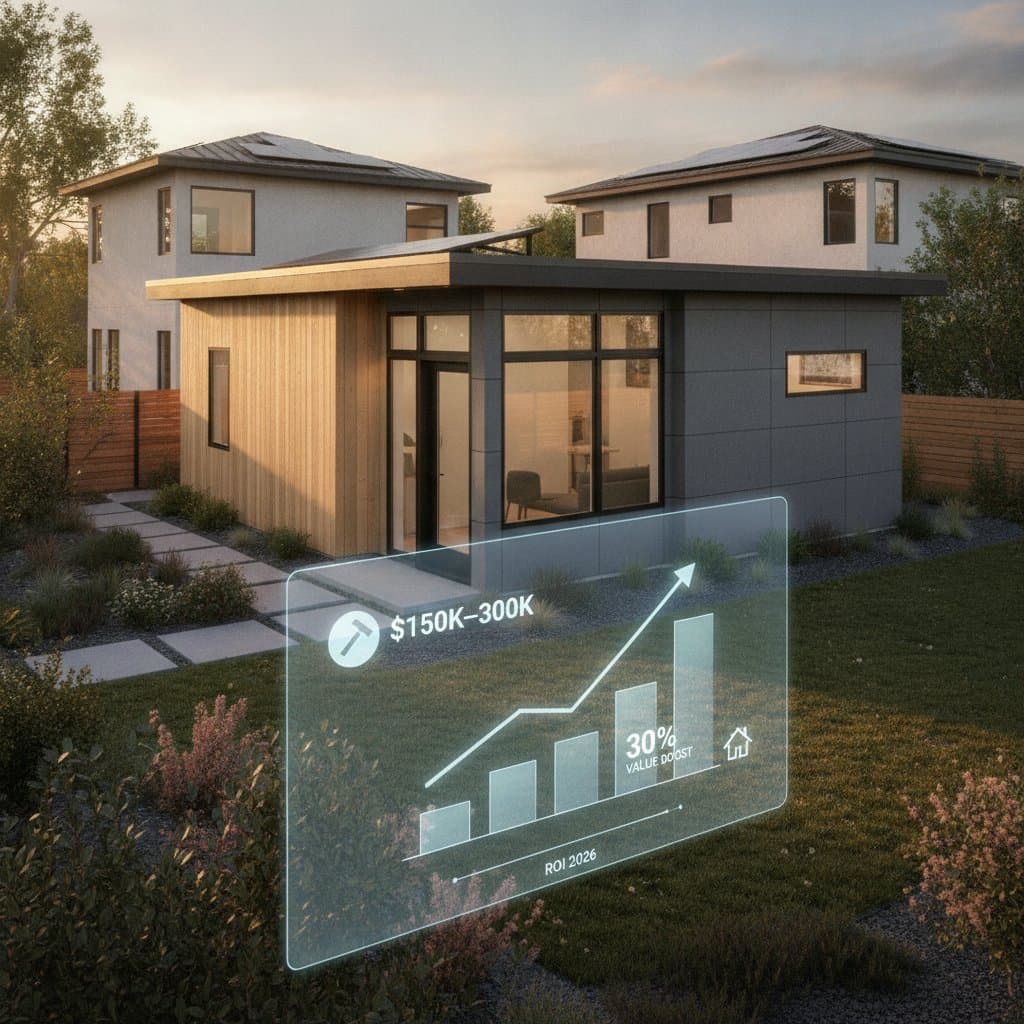
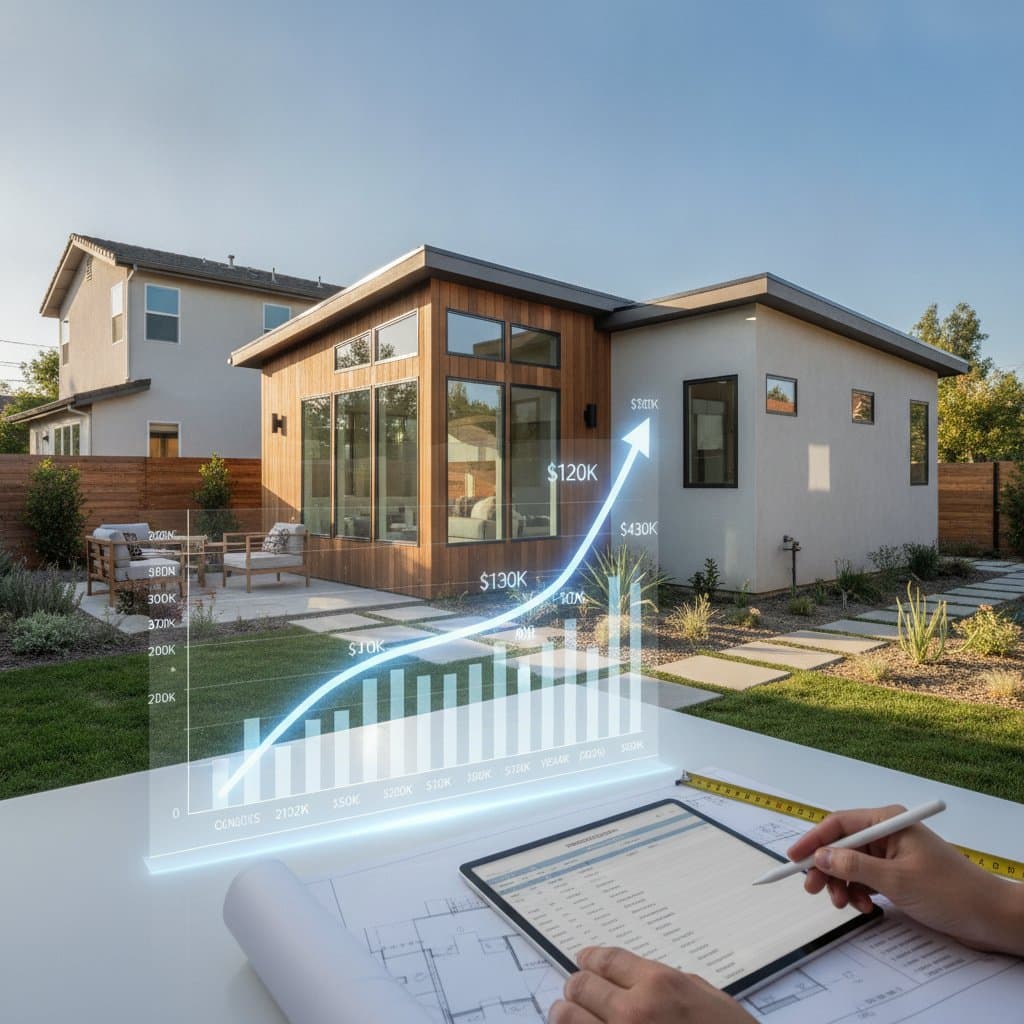
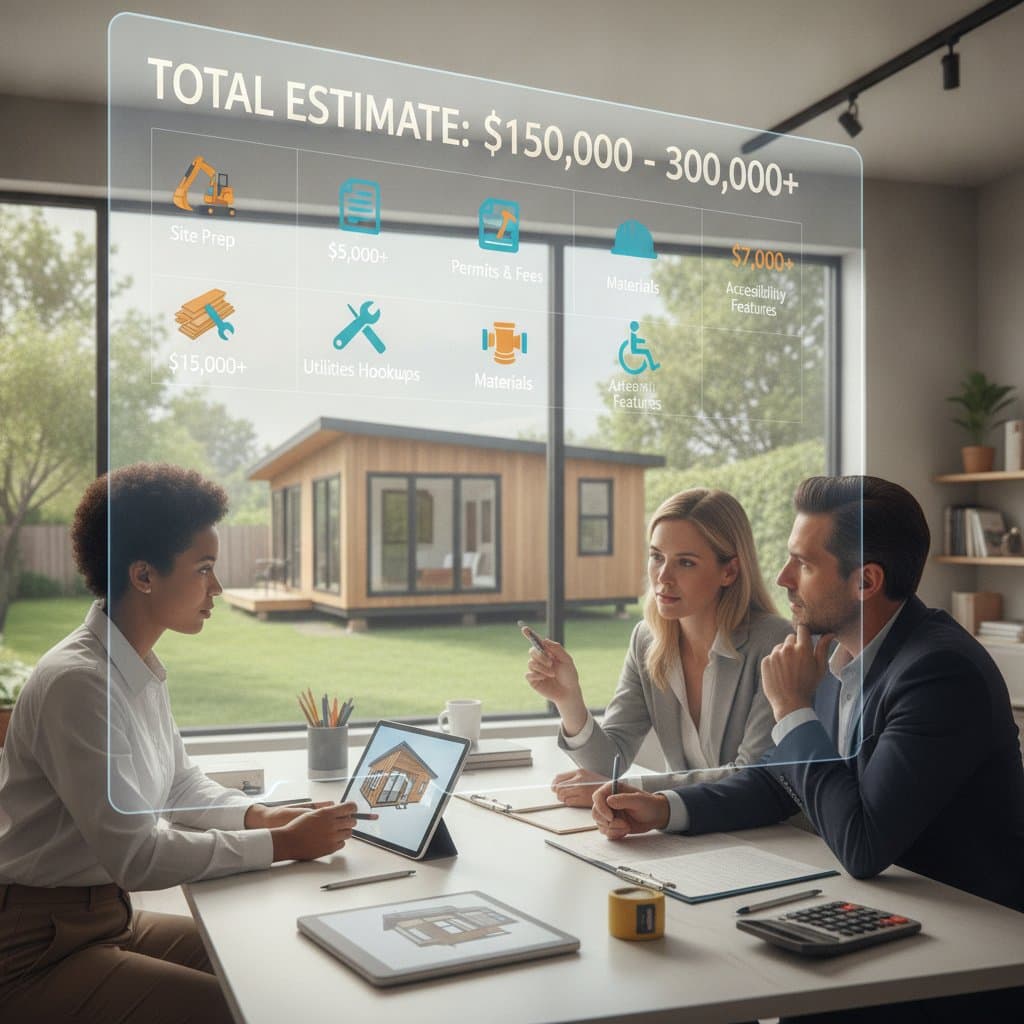
Constructing a granny flat, known formally as an accessory dwelling unit (ADU), typically ranges from $140,000 to $280,000. Factors such as unit size, material quality, and site specifics influence this range. Homeowners with hands-on skills may oversee certain phases, yet licensed professionals remain essential for structural, electrical, and plumbing elements. The entire project spans three to eight months. Risks arise primarily from foundation stability, framing integrity, and utility integrations. Executed with precision, a granny flat generates sustained rental revenue and elevates property valuation.
Detailed Construction Process
1. Planning and Design Phase
Develop a precise site plan incorporating the primary residence, boundary lines, and required setbacks. Create a functional layout adhering to municipal ADU size restrictions, often 400 to 1,000 square feet. Select single-level or multi-level builds considering available yard area and entry points.
Verification Point: Confirm the design complies with zoning regulations while accommodating drainage needs and emergency access routes.
2. Obtaining Permits and Approvals
Present architectural renderings, engineering computations, and site diagrams to the local building authority. Incorporate specifications for utility linkages and energy efficiency documentation as mandated. Settle all evaluation charges prior to initiating construction.
Verification Point: Secure approved permit documents and a predefined inspection timeline before commencing any on-site activities.
3. Site Preparation
Remove plants, refuse, and outdated installations. Outline the structure's base using stakes and lines. Assess terrain elevation and gradient to ensure adequate water runoff. Engage machinery operators for foundational excavation when necessary.
Verification Point: Verify the area is even, equipment-accessible, and clear of subsurface utilities.
4. Foundation Construction
Cast a concrete slab or erect an elevated base per the sanctioned blueprint. Embed reinforcement bars and fastening bolts as detailed. Maintain moisture levels in the concrete during the curing period to achieve optimal strength.
Safety Alert: Concrete handling demands caution due to weight and chemical hazards. Equip with protective gloves, sturdy footwear, and eyewear.
Verification Point: Ensure the foundation clears inspection and aligns exactly with blueprint dimensions.
5. Structural Framing
Construct wall assemblies on level terrain, then erect and fasten them in place. Fit floor supports, roof beams, and covering panels. Opt for rust-resistant connectors in regions prone to salt air or high humidity.
Verification Point: All components stand true, vertical, and firmly attached. Obtain inspector clearance prior to advancing to insulation stages.
6. Utility Installations
Engage a certified electrician to set up distribution boards, wiring paths, and power receptacles. Employ a qualified plumber for water delivery and waste removal piping. Integrate heating and cooling via ductwork or compact split systems.
Verification Point: Preliminary assessments confirm electrical, plumbing, and ventilation installations meet code standards.
7. Insulation, Drywall, and Interior Completion
Insert insulating materials into walls and overhead spaces to satisfy efficiency mandates. Mount drywall sheets, seal seams, and coat with primer and paint. Lay flooring, assemble storage units, and fit sanitary ware.
Verification Point: Finishes appear even, uniform, and operational, with unobstructed doors and windows.
8. Final Reviews and Certification
Arrange concluding evaluations for load-bearing elements, power systems, water lines, and climate controls. Upon successful review, authorities grant an occupancy permit.
Verification Point: Test all services for functionality, confirming the unit is habitable.
Troubleshooting and Maintenance Essentials
Frequent Challenges
- Irregular Flooring: Signals potential subsidence or inadequate soil preparation. Consult a structural specialist if movement occurs.
- Foundation Dampness: Enhance land sloping and install downspouts to redirect water.
- Power Fluctuations: Request an electrician to evaluate circuit distribution.
- Drainage Delays: Inspect air vents and pipe inclines. Steer clear of harsh chemical treatments.
Simple Home Remedies
- Refresh faded areas with sanding followed by fresh coats.
- Swap out deteriorated seals around entries to minimize air infiltration.
- Secure wobbly hardware on storage or electrical plates.
Professional Involvement Thresholds
Retain certified specialists for tasks encompassing load-bearing assembly, power system enhancements, or water conduit connections. Regional pricing fluctuates, yet standard fees include:
- Foundation and Structural Tasks: $8 to $15 per square foot
- Electrical Systems: $3,000 to $8,000 based on capacity and wiring complexity
- Plumbing Foundations: $4,000 to $10,000 encompassing appliances
- Project Oversight by General Contractor: 10 to 20 percent of overall budget
Selecting Reliable Professionals
- Validate credentials and insurance via state licensing agencies.
- Solicit a minimum of three detailed proposals.
- Seek client endorsements and examine prior ADU installations firsthand.
Key Influences on Expenses and Returns
Unit Dimensions and Configuration
Expanded granny flats demand greater investment yet promise elevated leasing potential. A compact 400-square-foot space approximates $140,000, whereas an 800-square-foot two-bedroom variant surpasses $250,000. Streamline the blueprint to moderate base and overhead expenses.
Selections in Materials and Aesthetics
Economical options like synthetic wood floors and basic hardware constrain outlays. High-end surfaces, ceramic coverings, and efficient glazing escalate prices but support premium leasing or higher market assessments.
Property Terrain Factors
Level ground with proximate utilities simplifies and reduces construction demands compared to inclined or rugged sites. Distant main lines necessitate additional excavation, inflating budgets.
Calculating Investment Returns
Profitability hinges on regional leasing markets, tax obligations, and funding expenses. Numerous owners recoup substantial portions via tenant payments over a few years. Alternative uses for family members can mitigate care expenses while safeguarding asset worth.
Expert Recommendations for Optimal Results
- Prioritize Adaptability in Design. Configure interiors to accommodate visitors, lessees, or professional workspaces interchangeably.
- Select Durable Outer Materials. Opt for composite panels and metallic coverings to minimize upkeep demands.
- Incorporate Independent Entries. Dedicate pathways and portals to foster seclusion between residents.
- Emphasize Efficiency Measures. Integrate low-energy illuminants, certified devices, and robust barriers to curb ongoing expenses.
- Maintain Comprehensive Records. Archive approvals, review outcomes, and billing statements for transactions or loans ahead.
Sustaining Enduring Benefits
A well-crafted granny flat delivers consistent revenue streams, facilitates family coexistence, or bolsters market desirability. Success stems from meticulous preparation, robust building practices, and ongoing care. Regardless of rental or personal application, the addition expands options and fortifies financial positions. Approach the endeavor with foresight and specialist input to secure dependable yields over decades.