Real Prefab ADU Costs in 2026
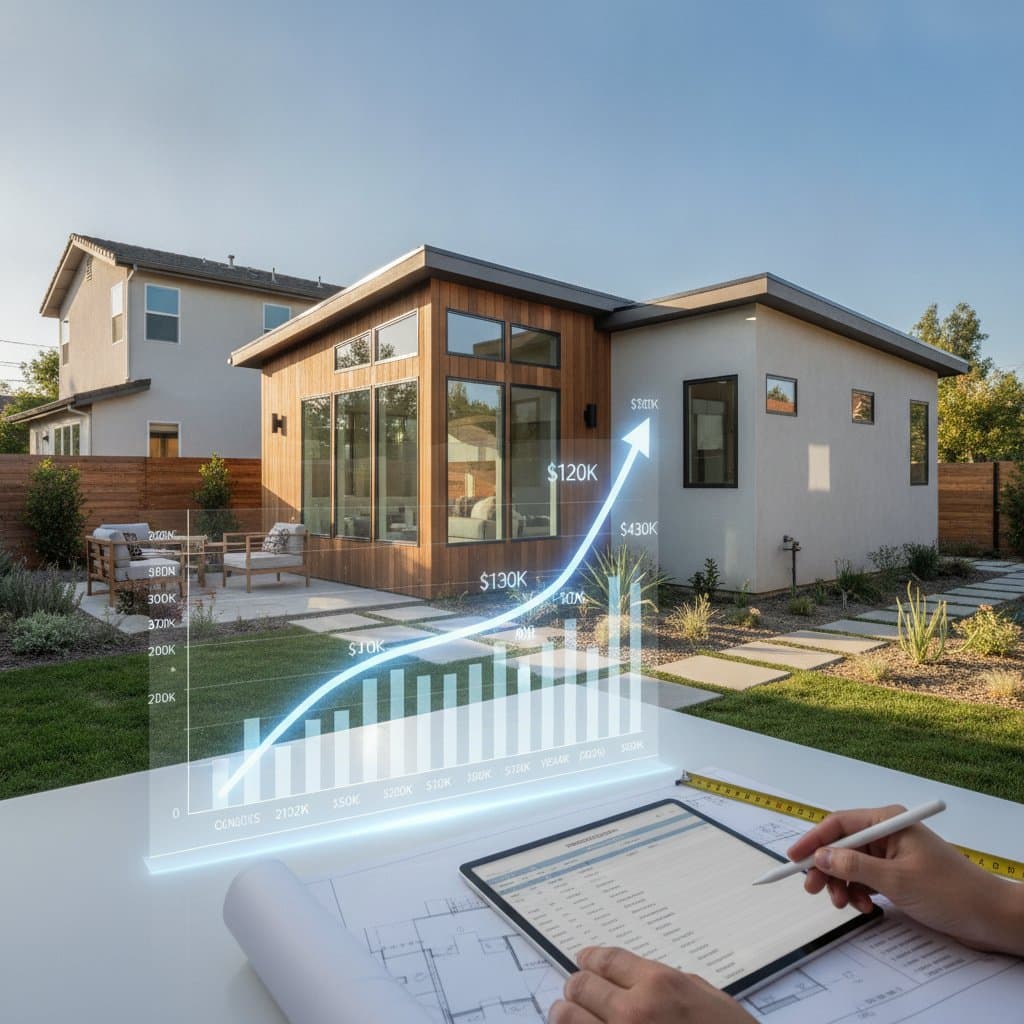
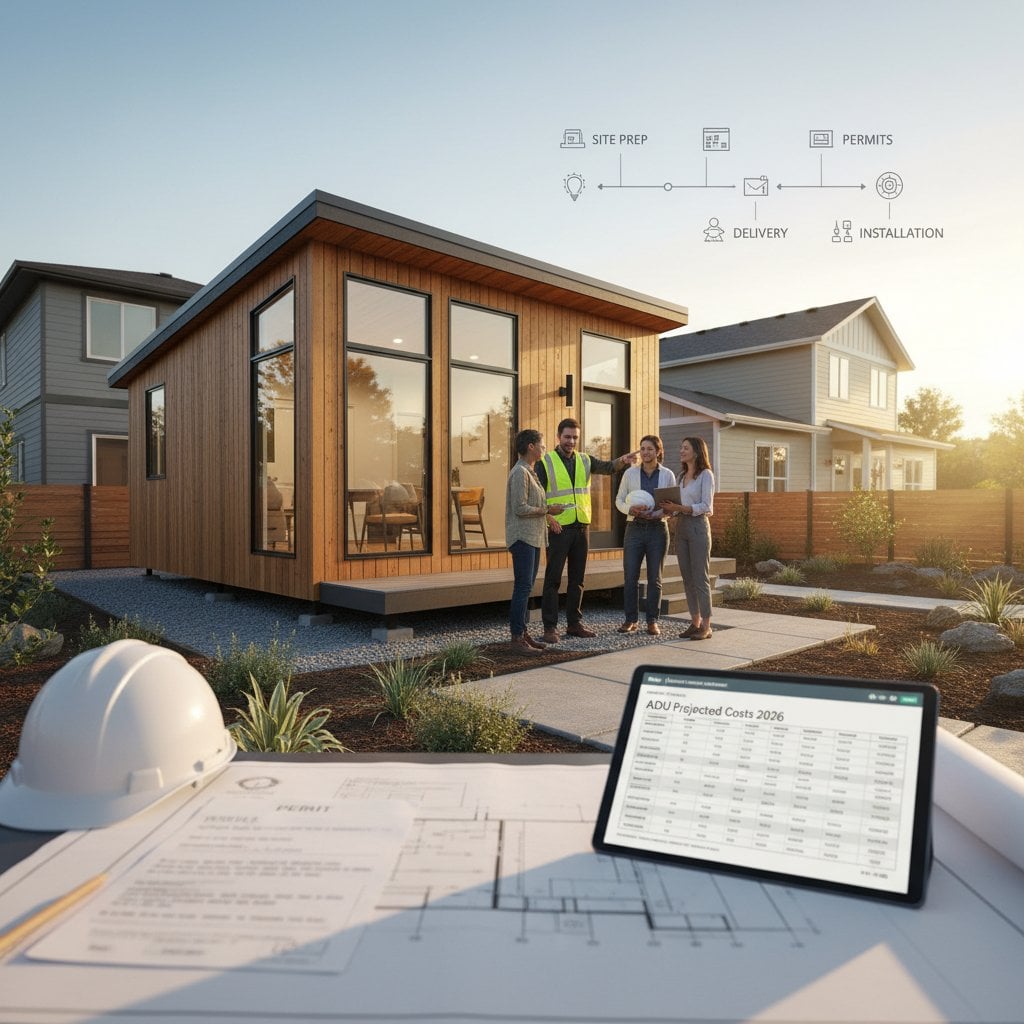
Prefab accessory dwelling units offer a practical way to expand living space on existing properties. Costs for these structures typically range from 150000 dollars to 300000 dollars in 2026. This range reflects variations in size, materials, and site conditions across different regions.
Homeowners benefit from predictable pricing when they select prefabricated options. These units arrive partially assembled, which reduces on site labor. Budget planning becomes more straightforward with clear material and installation quotes.
Breaking Down the Price Components
Base unit costs account for a significant portion of the total investment. Expect to allocate between 80000 dollars and 150000 dollars for the prefabricated structure itself. This covers framing, insulation, windows, and basic interior finishes.
Site preparation adds another layer of expense. Foundation work, utility connections, and grading often require 30000 dollars to 60000 dollars. Local soil conditions and access limitations can increase these figures.
Permitting and design fees typically fall between 10000 dollars and 25000 dollars. Professional installation services complete the budget at 30000 dollars to 65000 dollars. These numbers help establish realistic expectations before construction begins.
Key Factors That Affect Final Pricing
Unit size directly influences material quantities and labor hours. A one bedroom unit stays near the lower end of the range while a two bedroom configuration pushes costs higher. Finishes such as cabinetry and flooring also create noticeable differences.
Location plays a central role in overall expenses. Urban areas with strict building codes often incur higher permit and engineering charges. Rural sites may face elevated transportation fees for module delivery.
Steps for Securing Necessary Permits
Contact the local building department early in the planning phase. Submit detailed site plans that show setbacks, utilities, and drainage. Approval timelines vary but commonly require four to eight weeks.
Schedule inspections at key stages including foundation, framing, and final completion. Maintain records of all approvals to avoid delays during installation. Working with an experienced contractor streamlines this process considerably.
Project Timeline from Start to Finish
Design and permitting usually take six to twelve weeks. Fabrication of the prefab unit occurs during this same period in most cases. Delivery and on site assembly then require two to four weeks.
Utility hookups and interior finishing add another two to six weeks. Weather conditions and material availability can extend these estimates. Clear communication with the builder helps maintain steady progress.
Site Preparation Essentials
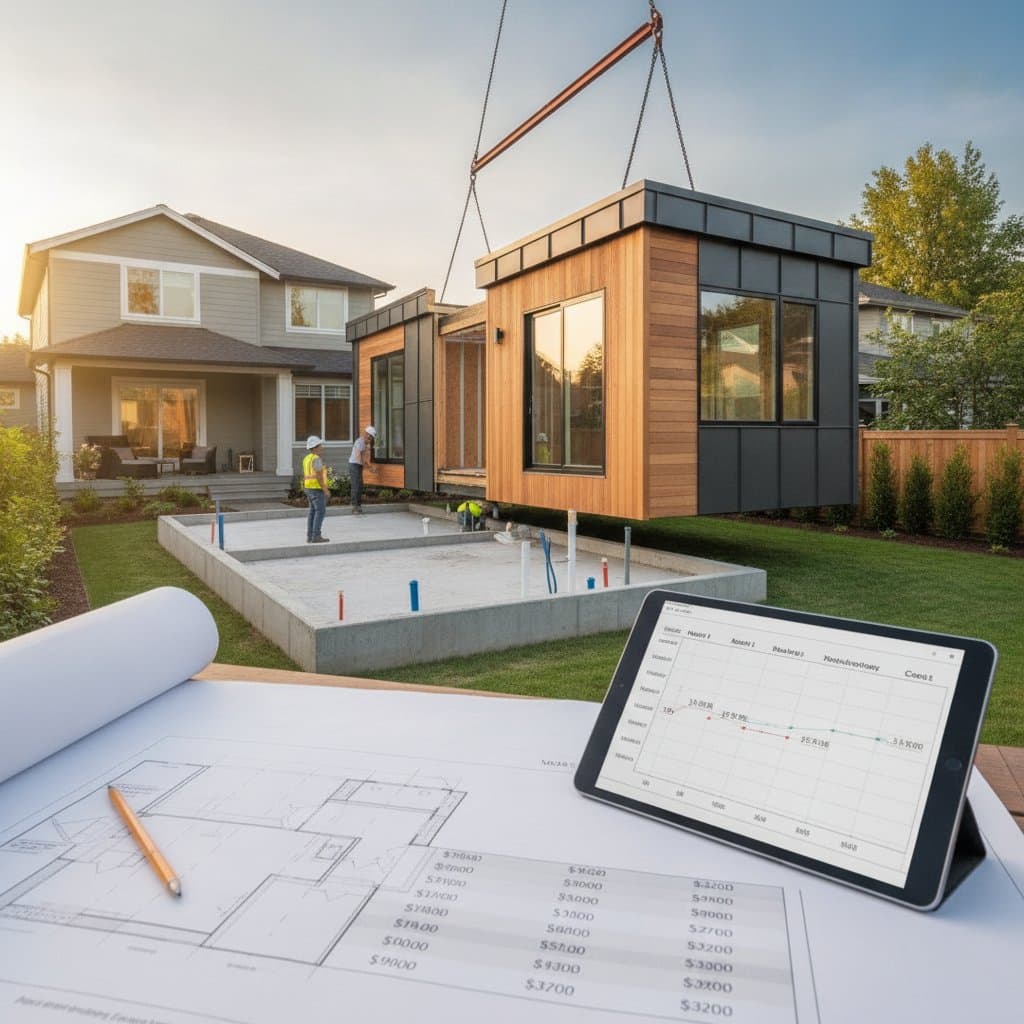
Clear the designated area of vegetation and debris well before delivery. Verify that access routes accommodate large delivery trucks and cranes. Coordinate with utility providers to mark existing lines accurately.
Install proper drainage solutions to protect the foundation over time. Level the ground according to engineering specifications. These preparations prevent complications during the critical installation phase.
Building Long Term Value
A well planned prefab ADU increases property utility and potential resale value. Energy efficient features reduce ongoing operational costs for occupants. Thoughtful design choices ensure the unit blends with the main residence.
Regular maintenance preserves structural integrity and appearance. Homeowners who document all construction details simplify future improvements or sales. This approach supports both immediate needs and future flexibility.