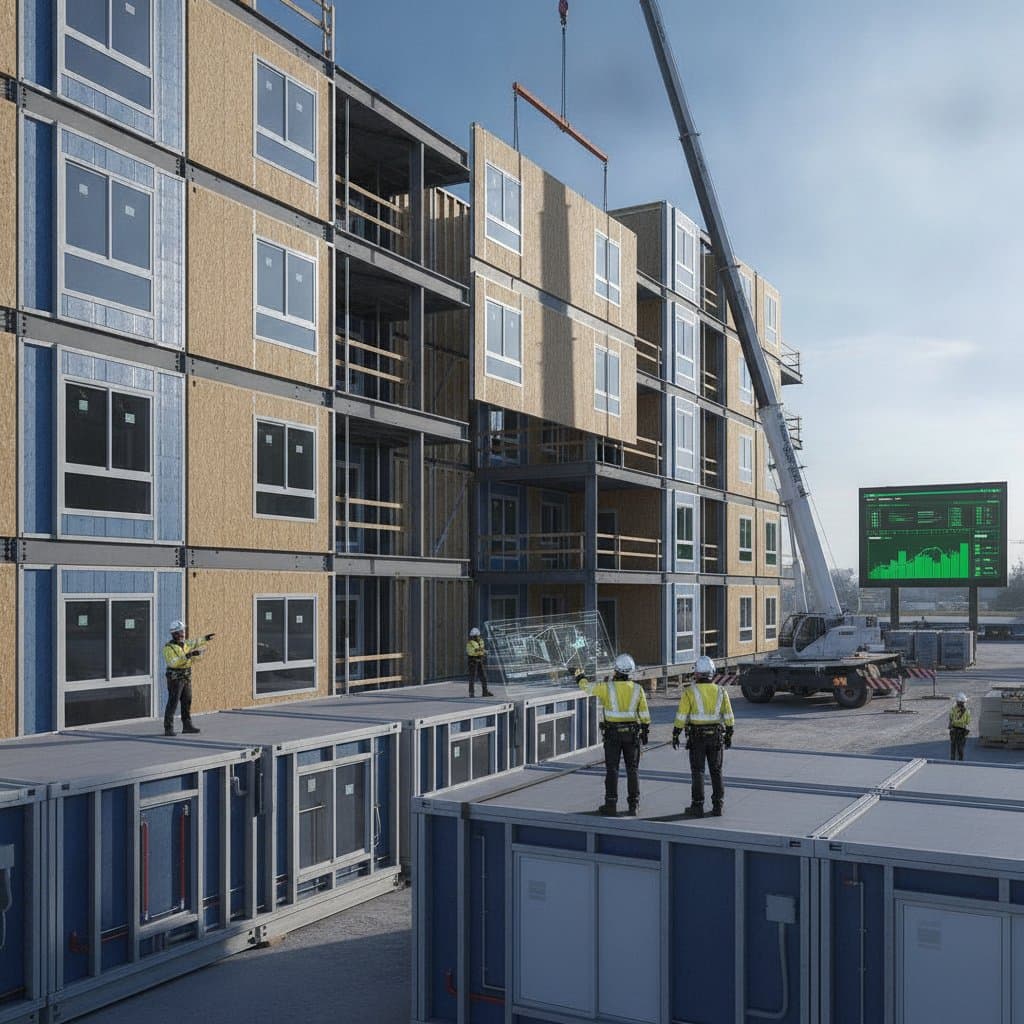
Prefab Cuts Labor Needs 40% While Trimming Costs
Prefabrication offers a direct response to skilled labor shortages by shifting work to factories and cutting on-site staffing requirements.
By Cayla McCully
3 min read
Loading...

Articles tagged with shortage
Prefabrication offers a direct response to skilled labor shortages by shifting work to factories and cutting on-site staffing requirements.

Rising labor shortages threaten to drive up 2026 building costs, but proactive strategies can help. Strengthen retention, expand apprenticeships, adopt digital tools, and diversify subcontractors to boost efficiency and stability. With proper training, compliance, and workforce planning, contractors can control expenses, maintain timelines, and sustain long-term project profitability.
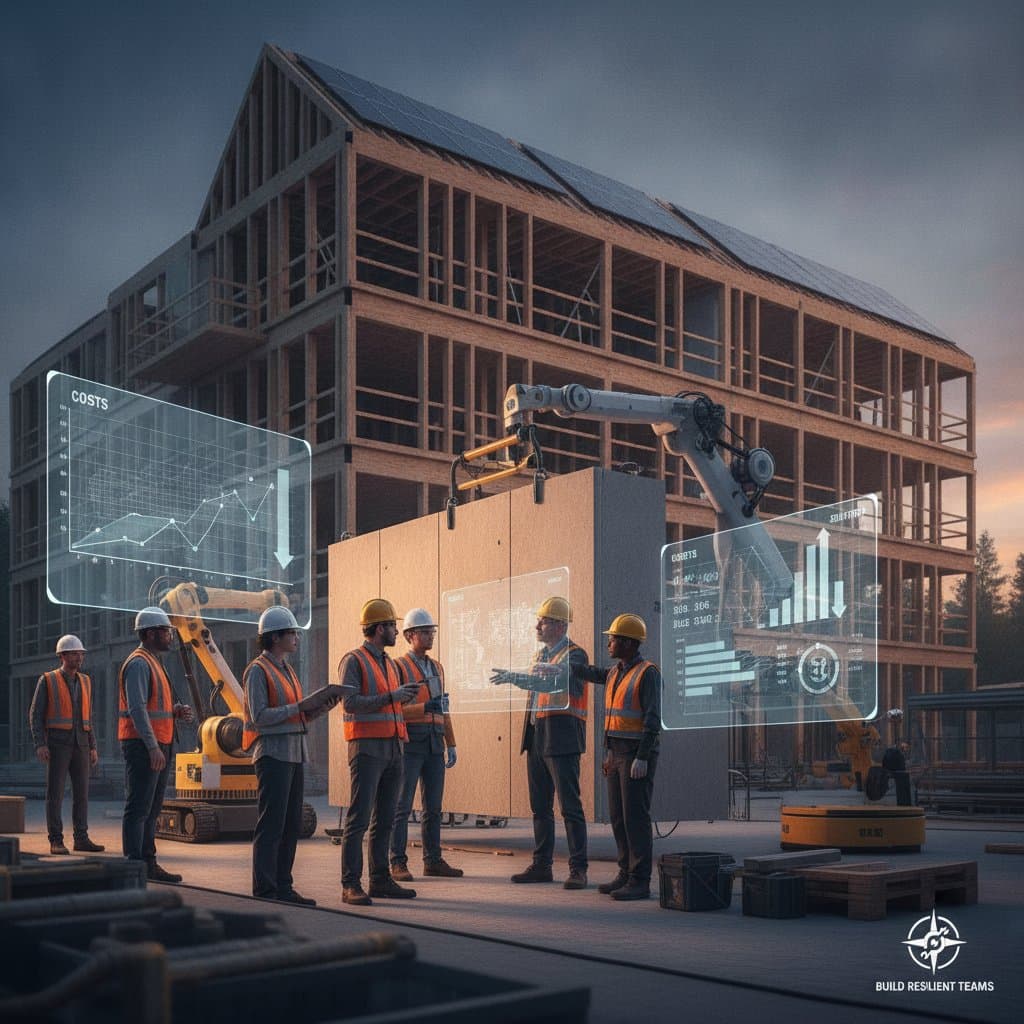
Contractors facing rising costs and staffing gaps must rethink recruitment, training, and retention. This guide examines why labor shortages persist, their financial effects, and practical steps from trade school partnerships to technology efficiencies that support resilient teams.

A nationwide shortage of skilled tradespeople continues to push contractor rates higher and lengthen project schedules. Homeowners encounter increased bids and must plan carefully to maintain quality and control costs.

Construction companies facing labor shortages can improve retention, efficiency, and compliance through targeted training, stronger safety practices, and smart technology adoption across all project types.
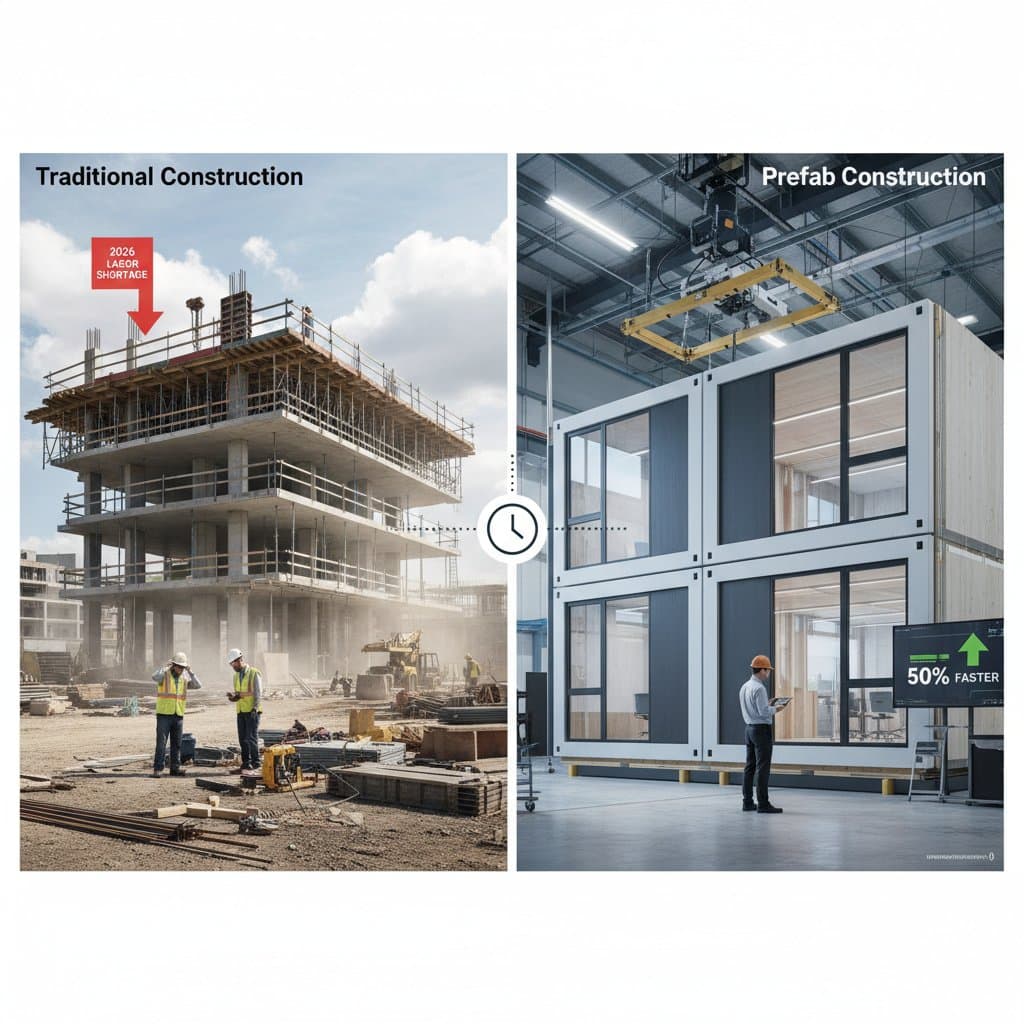
With labor shortages projected to intensify in 2026, prefabricated construction emerges as a solution to slash timelines and costs compared to traditional methods. This comprehensive comparison delves into design, permitting, safety, and maintenance aspects, highlighting when expert involvement ensures projects remain on track, code-compliant, and durable against workforce challenges.

As 2025 approaches, construction labor shortages threaten timelines and budgets. This comprehensive guide outlines data-informed methods to recruit and retain experts, leverage tech for efficiency, optimize subcontractor deals, and build long-term workforce resilience for peak performance.

Increasing subcontractor rates in 2025 transform the construction industry by tackling persistent labor shortages.

The 2025 construction labor shortage intensifies schedules and elevates costs as skilled trades become scarce. Contractors grapple with recruitment and retention issues, while homeowners face increased bids and extended timelines. This guide delves into the causes, financial effects, and actionable tactics for both parties to thrive in the current labor landscape.

The construction sector confronts a severe labor shortage in 2025, making it essential for contractors to adopt robust strategies for attracting and retaining skilled professionals. This guide outlines approaches to enhance recruitment, foster retention, and integrate technology, training, and company culture to maintain competitiveness. Proactive workforce management supports productive, safe, and timely project execution.

Contractors face a labor shortage in 2025 that drives up wages and reduces available workers, yet quality cannot suffer.

The 2025 construction labor shortage elevates costs, prolongs timelines, and tests builders and homeowners. Scarce skilled trades necessitate strategic planning, prompt hiring, and adaptable schedules. Understand the drivers of increasing labor rates and methods to maintain project efficiency and affordability.

The 2025 construction labor shortage elevates costs, prolongs timelines, and alters project planning for homeowners and contractors alike. Skilled trades face high demand and low supply, resulting in wage increases and intense competition. This guide covers budgeting strategies, smart hiring practices, and methods to uphold quality standards.

Labor shortages in construction can disrupt operations, but strategic contractor hires provide a solution.

Prefabrication counters labor shortages by moving production to factories, reducing on-site teams while enhancing efficiency, safety, and precision. Projects advance swiftly with minimal weather impacts and stable budgets, ensuring dependable outcomes that preserve skilled workmanship.

Skilled trade shortages nationwide are inflating home construction costs and delaying timelines. This resource covers rising labor prices, market variations, and proven tactics to budget wisely, hire dependable teams, and deliver quality builds in 2025 amid these challenges.

As construction labor shortages intensify in 2025, strategic hiring of contractors provides a flexible path to stability. This approach enables businesses to access specialized expertise, uphold safety protocols, and foster enduring partnerships that safeguard deadlines, budgets, and overall project excellence. Discover methods to integrate contractors effectively with permanent teams for sustained profitability.

Amid persistent labor shortages, construction professionals adopt intelligent workforce tactics, digital solutions, and prefabrication to stabilize expenses. These approaches, spanning retention efforts, skill enhancement, subcontractor collaborations, and data analytics, elevate productivity, minimize errors, and ensure timely, high-quality project delivery.

A tightening labor market in 2025 will push construction wages up by 10 to 20 percent, complicating schedules and budgets. Factors such as an aging workforce, insufficient apprenticeships, and surging project demand exacerbate the shortage. Contractors can navigate these challenges by prioritizing early recruitment, targeted training, technology adoption, and transparent financial planning to preserve quality, safety, and client relationships.