Labor Shortage Driving Construction Costs Higher in 2025
The construction industry faces a significant labor shortage in 2025, which pushes costs upward and complicates project timelines. Skilled workers in trades such as plumbing, electrical, and carpentry remain in short supply due to an aging workforce, insufficient training programs, and booming demand from infrastructure projects and housing developments. Homeowners and builders must adapt by implementing proactive measures to mitigate these challenges.
This shortage stems from multiple factors. Many experienced workers approach retirement without enough young entrants to replace them. Vocational training has declined over the years, leaving gaps in skilled labor. At the same time, large-scale initiatives like road repairs and renewable energy installations increase competition for available talent. The result is a tight market where labor rates climb steadily.
Impacts on Projects and Budgets
Higher labor costs directly affect overall project expenses. Wages for skilled tradespeople have risen by an estimated 10 to 15 percent in recent years, with further increases projected for 2025. Contractors pass these costs to clients, inflating budgets for new builds, renovations, and commercial developments.
Delays represent another major consequence. When crews cannot secure enough workers, schedules extend by weeks or months. This not only raises holding costs for materials and sites but also disrupts cash flow for builders and homeowners. In severe cases, projects stall entirely, leading to opportunity losses.
Quality concerns arise as well. Rushed work by understaffed teams can introduce errors, requiring costly fixes later. Safety incidents increase when inexperienced laborers fill roles without adequate supervision. These factors compound the financial strain and underscore the need for strategic planning.
Strategies to Navigate the Shortage
Builders and homeowners can counter these issues through careful preparation. Start by assessing project needs early and building buffer time into schedules. Flexible timelines allow teams to accommodate availability fluctuations without major disruptions.
Hiring practices play a crucial role. Secure contractors well in advance, ideally six to twelve months before groundbreaking. This approach secures rates before further hikes and ensures priority access to labor pools. Consider partnering with firms that invest in ongoing training to maintain a reliable workforce.
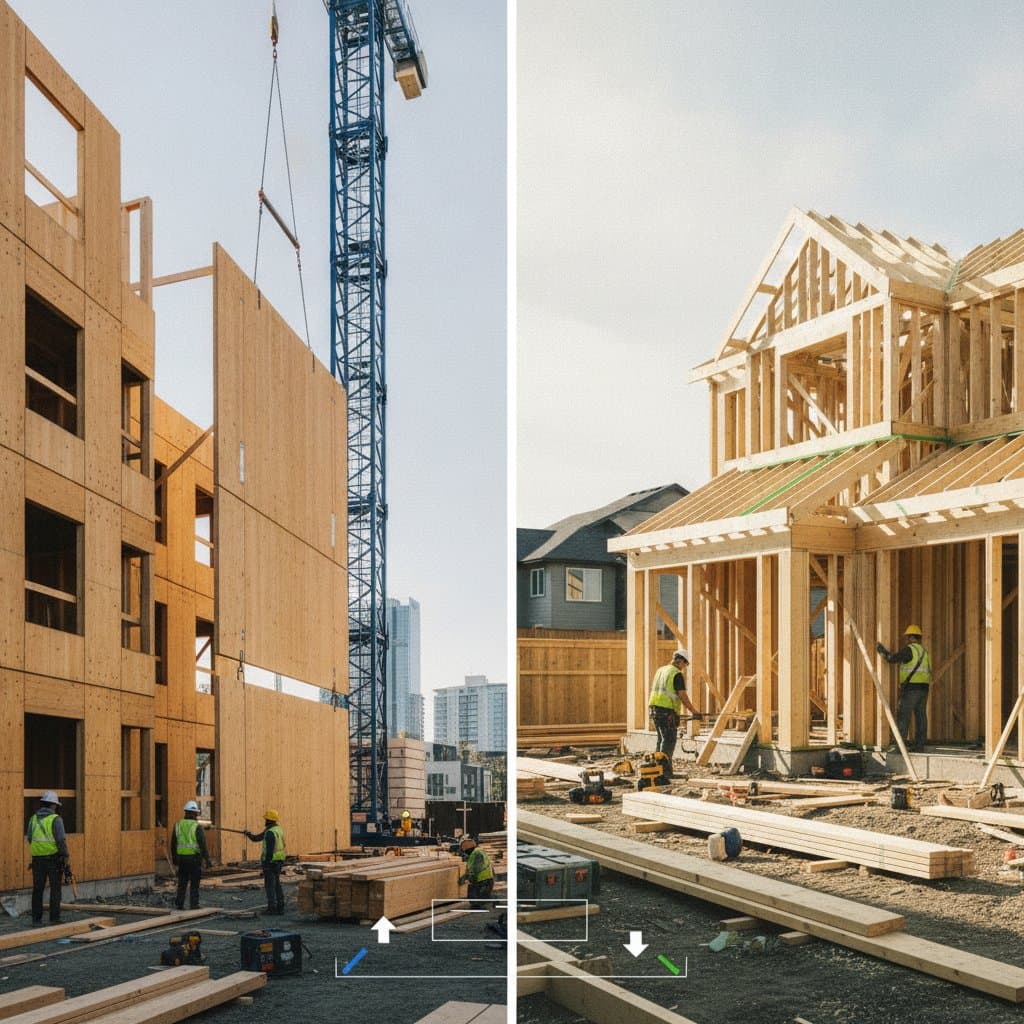
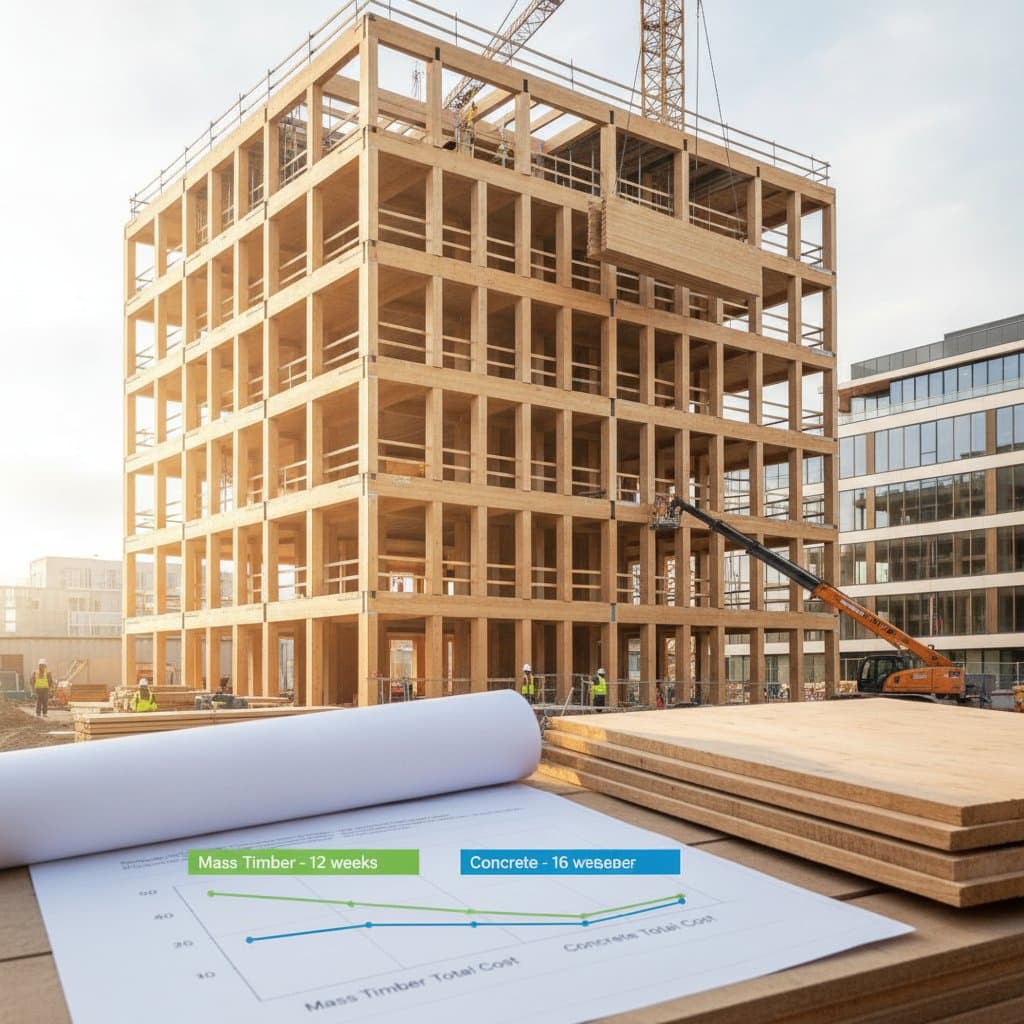
Explore alternative sourcing options. Subcontracting specialized tasks to regional experts can alleviate bottlenecks. Some projects benefit from modular construction techniques, which reduce on-site labor demands. Technology, such as building information modeling software, streamlines coordination and minimizes rework.
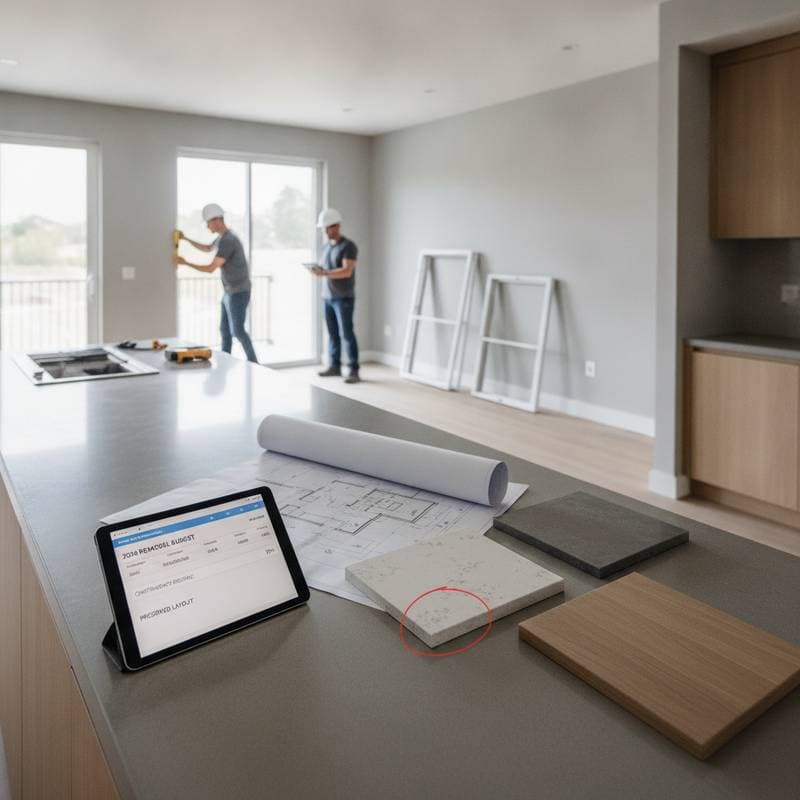
Budgeting requires realism. Allocate 20 to 30 percent more for labor than in previous years. Track market trends through industry reports to anticipate rate changes. Negotiate fixed-price contracts where possible to lock in costs early.
Benefits of Professional Hiring
Engaging licensed professionals yields clear advantages, particularly in a tight labor market. Safety Risks: Electrical and roofing jobs pose high risks without proper training. Unqualified attempts lead to accidents, injuries, or property damage that far exceed initial savings.
Time Commitment: Professional crews complete tasks faster and with fewer corrections. Their expertise ensures efficient workflows, reducing overall project duration.
Hiring a professional guarantees compliance with building codes, enhances safety, and provides long-term reliability, even if upfront costs appear higher.
When to Hire a Professional
Professional involvement becomes essential at specific thresholds. Projects involving structural framing, load-bearing walls, or electrical panels demand licensed expertise. Unlicensed efforts risk code violations, fines, failed inspections, or hazardous conditions.
When selecting a contractor, prioritize these qualities:
- Valid licensing and insurance coverage
- References from recent, verifiable clients
- Clear written contracts that outline costs, timelines, and scope
- Transparent communication with realistic scheduling projections
A reliable contractor discusses potential delays upfront and collaborates on contingency plans. Fair compensation for skilled labor prevents costlier issues down the line.
Frequently Asked Questions
Why are construction delays so common right now?
Most delays arise from simultaneous shortages in labor and materials. Unavailability in one trade cascades through the schedule, affecting subsequent phases.
Can I negotiate labor rates with contractors?
Discussions about options prove feasible, but reputable contractors base prices on market demand and operational overhead. Emphasize defined scope and timelines over aggressive price reductions.
Will labor costs go back down soon?
Experts anticipate gradual market stabilization, though a complete reversal to prior levels seems unlikely. Developing new skilled workers requires time, while demand stays elevated.
Should I delay my project until the market improves?
Postponing offers limited savings potential. Escalating material prices and inflationary pressures frequently counteract any temporary labor reductions.
Safeguarding Project Success
The ongoing labor shortage highlights the importance of foresight, collaboration, and professional partnerships. Homeowners and builders who grasp current dynamics and initiate planning promptly minimize disruptions. Robust contracts, adaptable schedules, and consistent dialogue form the bedrock of effective outcomes. These steps not only control costs but also deliver durable, high-quality results that stand the test of time.