Granny Flats: Navigating 2026 Costs for Solid Returns
Granny flats, known also as accessory dwelling units or ADUs, represent a practical solution for expanding living space while enhancing property utility. These compact, independent residences accommodate aging relatives, generate rental revenue, or function as dedicated workspaces. As material and labor expenses climb in 2026, prospective builders must evaluate costs against potential benefits to ensure a worthwhile investment. This article examines key expense factors, return possibilities, and planning essentials for a successful project.
Key Factors in Granny Flat Construction Costs
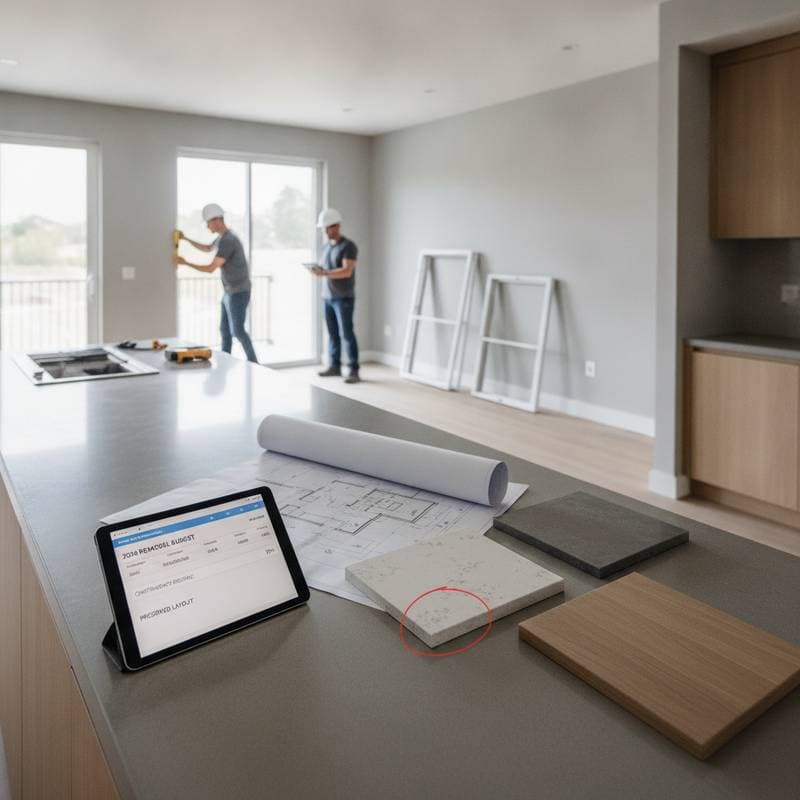
Every granny flat demands robust construction standards comparable to primary residences, albeit in a reduced footprint. Expenses vary based on unit dimensions, selected finishes, site preparation needs, and regional regulations. Understanding these elements allows homeowners to budget accurately and avoid unexpected outlays.
Typical Cost Breakdown by Size and Type
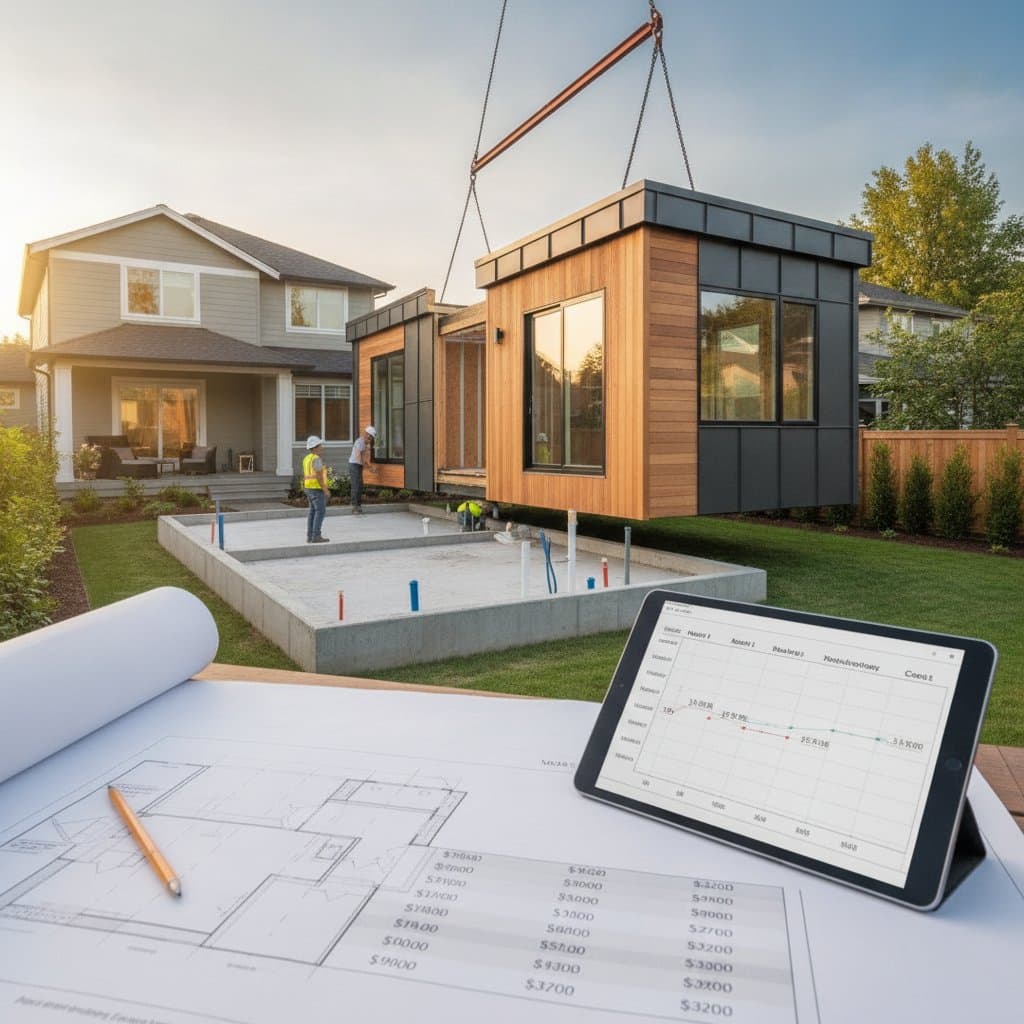
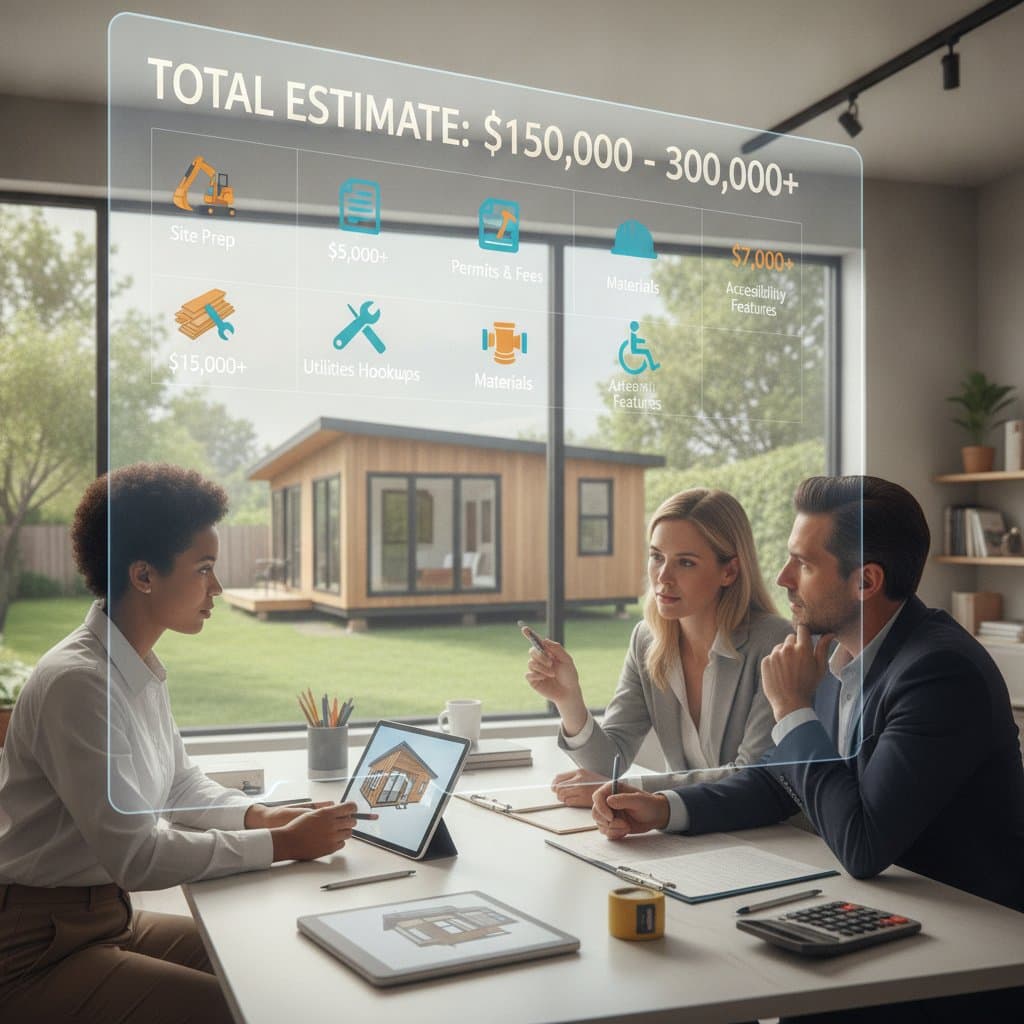
For a standalone granny flat, expect costs ranging from $200 to $400 per square foot, influenced by quality levels and location. A basic 400-square-foot structure might total $80,000, covering foundation work, basic framing, and essential utilities. Larger configurations, such as an 800-square-foot version with additional features like a full kitchen and bathroom, often exceed $200,000. In contrast, retrofitting an existing garage or basement reduces expenses to $60,000 through $120,000, as it leverages pre-existing foundations and infrastructure.
Breaking Down Labor and Material Expenses
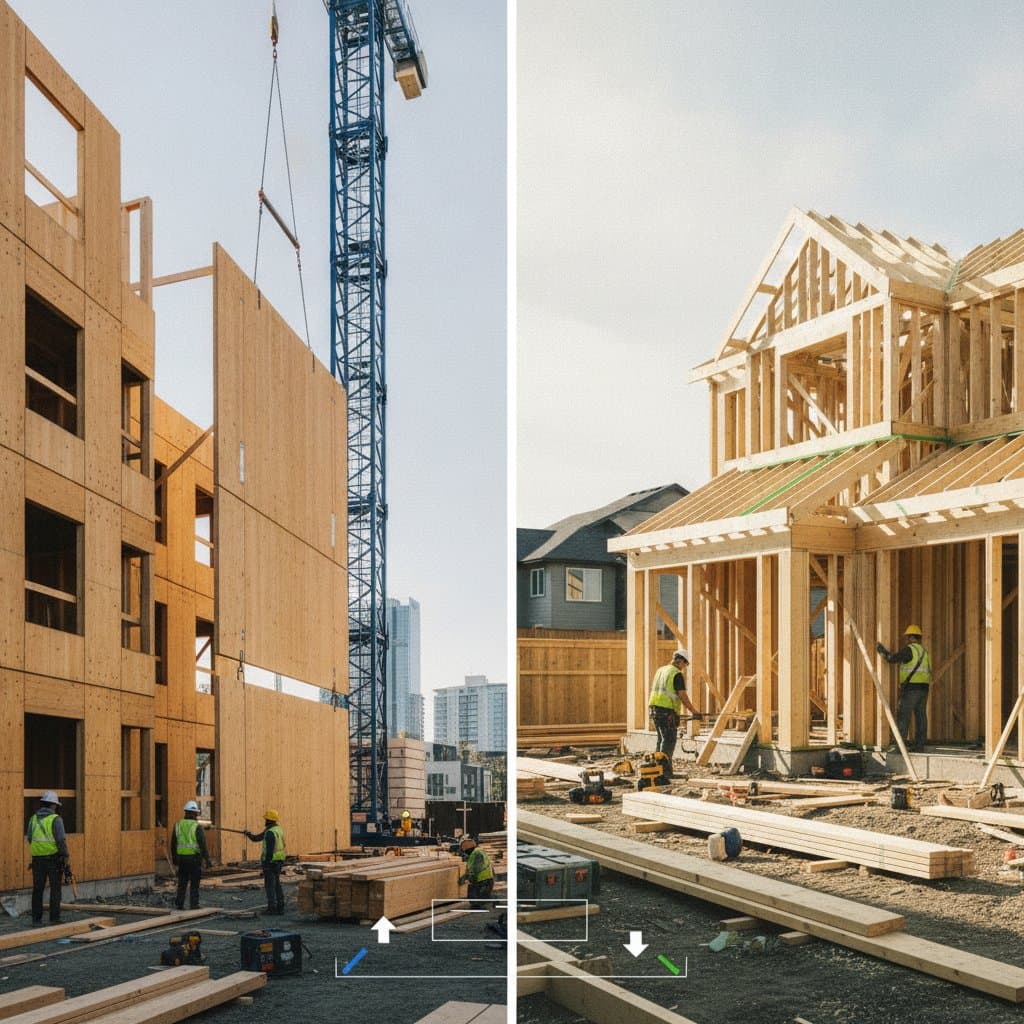
Labor accounts for 45 to 55 percent of the overall budget, with significant portions allocated to framing, electrical installations, and plumbing systems. Skilled tradespeople ensure compliance with safety standards, which prevents costly rework. Materials contribute the remainder; for instance, opting for durable vinyl siding instead of custom stone facades can lower costs by $5,000 to $10,000, while energy-efficient appliances add upfront value through long-term utility savings.
Additional Fees for Permits and Site Preparation
Regulatory hurdles add $5,000 to $15,000 to the total, encompassing permit applications, architectural designs, and environmental impact reviews. Local zoning laws dictate requirements like setback distances or utility connections. Before committing to a design, verify access to water, sewer, and power sources; some jurisdictions mandate dedicated utility meters or extra parking to support the secondary unit.
Weighing DIY Construction Against Professional Services
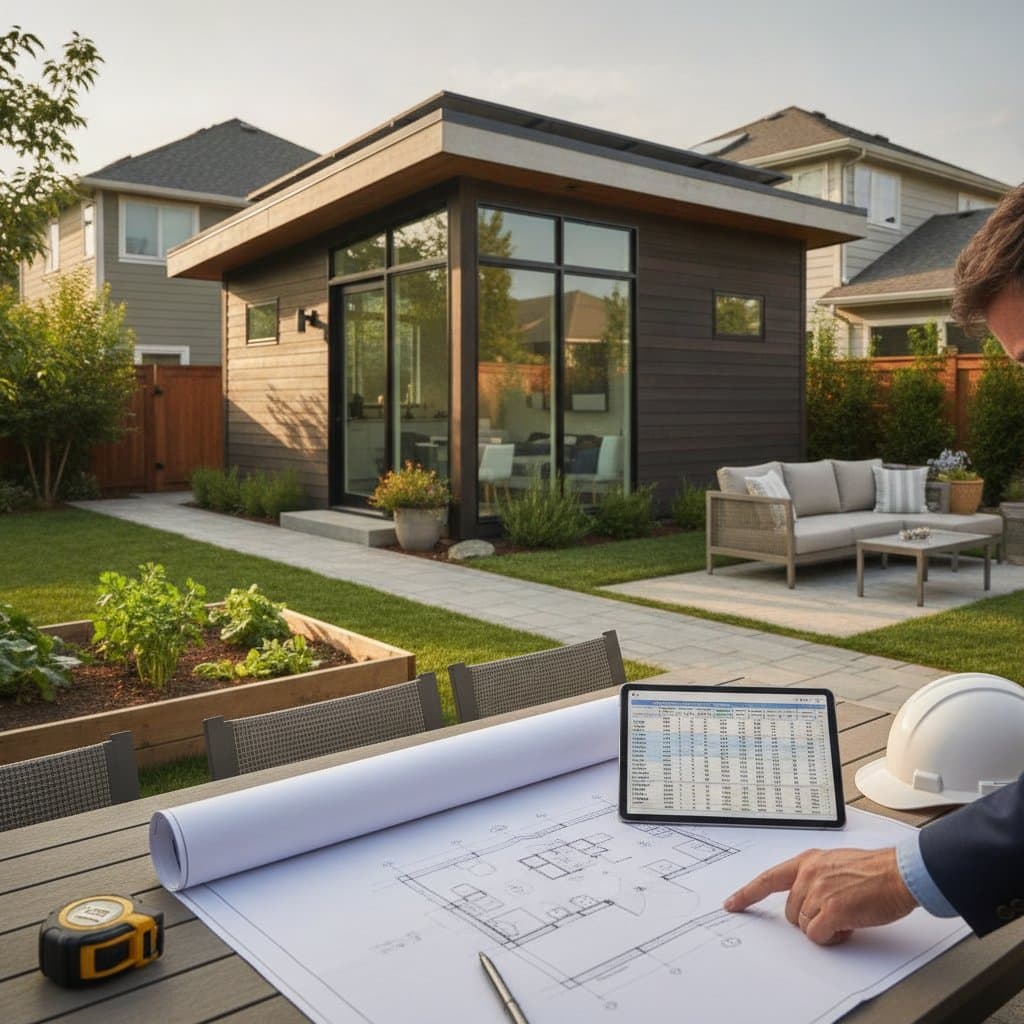
Homeowners face a choice between self-managed builds and expert oversight, each with distinct advantages in terms of control, expense, and reliability. Assess personal expertise and project scope to determine the best path forward.
Opportunities and Limits of DIY Approaches
Individuals with construction backgrounds can handle non-structural tasks, including painting, installing flooring, or adding landscaping elements, potentially cutting labor expenses by 10 to 20 percent. Such efforts suit simpler projects where the focus remains on cosmetic enhancements. However, core elements like load-bearing frames, wiring, and pipework require professional certification to satisfy building codes and secure inspections. Overlooking these can result in fines or mandatory demolitions, escalating costs far beyond initial savings.
Benefits of Engaging Licensed Contractors
Professionals manage the full spectrum, from initial blueprints to final walkthroughs, guaranteeing adherence to structural, fire safety, and efficiency regulations. They coordinate subcontractors efficiently, minimizing delays and providing comprehensive warranties. For those lacking time or technical knowledge, this route delivers consistent quality and reduces liability risks associated with code violations.
Proven Strategies to Control Costs
Rising prices in 2026 challenge budgets, yet targeted decisions can preserve affordability without sacrificing durability. Focus on efficiency from the planning stage onward.
- Select straightforward designs. Rectangular layouts with simple roof pitches reduce framing complexity and material needs compared to irregular shapes.
- Integrate with existing infrastructure. Tapping into proximate utility lines avoids excavation expenses, which can exceed $10,000 for new connections.
- Choose off-the-shelf components. Standard-sized windows and doors minimize fabrication fees and speed up procurement.
- Utilize pre-approved designs. Many municipalities provide vetted ADU plans that expedite permitting and cut engineering costs by up to 30 percent.
- Prioritize compact efficiency. A 500-square-foot unit in a rental-hotspot neighborhood often yields comparable income to bulkier alternatives, with lower build and upkeep demands.
Calculating and Maximizing ROI
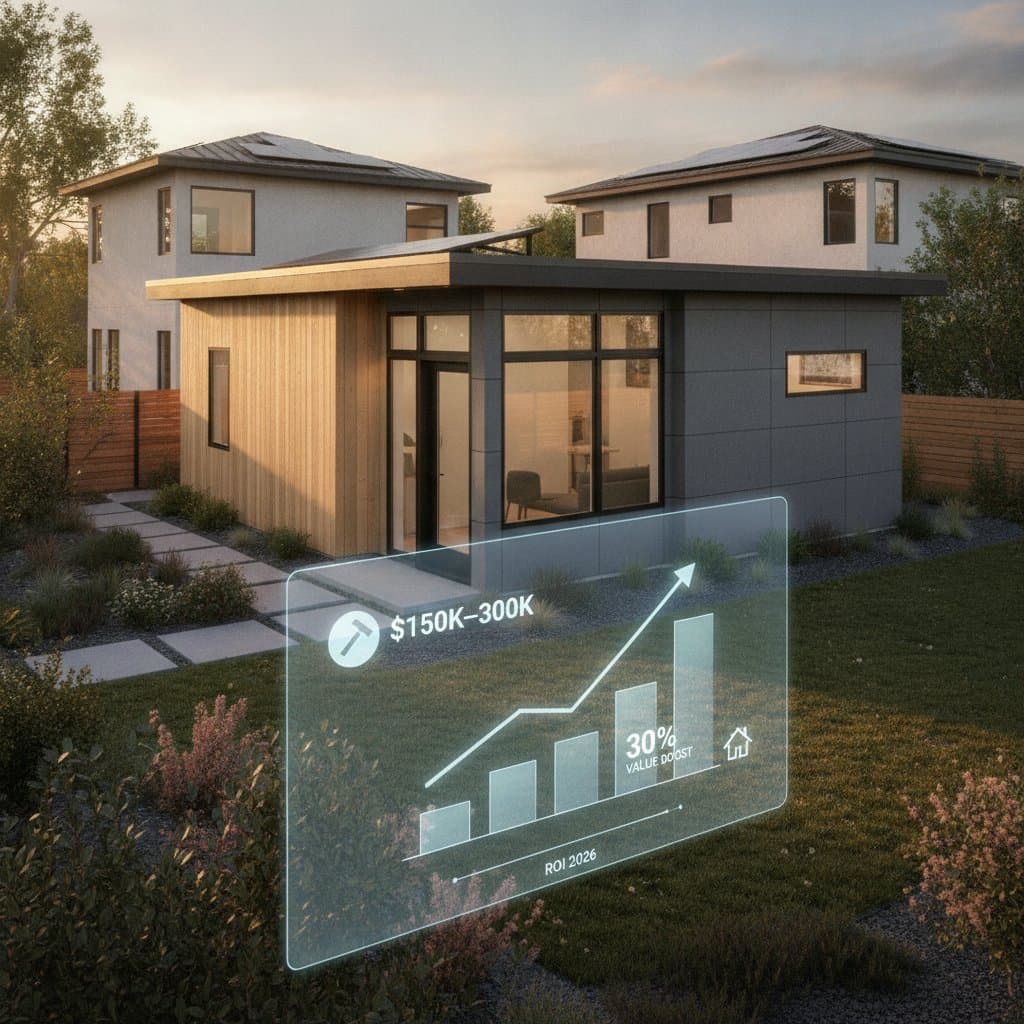
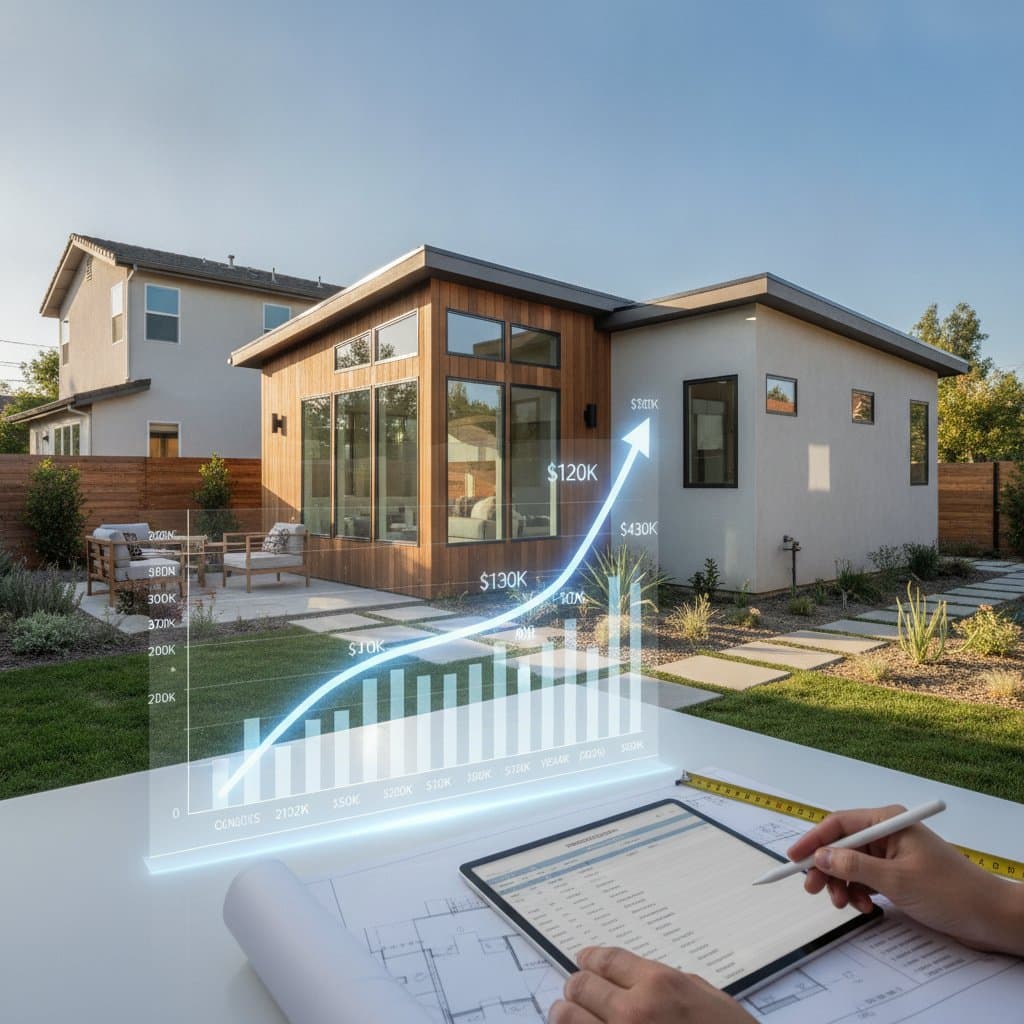
Return on investment hinges on the granny flat's ability to appreciate property worth or produce income streams. In high-demand areas, a $100,000 investment might recoup through $1,200 monthly rents, achieving break-even in seven to ten years. Factor in tax advantages, such as deductions for home office use or rental losses, alongside equity gains from added square footage. To optimize returns, target energy-efficient features that lower operating costs and appeal to eco-conscious tenants, potentially increasing rental rates by 10 to 15 percent.
Addressing Frequent Concerns
What timeline should builders anticipate? Projects generally span three to six months post-permitting, varying with unit scale and weather impacts.
Is a distinct address feasible for the unit? Numerous locales permit unique addressing for rental purposes, applied for during the approval process.
Are independent utilities mandatory? Regulations differ; shared setups suffice in some cases if capacity supports it, though separate metering simplifies tenant billing and utility management.
Safeguarding and Enhancing Long-Term Value
Post-construction care sustains the granny flat's financial and functional merits. Document all approvals, service contracts, and upkeep logs to demonstrate compliance during resale appraisals. Monitor local rental dynamics annually to refine pricing strategies or implement upgrades, such as smart home integrations, that boost tenant retention and property appeal. Through diligent maintenance, this addition transforms into a reliable asset that supports generational wealth and adaptive living needs.