The 2026 Cost Breakdown for Building a Granny Flat
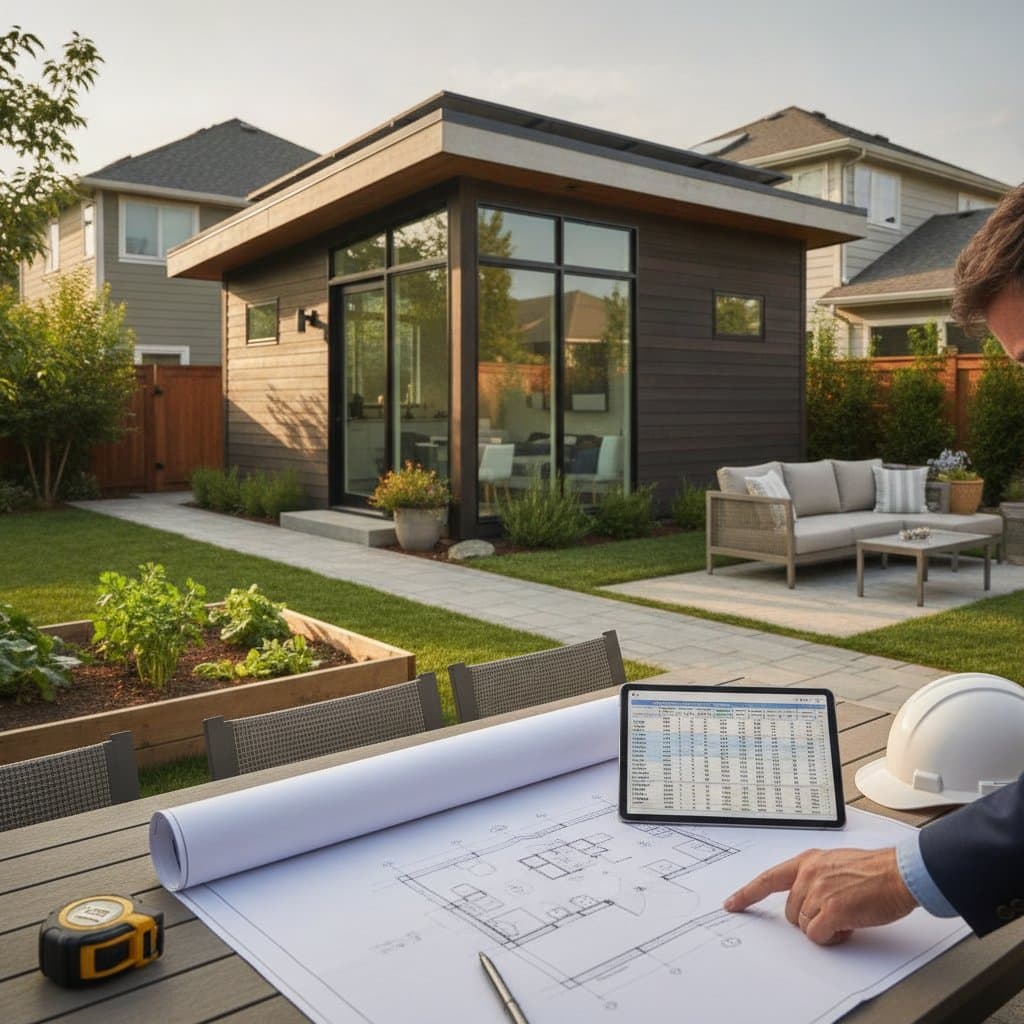
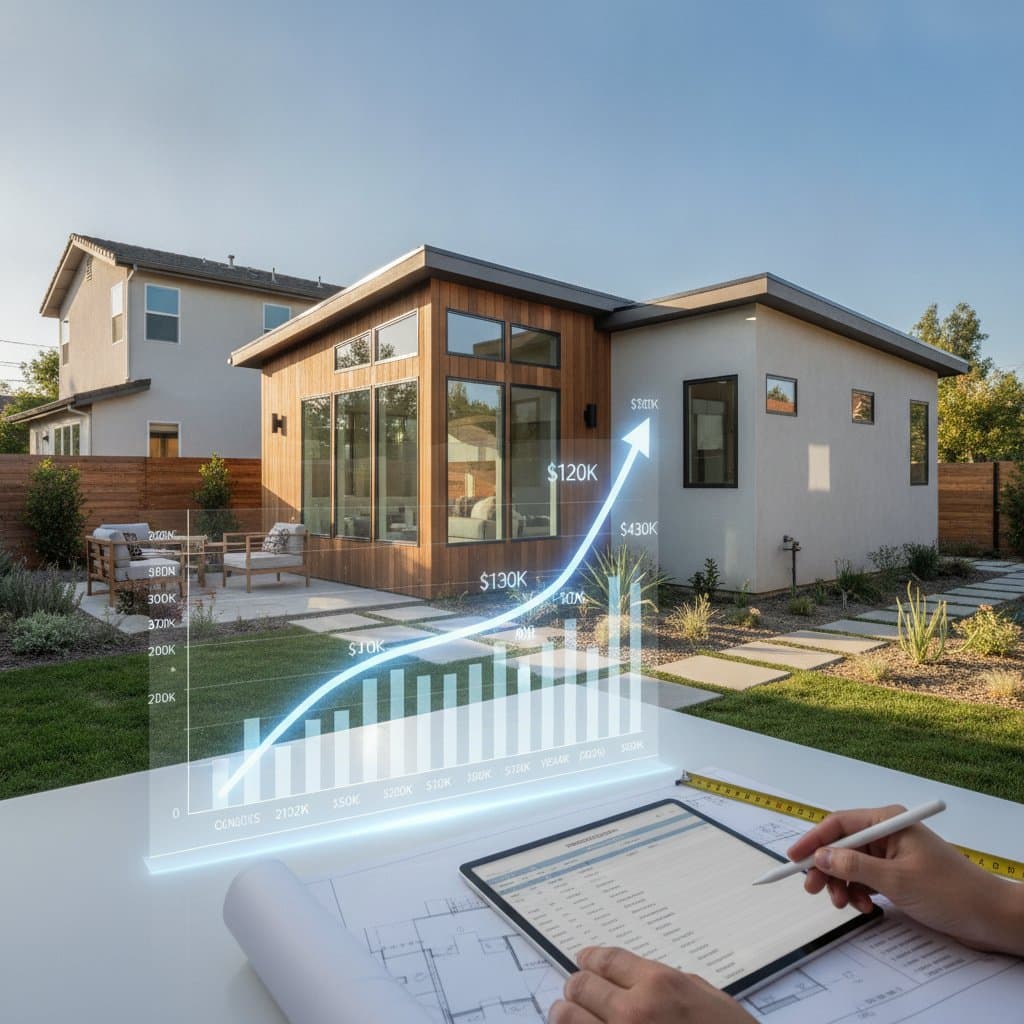
Constructing a granny flat, also known as an accessory dwelling unit or ADU, represents a strategic approach for homeowners to enhance property value and generate income. Homeowners may intend to rent the unit, provide a separate living space for family members, or increase resale potential. A clear understanding of the cost structure enables effective management of expenses while optimizing return on investment.
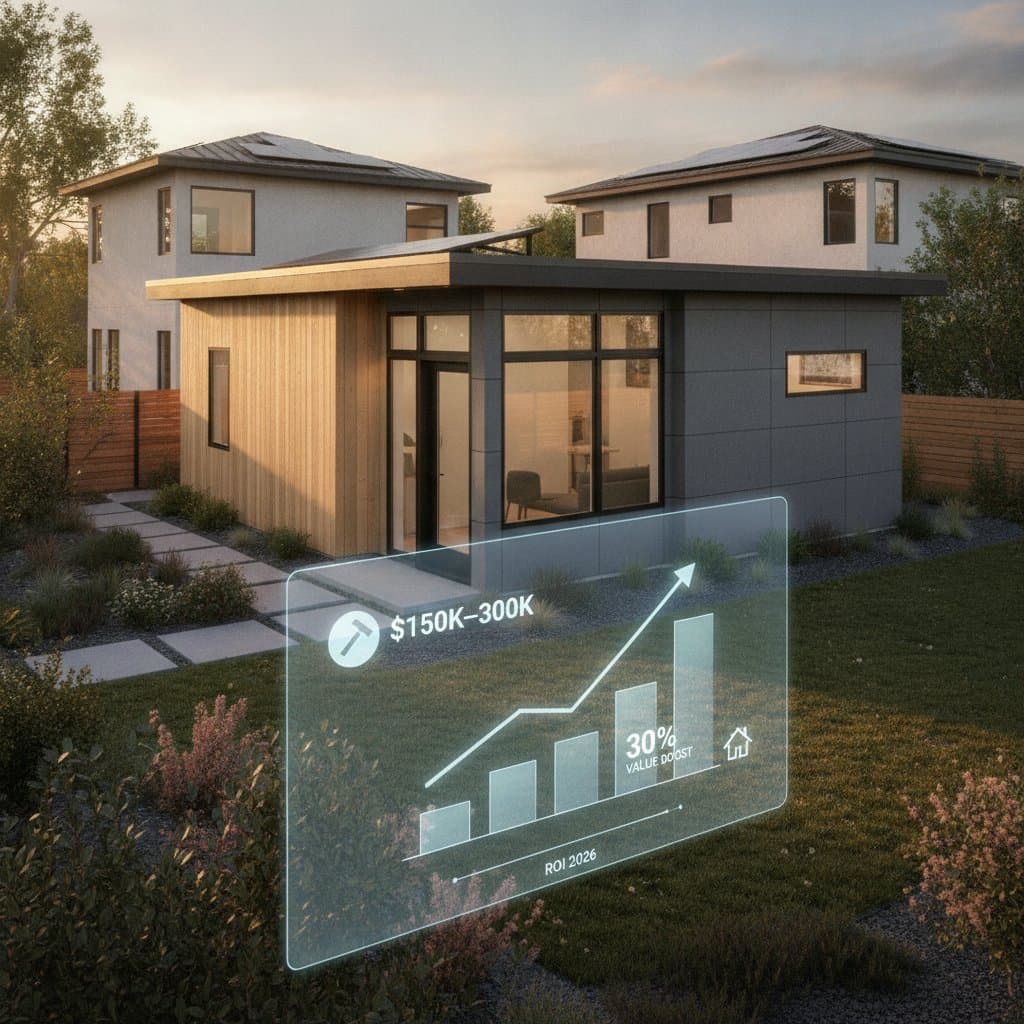
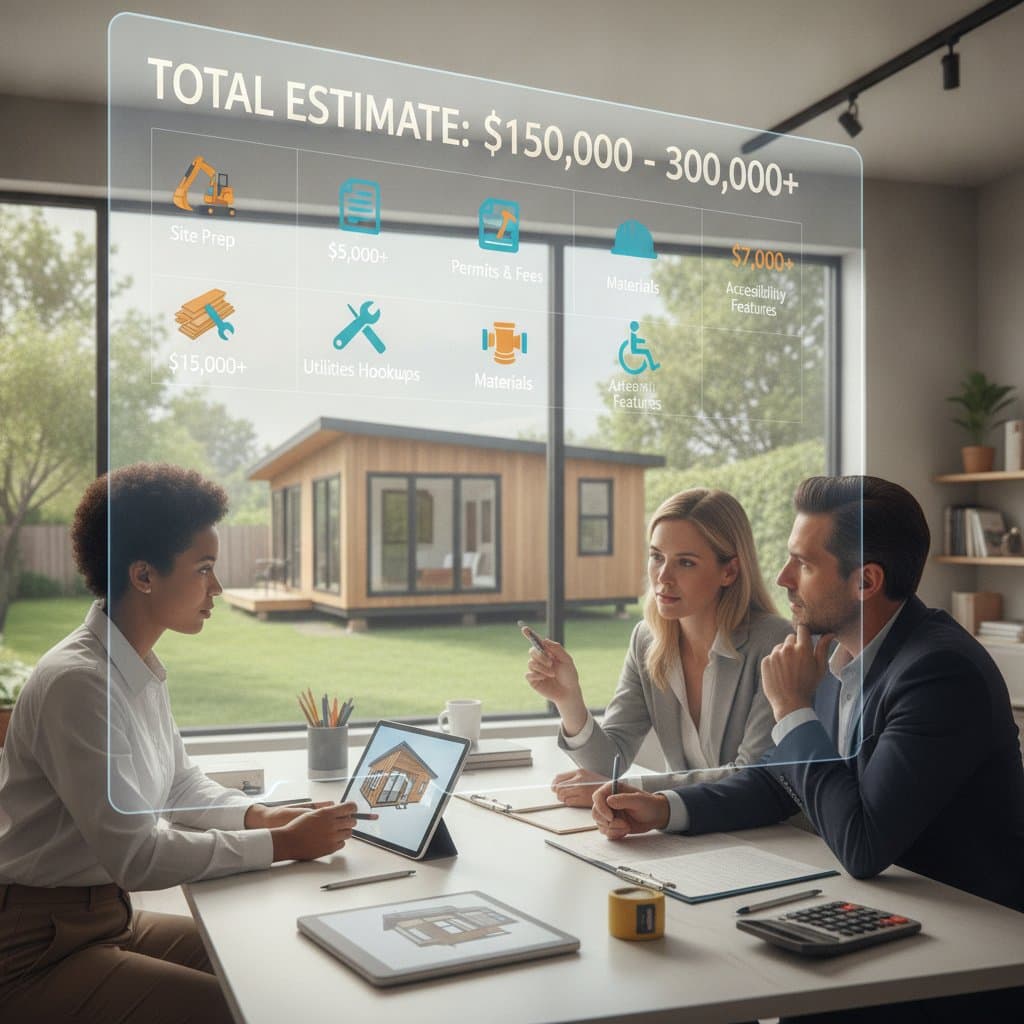
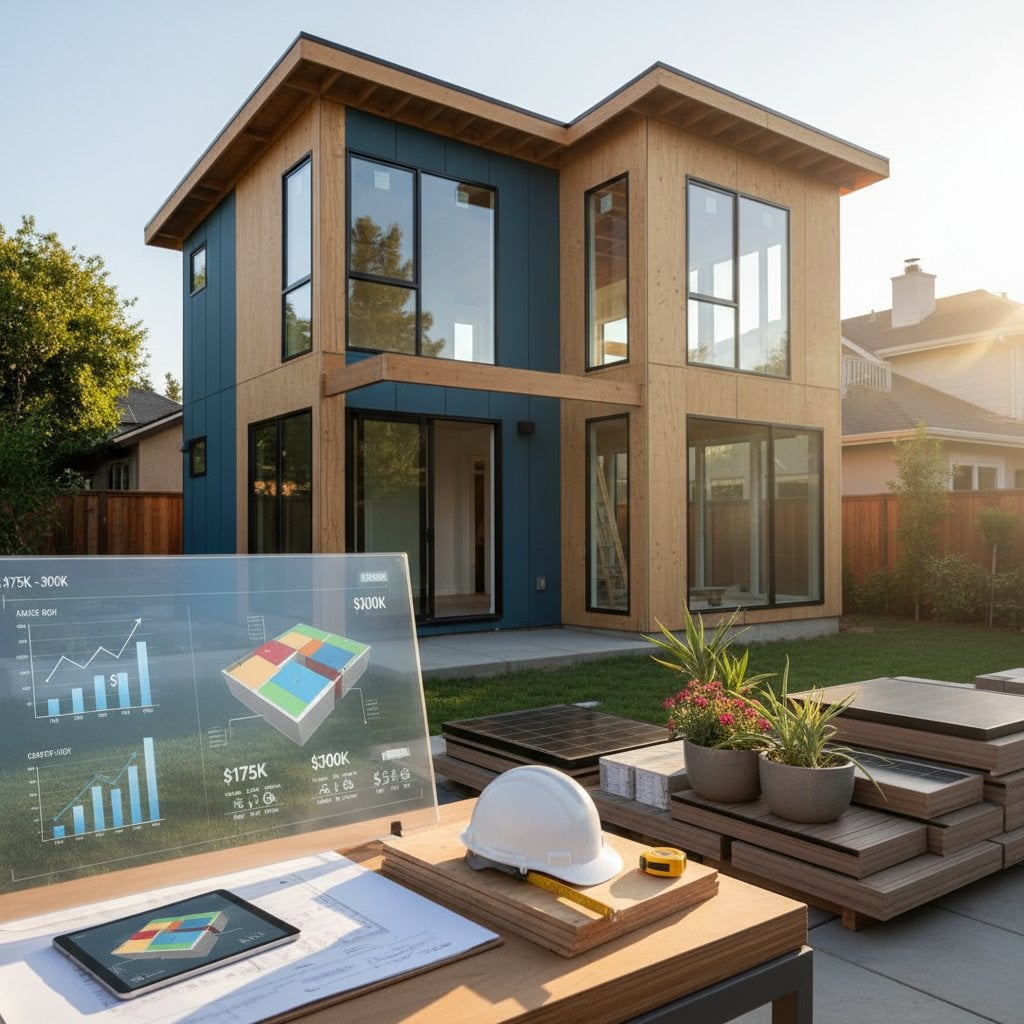
This guide provides a projected cost breakdown for granny flat construction in 2026. It examines how each component affects return on investment and offers methods to control costs without compromising quality. The total estimated cost ranges from $175,000 to $300,000, depending on size, location, and finishes.
Core Cost Categories
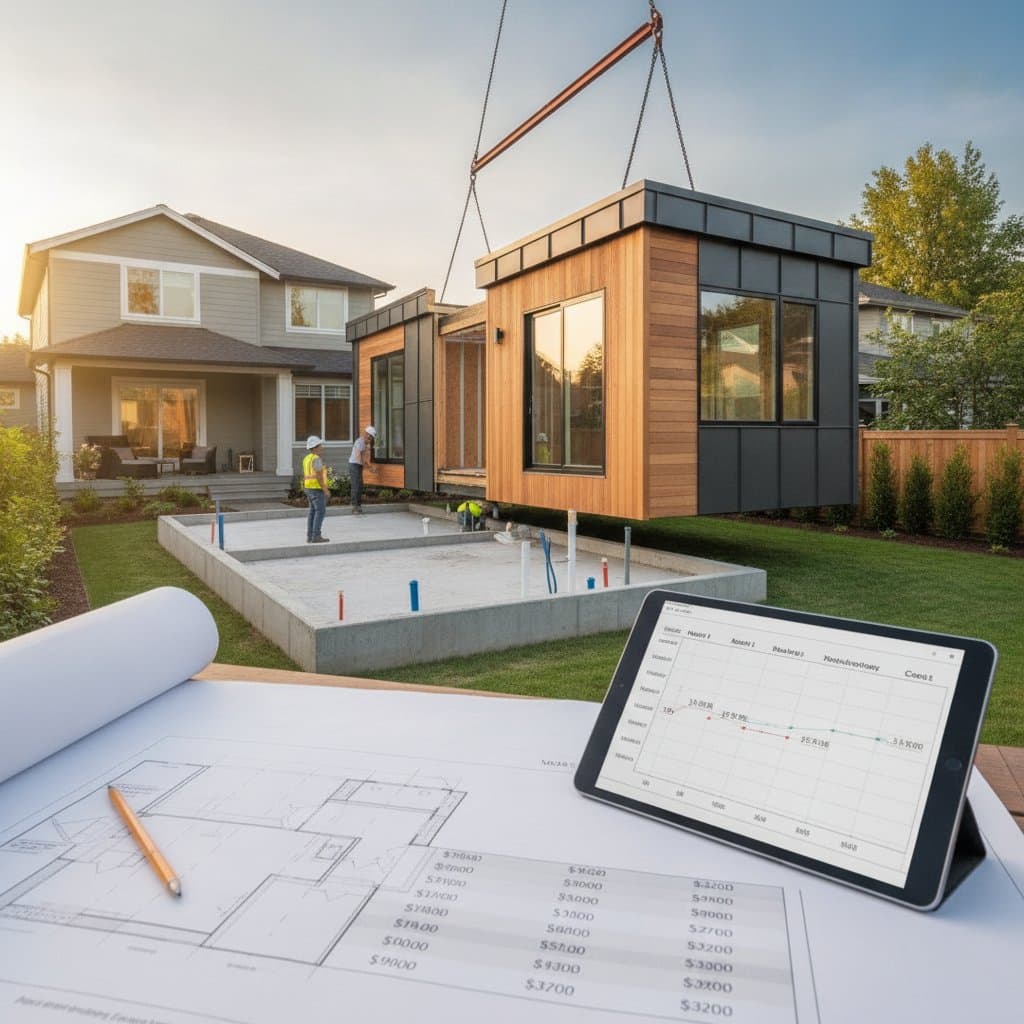
Granny flat expenses divide into distinct phases, each contributing to the overall budget. The following sections outline these categories, including average costs, included elements, return on investment implications, and considerations for professional versus homeowner involvement.
1. Site Preparation and Permitting
Site conditions play a critical role in determining whether the project adheres to the budget. Challenges such as sloped terrain, limited access, or existing utility issues can escalate expenses rapidly.
Average cost range: $10,000 to $35,000
Included elements:
- Land clearing and grading
- Foundation excavation preparation
- Connections for water, sewer, and electrical utilities
- Adjustments to driveways or walkways
- Local permits and associated fees
Return on investment impact: Thoughtful site planning prevents unnecessary expenditures. A level site minimizes foundation and drainage requirements, allowing allocation of funds toward interior enhancements that boost appeal.
Professional versus homeowner involvement: Homeowners may handle basic landscaping or debris removal. Licensed professionals must manage excavation, drainage systems, and utility connections to ensure safety and meet inspection standards.
2. Foundation and Structural Base
The foundation establishes the building's stability and longevity. Soil type, local seismic requirements, and unit size influence the complexity of this phase.
Average cost range: $20,000 to $45,000
Included elements:
- Concrete slab or pier-and-beam foundation
- Reinforcement materials such as rebar
- Waterproofing and drainage systems
- Initial structural inspections
Return on investment impact: A durable foundation reduces future repair costs and supports energy-efficient designs. High-quality bases enhance the unit's marketability, potentially increasing rental rates by 5 to 10 percent.
Professional versus homeowner involvement: This phase requires certified engineers and contractors due to structural codes and load-bearing demands. Homeowner participation remains limited to minor site cleanup.
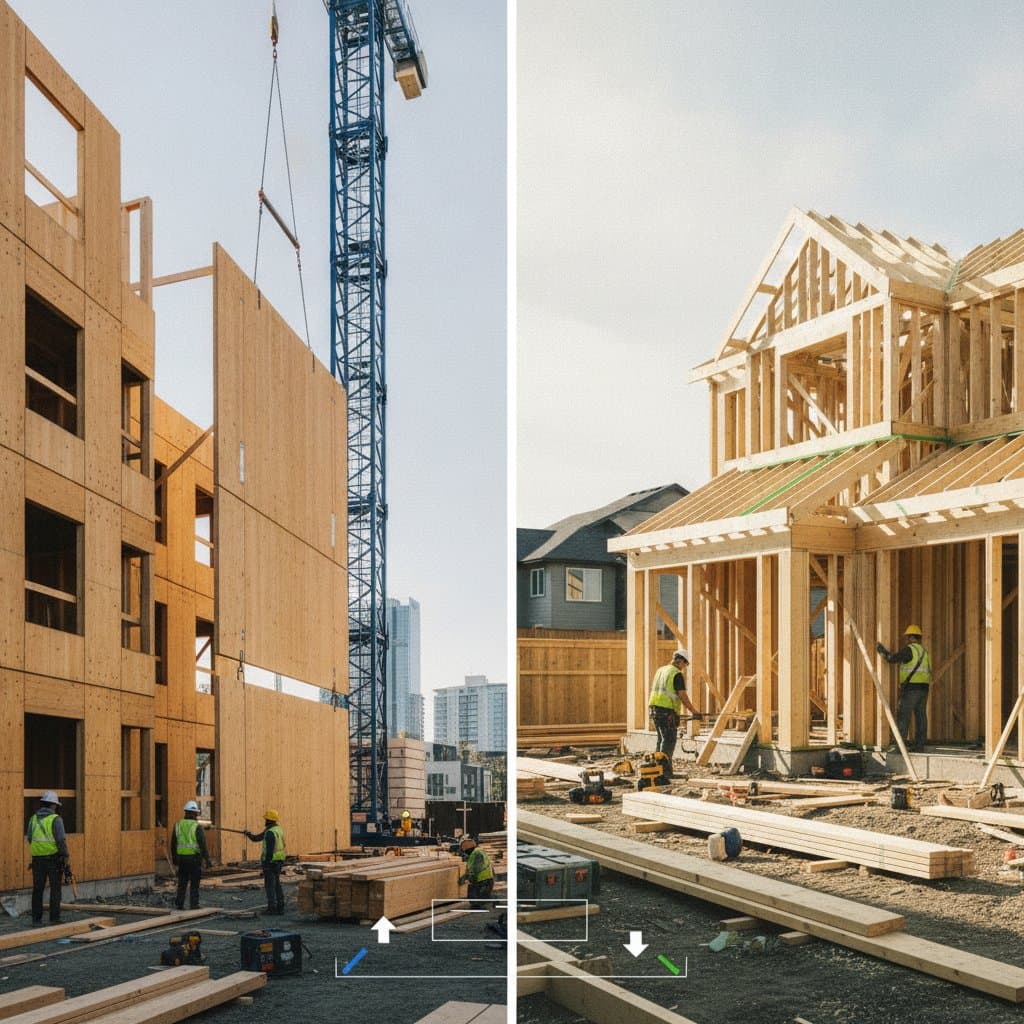
3. Framing, Roofing, and Exterior Shell
This construction stage shapes the unit's exterior appearance and provides essential weather resistance. Choices in materials affect both initial costs and ongoing performance.
Average cost range: $40,000 to $70,000
Included elements:
- Lumber and sheathing for framing
- Roofing options including asphalt shingles, clay tiles, or metal panels
- Exterior doors and windows
- Siding materials such as wood, fiber cement, or stucco
Return on investment impact: Selecting durable, energy-efficient options like metal roofing or double-pane windows elevates curb appeal and reduces utility expenses by 10 to 20 percent annually. These features attract higher-paying tenants and buyers.
Professional versus homeowner involvement: Homeowners can undertake tasks like exterior painting or trim installation. Skilled teams must handle framing and roofing to comply with safety regulations and building codes.
4. Mechanical Systems: Plumbing, Electrical, and HVAC
Integrating plumbing, electrical, and heating, ventilation, and air conditioning systems ensures functionality and comfort. Compliance with local codes remains essential for habitability.
Average cost range: $25,000 to $50,000
Included elements:
- Plumbing pipes, fixtures, and water heater installation
- Electrical wiring, panels, and lighting
- HVAC units, ductwork, and ventilation
- Initial system testing and inspections
Return on investment impact: Efficient systems lower operational costs and appeal to environmentally aware renters. Energy Star-rated HVAC can recoup installation costs through savings within three to five years.
Professional versus homeowner involvement: Licensed plumbers, electricians, and HVAC specialists must perform all installations to meet safety standards. Homeowners should avoid these tasks to prevent code violations.
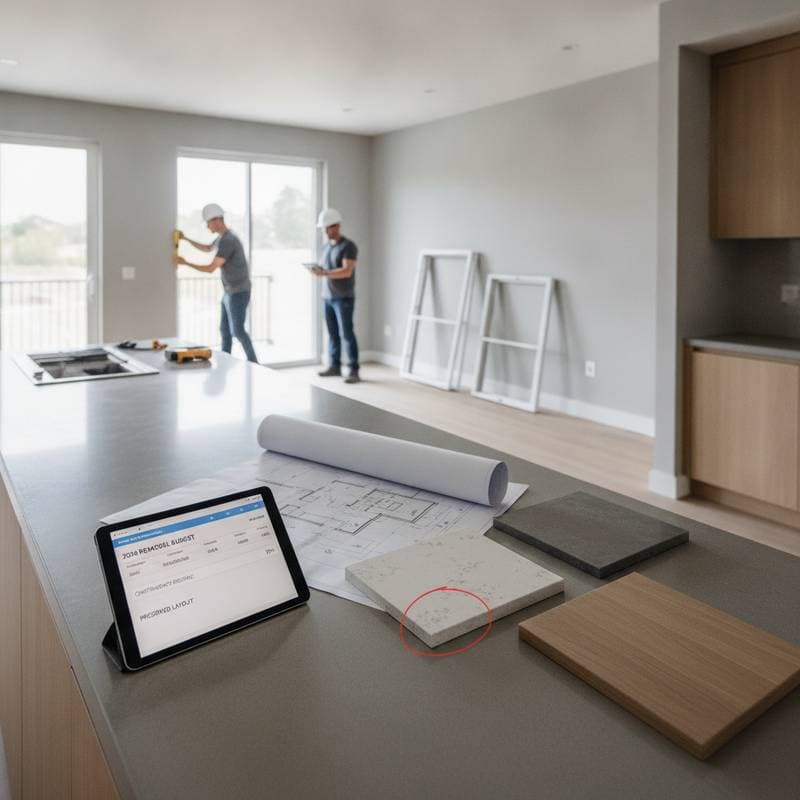
5. Interior Finishes
Interior elements determine the space's usability and attractiveness. Focus on durable, appealing materials that align with target users' preferences.
Average cost range: $30,000 to $60,000
Included elements:
- Flooring, cabinetry, countertops, and tile work
- Interior painting, trim, and hardware
- Kitchen and bathroom fixtures, plus appliances
Return on investment insight: Mid-level selections, such as vinyl plank flooring and quartz surfaces, balance cost and durability. These choices minimize maintenance while supporting premium rental pricing.
Design consideration: Neutral palettes and ample lighting expand perceived space, potentially raising rental interest by up to 10 percent.
Professional versus homeowner involvement: Homeowners may install paint, flooring, or trim. Professionals handle cabinetry, tiling, and fixture integration for precision and warranty protection.
6. Final Touches: Kitchen, Bathroom, and Landscaping
Completing the unit involves specialized areas and exterior enhancements that tie the project together.
Average cost range: $20,000 to $40,000
Included elements:
- Kitchen appliances, sinks, and cabinetry details
- Bathroom vanities, showers, and toilets
- Basic landscaping, fencing, and outdoor lighting
Return on investment impact: Functional kitchens and bathrooms drive rental demand. Thoughtful landscaping improves privacy and aesthetics, adding 5 to 8 percent to property value.
Professional versus homeowner involvement: Contractors install plumbing-integrated features. Homeowners can contribute to landscaping for cost savings.
Factors Influencing Total Costs and Returns
Multiple variables shape the project's financial outcome. Addressing these early supports informed decision-making.
Location and Regulatory Environment
Labor costs and permit fees differ by region. Urban areas often impose stricter zoning, such as setback rules or utility mandates, raising expenses by 20 to 30 percent. Review local ADU policies prior to planning.
Unit Dimensions and Configuration
Smaller units incur higher per-square-foot costs but lower totals. A 400-square-foot studio averages $400 per square foot, whereas a 1,000-square-foot two-bedroom unit drops to $280 per square foot. Larger layouts typically yield superior rental returns despite elevated upfront investment.
Material Selection
Premium materials increase initial outlays but extend service life. Fiber cement siding endures for approximately 50 years, compared to 20 years for basic wood options, thereby reducing replacement frequency.
Labor and Timeline Management
Labor accounts for 45 to 55 percent of expenses. Weather delays, material shortages, or scope changes inflate costs. A structured schedule mitigates these risks and preserves return on investment.
Strategies to Reduce Expenses Effectively
Implement these approaches to optimize the budget while upholding standards.
Adopt Simple Architectural Designs
Rectangular forms with straightforward roofs lower framing and material needs. Eliminate intricate angles to streamline construction and reduce waste.
Select Pre-Approved Blueprints
Architects and builders provide code-compliant ADU templates. These options cut design and approval costs by $5,000 to $15,000.
Consolidate Material Procurement
Bulk purchasing for items like framing, insulation, and drywall minimizes delivery fees and supplier premiums.
Incorporate Versatile Interior Features
Integrated storage and multi-use furniture allow smaller footprints, decreasing build and furnishing expenses.
Prioritize Energy-Saving Technologies
Enhanced insulation and HVAC systems add about 5 percent to the budget. These investments recover through reduced utilities and increased tenant appeal within five years.
Frequently Asked Questions on Costs and Returns
What size granny flat optimizes return on investment?
Units of 500 to 800 square feet strike an ideal balance. They suit single occupants, couples, or small households while maintaining favorable cost-to-rent ratios.
Which materials offer the greatest durability?
Fiber cement siding, metal roofing, and vinyl plank flooring provide long-term performance with minimal upkeep, preserving value over decades.
Are separate utilities mandatory for ADUs?
Rental units typically require independent meters for electricity and water per local rules. Family-use setups may share systems, though separate metering simplifies future management.
Should the ADU attach to the main house or stand alone?
Detached units cost more for foundations and utilities but offer superior privacy and higher rents, often justifying the premium.
Does adding a granny flat raise property taxes?
The addition triggers a value reassessment, increasing taxes modestly. Rental income generally offsets this adjustment.
Enhancing Long-Term Value
Post-construction efforts sustain and amplify benefits.
- Set competitive rents based on market analysis, vet tenants thoroughly, and prioritize high occupancy.
- Refinance once income stabilizes to access equity for improvements.
- Install features like solar panels or programmable thermostats to cut costs and draw sustainable-minded renters.
- Track regulatory changes for potential grants or incentives that enhance ADU viability.
Achieving Balanced Investment Outcomes
A granny flat project demands careful cost oversight from initial site work through final landscaping. This approach ensures quality construction that delivers financial gains and practical utility for years ahead.