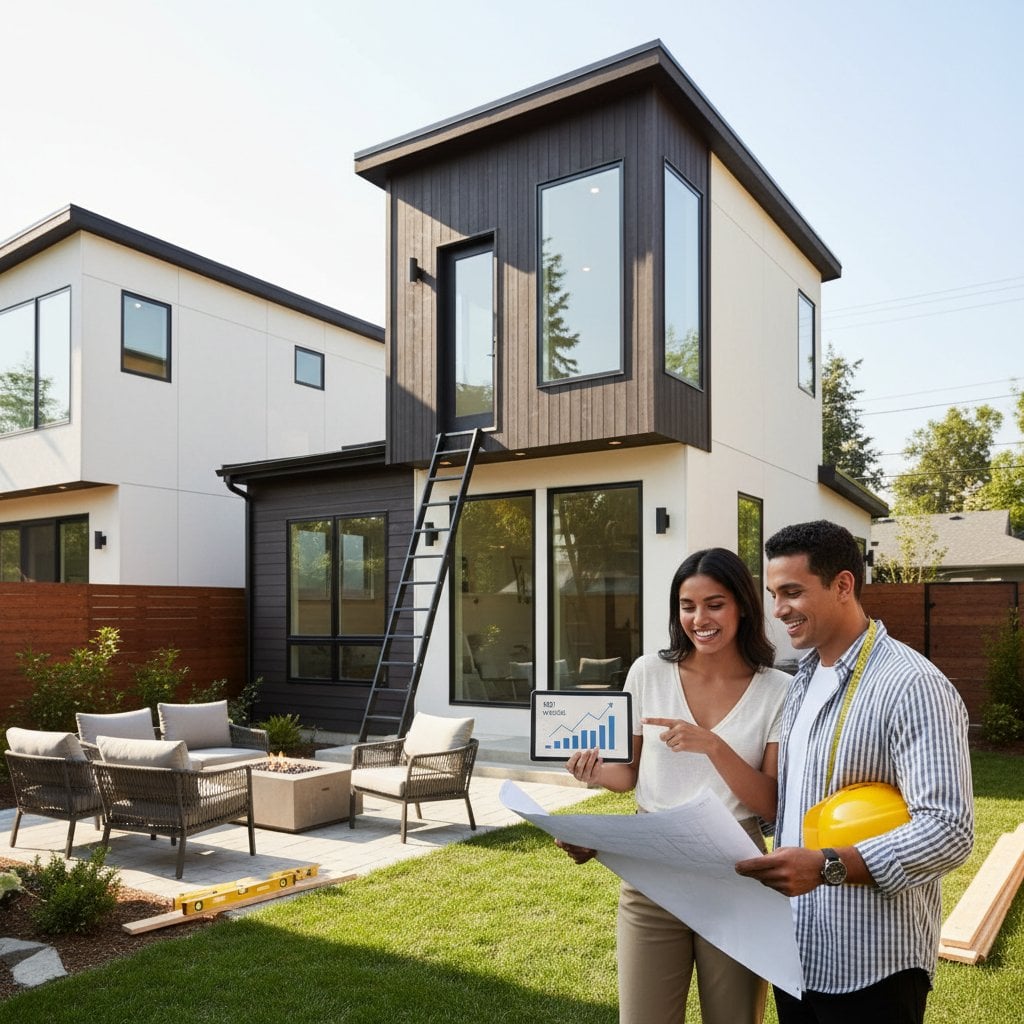
Unlock Steady Income: Achieving 6-12% ROI with ADU Rentals on a $240,000 Investment
Homeowners increasingly turn to accessory dwelling units (ADUs) to create additional rental income and enhance property values. These structures, such as detached cottages, garage conversions, or basement apartments, offer a reliable path to financial growth when planned thoughtfully. By evaluating construction expenses, rental yields, and return on investment (ROI), individuals can proceed with informed decisions that align with their goals.
Essential Cost Overview
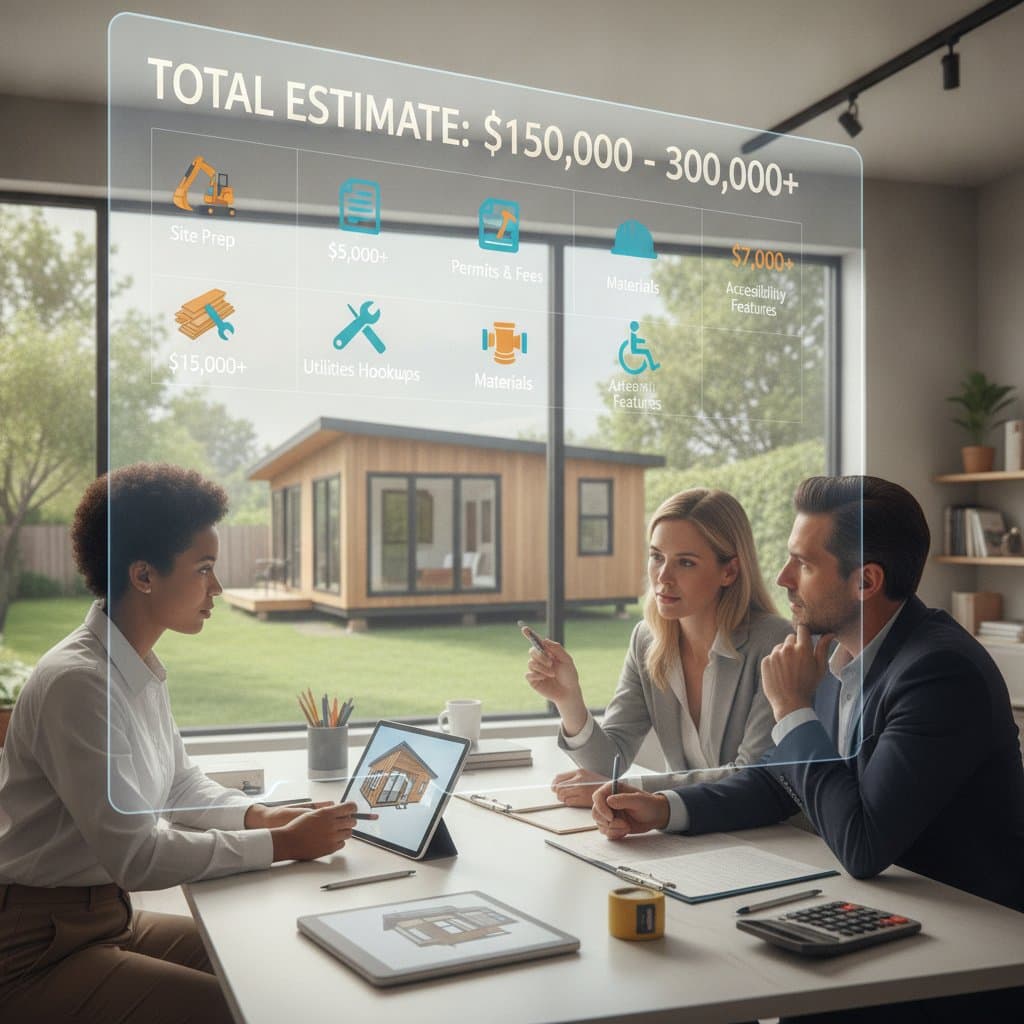
ADU construction typically costs between $140,000 and $380,000, with a mid-sized detached unit averaging $240,000. Smaller attached units or conversions range from $90,000 to $180,000, varying by factors like site preparation, utility integration, and architectural details.
Monthly rental rates for ADUs generally span $1,500 to $3,000, influenced by location, unit size, and features. Effective management yields an annual ROI of 6 to 12 percent for most projects.
Core Considerations
- Costs per square foot fall between $250 and $500, shaped by design choices, permitting processes, and material selections.
- ROI hinges on local rental markets, loan conditions, and management approaches, whether self-directed or outsourced.
- Detached ADUs involve higher initial expenses yet command premium rents due to enhanced privacy.
- Zoning laws, parking mandates, and utility extensions introduce potential additional fees.
- Incorporating energy-efficient elements and robust materials supports sustained profitability over time.
Costs Based on Size and Configuration
Project expenses vary significantly with the ADU's dimensions and build type. Compact units demand less material and time, though fixed costs for utilities and approvals apply universally.
| ADU Type | Typical Size (sq. ft.) | Estimated Total Cost | Cost per sq. ft. |
|---|---|---|---|
| Garage Conversion | 300–500 | $90,000–$150,000 | $250–$350 |
| Attached ADU | 400–800 | $130,000–$250,000 | $275–$400 |
| Detached ADU | 500–1,000 | $180,000–$380,000 | $300–$500 |
| Basement Apartment | 400–700 | $100,000–$200,000 | $250–$350 |
Detached configurations demand the greatest investment but provide superior tenant appeal through seclusion. Conversions prove more budget-friendly, constrained however by pre-existing building constraints like headroom and spatial flow.
Labor and Contractor Expenses
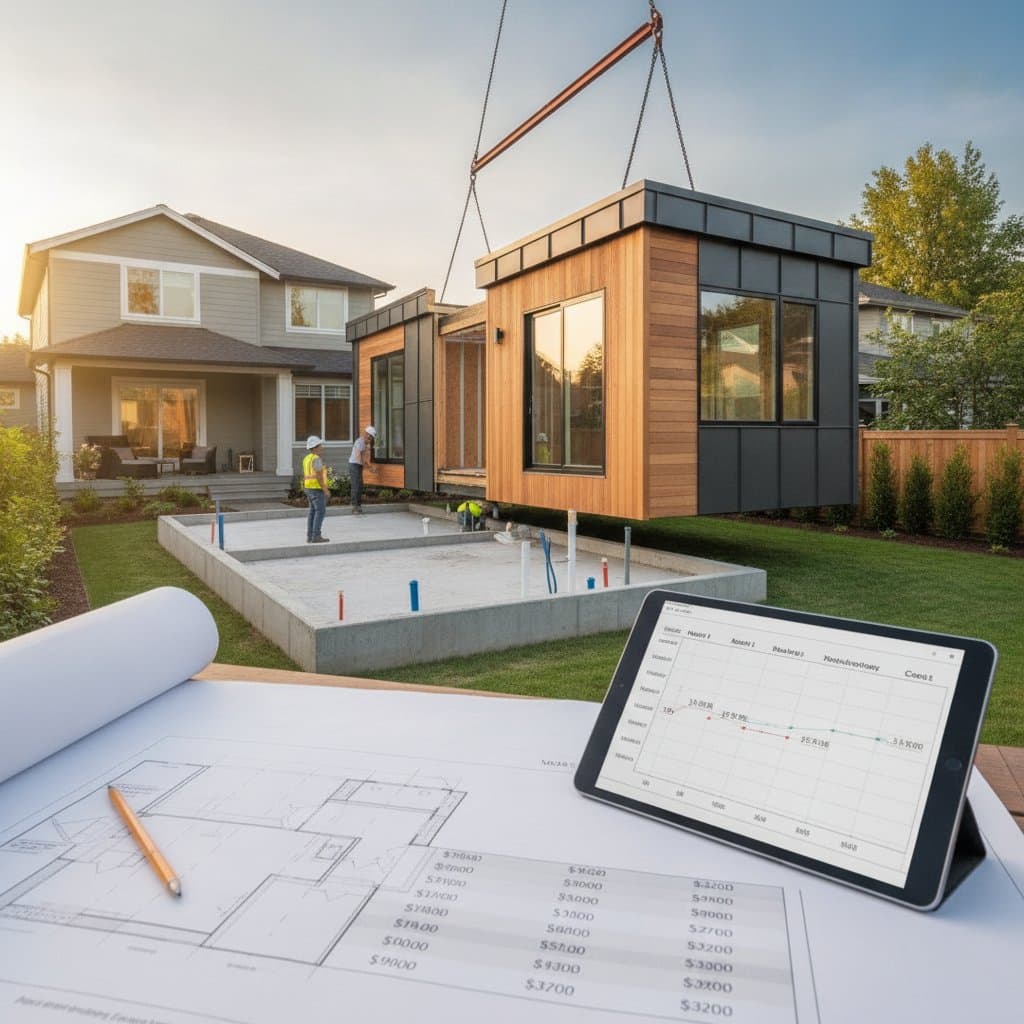
Labor accounts for 40 to 60 percent of the overall budget. Engaging a general contractor streamlines oversight for complex builds. Breakdowns include:
- Architectural design and permitting: $5,000–$20,000
- Site preparation and foundation: $15,000–$40,000
- Framing and exterior materials: $30,000–$80,000
- Plumbing, electrical, and HVAC: $25,000–$60,000
- Interior finishes and fixtures: $20,000–$50,000
- Landscaping and finishing details: $5,000–$15,000
Contractors apply a 10 to 20 percent fee for coordination and administration. Selecting licensed experts guarantees adherence to codes and minimizes inspection-related revisions.
Influencing Cost Variables
Multiple aspects can elevate or temper expenditures:
Permitting and Regulatory Fees
Approval processes range from $2,000 to $15,000 across jurisdictions. Certain areas provide incentives like fee waivers or expedited reviews for ADUs, whereas others mandate independent utility services that inflate budgets.
Design Intricacies
Elaborate customizations, luxury surfaces, or unconventional forms escalate outlays. Opting for straightforward footprints and conventional measurements curtails material surplus and accelerates timelines.
Utility Integration
Linking to current water, sewage, and power sources may prove simple or demanding, based on proximity and terrain. Detached builds frequently necessitate excavation for lines, unlike conversions that leverage in-place infrastructure.
Property-Specific Challenges
Uneven terrain, restricted entryways, or aging bases call for extra earthwork, leveling, or fortification, potentially adding $10,000 to $30,000.
Strategies to Control Construction Expenses
Thoughtful decisions enable cost management while preserving enduring worth. Consider these approaches:
- Adopt a basic layout with straight lines and simple roofing to lower structural demands.
- Leverage current buildings for conversions, bypassing new groundwork and skeletal work.
- Select resilient, moderately priced materials that balance durability and affordability.
- Integrate energy-saving features like superior insulation, energy-efficient lights, and optimized heating to cut ongoing bills and draw renters.
- Oversee the project personally if experienced, contracting specialists directly to bypass overhead.
- Utilize prefabricated or standard blueprints to shorten planning phases.
Calculating Return on Investment
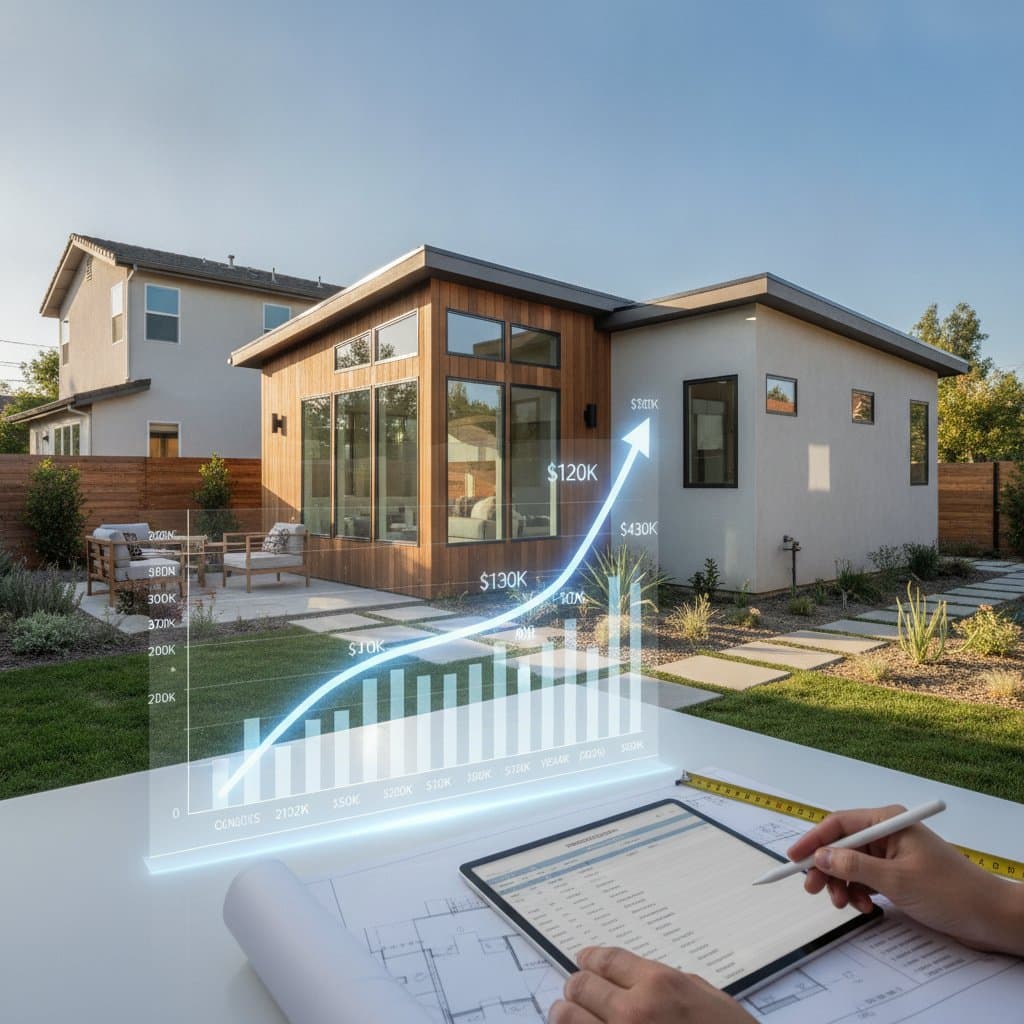
ADU profitability arises from initial outlay, lease pricing, upkeep, and funding structures. For a $240,000 detached unit renting at $2,200 monthly, gross yearly revenue totals $26,400. Deducting maintenance, taxes, and downtime yields net earnings of $20,000 to $22,000, equating to 8 to 10 percent ROI.
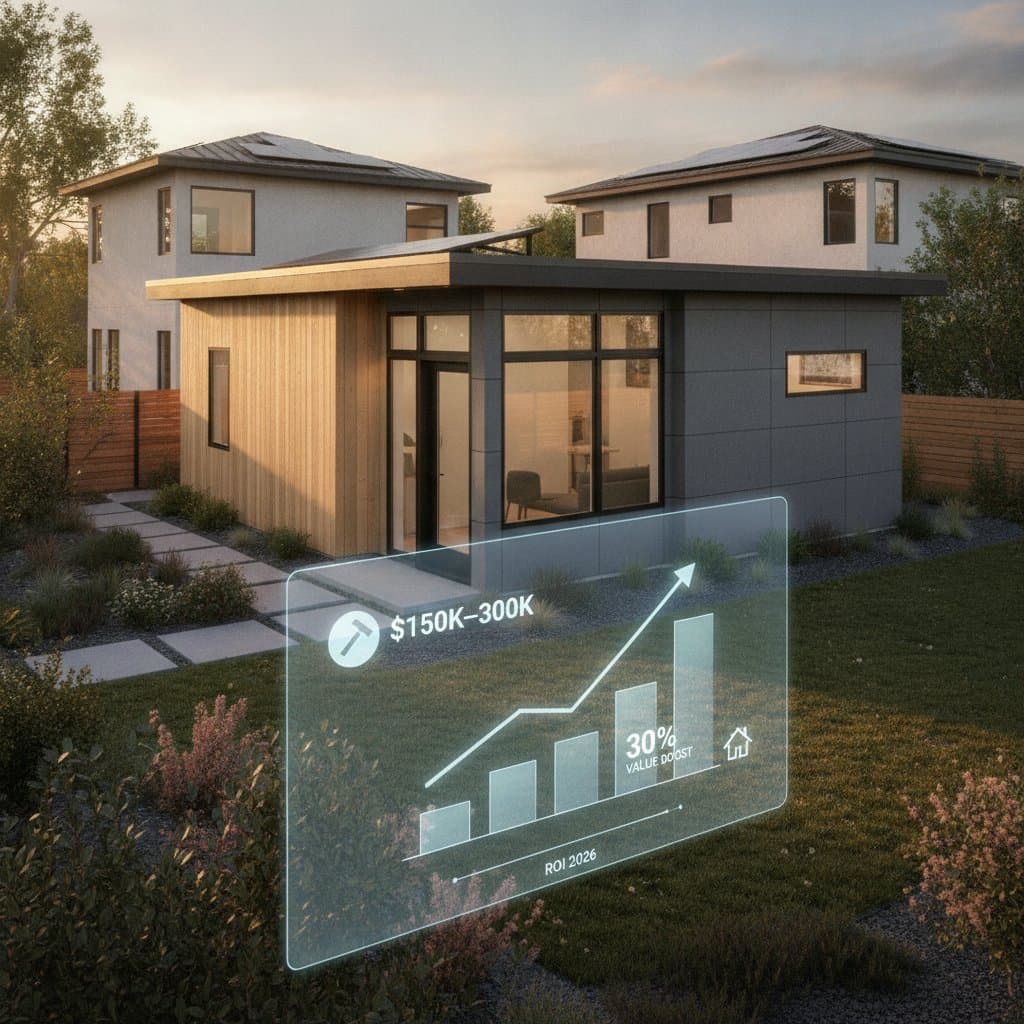
Elevated build or debt costs extend recovery to 10 to 15 years. Yet, rising property worth and tenant demand bolster future gains. ADUs typically elevate overall asset value by 20 to 35 percent, contingent on locale and execution.
ROI Illustrations by Type
| ADU Type | Build Cost | Monthly Rent | Estimated Annual ROI |
|---|---|---|---|
| Garage Conversion | $120,000 | $1,500 | 9% |
| Attached ADU | $180,000 | $2,000 | 8% |
| Detached ADU | $240,000 | $2,400 | 10% |
| Basement Apartment | $150,000 | $1,800 | 9% |
Premium pricing stems from isolated access and complete amenities. Fluctuating economies and ordinances adjust figures, though strategic ADUs surpass low-yield options like deposits or fixed-income securities.
Balancing DIY Efforts and Professional Services
ADU development demands precise orchestration of planning, approvals, and execution. Personal involvement cuts costs in select areas, yet boundaries exist.
Suitable DIY Tasks
Individuals skilled in finishing may tackle painting, yard setup, or detailing, saving $5,000 to $15,000 on closures.
Essential Professional Input
Critical systems like wiring, piping, and load-bearing elements require certified handlers for safety and regulatory passage. Extensive detached projects or foundational additions benefit from contractor leadership to avert setbacks and errors.
Financial Trade-offs
Professional engagement raises immediate spending but curtails hazards and durations. Partial self-reliance suits modest retrofits, provided errors do not necessitate corrective expenditures for compliance.
Data Sources for Estimates
Projections derive from compiled builder quotes, owner feedback, and area benchmarks. Totals encompass comprehensive services: approvals, supplies, and workforce. Lease figures mirror standard one-bedroom rates in mixed residential zones.
Common Questions
What is the typical timeline for ADU completion? Projects span six to twelve months from concept to occupancy, with approvals extending by weeks.
Are separate addressing or metering required? Regulations differ; some locales insist on distinct identifiers or services, others permit shared setups. Verify with authorities early.
Is home equity financing viable for ADUs? Affirmative; equity loans or credits fund many builds, alongside specialized upgrade loans from providers.
How to determine ADU eligibility for a site? Consult municipal planners regarding size thresholds, boundaries, elevations, and vehicle provisions.
Will an ADU raise tax assessments? Incrementally, based on the addition's appraised worth, sparing the primary residence.
Which leasing approach maximizes yields? Extended tenancies ensure consistent revenue; brief stays boost earnings but demand oversight and may encounter bans.
Safeguarding Long-Term Value
Post-construction, diligent care sustains income streams. Conduct annual reviews of systems like drainage, coverings, and climate controls. Track revenues and outgoings meticulously for fiscal ease.
Enhance interiors or install thrifty devices to support rate adjustments and retention. Preserve aesthetics through grounds upkeep and facade maintenance to sustain renter interest.
ADUs furnish dependable revenue, housing versatility, and asset appreciation. Grasping expenses, yields, and returns empowers strategic execution for optimal financial outcomes.