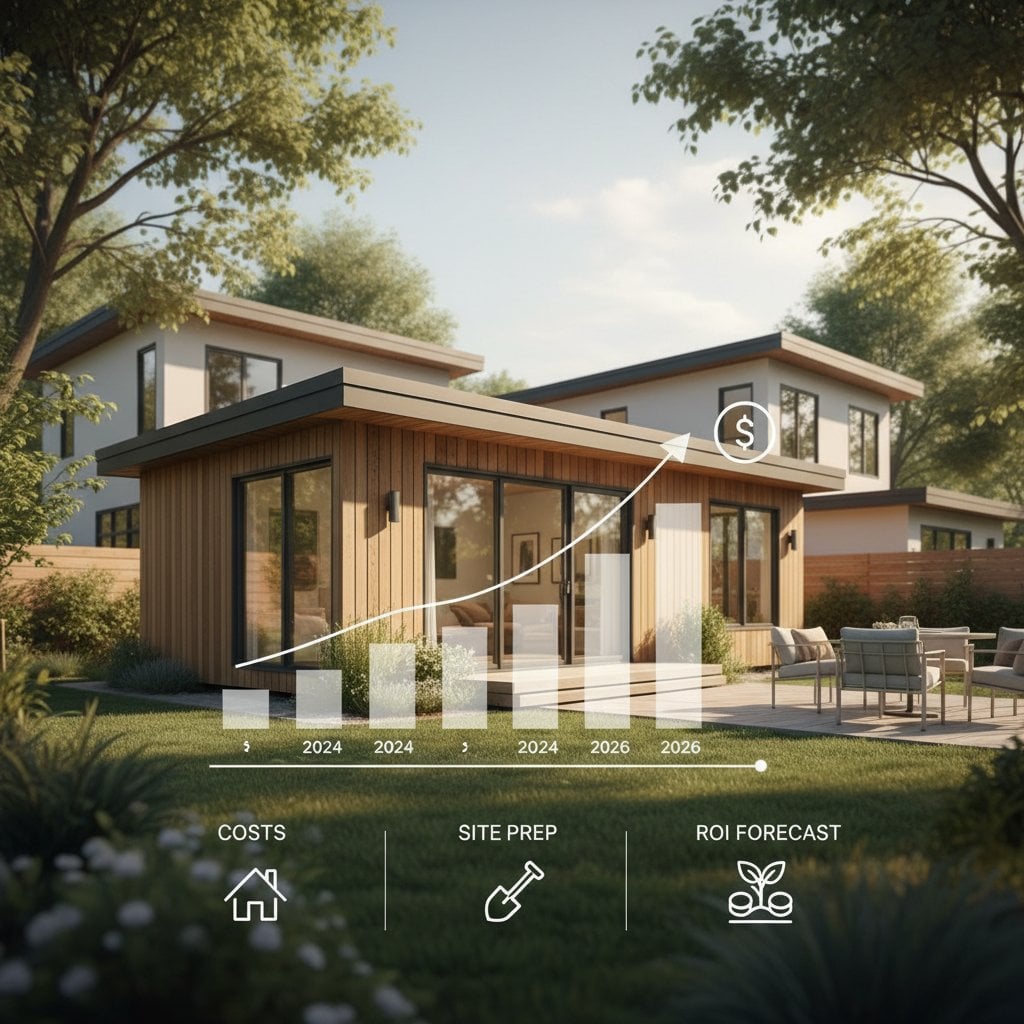
Prefab ADUs: Costs and Backyard ROI Forecast Through 2026
Prefab accessory dwelling units, known as ADUs, represent a practical solution for expanding living space without undertaking a complete home renovation. These factory-built structures integrate seamlessly into backyards and function as rental properties, guest accommodations, or dedicated workspaces. This article examines the costs associated with prefab ADUs and projects their impact on property return on investment through 2026, providing homeowners with essential insights for informed decision-making.
Understanding Prefab ADUs
A prefab ADU consists of components constructed in a factory setting and then transported to the site for assembly. This method shortens the overall timeline from order to occupancy, often completing the project in weeks rather than months. The factory-controlled process enhances material quality and reduces exposure to weather-related delays, resulting in durable structures that meet stringent building codes.
Available prefab ADU designs span a variety of sizes, from compact studios under 400 square feet to spacious one- or two-bedroom configurations exceeding 800 square feet. While base layouts follow efficient, modular patterns, homeowners can select from options such as quartz countertops, hardwood flooring, or integrated smart home systems. The inherent efficiency of prefab construction not only accelerates installation but also simplifies future upkeep, with many models featuring weather-resistant exteriors and energy-efficient appliances.
Detailed Cost Breakdown
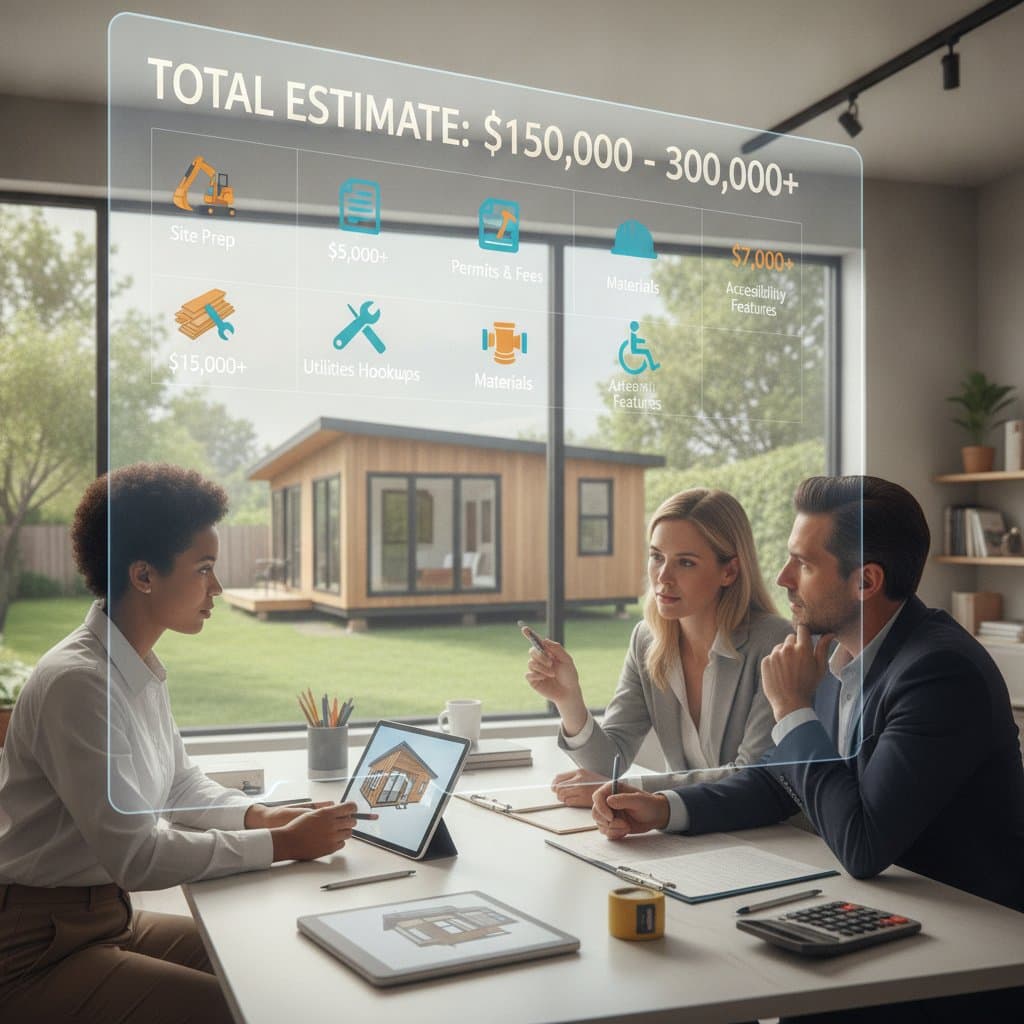
The total expense for a prefab ADU depends on factors including unit dimensions, selected materials, and site-specific requirements. Homeowners should allocate budgets across several key categories to avoid surprises. The following outline provides a structured view of typical expenditures based on current market data.
-
Base Unit Price
Entry-level studio models generally range from $80,000 to $120,000, encompassing the core structure, basic interior finishes, and essential systems like plumbing and electrical wiring. Mid-sized one-bedroom units fall between $150,000 and $250,000, while larger two-bedroom options can exceed $300,000. These figures account for modular framing, insulation, and standard appliances, but prices fluctuate with regional labor rates and material availability. -
Site Preparation
Preparation of the building site often constitutes 20 to 30 percent of the overall budget, covering tasks such as soil grading, foundation pouring, and utility hookups. Flat, accessible lots minimize costs at around $10,000 to $20,000, whereas challenging terrains like slopes or rocky soil may push expenses to $40,000 or more. Obtaining necessary permits adds $1,000 to $5,000, depending on local regulations and environmental assessments. -
Delivery and Installation
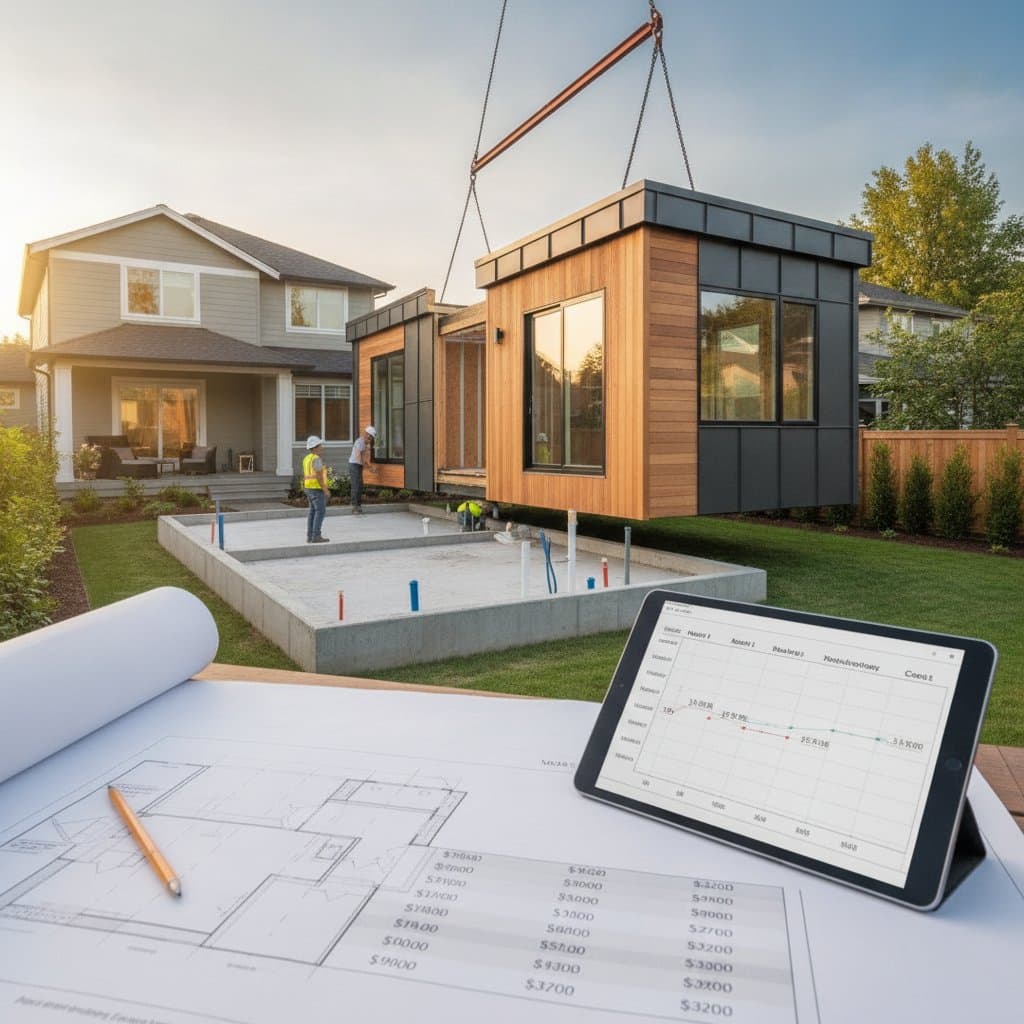
Shipping costs vary by the distance from the manufacturing facility, typically adding $5,000 to $15,000 for units transported within 500 miles. On-site assembly requires cranes or specialized equipment, incurring fees of $10,000 to $25,000 for standard installations. Larger units demand coordinated logistics, including temporary road closures or reinforced access paths, which can increase these charges. -
Customization and Upgrades
Personalizing the interior with premium elements, such as energy-efficient LED lighting or custom cabinetry, raises the base price by 10 to 20 percent. Integrating sustainable features like solar panels ($15,000 to $30,000) or high-performance HVAC systems ($5,000 to $10,000) elevates initial outlays but yields savings on utility bills over time. Homeowners benefit from consulting builders early to balance desired enhancements with budget constraints.
ROI Projections for Backyard ADUs Through 2026
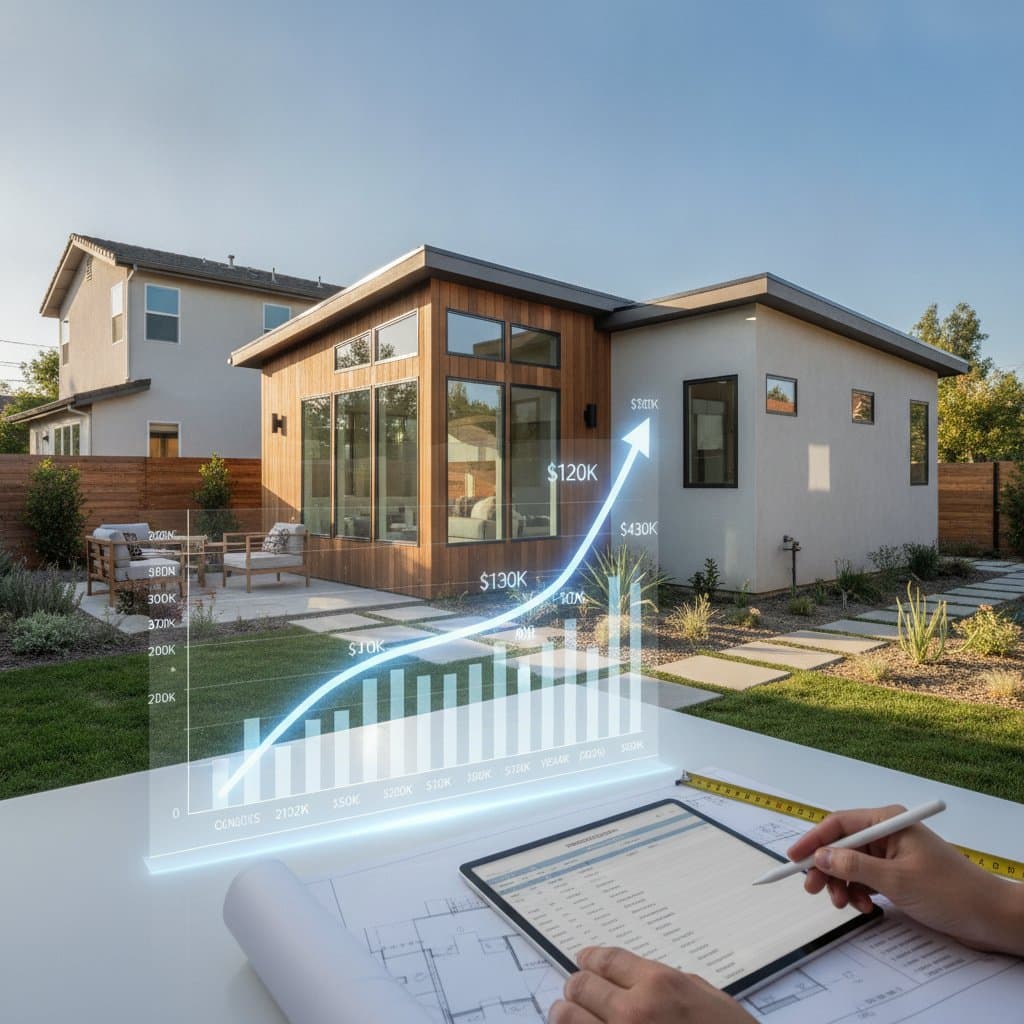
Investing in a prefab ADU extends beyond immediate utility; it positions properties for substantial financial gains amid evolving housing trends. Experts anticipate sustained growth in demand for auxiliary units, driven by urban density, remote work preferences, and regulatory shifts toward inclusive zoning. By 2026, prefab ADUs could appreciate property values by 10 to 20 percent in high-demand markets, according to industry analyses.
Returns materialize through multiple channels. Rental income from a well-placed ADU generates $1,500 to $3,000 monthly in urban areas, recouping installation costs within 5 to 7 years. Additionally, the added square footage enhances marketability, with appraisers assigning values of $100 to $200 per square foot for integrated units, thereby elevating the primary home's resale price.
Regional factors significantly influence outcomes. In coastal cities with rental shortages, ADUs command premium rents and boost equity faster. Conversely, rural areas with lenient zoning may see slower appreciation but lower entry costs. Prefab efficiency accelerates ROI by enabling quicker market entry, allowing owners to capitalize on rising property trends before 2026.
Essential Planning Strategies
Successful ADU projects begin with thorough preparation to align with personal goals and local constraints. Start by reviewing property deeds and municipal codes to verify eligibility for backyard additions. Engage a surveyor to map setbacks and utility lines, ensuring compliance from the outset.
Design choices should harmonize with the existing residence for optimal aesthetic and functional integration. Select siding materials like fiber cement or cedar that match the main home's exterior, and incorporate shared landscaping elements to create a unified backyard oasis. This approach not only satisfies regulatory aesthetics but also appeals to future buyers seeking turnkey expansions.
Utility integration demands professional input to avoid inefficiencies. Hire licensed electricians and plumbers to extend services from the primary structure, budgeting for trenching or overhead lines as needed. Opt for metered sub-panels to track ADU consumption separately, facilitating accurate billing for tenants.
Long-term viability hinges on proactive care. Schedule annual inspections for structural integrity, focusing on seals around windows and doors to prevent moisture issues. Choose low-maintenance components, such as composite decking for outdoor access, to minimize repair needs and sustain the unit's value over decades.
Realizing Value from Your Prefab ADU Investment
Prefab ADUs combine practicality with financial foresight, transforming underutilized backyard space into a versatile asset. Through precise cost management and strategic planning, homeowners unlock enhanced living options and enduring economic benefits. Partnering with experienced contractors ensures a seamless process, positioning your property for optimal performance in the dynamic real estate landscape through 2026 and beyond.