Prefab ADUs: Uncovering Actual Costs and Realistic Timelines
Installing a prefabricated accessory dwelling unit (ADU) expands the functionality of your property in meaningful ways. Homeowners often pursue these units to accommodate aging parents, host visitors, or establish a rental for supplemental income. Compared to site-built constructions, prefab ADUs deliver quicker assembly and adaptable designs. This article breaks down the financial commitments, project schedules, and variables that affect outcomes, equipping you with the knowledge to navigate your expansion confidently.
Factors Influencing Overall Costs
Prefabrication streamlines manufacturing and reduces on-site labor, yet total expenses fluctuate based on unit specifications, local requirements, and property features. By dissecting these components, you gain insight into allocating funds effectively.
-
Base Unit Pricing
The foundational cost covers the prefabricated structure, essential systems, and transport to your location. Basic studios spanning 200 to 400 square feet typically range from $80,000 to $120,000, encompassing standard insulation, basic appliances, and minimal customization. Larger configurations, such as one-bedroom units exceeding 600 square feet, or those with open-plan layouts and higher-end fixtures, can escalate to $150,000 or more. Evaluate manufacturers' catalogs to align selections with your spatial needs and aesthetic preferences. -
Site Preparation Expenses
Your land requires modifications to support the incoming module, regardless of off-site fabrication. Tasks include excavating for a concrete slab foundation, which costs $5,000 to $15,000 depending on size, and addressing soil stability through compaction or reinforcement. Challenging terrains, like those with steep inclines or expansive clay soils, demand geotechnical assessments and retaining walls, potentially adding $10,000 to $20,000. Consult a civil engineer early to identify these needs and prevent surprises. -
Permitting and Regulatory Fees
Local jurisdictions enforce unique standards for zoning, setbacks, and environmental impact. Application fees alone vary from $1,000 to $5,000, while processing times span 4 to 12 weeks. In urban areas with stringent codes, such as seismic reinforcements in earthquake-prone regions, additional engineering reports may incur $2,000 to $4,000. Research your area's building department guidelines and engage a permit expediter if navigating bureaucracy proves complex. -
Delivery and On-Site Installation
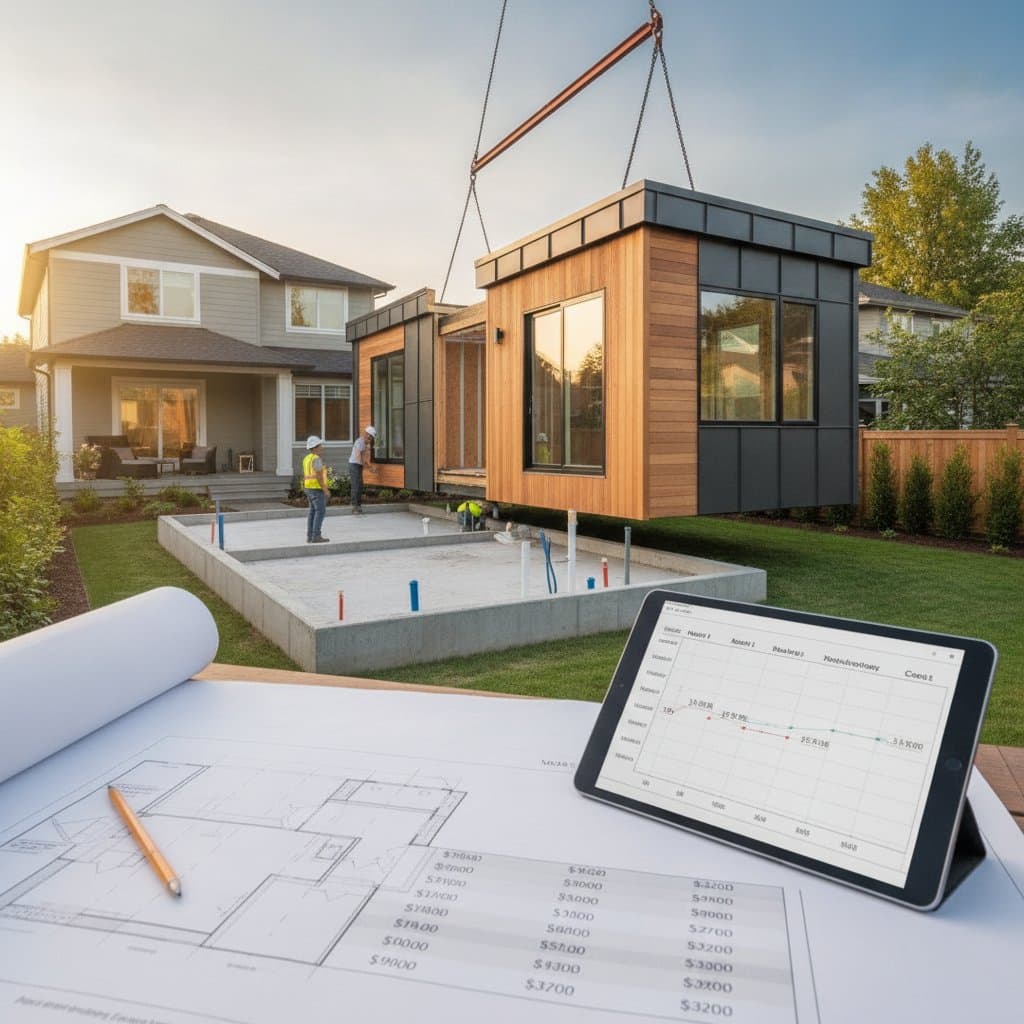
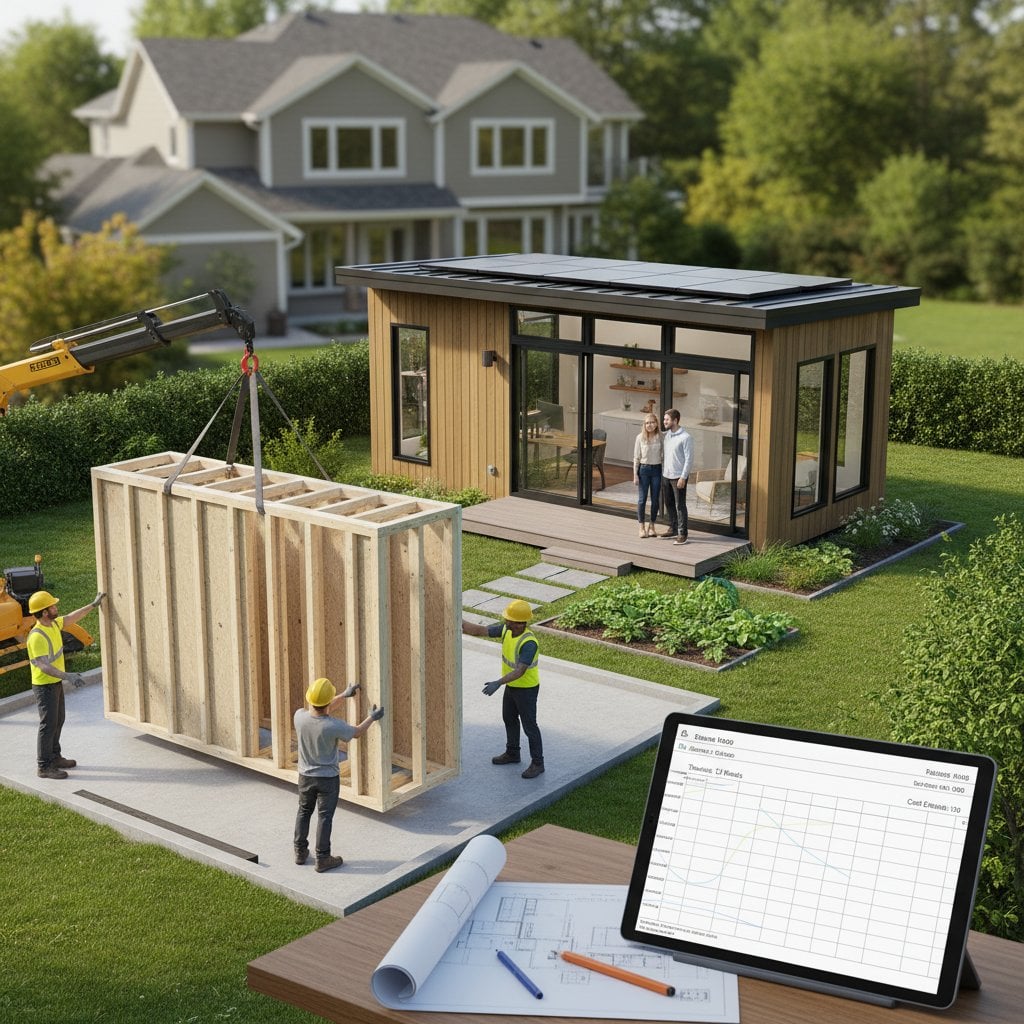
Logistics hinge on the distance from the factory and your property's accessibility. Hauling fees for interstate transport might add $3,000 to $8,000, while local delivery stays under $2,000. Positioning oversized modules often necessitates crane rentals at $1,500 per day, plus temporary road closures or tree trimming for clearance. Post-delivery, anchoring the unit and sealing joints requires 1 to 3 days of skilled labor, ensuring weatherproof integrity. -
Finishing Touches for Interiors and Exteriors
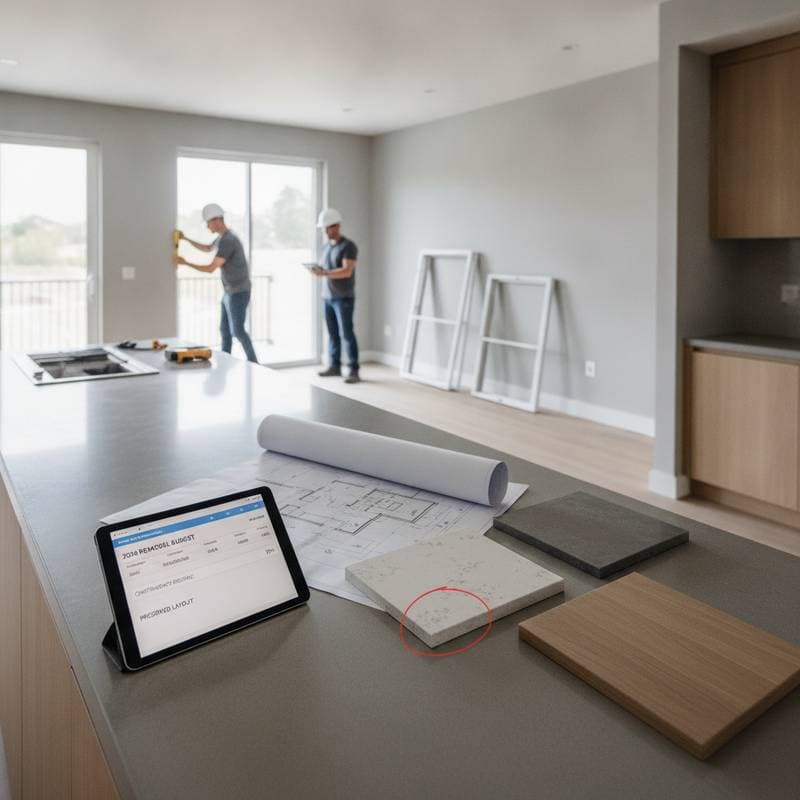
Standard packages include laminate countertops and vinyl flooring, but enhancements like quartz surfaces or hardwood elevate expenses by $5,000 to $15,000. Exterior options, such as fiber cement siding to mimic wood grain or energy-efficient double-pane windows, contribute another $3,000 to $10,000. To harmonize with your primary residence, select matching roof pitches and color palettes during the ordering phase, avoiding retrofit costs later. -
Labor and Supervisory Costs
Certified experts manage critical integrations like electrical wiring to code and plumbing tie-ins. Expect $10,000 to $25,000 for these services, depending on project scale. General contractors oversee coordination, charging 10 to 20 percent of the total budget to mitigate delays from subcontractor scheduling. Prioritize firms experienced in modular installs to uphold quality and adhere to timelines.
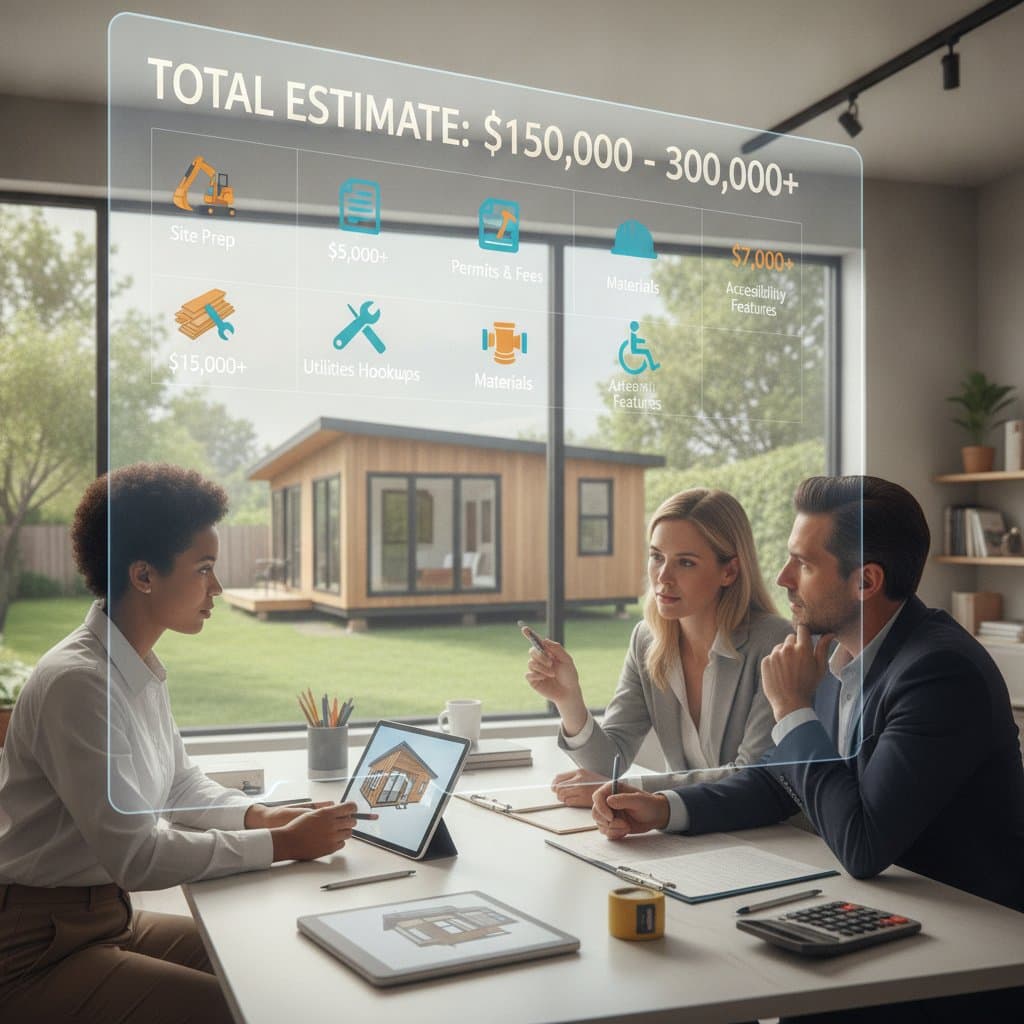
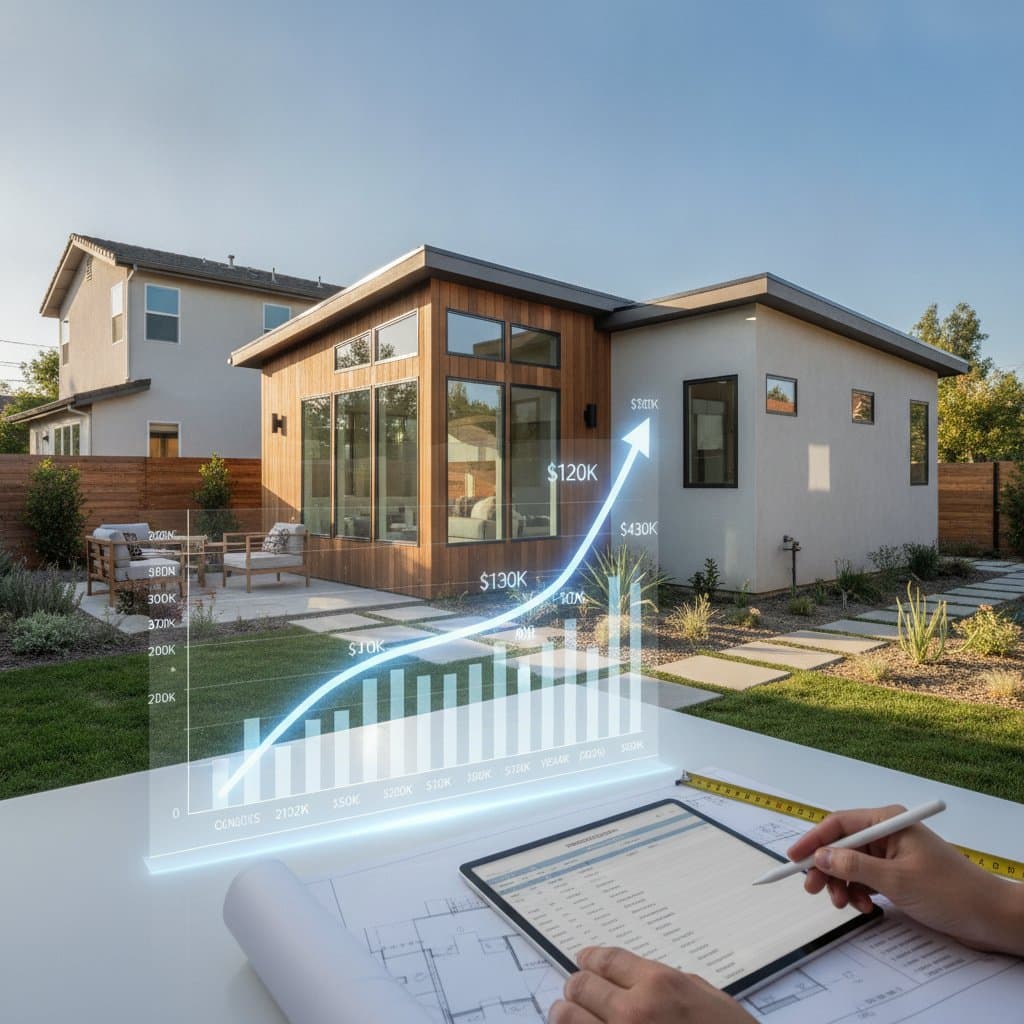
Aggregating these elements, a complete prefab ADU project generally totals $120,000 to $250,000 for mid-sized units in accessible suburban settings. Rural or coastal locations may adjust this range due to transport premiums or enhanced durability features.
Strategic Design Decisions for Efficiency
Selections made during planning directly impact expenses and project pace. Consider these targeted recommendations to refine your approach.
-
Scale Appropriately to Your Lot: Opt for units under 500 square feet if space constraints exist; these install in under a week and cost 20 to 30 percent less than expansive models. Align rooflines with your home's architecture to simplify permitting and enhance visual unity.
-
Optimize Natural Light and Seclusion: Incorporate clerestory windows for illumination without compromising privacy, paired with low-E coatings to cut heating bills by up to 15 percent. Orient entries away from adjacent properties to foster a serene environment.
-
Select Cohesive Materials: Horizontal cedar-textured siding in earth tones integrates seamlessly with traditional homes, while bold vertical metal panels suit modern aesthetics at a modest upcharge. Test samples on-site to verify compatibility with local climate demands.
-
Map Utility Integrations from the Outset: Survey existing lines for water, electricity, and sewage; extending services might require trenching at $50 to $100 per linear foot. Collaborate with utility providers to secure approvals before foundation work begins.
-
Facilitate Equipment Access: Measure gate widths and overhead clearances to accommodate 40-foot trailers; if limitations arise, modular disassembly options allow piecemeal delivery, though they extend assembly by 2 to 4 days.
Implementing these choices minimizes revisions and accelerates completion.
Establishing a Solid Budget Framework
Marketers highlight prefab ADUs as economical alternatives, yet comprehensive estimates reveal nuances tied to geography and ambitions. Solicit bids from at least three suppliers, incorporating line items for unforeseen elements like soil testing. Tools such as online calculators from reputable builders provide initial benchmarks, but professional appraisals refine accuracy.
For uncomplicated sites with direct road access, you may oversee cosmetic elements like interior painting or pathway installation to trim labor outlays. Structural and systems work, however, demands licensed oversight to satisfy inspections and warranties. Factor in a 10 to 15 percent contingency for variables like material price fluctuations.
Advancing Your ADU Initiative
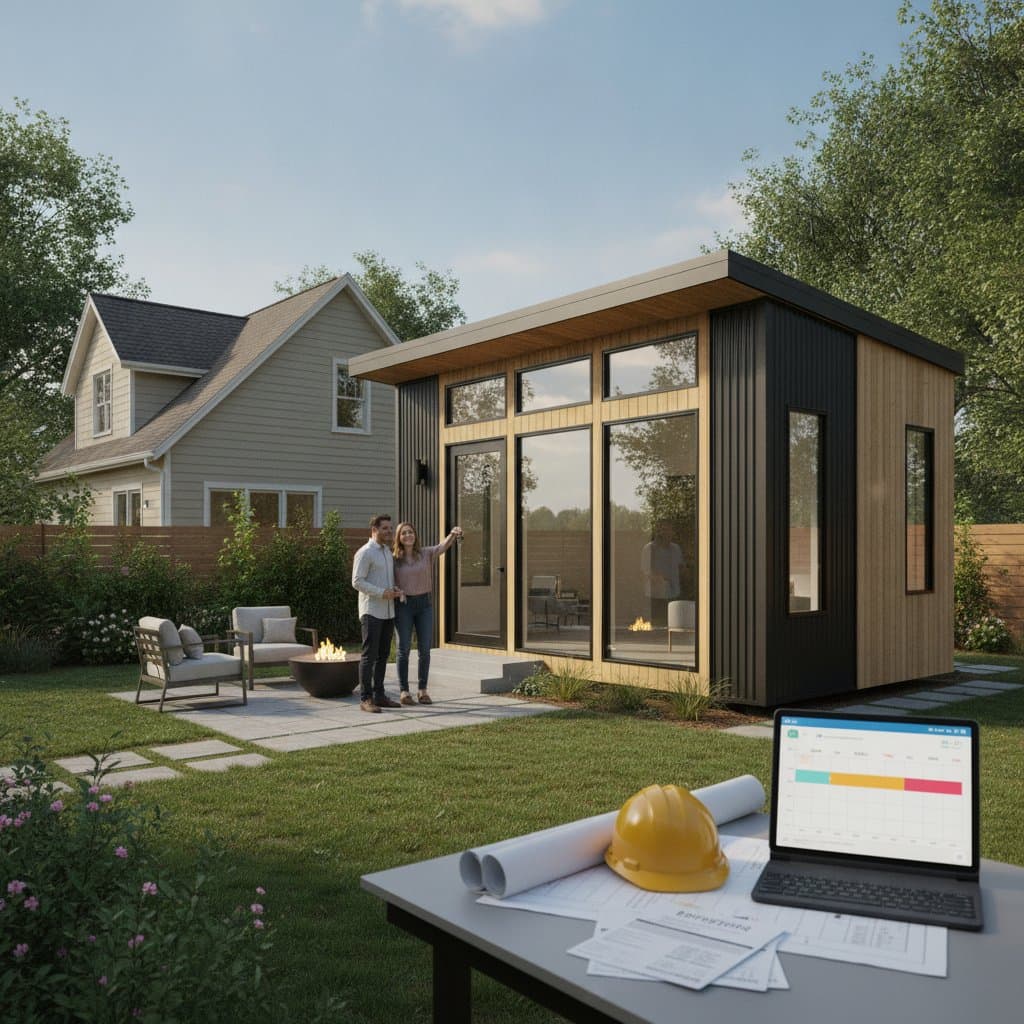
Prefab ADUs merge innovative manufacturing with personalized utility, enabling swift enhancements to your living arrangements. From modest retreats to versatile cottages, these structures adapt to diverse lifestyles.
Thorough upfront evaluation of your objectives, coupled with transparent dialogue among stakeholders, paves the way for success. With diligent preparation, your project delivers enduring value and transforms your property's potential.