Unlocking Prefab ADU Potential: 2026 Cost Insights and Permit Essentials
Installing a prefab accessory dwelling unit (ADU) expands living areas, generates rental revenue, and boosts property worth. This guide details expectations for a prefab ADU initiative, covering expense elements, approval processes, and methods to navigate the endeavor effectively.
Prefab ADUs provide a quicker, more reliable building alternative to conventional on-site constructions. These units arrive pre-assembled in sections or complete form, minimizing fieldwork and exposure to weather disruptions. Nevertheless, overall expenses and procedures hinge on selections in design, regional regulations, and preparatory measures.
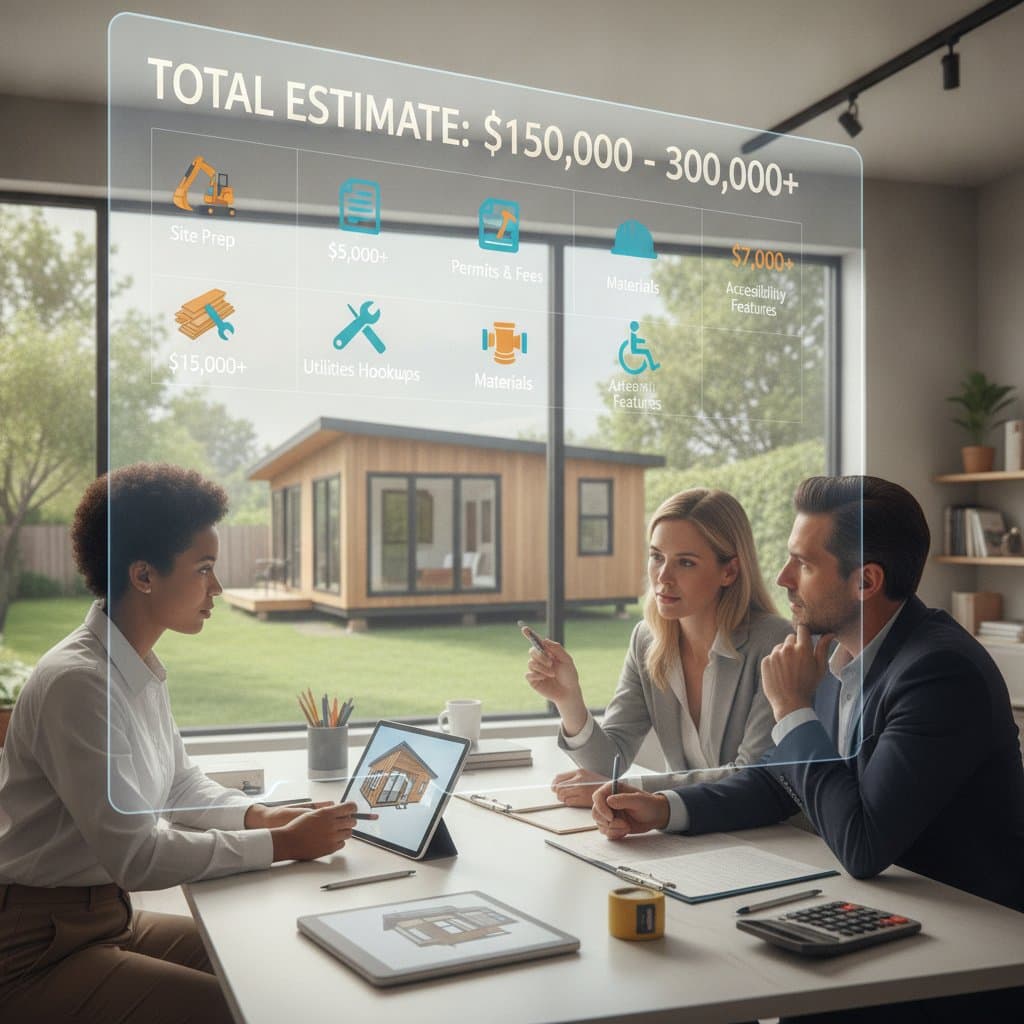
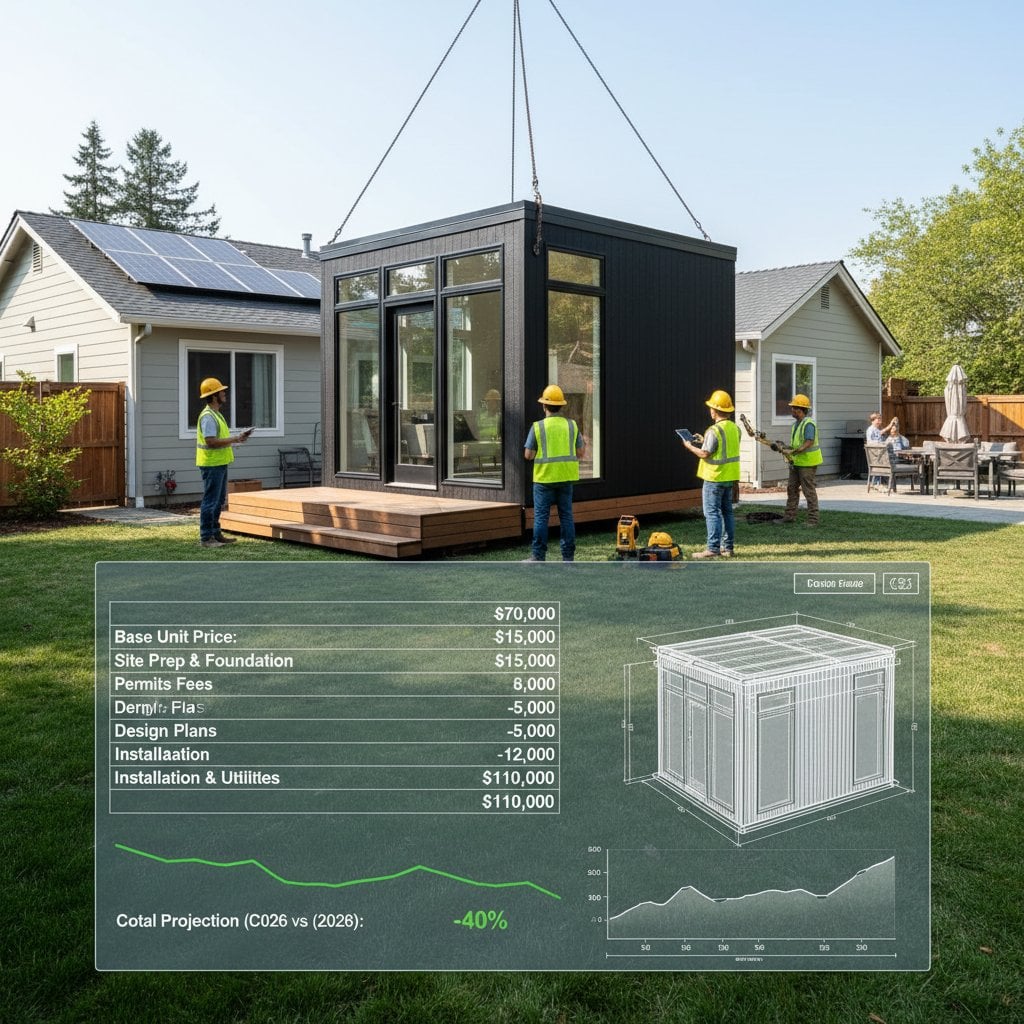
Detailed Cost Analysis for Prefab ADUs
The complete expenditure for a prefab ADU varies with geographic position, unit dimensions, and terrain specifics. Expenses typically divide into primary segments, each requiring careful evaluation.
Base Unit Pricing
The factory-produced structure forms the core expense. For typical residential applications, prefab ADUs span $140,000 to $280,000, influenced by area and material quality. Compact studio units around 400 square feet fall toward the lower threshold, while expansive two-bedroom options exceeding 800 square feet approach the upper limit.
Such pricing generally encompasses internal elements like cabinetry, flooring, and plumbing fixtures, enabling early budget control. Selecting modular designs from established producers ensures compliance with building codes from the outset.
Site Preparation Expenses
Prior to unit arrival, the property requires foundational readiness, including land grading, base construction, and preliminary utility alignments. These tasks range from $15,000 to $40,000, contingent on ground composition, elevation changes, and entry pathways. Properties in dense urban settings or with challenging topography often demand specialized machinery, escalating the outlay.
Engaging a geotechnical survey early identifies soil stability issues, preventing future structural adjustments. Clear communication with local contractors streamlines this phase.
Permitting and Design Expenditures
Approval processes differ across municipalities, yet allocate $5,000 to $15,000 for schematic reviews, structural engineering, and jurisdictional clearances. Prefab providers frequently supply initial blueprints, though adaptation to specific parcels may necessitate input from certified local professionals.
Initiate contact with planning departments to map out required submissions, such as environmental impact assessments in sensitive zones. This foresight avoids delays in the approval pipeline.
Delivery and Installation Charges
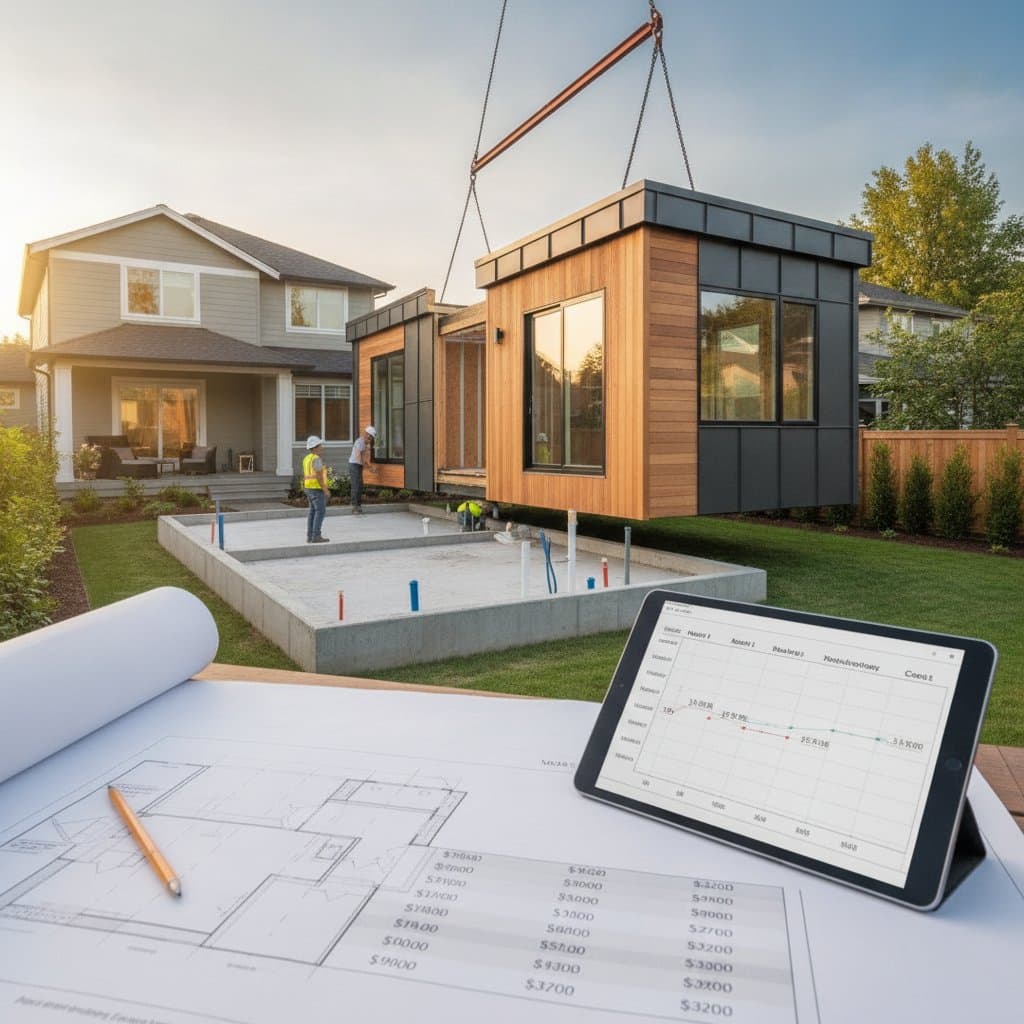
Moving and positioning the ADU incurs $10,000 to $20,000, based on transport mileage and equipment needs like cranes. Upon arrival, teams assemble components, weatherproof seams, and finalize outer surfaces. Basic site enhancements, such as perimeter fencing, might append several thousand dollars.
Schedule deliveries during optimal weather seasons to sidestep additional protective measures. Verify installer credentials for modular expertise to ensure precise execution.
Utility Connections and Finishing Costs
Linking to water, sewage, gas, and power supplies represents variable outlays, often tied to proximity from primary infrastructure. These connections average $5,000 to $25,000, with extended runs or system expansions driving higher figures.
Conduct a utility audit beforehand to gauge line capacities and potential upgrades. Professional plumbers and electricians certified in modular integrations minimize rework.
Upgrade Options
Enhancements like high-end countertops, outdoor patios, or photovoltaic systems elevate the total. These additions enhance usability and sustainability, yet demand alignment with enduring objectives. A comprehensive budget for a turnkey prefab ADU thus spans $180,000 to $350,000.
Prioritize energy-efficient features, such as insulated walls, to qualify for rebates and lower operational expenses over time.
Key Influences on Prefab ADU Expenses
While prefab methods promote cost stability, multiple variables modulate the end figure.
- Foundation Choices: Concrete slabs prove economical compared to elevated piers or subterranean bases, suiting flat terrains best.
- Site Accessibility: Unobstructed routes for heavy vehicles reduce labor; confined areas necessitate custom rigging plans.
- Utility Distances: Proximity to mains curtails piping needs; overloads may require service panel reinforcements.
- Design Modifications: Off-the-shelf configurations save versus bespoke interiors or layouts.
- Regional Variations: Wage scales and regulatory fees fluctuate, with coastal areas often commanding premiums.
- Funding Structures: Loan durations and rates impact cumulative financing burdens.
Assessing terrain realities and aesthetic priorities upfront wards off unforeseen financial pressures.
Strategies for a Seamless Prefab ADU Build
Coordinating a prefab ADU demands synergy between owners, fabricators, and on-site specialists. Implement these measures for streamlined execution:
- Verify Regulations Promptly: Review lot line offsets, maximum elevations, and vehicle parking mandates prior to unit selection.
- Stage Site Readiness: Align digging, basing, and line preparations to align with delivery schedules, avoiding idle periods.
- Monitor Production Quality: Tour facilities or solicit detailed imagery to confirm adherence to specified standards.
- Select Skilled Assemblers: Opt for crews versed in sectional joining to mitigate errors and extensions.
- Secure Pathways: Clear vegetation and structures to facilitate equipment maneuvering during setup.
- Reserve Buffer Funds: Allocate a minimum of ten percent for emergent site revelations or enhancements.
These practices maintain project momentum and avert expensive revisions.
Addressing Frequent Concerns
Require distinct approvals for plumbing or electrical integrations? Affirmative. Prefab assemblies adhere to standards, yet authorities mandate verifications for secure linkages and adherence.
Permissible to lease a prefab ADU? Numerous locales endorse extended tenancies, though transient bookings face restrictions. Consult municipal codes prior to marketing.
Duration of the setup phase? With preparations complete, assembly and refinements span two to four weeks. Broader schedules incorporate approvals and preliminaries, often totaling three to six months.
Advance Your Prefab ADU Initiative Confidently
A prefab ADU delivers adaptable accommodations for relatives, visitors, or lessees, alongside appreciable asset appreciation. Success resides in meticulous forethought. Scrutinize community guidelines, solicit varied estimates, and dissect expense components prior to advancement.
Dedicate effort to groundwork and partner with reputable fabricators for an orderly, gratifying outcome. From modest studios to comprehensive two-bedroom suites, this approach amplifies residential possibilities sans extensive overhauls.