Aging-in-Place Renovations: Essential Features and Costs
Adapting a home to support independence, comfort, and safety as mobility needs evolve requires careful planning. Aging-in-place remodeling modifies living spaces to accommodate changing physical abilities while preserving the familiarity of a beloved residence. This guide outlines key features that enhance accessibility, along with projected 2026 costs based on current trends in materials, labor, and technology.
Principles of Universal Design
Universal design forms the core of effective aging-in-place modifications. This approach creates environments usable by individuals of all ages and abilities, emphasizing inclusivity over specialization. Features such as lever-handled doors, lever faucets, and non-slip surfaces integrate seamlessly into daily life. The result is a residence that feels intuitive and welcoming, avoiding the institutional appearance often associated with accessibility adaptations.
Key Influences on Renovation Expenses
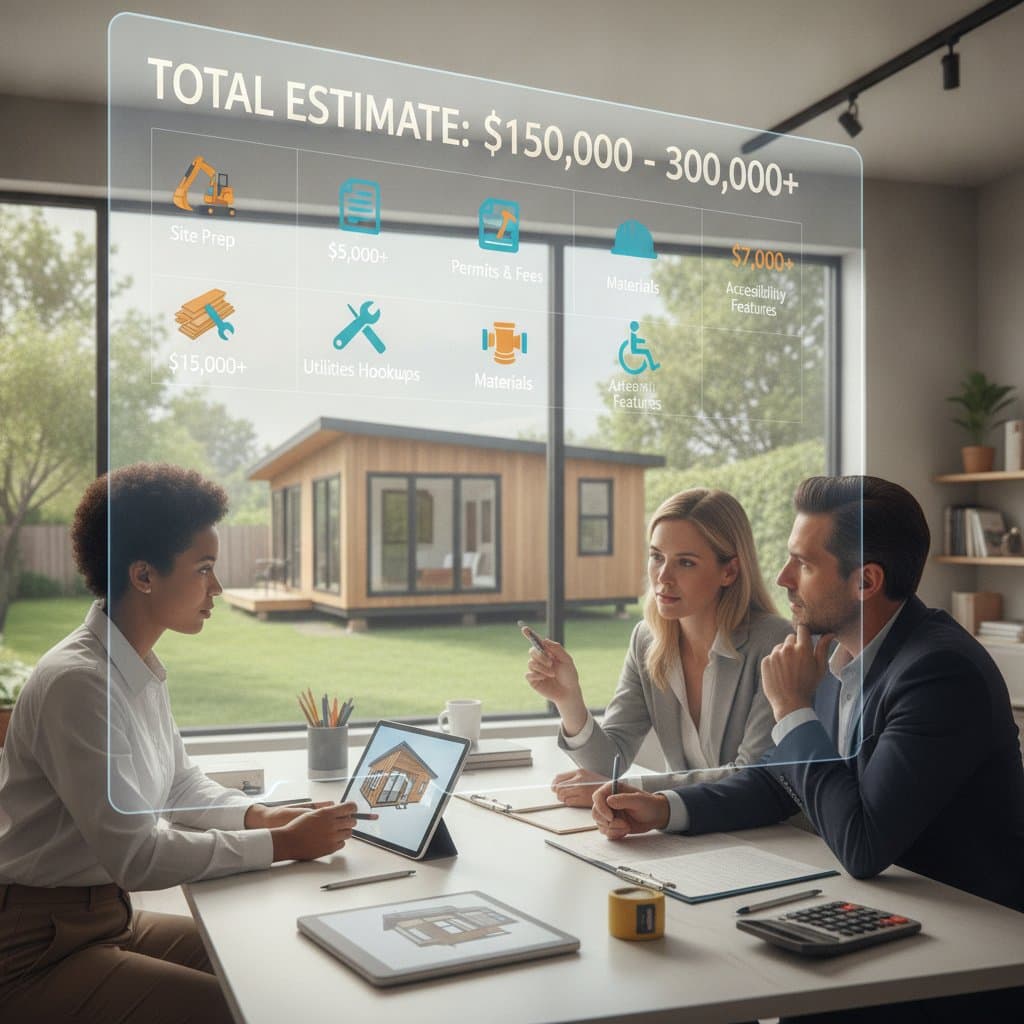
Renovation costs vary based on the existing home structure, extent of modifications, and necessity for structural alterations. Minor adjustments, like installing grab bars, require limited investment, whereas comprehensive overhauls involving plumbing or electrical work demand greater resources. Regional labor rates, material selections, and compliance with building codes further shape the budget. Homeowners benefit from consulting certified aging-in-place specialists to align expenditures with long-term value.
The following sections detail priority features, explaining their benefits, implementation strategies, and estimated 2026 costs for a typical single-family home.
1. Zero-Threshold Entries and Ramps
Entryways serve as the primary gateway to the home, and eliminating barriers here prevents accidents while facilitating easy access. Zero-threshold designs replace standard steps with flush surfaces, often incorporating gentle ramps where elevation changes occur.
Benefits: These modifications minimize tripping risks and accommodate mobility devices like wheelchairs or scooters, promoting confident entry and exit.
Implementation tips: Opt for durable, weather-resistant materials such as composite decking for exterior ramps. Integrate motion-sensor lighting to illuminate pathways at night. Ensure handrails match the home's architectural style for visual harmony.
Estimated 2026 cost: $2,000 to $5,000 per entry, depending on ramp length and surface materials; includes permitting and basic structural reinforcement.
2. Wider Doorways and Hallways
Narrow doorways and corridors hinder navigation, particularly with assistive devices. Widening them to a minimum of 36 inches supports smooth passage and reduces physical strain.
Benefits: Expanded spaces decrease collision risks and create an overall sense of openness, enhancing both functionality and perceived spaciousness.
Implementation tips: Install pocket doors or sliding barn doors to maximize floor area. Select lever handles for effortless operation. Apply high-contrast paint on trim to aid visibility for those with visual impairments.
Estimated 2026 cost: $1,500 to $3,500 per doorway, covering framing adjustments, drywall installation, and hardware; costs decrease when bundled with broader interior projects.
3. Accessible Bathrooms with Barrier-Free Showers
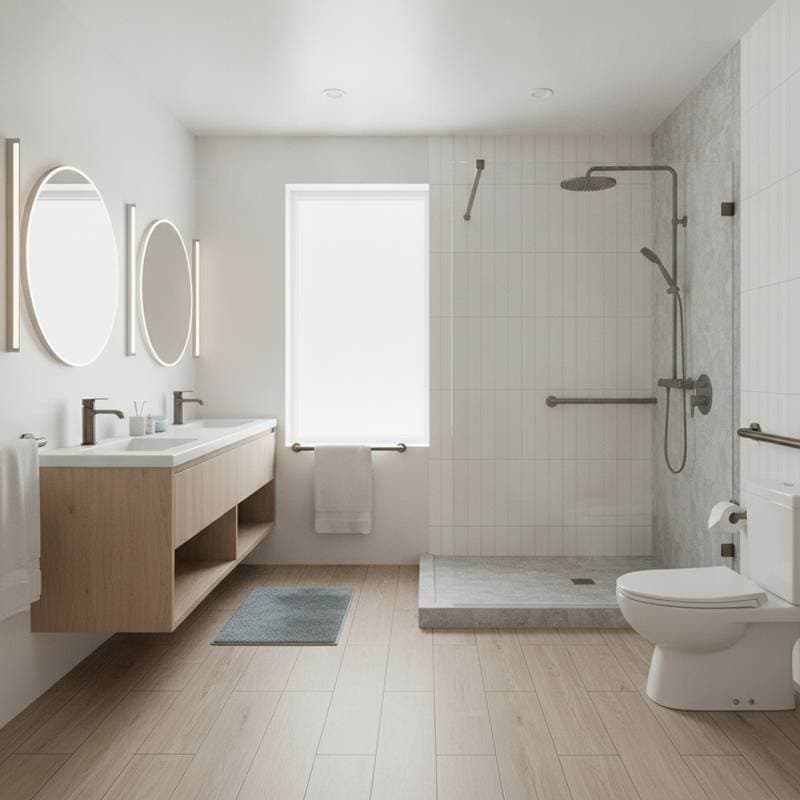
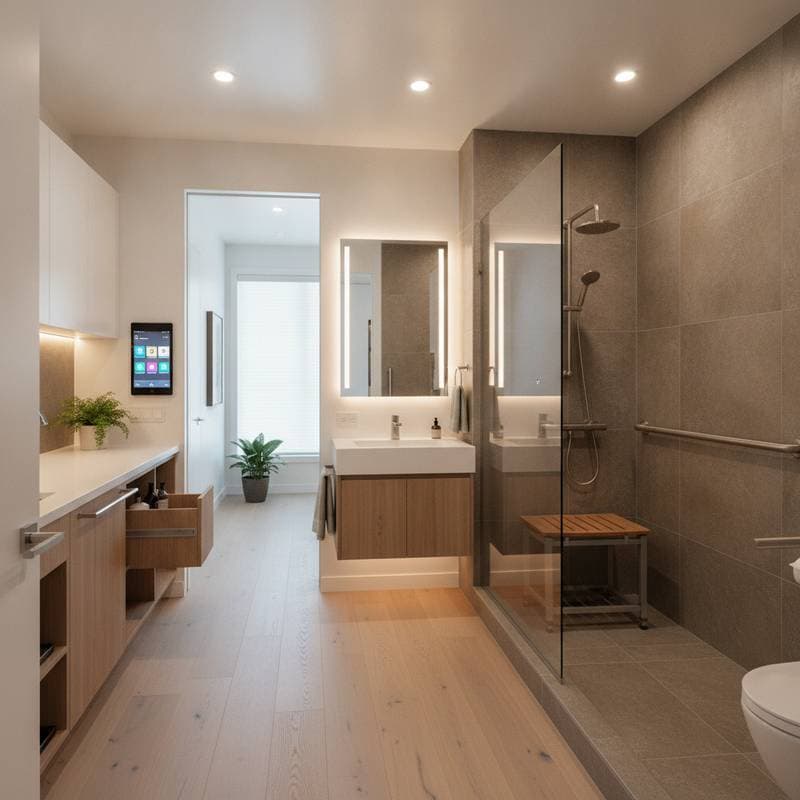
Bathrooms pose significant fall hazards due to wet surfaces and confined spaces. Transforming them into safe zones involves curbless showers, reinforced walls for grab bars, and elevated toilets.
Benefits: These updates enable independent bathing and toileting, preserving dignity and reducing reliance on assistance.
Implementation tips: Choose fold-down shower seats and handheld showerheads for versatility. Install anti-scald valves on faucets to prevent burns. Use textured, slip-resistant tiles in earth tones to maintain a spa-like ambiance.
Estimated 2026 cost: $8,000 to $15,000 for a full bathroom refresh, including plumbing rerouting and waterproofing; partial updates like grab bar installation start at $500.
4. Functional Kitchen Modifications
Kitchens demand ergonomic adjustments to support meal preparation without excessive reaching or bending. Key elements include lowered counters, pull-out cabinetry, and intuitive controls.
Benefits: Such changes promote sustained culinary independence, minimizing fatigue and injury during routine tasks.
Implementation tips: Incorporate adjustable-height islands for seated or standing use. Add lazy Susans and glide-out trays for accessible storage. Select touchless faucets and under-cabinet LED lighting to enhance precision and reduce eye strain.
Estimated 2026 cost: $4,000 to $10,000 for targeted upgrades, focusing on cabinetry and appliances; avoids the expense of a complete kitchen overhaul.
5. Strategic Lighting Solutions
Inadequate illumination contributes to disorientation and falls, especially in low-light conditions. Layered lighting systems provide consistent visibility throughout the home.
Benefits: Well-placed lights improve depth perception and task performance, fostering a safer environment day and night.
Implementation tips: Install dimmable recessed fixtures in hallways and stairwells. Use automatic sensors in closets and bathrooms for hands-free activation. Choose warm LED bulbs to create a cozy atmosphere without harsh glare.
Estimated 2026 cost: $1,000 to $3,000 for whole-home retrofits, including wiring updates and smart controls; simple additions like nightlights cost under $200.
6. Slip-Resistant Flooring and Seamless Transitions
Floor surfaces influence stability and ease of movement. Selecting materials with inherent traction while ensuring level junctions between rooms is crucial.
Benefits: These choices prevent slips and stumbles, supporting fluid mobility for all residents.
Implementation tips: Favor luxury vinyl plank with embossed textures for durability and style. Transition to low-profile thresholds using color-coordinated ramps. Incorporate cushioned options like cork underfoot in high-traffic areas for joint relief.
Estimated 2026 cost: $3,000 to $7,000 for main living areas, driven by square footage and material premium; budget vinyl options keep expenses lower.
7. Smart Home Integration for Monitoring and Control
Technology enhances oversight and convenience without compromising privacy. Voice-activated systems and sensors automate routine functions.
Benefits: Remote monitoring alerts caregivers to irregularities, while automated adjustments maintain optimal comfort levels.
Implementation tips: Integrate hubs for lights, thermostats, and locks controllable via smartphone. Add fall-detection mats under rugs. Ensure compatibility with existing Wi-Fi for straightforward setup.
Estimated 2026 cost: $2,500 to $6,000 for basic systems, including installation; expandable modules allow phased implementation.
8. Optimized Bedroom and Living Spaces
Primary living areas require layouts that prioritize clear circulation and ergonomic furnishings. Maintaining 36-inch pathways around furniture ensures unobstructed flow.
Benefits: These arrangements reduce navigation challenges, lowering exhaustion and accident potential during relaxation or rest.
Implementation tips: Position outlets and switches at 48-inch heights for reachability. Select lift-assist chairs and remote-controlled blinds. Use modular shelving with pull-down mechanisms for storage access.
Estimated 2026 cost: $1,500 to $4,000 for layout tweaks and furniture adaptations; focuses on non-structural enhancements.
Planning Your Aging-in-Place Project
Embarking on an aging-in-place renovation secures future well-being through proactive adaptations. Begin with a professional assessment to pinpoint high-impact areas, such as entry points or wet zones. Phase implementations to manage costs, starting with high-priority safety measures before aesthetic refinements. This strategic approach yields a residence that evolves with you, blending practicality with personal style for sustained independence.