Incorporating Biophilic Design for Home Wellness
A well-designed home promotes physical health and emotional equilibrium by fostering a sense of connection to the natural world. Biophilic design achieves this by integrating elements from the outdoors into indoor spaces, creating environments that feel invigorating and restorative. Through the use of natural materials, abundant daylight, and organic patterns, homeowners can cultivate areas that support daily rejuvenation and overall vitality.
Understanding the Principles of Biophilic Design
Biophilic design rests on the foundational idea that humans benefit profoundly from interactions with nature. Elements such as lush foliage, flowing water, and textured surfaces like wood or stone engage the senses and elevate mood. Rather than replicating outdoor landscapes exactly, this approach subtly mirrors them to enhance comfort and enrich routine activities.
Research in environmental psychology underscores how these connections reduce stress and improve cognitive function. For instance, exposure to natural patterns can lower cortisol levels, leading to better sleep and heightened focus. Designers apply these insights to create interiors that align with innate human preferences for organic forms and serene atmospheres.
Maximizing Natural Light and Ventilation
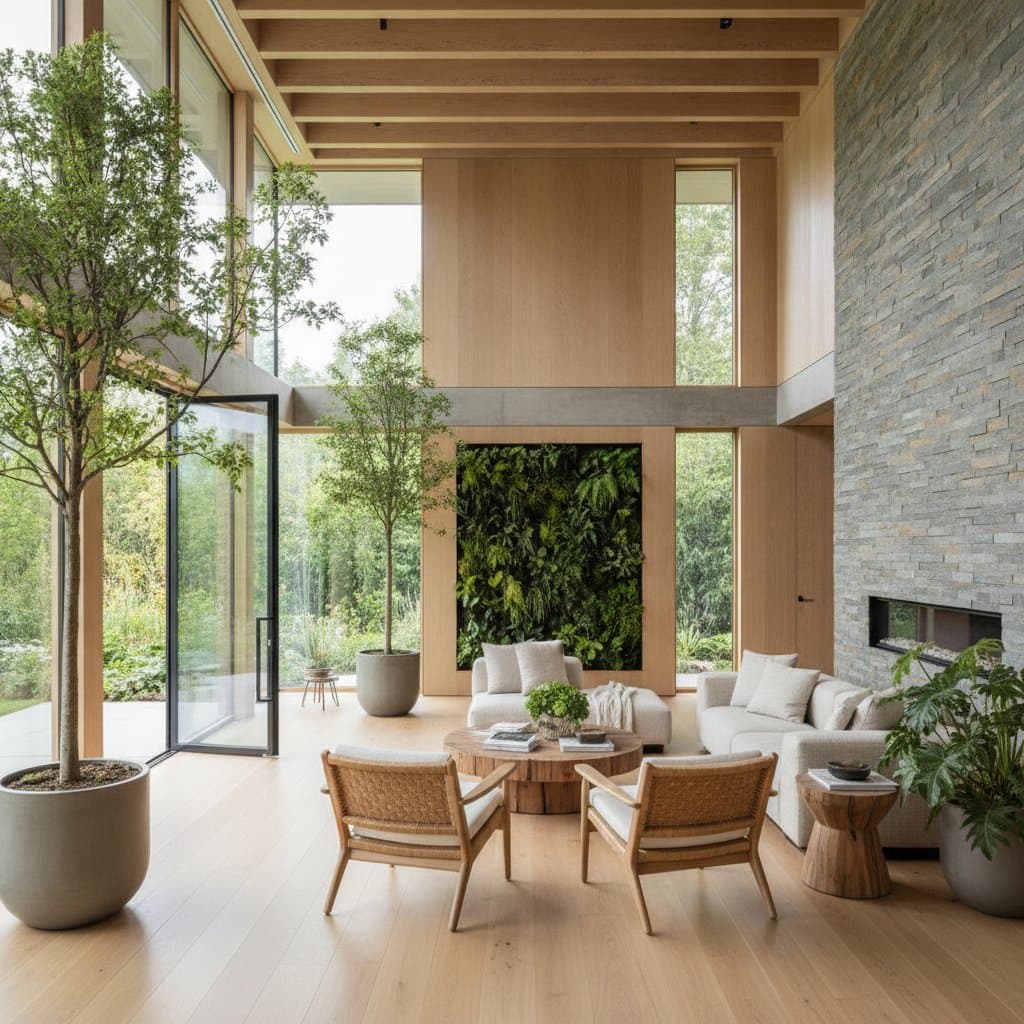
Natural daylight regulates circadian rhythms and boosts alertness throughout the day. Install expansive windows, strategically placed skylights, or sliding glass doors to invite sunlight and scenic views into living spaces. To optimize airflow, incorporate designs that allow breezes to circulate, such as operable vents or aligned openings between rooms.
Light-filtering sheer fabrics on windows preserve privacy while diffusing brightness evenly. In compact homes, mirrors positioned opposite light sources can extend the illusion of openness. Arrange seating near these features to encourage moments of reflection amid daily tasks.
Implementation tips: Select pale wall finishes paired with wooden accents to enhance light bounce. For energy efficiency, integrate automated shades that adjust based on time of day, maintaining comfort without excessive reliance on artificial lighting.
Selecting Organic Materials and Textures
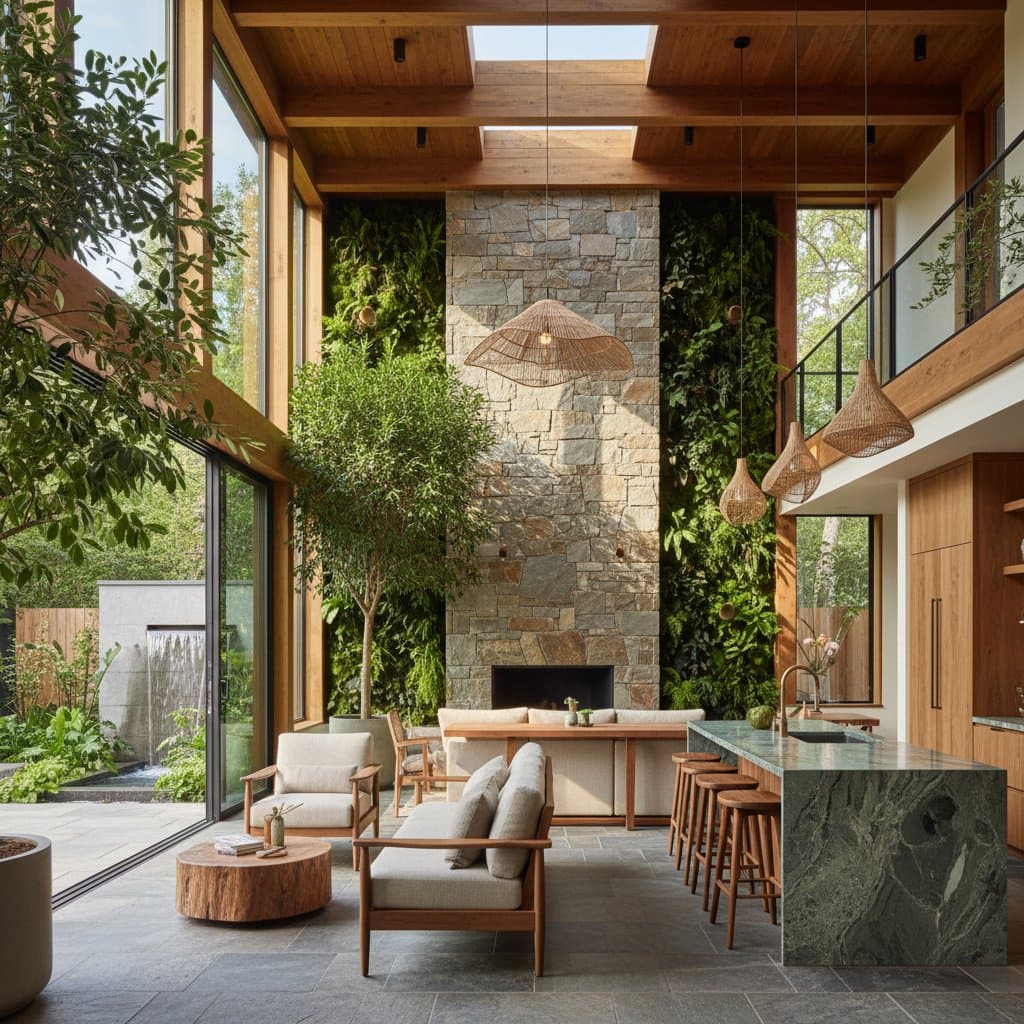
Materials sourced from nature, including timber, slate, terracotta, and linen, provide a sensory richness absent in manufactured alternatives. These choices introduce subtle irregularities in grain and color, grounding interiors in authenticity and warmth.
Over time, such materials develop patina, adding layers of character that evolve with the home. They also contribute to acoustic softness and thermal regulation, creating more livable spaces. In kitchens or bathrooms, opt for sealed natural stone countertops that withstand daily use while evoking outdoor durability.
Implementation tips: Combine reclaimed wood beams with sleek hardware for a rustic-modern contrast. Layer woolen textiles over stone flooring to soften underfoot sensations. In bedrooms, use bamboo linens for bedding to promote restful nights through breathable, hypoallergenic properties.
Introducing Indoor Living Greenery
Incorporating plants transforms sterile rooms into vibrant ecosystems. They purify air by absorbing toxins, dampen echoes for quieter ambiance, and add fluid contours that complement rigid built structures. Choose species suited to your light conditions, from trailing ivies in bright spots to resilient pothos in shaded nooks.
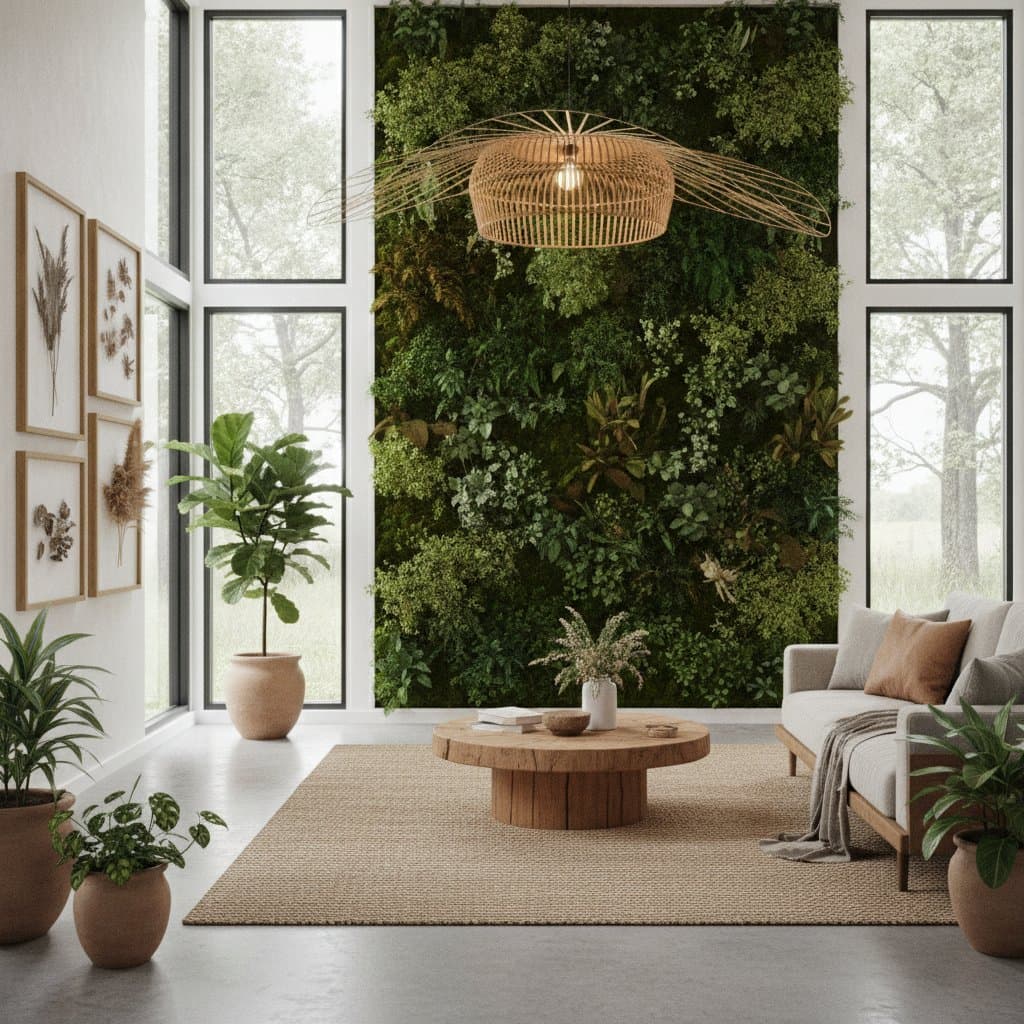
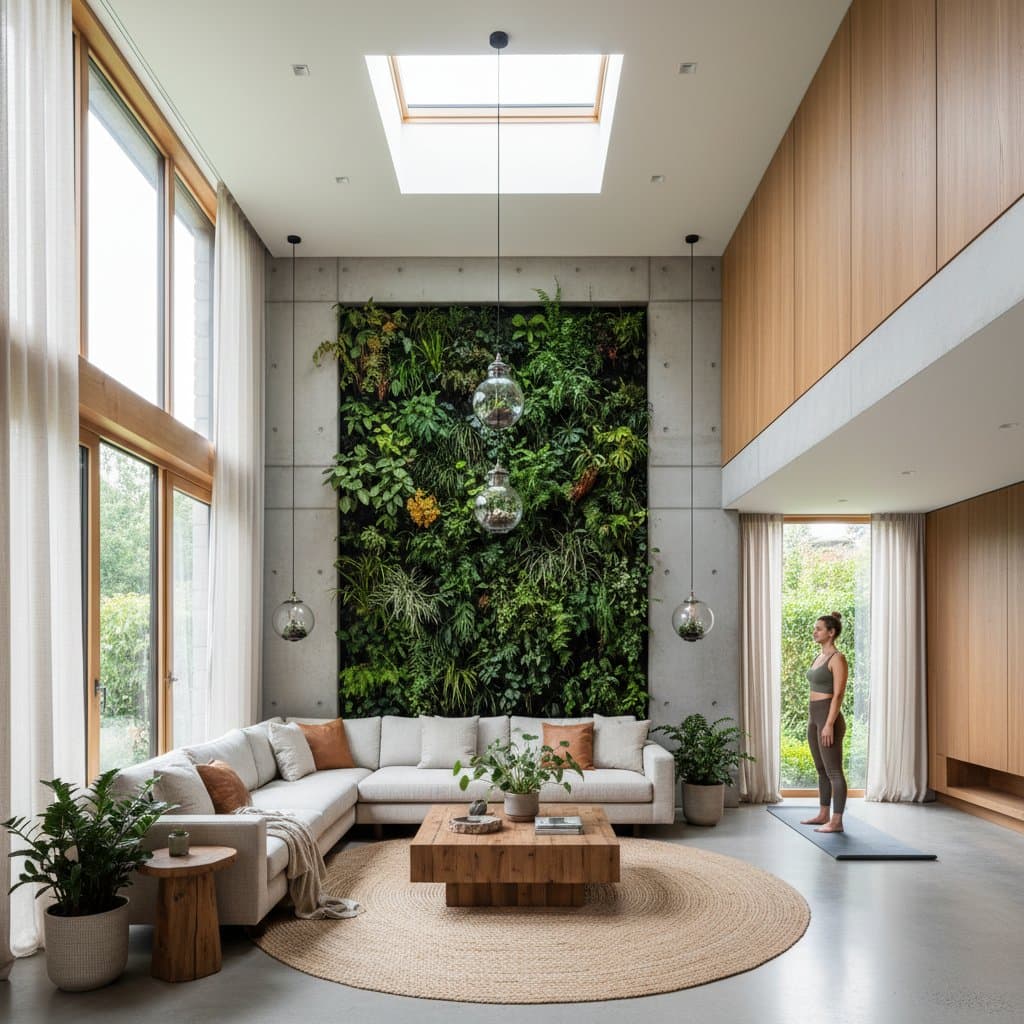
Beyond aesthetics, tending to greenery cultivates routines that encourage presence and reduce anxiety. Herb gardens in culinary areas serve dual purposes, providing fresh ingredients alongside aromatic benefits. Wall-mounted planters maximize vertical space in urban settings, blurring boundaries between indoors and out.
Implementation tips: Group low-maintenance varieties like snake plants near entryways for immediate impact. Suspend hanging baskets above dining tables to create focal points. Integrate built-in shelves for potted collections that frame windows, drawing the eye toward external greenery.
Adding Water Features for Serenity
The gentle murmur of water evokes peaceful natural settings, instantly easing tension in busy households. Compact tabletop fountains or wall-mounted cascades integrate seamlessly into various room sizes. Position them near relaxation zones to counter urban noise and promote meditative states.
These elements introduce dynamic motion and humidity, which can alleviate dry air issues common in conditioned spaces. Solar-powered options for exterior-adjacent features extend the biophilic reach without added energy costs. Maintenance involves simple cleaning to prevent buildup, ensuring longevity.
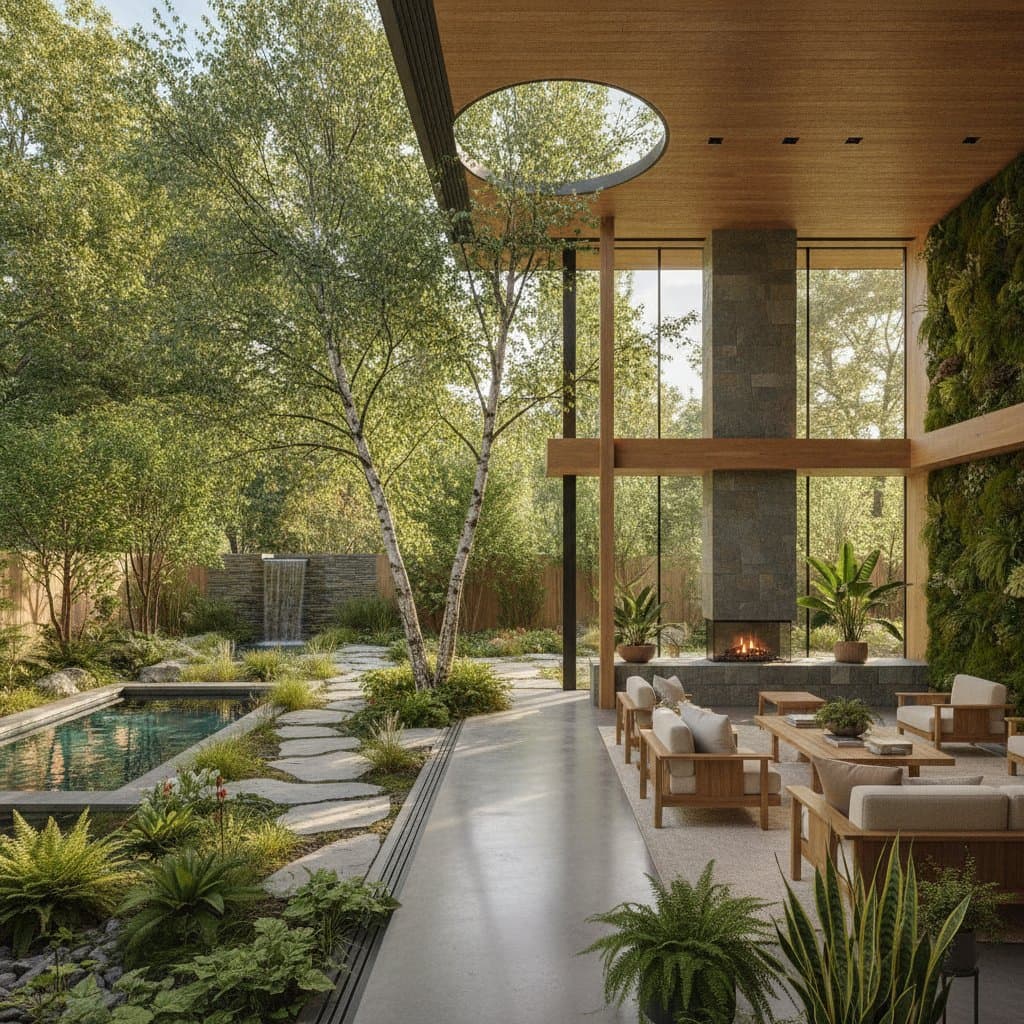
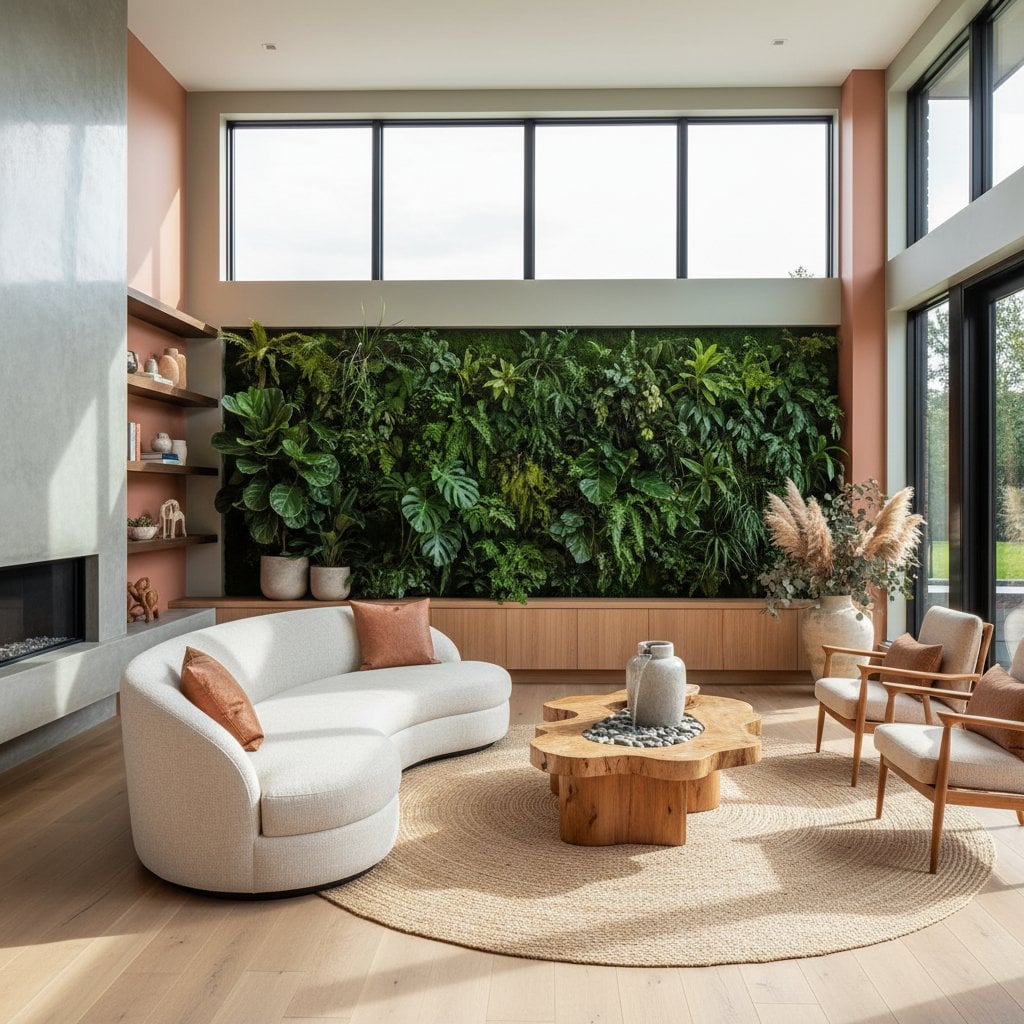
Implementation tips: Surround a freestanding fountain with pebble bases mimicking riverbeds. For patios, install shallow basins that reflect sky and foliage. In home offices, a small bubbler desk accessory can provide subtle white noise during work sessions.
Choosing Earth-Inspired Color Schemes
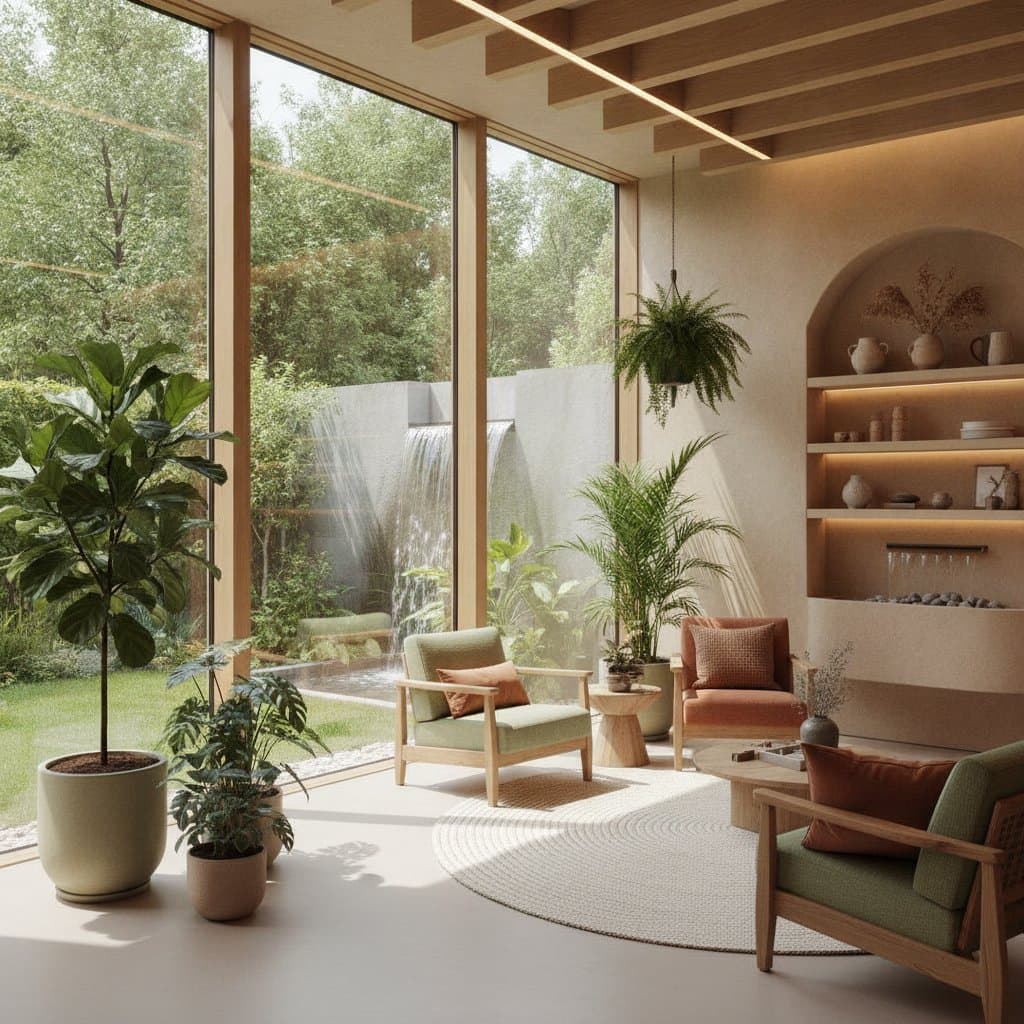
Palettes drawn from natural environments, such as sage greens, terracotta reds, and slate blues, instill a sense of stability and peace. These hues shift subtly with sunlight, offering versatility across seasons. They pair intuitively with raw textures, unifying disparate elements into cohesive designs.
Such colors influence perception of space; warmer tones expand compact areas, while cooler shades soothe larger ones. Test samples in situ to account for lighting variations, ensuring the final effect aligns with intended moods. Layer with accents from foliage or stone for depth.
Implementation tips: Apply soft beiges to walls adjacent to wooden paneling for seamless flow. Introduce charcoal grays in accents against verdant plants for balanced contrast. In hallways, use muted ochres to warm transitions between rooms.
Practical Steps to Implement Biophilic Design
Begin with accessible changes, such as swapping laminate surfaces for cork or linen accents in key areas. Introduce a few strategic plants to high-use zones like the living room or workspace. Refresh paint in nature-derived shades to recalibrate the overall ambiance without major disruption.
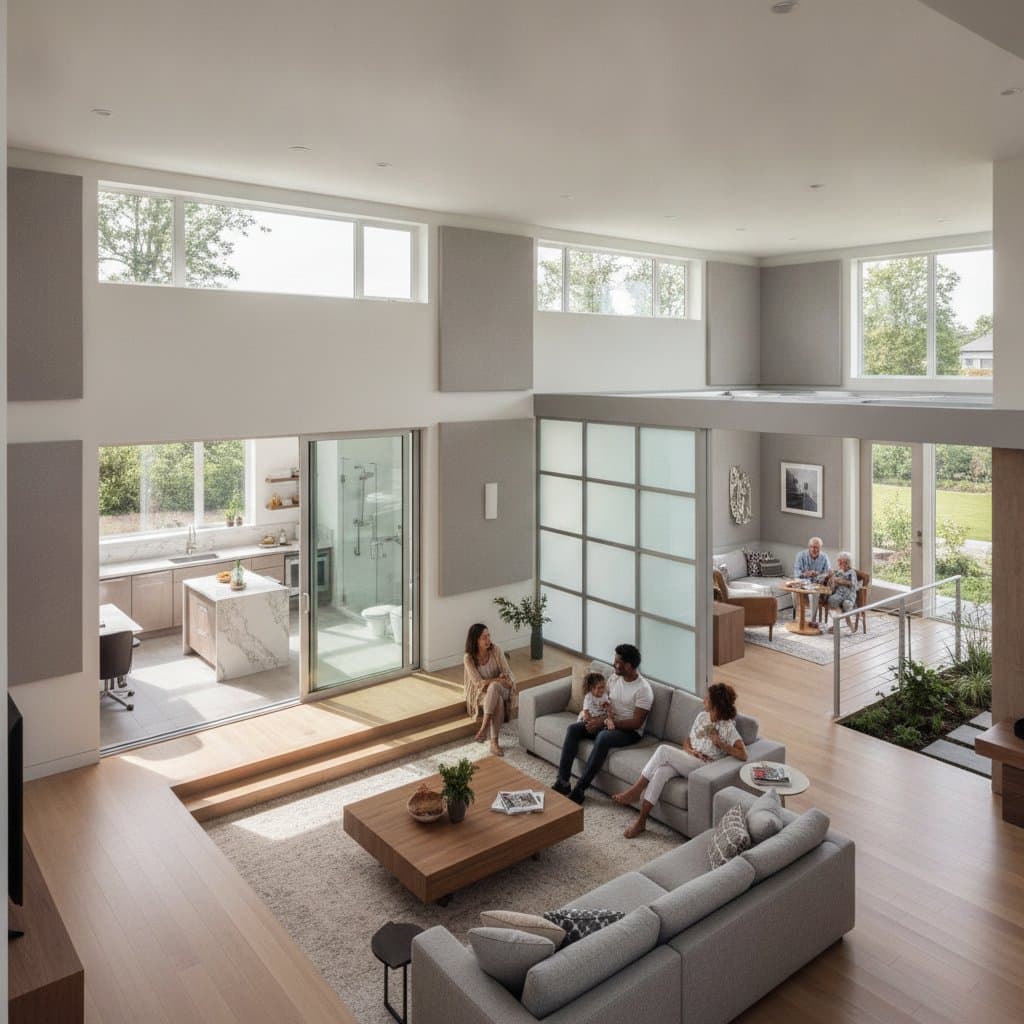
For comprehensive renovations, prioritize layouts that facilitate natural progression, such as open-plan configurations with sightlines to gardens. Consult local climate when selecting materials to ensure durability against humidity or sun exposure. Budget for professional input to align elements harmoniously.
Track progress by noting shifts in how spaces feel over weeks, adjusting as needed. These adaptations not only beautify but also sustain long-term well-being through evolving, responsive environments.
Sustaining a Natural Harmony in Daily Life
Biophilic homes adapt fluidly to seasonal changes, with shifting light patterns and growing elements keeping interiors fresh. This dynamic quality prevents stagnation, supporting sustained energy and mental clarity. Ultimately, such designs yield spaces that resonate personally, nurturing wellness through an enduring embrace of nature's essence.